 carjourney
From the CarJourney journal
Vehicle Ownership App Review: What Matters
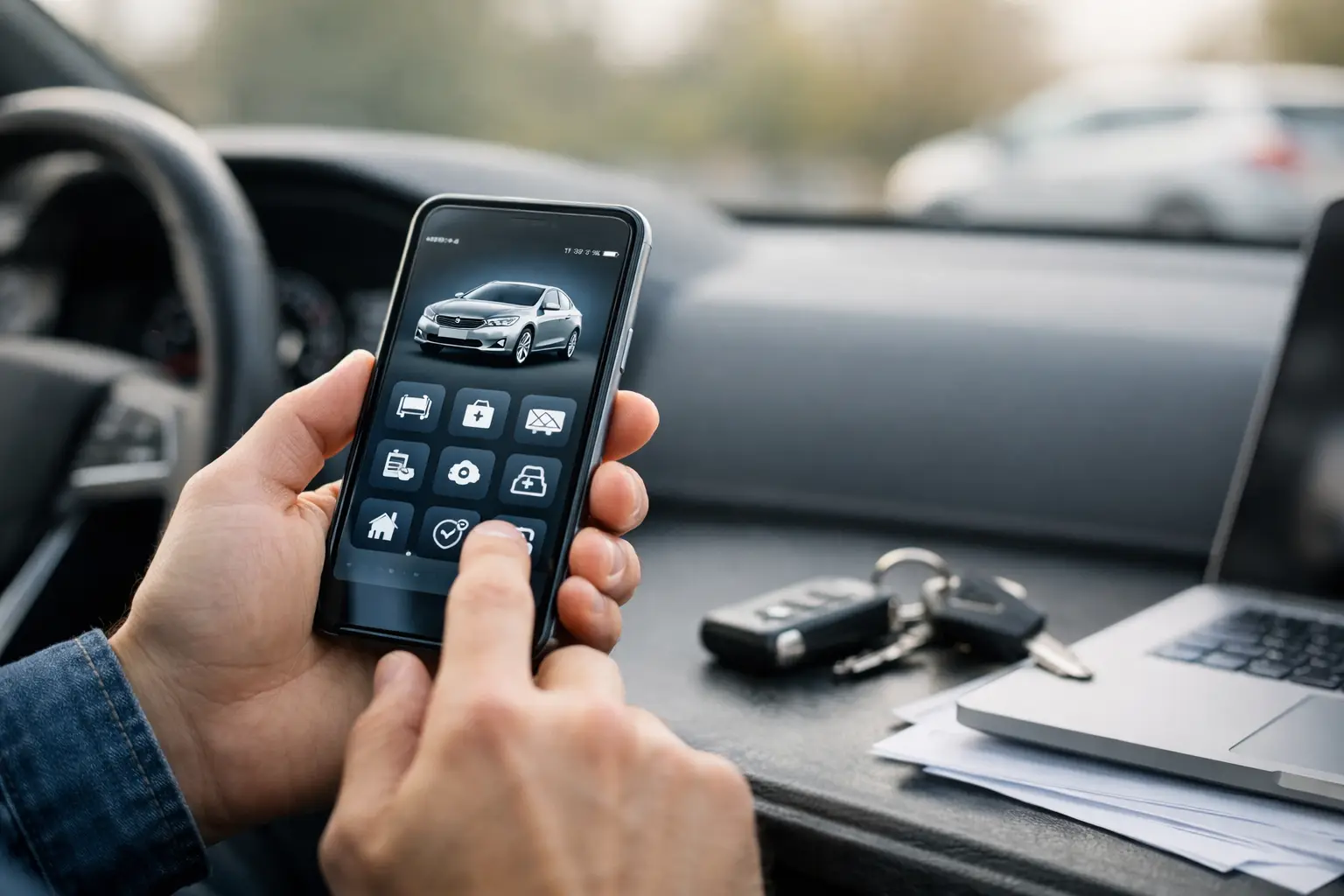
A bad ownership record usually shows up at the worst possible time. You are pricing out a sale, trying to remember when the brake fluid was last changed, or digging through old photos to prove which suspension parts went on the car. That is exactly where a solid vehicle ownership app review matters - not as a tech exercise, but as a way to protect your time, your money, and the story of the car itself.
For enthusiasts, a vehicle is rarely just transportation. It is a project, a long-term investment, a weekend escape, or the one thing in the garage you know bolt by bolt. That changes what a good app needs to do. A basic maintenance reminder might work for a commuter appliance. It falls short when you are tracking service intervals, aftermarket parts, receipts, labor costs, warranty details, and the history that gives a build credibility.
What a vehicle ownership app review should actually measure
Most apps in this category promise organization. That sounds good until you start using them and realize they only handle one slice of ownership well. Some are decent at reminders but weak on records. Others let you upload photos but do not make it easy to log real service history. A few look polished at first and become frustrating once you manage more than one vehicle.
A useful review should go deeper than whether the app opens quickly or has a clean interface. The real test is whether it helps you stay in control over the full ownership cycle. Can it track routine maintenance without turning every entry into a chore? Can it document modifications in a way that makes sense six months later, not just the day you install them? Can it preserve trust if you eventually hand the keys to a buyer?
That is the difference between a novelty app and a real ownership platform.
Maintenance tracking is the baseline, not the finish line
Every vehicle ownership app review should start with maintenance because missed service is expensive. Oil changes, tire rotations, filters, brake work, fluid services, and mileage-based intervals are the core jobs. If an app makes those tasks hard to log or hard to find later, it is already missing the mark.
But good maintenance tracking is not just a checklist. It should let you record dates, mileage, service type, notes, costs, and supporting documents without forcing a clunky workflow. If you do your own work, that flexibility matters even more. Enthusiasts often mix DIY jobs with shop visits, and the app should handle both without treating one like an afterthought.
Reminders also need nuance. Time-based reminders are useful. Mileage-based reminders are better. Manufacturer-style schedules are better still because they reflect how real ownership works. A garage queen that only sees 2,000 miles a year has different needs than a daily driver or track toy. The best apps understand that service timing depends on use, not just calendar dates.
A real app should track modifications like they matter
This is where generic ownership tools usually fall apart. They assume the car stays stock and that the only meaningful history is maintenance. Anyone who has built a car knows that is not reality.
A proper ownership app should let you log modifications with photos, part details, install dates, and total cost. Ideally, it should also make it easy to separate aesthetic changes from performance upgrades and supporting hardware. That matters when you are trying to remember whether the tune happened before or after the fuel system work, or whether the suspension refresh included top hats, mounts, and alignment specs.
This is not only for your own reference. It creates a record that gives the build structure. A messy folder of receipts does not tell a coherent story. A clean mod history does. Buyers notice the difference, and so do you when it is time to troubleshoot, maintain, or plan the next round of changes.
Cost tracking changes how you think about the car
A surprising number of apps avoid real cost tracking or hide it behind shallow summaries. That is a miss. Enthusiasts spend real money on maintenance and upgrades, and seeing that history in one place is useful whether you are trying to budget smarter or simply understand what the car has taken to keep right.
The right app does not just total everything into one scary number. It helps you understand where the money went. Maintenance, consumables, repairs, mods, and labor all tell different stories. A collector might care most about preservation costs. A project owner might want to measure progress. A family with multiple vehicles may just want visibility and fewer surprise expenses.
There is a trade-off here. Detailed cost logging takes a little discipline. If the app is too rigid, you stop using it. If it is too loose, the data loses value. The best tools strike a middle ground by making entry quick while still preserving enough detail to be useful later.
Document storage is more important than most reviews admit
Ownership history is only as strong as the proof behind it. Service entries are good. Service entries with receipts, warranty information, photos, and supporting notes are much better.
That is why document storage deserves more attention in any vehicle ownership app review. When records live across email, your phone camera roll, glovebox folders, and old texts with your mechanic, they are not really organized. They are scattered. A strong app should give you one place to keep invoices, registration-related documents, warranty paperwork, and photos tied to the right vehicle and event.
This becomes especially valuable over long ownership periods. Five years from now, you probably will not remember where you saved the receipt for that radiator, clutch kit, or ceramic coating package. If the app has it attached to the vehicle timeline, you do not have to.
Sharing and resale value are not extra features
For enthusiasts, history is part of the asset. A well-documented car earns more trust than a car with vague claims and missing paperwork. That applies whether you are selling a stock daily driver, a sorted project, or a modified performance car.
An app that supports shareable profiles or exportable history has a real advantage here. It gives you a clean way to present maintenance and build records without digging through screenshots and PDFs. It also helps separate serious sellers from people who say a lot and document very little.
There is an important balance, though. Public-facing sharing is great when you want to showcase a build, but not everyone wants every detail exposed. Good apps give you control over what stays private and what gets shared. That flexibility matters for both security and comfort.
Cross-device access is not optional anymore
Car ownership does not happen in one place. You log parts from the couch, upload receipts from the garage, check service records at the shop, and pull up mileage history when buying or selling. If an app only works well on one device, it creates friction you will feel almost immediately.
A strong platform should sync across web and mobile without making you think about it. That sounds basic, but it matters. An enthusiast with multiple vehicles, old receipts, and years of history cannot afford to wonder whether the latest entry saved correctly or whether the photo upload made it across devices.
This is also where cloud-based organization beats spreadsheets for many users. Spreadsheets can be powerful, but they get messy fast, especially when photos, documents, and multiple drivers enter the picture. If your system depends on remembering which file version is current, it is probably not a system you will trust under pressure.
The best vehicle ownership app review looks at long-term use
A lot of apps make a strong first impression because onboarding is smooth and the dashboard looks clean. The better question is whether the app still feels useful after a year. Long-term ownership creates edge cases - multiple sets of wheels, repeat services, old part numbers, changed plans, vehicle transfers, and layered histories from previous owners.
That is where enthusiast-focused platforms stand apart. They are built for the reality that cars evolve. A good example is CarJourney, which combines maintenance logging, mod tracking, reminders, document storage, and shareable build history in one garage-centered system. That kind of structure makes more sense than juggling separate tools for each part of ownership.
The point is not that every owner needs the most feature-rich app available. It depends on the car and on how you use it. If you own one lightly driven stock vehicle, a simpler tool might be enough. If you have a project car, a daily, or a household garage with mixed needs, the value of a more complete platform becomes obvious fast.
The best app is the one you will keep using because it makes ownership easier, cleaner, and more credible. When your records are organized, your reminders are accurate, and your build history is actually worth sharing, you are not just tracking a car. You are protecting everything that makes it yours.