 carjourney
From the CarJourney journal
5 Steps to Make a Used Car Look New
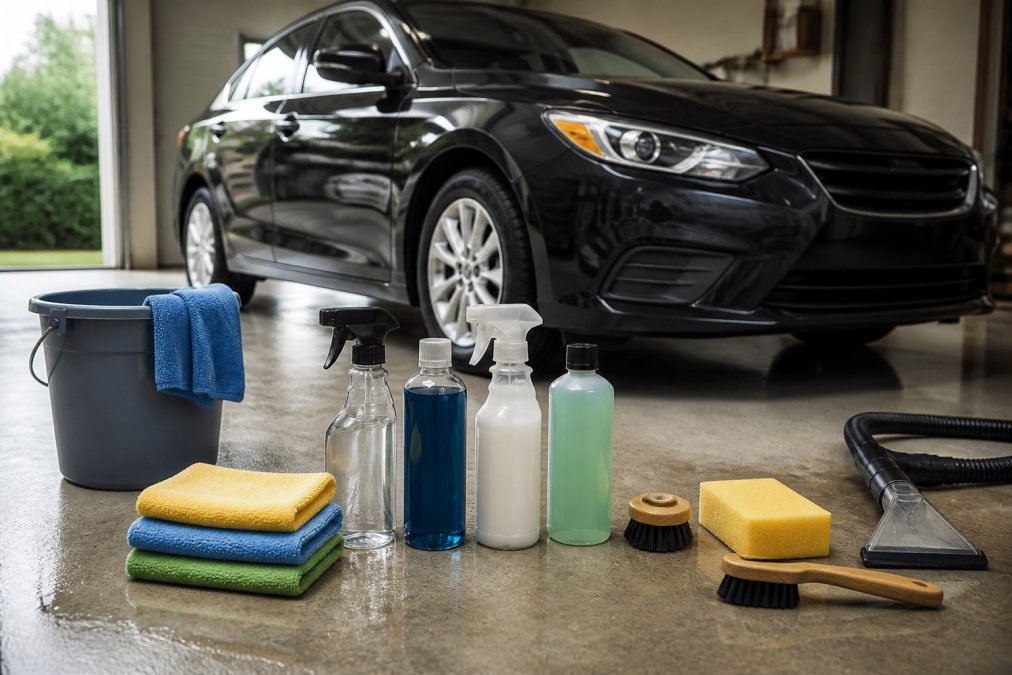
Table of Contents
- Step 1: Deep Clean the Exterior with Professional Washing Techniques
- Step 2: Restore Paint with Correction and Polishing
- Step 3: Revive Headlights and Restore Plastic Trim
- Step 4: Detail the Interior and Remove Odors
- Step 5: Finish Tires, Wheels, and Final Touches
- How to Prepare Your Car for Private Sale
- Best Car Detailing Products for Resale by Budget
- Benefits of Maintaining a Digital Service History for Resale
- Frequently Asked Questions
Last Updated: August 31, 2026
According to research from the International Detailing Association, 75% of car buyers would pay more for a professionally detailed vehicle. This guide from CarJourney covers the 5 steps to make a used car look new, strategies that can add thousands to your resale value. Professional detailing can increase vehicle resale value by 10-20%, translating to $1,000-1,500 additional dollars on a $10,000 vehicle, a return on investment exceeding 400%. Cars with clean interiors sell 20% faster, creating quicker turnover without compromising profit.
Below, we'll walk you through the exact steps to restore your car's appearance, from deep exterior cleaning through final detailing touches, plus the best products by budget tier and why maintaining a digital service history matters when selling.
Step 1: Deep Clean the Exterior with Professional Washing Techniques
The foundation of making a used car look new starts with a thorough exterior wash that removes surface contaminants, dirt, and oxidation that dull the paint.
Start by rinsing the entire vehicle with a pressure washer set to low pressure (1,200-1,500 PSI) to avoid damaging the clear coat. Follow with a two-bucket wash method: one bucket for soapy water and one for rinsing your microfiber mitt. This prevents dragging dirt across the paint, which causes swirl marks. Use pH-balanced car wash soap; household detergents strip protective waxes and damage the clear coat.
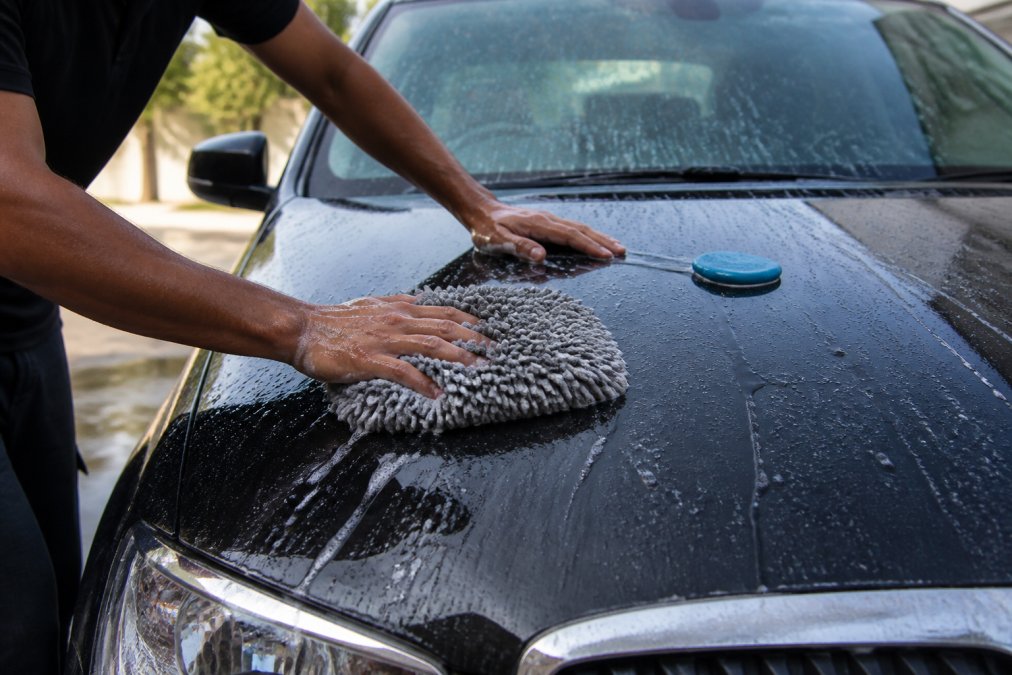
Work from top to bottom, rinsing your mitt frequently. After the initial wash, use a clay bar to remove embedded surface contaminants, tar, tree sap, industrial fallout, that soap alone won't lift. Dry the car completely with a clean microfiber towel to prevent water spots, which signal neglect to potential buyers. This deep clean prepares the paint for correction and polishing.
Step 2: Restore Paint with Correction and Polishing
Paint correction addresses damage that accumulates over years of driving: swirl marks, fine scratches, oxidation, and minor dents that catch light. This step separates a merely clean car from one that looks genuinely new.
Light swirl marks respond to a hybrid polish like Turtle Wax Hybrid Solutions Ceramic Polish & Wax, which removes light imperfections while adding ceramic protection in one step. For moderate to severe defects, use a compound first, Meguiar's Mirror Glaze Ultra-Cut Compound or Chemical Guys C4 Clear Cut Correction Compound are professional-grade options that aggressively cut through oxidation and deep scratches.
Apply compound or polish with a dual-action polisher in overlapping circular motions, working in 2-by-2-foot sections. The paint will transform noticeably as dull, oxidized areas regain clarity and gloss. After correction, apply a protective layer: automotive wax provides 2-4 months of protection, while ceramic sealants last 6-12 months and offer superior water beading and durability.
Step 3: Revive Headlights and Restore Plastic Trim
Headlight oxidation is one of the first things buyers notice. Hazy, yellowed headlights signal neglect and reduce perceived value far beyond the cost of restoration. Most oxidized headlights can be restored to clarity in 30 minutes using the right approach.
The Cerakote Ceramic Headlight Restoration Kit uses a 3-step process: oxidation-removing wipes, sanding, and ceramic coating application. This $19.95 investment restores headlight clarity without replacing the entire assembly, a $300-500 repair.
Plastic trim, door handles, mirror covers, window trim, often fades and cracks over time. Restore these surfaces using an interior detailer with UV protection like Ethos Interior Detailer, which cleans and protects plastic while leaving a natural, non-greasy finish. For severely cracked or broken trim, replacement is necessary; a single cracked mirror cover costs $30-80 to replace but dramatically improves appearance.
Step 4: Detail the Interior and Remove Odors
Interior condition often matters more than exterior appearance to used car buyers. A clean, fresh-smelling cabin signals proper maintenance and builds confidence in the vehicle's overall condition.
Start with thorough vacuuming using a shop vac with an upholstery attachment to extract dirt from carpets, under seats, and between cushions. Then shampoo carpets and upholstery using a product like Chemical Guys Interior Deep Clean Kit, which includes brushes and microfiber towels for application. upgrading automotive lighting.
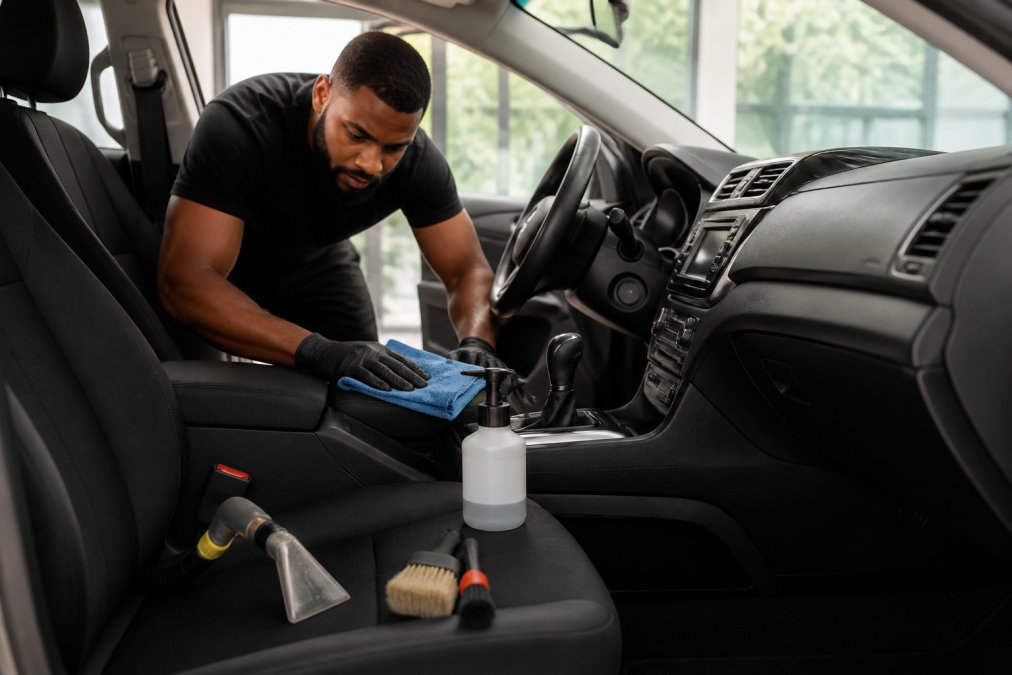
For stubborn odors, smoke, pet, or mildew, the Biocide Systems Auto Shocker ClO2 Odor Eliminator uses chlorine dioxide gas to neutralize odor molecules at their source. Seal the vehicle for 4-6 hours, and the gas penetrates all surfaces: carpets, upholstery, and AC systems. Clean the dashboard with an interior detailer that provides UV protection, and condition leather seats if present to prevent cracking. Clean windows inside and out using a streak-free glass cleaner.
Step 5: Finish Tires, Wheels, and Final Touches
Tires and wheels are the last things buyers examine. Dirty, dull wheels and faded tires immediately suggest neglect, even if the rest of the car is pristine.
Clean wheels thoroughly with a dedicated wheel cleaner using a soft-bristled brush to scrub brake dust and grime. Apply tire dressing to restore a rich black finish and protect rubber from UV damage. Avoid overly glossy products; a natural satin finish looks more factory-original. Apply a dashboard protectant for the final touch, restoring a finished appearance to the interior while protecting against UV fading.
How to Prepare Your Car for Private Sale
When selling privately, buyers expect transparency about maintenance history and condition. Gather all receipts and service records from the past 3-5 years, organized chronologically. Comprehensive records build confidence that the car has been properly cared for.
Consider using a digital garage tool like CarJourney to organize and present your vehicle's history. CarJourney's shareable build profiles allow you to create a transparent record of every service, modification, and maintenance milestone. Potential buyers can verify the car's condition history without needing to trust your word alone. This documented transparency often justifies a premium price and accelerates the sale process.
Take detailed photos of the car from multiple angles: exterior, interior, engine bay, and undercarriage. Include close-ups of key areas: paint, headlights, upholstery, and wheels.
Best Car Detailing Products for Resale by Budget
The products you choose depend on your budget and the severity of your car's condition.
Budget-Friendly Options
Focus on essentials: a quality car wash soap, a hybrid polish, and a tire dressing. Turtle Wax Hybrid Solutions Ceramic Polish & Wax ($15) combines light correction with ceramic protection in one step, ideal for cars with minor swirl marks. The Cerakote Ceramic Headlight Restoration Kit ($19.95) is essential if your headlights show yellowing or haze.
Total budget-friendly spend: $35-50 for core exterior detailing products.
Mid-Range Professional Products
With a mid-range budget of $100-150, address more significant paint damage and interior condition. Meguiar's Mirror Glaze Ultra-Cut Compound ($20) handles moderate to heavy swirl marks. The Chemical Guys Interior Deep Clean Kit ($69.99) includes everything needed for thorough interior detail. The Biocide Systems Auto Shocker ClO2 ($24.95) addresses stubborn smells that impact buyer perception.
Total mid-range spend: $115-140 for comprehensive detailing.
Professional-Grade Solutions
Professional detailers use Chemical Guys C4 Clear Cut Correction Compound ($24.99) for severe paint defects. Professional-grade equipment like a power scrubber accelerates the process and achieves results matching professional detail shops.
| Product | Price | Best For | Application Time |
|---|---|---|---|
| Turtle Wax Hybrid Polish & Wax | $15 | Light swirl marks, DIY users | 30-45 minutes |
| Meguiar's Ultra-Cut Compound | $20 | Moderate to heavy scratches | 45-60 minutes |
| Chemical Guys C4 Compound | $24.99 | Severe defects, rotary polisher | 60+ minutes |
| Cerakote Headlight Kit | $19.95 | Yellowed headlights | 30 minutes |
| Chemical Guys Interior Kit | $69.99 | Complete interior detail | 2-3 hours |
| Biocide Systems Odor Eliminator | $24.95 | Persistent odors | 4-6 hours treatment |
Benefits of Maintaining a Digital Service History for Resale
The resale value of your car depends on buyer confidence in the vehicle's mechanical condition. A documented service history is proof of that maintenance. According to Manheim Consulting research, every dollar pumped into reconditioning and certification yields sellers $2.27 in return, on average, a 227% return on investment.
When you maintain a detailed digital record of every service, repair, and modification, you're building a resale asset. CarJourney simplifies this process by centralizing all maintenance records, gas mileage logs, and modification tracking in one shareable profile. Instead of handing a buyer a stack of receipts, you can share a professional-looking digital history that proves the car's care. This documentation often accelerates the sale process and commands a premium compared to cars with incomplete records.
Pro Tip Start maintaining a digital service history now, even if you're not planning to sell soon. Every receipt and service interval adds value to your vehicle. The longer the documented history, the more confidence buyers have in the car's condition.A digital service history also helps you stay ahead of maintenance intervals with reminders tied to both time and mileage, ensuring you never miss critical services. This proactive approach prevents expensive repairs and keeps your vehicle in peak condition.
Making a used car look new requires a systematic approach: deep cleaning the exterior, correcting paint imperfections, restoring headlights and trim, detailing the interior, and finishing with tires and wheels. These steps are investments in resale value and buyer confidence.
The real advantage comes when you pair this physical restoration with documented proof of maintenance. CarJourney helps you organize and share that proof, turning scattered receipts into a shareable build profile that buyers trust. Start tracking your vehicle's history today, and when it's time to sell, you'll have the transparency and documentation that justifies a premium price.
=== FAQ ANSWERS (audit these too, same rules) ===
[1] Q: How much can professional detailing increase a car's resale value? A: Professional detailing can increase resale value by 10-20%, translating to $1,000-$1,500 on a $10,000 vehicle. A typical professional detail costs $150-$300, creating a return on investment exceeding 400% in many cases. Research shows 75% of buyers would pay more for a professionally detailed vehicle, and detailed cars retain up to 45% more of their original value compared to those without professional treatment.
[2] Q: What's the best way to prepare your car for private sale? A: Start by deep cleaning the exterior with a clay bar and microfiber mitt to remove surface contaminants. Address paint correction and scratches using appropriate compounds. Restore headlights, clean the engine bay, and detail the interior thoroughly. Replace worn-out floor mats and seat covers if needed. Most importantly, maintain a digital service history documenting all maintenance and repairs, this proof of care is one of the strongest selling points and can justify a premium price with buyers.
[3] Q: Are DIY detailing products effective, or should I hire a professional? A: DIY products work well for regular maintenance and light correction. Budget-friendly options like Turtle Wax Hybrid Solutions are ideal for touch-ups, while mid-range products like Meguiar's compounds handle moderate scratches and swirl marks. For severe oxidation, deep paint correction, or professional-grade results before a sale, professional detailing or professional-grade kits deliver better outcomes. The cost-benefit analysis favors DIY for ongoing maintenance but professional service for pre-sale preparation.
[4] Q: How does a digital maintenance log help when selling a used car? A: A digital service history proves consistent care and transparency to potential buyers, building trust and justifying premium pricing. Platforms like CarJourney create shareable build profiles documenting every service, repair, and modification with timestamps and photos. This verifiable record differentiates your vehicle from competitors, addresses buyer concerns about hidden problems, and can speed up the sale process.
Frequently Asked Questions
How much can professional detailing increase a car's resale value?
Professional detailing can increase resale value by 10-20%, translating to $1,000-$1,500 on a $10,000 vehicle. A typical professional detail costs $150-$300, creating a return on investment exceeding 400% in many cases. Research shows 75% of buyers would pay more for a professionally detailed vehicle, and detailed cars retain up to 45% more of their original value compared to those without professional treatment.
What's the best way to prepare your car for private sale?
Start by deep cleaning the exterior with a clay bar and microfiber mitt to remove surface contaminants. Address paint correction and scratches using appropriate compounds. Restore headlights, clean the engine bay, and detail the interior thoroughly. Replace worn-out floor mats and seat covers if needed. Most importantly, maintain a digital service history documenting all maintenance and repairs, this proof of care is one of the strongest selling points and can justify a premium price with buyers.
Are DIY detailing products effective, or should I hire a professional?
DIY products work well for regular maintenance and light correction. Budget-friendly options like Turtle Wax Hybrid Solutions are ideal for touch-ups, while mid-range products like Meguiar's compounds handle moderate scratches and swirl marks. For severe oxidation, deep paint correction, or professional-grade results before a sale, professional detailing or professional-grade kits deliver better outcomes. The cost-benefit analysis favors DIY for ongoing maintenance but professional service for pre-sale preparation.
How does a digital maintenance log help when selling a used car?
A digital service history proves consistent care and transparency to potential buyers, building trust and justifying premium pricing. Platforms like CarJourney create shareable build profiles documenting every service, repair, and modification with timestamps and photos. This verifiable record differentiates your vehicle from competitors, addresses buyer concerns about hidden problems, and can speed up the sale process.
Start freeThis article was written using GrandRanker