 carjourney
From the CarJourney journal
Car Overhauling: Complete Guide to Engine Restoration
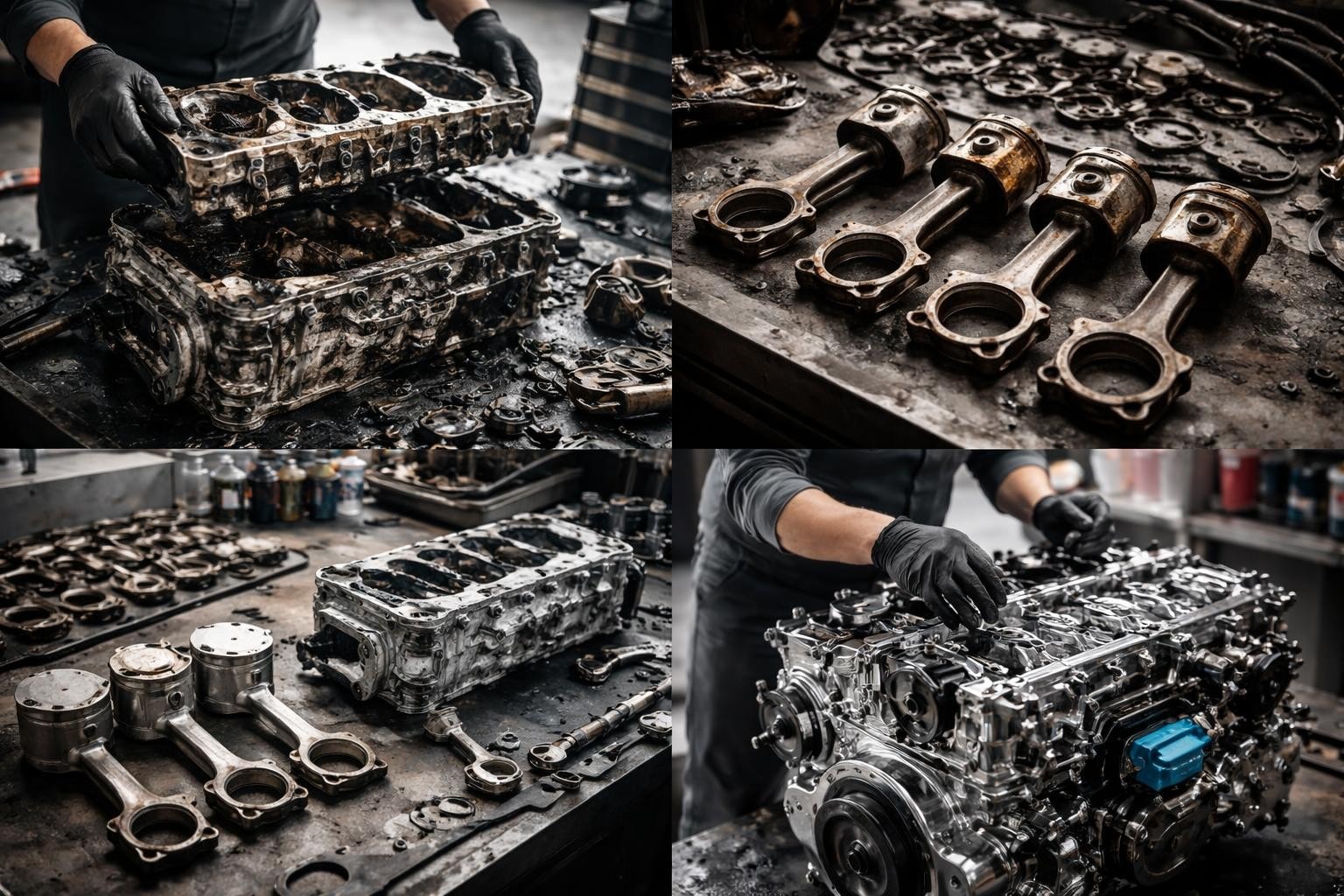
Car overhauling represents one of the most comprehensive maintenance procedures a vehicle can undergo, restoring performance and extending the lifespan of engines that have accumulated significant mileage or experienced mechanical failure. This intensive process involves completely disassembling major components, inspecting each part for wear or damage, replacing worn elements, and reassembling everything to factory specifications. Whether you're considering an overhaul for your daily driver or a project car, understanding the full scope of this procedure helps you make informed decisions about your vehicle's future and budget accordingly for this significant investment.
Understanding Car Overhauling and Its Purpose
Car overhauling goes far beyond routine maintenance or minor repairs. This comprehensive restoration process targets the core mechanical systems of your vehicle, primarily focusing on the engine but potentially extending to transmissions and other major components. The goal is to return these systems to near-original performance levels by addressing cumulative wear that occurs over hundreds of thousands of miles.
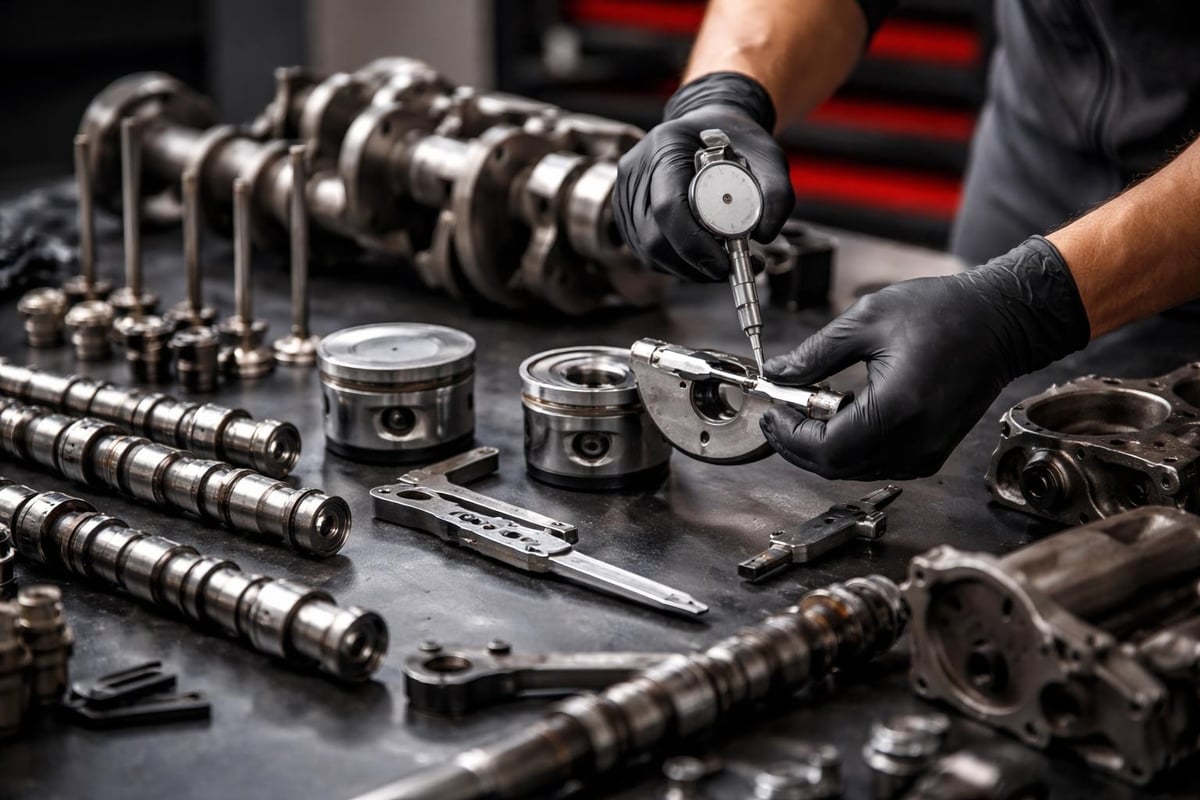
When mechanics perform a car overhauling procedure, they systematically dismantle the engine block, removing pistons, crankshafts, camshafts, and valves. Each component undergoes thorough inspection and measurement to determine whether it can be reused, reconditioned, or must be replaced entirely. This meticulous approach ensures that every element contributing to engine performance receives appropriate attention.
Why Vehicles Require Overhauls
Several indicators suggest your vehicle might benefit from car overhauling. Excessive oil consumption often signals worn piston rings or valve seals that allow oil to enter the combustion chamber. Blue smoke from the exhaust reinforces this diagnosis, indicating oil burning during combustion.
Loss of compression in one or more cylinders dramatically affects performance and fuel efficiency. When cylinder walls wear down or piston rings lose their sealing ability, the engine cannot generate proper compression ratios. This manifests as rough idling, difficulty starting, reduced power output, and increased fuel consumption.
Unusual engine noises provide another critical warning sign. Knocking sounds might indicate worn bearings, while rattling could suggest timing chain issues or valve train problems. Understanding these symptoms helps you determine whether your vehicle needs professional evaluation before minor issues become catastrophic failures.
The Complete Overhaul Process Explained
The car overhauling journey begins with comprehensive diagnostics to confirm the necessity of this major service. Mechanics perform compression tests, leak-down tests, and visual inspections to document the engine's current condition and identify specific problem areas requiring attention during the rebuild.
Disassembly and Initial Inspection
The engine overhaul process starts with careful removal of the engine from the vehicle, though some mechanics perform in-frame overhauls when circumstances permit. Complete disassembly follows a specific sequence to prevent damage and ensure proper documentation of component positions.
Every bolt, gasket, and seal gets cataloged as technicians strip the engine down to its bare block. This systematic approach prevents reassembly errors and helps identify all components requiring replacement. Digital photography during disassembly proves invaluable for reference during the rebuild phase.
The cylinder block receives particular scrutiny during initial inspection. Mechanics measure cylinder bore diameter at multiple points to assess taper and out-of-round conditions. These measurements determine whether cylinders can be honed and reused with standard pistons or require boring to accommodate oversized replacements.
Cleaning and Machining Operations
Professional car overhauling demands thorough cleaning of all components before detailed inspection can proceed. Parts washers, ultrasonic cleaners, and specialized solvents remove carbon deposits, oil residue, and contamination accumulated over the engine's operating life.
Following cleaning, machine work begins on components requiring reconditioning:
- Cylinder boring brings cylinders back to perfect roundness and removes taper
- Deck resurfacing ensures the block's top surface remains perfectly flat for proper head gasket sealing
- Crankshaft grinding removes scoring from bearing journals and restores proper dimensions
- Valve seat cutting renews valve seating surfaces for optimal compression
- Connecting rod reconditioning ensures proper big-end bearing bore dimensions
Modern machine shops utilize precision equipment capable of measuring tolerances in thousandths of an inch. This accuracy proves essential because even minor deviations from specifications can cause premature failure or poor performance after reassembly.
Components Typically Replaced During Overhauls
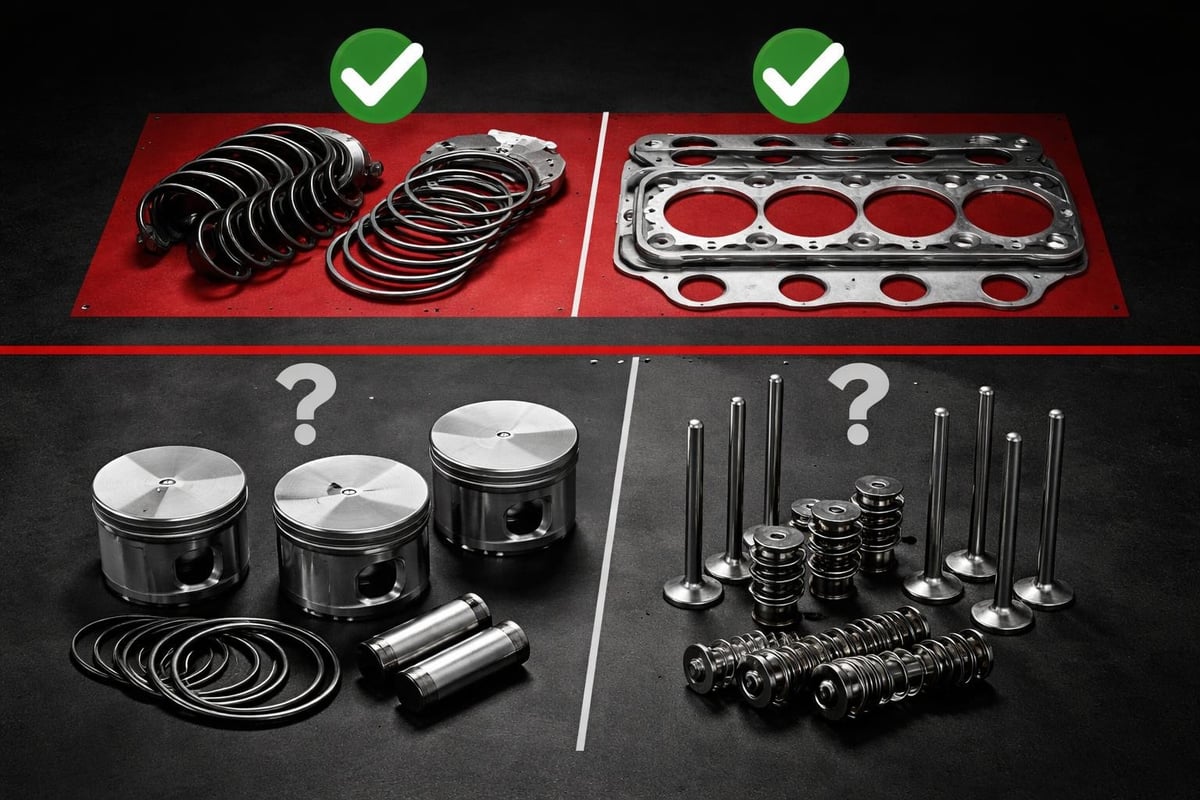
Certain engine components always receive replacement during car overhauling, regardless of their apparent condition. Gaskets and seals represent consumable items that cannot be reused once removed, as compression and heat permanently alter their sealing properties.
| Component Category | Standard Practice | Typical Cost Range |
|---|---|---|
| Piston Rings | Always Replace | $200-$500 |
| Main Bearings | Always Replace | $150-$400 |
| Rod Bearings | Always Replace | $100-$300 |
| Timing Chain/Belt | Always Replace | $150-$600 |
| Oil Pump | Often Replace | $100-$400 |
| Water Pump | Often Replace | $75-$300 |
Critical Wear Items
Piston rings deteriorate from constant friction and combustion heat, losing their ability to properly seal against cylinder walls. New rings prove relatively inexpensive compared to overall overhaul costs, making replacement a logical choice that ensures optimal compression and oil control.
Bearings throughout the engine-including main bearings supporting the crankshaft and rod bearings connecting pistons to the crank-wear from millions of rotations. These precision components operate with oil film thicknesses measured in microns, making any surface imperfection problematic for longevity.
The timing system drives critical valve operation, and any wear here risks catastrophic interference between pistons and valves. Modern engines utilize either timing chains that stretch over time or timing belts that deteriorate from heat exposure. Replacement during overhaul eliminates a common failure point.
Cost Considerations and Budgeting
Car overhauling represents a significant financial commitment, with total costs varying dramatically based on vehicle make, engine type, and required machining operations. Understanding these expenses helps you budget appropriately and evaluate whether overhauling makes economic sense compared to engine replacement or vehicle replacement.
Basic overhaul costs for common four-cylinder engines typically range from $2,500 to $4,000, including parts and labor. V6 engines increase complexity and cost, usually falling between $3,500 and $5,500. V8 and performance engines can easily exceed $6,000 to $10,000 for comprehensive rebuilds with quality components.
Breaking Down Overhaul Expenses
Labor represents the largest single expense category in most car overhauling projects. Skilled technicians require 20 to 40 hours to properly disassemble, inspect, clean, reassemble, and test an engine. Shop rates between $100 and $150 per hour mean labor alone can account for $2,000 to $6,000 of the total bill.
Parts costs vary based on component quality and sourcing decisions:
- OEM (Original Equipment Manufacturer) parts provide guaranteed fit and quality but carry premium pricing
- Aftermarket performance components may exceed OEM costs but offer improved durability or power
- Standard aftermarket replacement parts balance cost savings with acceptable quality
- Remanufactured components like cylinder heads can reduce expenses while maintaining reliability
Machining operations add several hundred to over a thousand dollars depending on necessary work. Simple honing and valve grinding costs less than cylinder boring, crankshaft grinding, and head resurfacing combined.
Planning for a comprehensive car maintenance budget that includes potential major services helps prevent financial surprises. While regular maintenance documented through an auto maintenance tracker can extend the intervals between major services, eventually wear makes overhaul or replacement inevitable for high-mileage vehicles.
Finding Qualified Overhaul Specialists
Selecting the right professional for car overhauling critically impacts both the quality of work and long-term reliability of your restored engine. Finding qualified craftsmen requires research beyond simple online reviews, though those certainly provide valuable starting points for evaluation.
ASE (Automotive Service Excellence) certification in engine repair demonstrates that technicians have passed standardized testing and possess verified knowledge. Look specifically for ASE Master Technician credentials or specialty certifications in engine performance and machine work.
Evaluating Shop Capabilities
Not every repair facility possesses the equipment or expertise for comprehensive car overhauling. Many general repair shops outsource machine work to specialized engine rebuilding shops, adding coordination complexity and potential quality control issues. Shops with in-house machining capabilities often deliver faster turnaround and better accountability.
Request tours of the facility to observe equipment condition and cleanliness. Professional shops maintain organized workspaces with proper storage for disassembled components. Modern measuring equipment, torque wrenches, and specialized tools indicate investment in quality outcomes.
Ask about warranty coverage for overhaul work. Reputable shops typically offer 12-month or 12,000-mile warranties on comprehensive rebuilds, demonstrating confidence in their workmanship. Understand what the warranty covers-some exclude failures from customer-supplied parts or modified operating conditions.
DIY Overhaul Considerations for Enthusiasts
Some dedicated car enthusiasts undertake car overhauling projects themselves, attracted by potential cost savings and the satisfaction of personally restoring their engines. This approach demands realistic assessment of your mechanical skills, available tools, workspace, and time commitment before beginning disassembly.
Successful DIY overhauls require access to specialized equipment you may not own. While you can disassemble and reassemble engines with standard tools, proper torque wrenches, micrometers, bore gauges, and ring compressors prove essential for quality results. Machine work always requires professional services unless you've invested tens of thousands in precision equipment.
Knowledge and Documentation Requirements
Modern engines incorporate sophisticated engineering that demands precise assembly procedures. Manufacturer repair manuals provide critical torque specifications, assembly sequences, and tolerance measurements that generic guides cannot replicate. Investing in factory service information prevents costly mistakes.
Finding reliable car maintenance information becomes even more crucial when attempting major repairs. Online forums and YouTube videos offer valuable insights but vary dramatically in accuracy. Cross-reference multiple sources and prioritize information from certified technicians or official manufacturer documentation.
Documenting your overhaul process through photographs and notes helps during reassembly and creates valuable records for future reference. If you're tracking modifications or performance upgrades alongside the overhaul, maintaining comprehensive vehicle logs ensures you remember specific component choices and assembly details years later.
For car enthusiasts managing multiple projects or vehicles, keeping detailed records of such extensive work becomes essential. Tools designed to help you track modifications and maintenance make it easier to document every aspect of an overhaul, from parts sourcing to assembly torque values.

Overhaul Alternatives Worth Considering
Car overhauling isn't always the most practical solution for engine problems. Several alternatives deserve consideration based on your vehicle's value, your long-term ownership plans, and the specific nature of mechanical issues.
Complete Engine Replacement
Installing a remanufactured or used engine often costs less than comprehensive overhaul while potentially offering better warranties. Remanufactured engines from reputable suppliers undergo factory-level rebuilding with updated components that address known weaknesses in original designs. These engines typically carry warranties of 36 months or 100,000 miles, exceeding typical overhaul coverage.
Used engines salvaged from low-mileage vehicles present another option, particularly for older or less common cars where remanufactured engines aren't readily available. Prices vary widely based on mileage and source, but installation costs remain similar to overhaul labor rates.
The decision matrix looks like this:
| Option | Typical Cost | Downtime | Warranty | Best For |
|---|---|---|---|---|
| Full Overhaul | $3,000-$7,000 | 1-3 weeks | 12 months | High-value vehicles, enthusiast builds |
| Remanufactured Engine | $2,500-$5,000 + installation | 3-5 days | 36+ months | Daily drivers, reliability focus |
| Used Engine | $800-$3,000 + installation | 2-4 days | Limited or none | Budget constraints, older vehicles |
| Short Block Assembly | $1,800-$4,000 | 1-2 weeks | Varies | Cylinder block damage, time savings |
Quality Assurance and Post-Overhaul Break-In
Quality assurance measures separate professional car overhauling from amateur attempts. Proper shops verify every critical measurement against manufacturer specifications, using precision instruments to confirm clearances, torque values, and component alignment before declaring work complete.
Initial startup after overhaul represents a critical moment requiring careful monitoring. Technicians watch oil pressure gauges closely, listening for unusual sounds and checking for leaks. The first few minutes of operation reveal whether assembly procedures were properly executed.
Breaking In Your Overhauled Engine
Newly overhauled engines require specific break-in procedures to ensure piston rings properly seat against cylinder walls. This process typically spans 500 to 1,000 miles and demands attention to operating conditions that promote proper wear patterns.
Modern break-in philosophy has evolved from earlier practices. While old-school mechanics advocated gentle driving during initial hundreds of miles, current understanding suggests varied engine loads actually improve ring seating. This doesn't mean aggressive driving, but rather avoiding constant speeds and light throttle conditions that prevent rings from developing proper contact.
Key break-in practices include:
- Varying engine speed regularly rather than maintaining constant RPM
- Avoiding sustained high-RPM operation above 4,000 RPM initially
- Using moderate acceleration that creates cylinder pressure for ring seating
- Performing the first oil change at 500 miles to remove metal particles
- Checking oil consumption carefully during the first 1,000 miles
Monitor your overhauled engine carefully during break-in, watching for warning signs like excessive oil consumption, unusual noises, or cooling system issues. Address any concerns immediately rather than hoping they'll resolve themselves.
Long-Term Maintenance After Overhaul
Successfully completing car overhauling doesn't guarantee trouble-free operation without proper ongoing maintenance. Your restored engine deserves the same attention to service intervals that helps new vehicles reach high mileage without major issues.
Oil change intervals become particularly important for overhauled engines. While modern synthetic oils can safely extend drain intervals to 7,500 or even 10,000 miles in normal operation, freshly rebuilt engines benefit from more frequent changes initially. Plan for oil changes at 500, 1,500, 3,000, and 5,000 miles during the first year of operation.
Quality oil and filters matter more after overhaul than at any other time. Precision-machined surfaces and tight tolerances demand proper lubrication to prevent premature wear. Invest in high-quality synthetic oils meeting or exceeding manufacturer specifications, and use premium filters with appropriate micron ratings.
Tracking yearly car maintenance costs helps you budget for the increased service attention your overhauled engine deserves. While the overhaul itself represents a major expense, proper maintenance afterward protects that investment and maximizes the additional years you'll extract from your restored vehicle.
Cooling system maintenance becomes equally critical. Overhaul procedures typically include new water pumps and thermostats, but the radiator and hoses require inspection. Flushing the cooling system and installing fresh coolant prevents corrosion and ensures optimal temperature regulation for your rebuilt engine.
Documentation and Record Keeping Best Practices
Comprehensive documentation of car overhauling work provides multiple benefits beyond simple record-keeping. Detailed service records demonstrate care and maintenance when selling vehicles, potentially increasing resale value. For enthusiast builds, documentation helps troubleshoot issues years later when memory of specific assembly details fades.
Professional shops should provide itemized invoices listing all replaced components, machining operations performed, measurements taken, and clearances verified. Request copies of machine shop work orders showing actual cylinder bore sizes, crankshaft journal measurements, and head resurfacing amounts. These numbers prove invaluable if future work becomes necessary.
Photograph the overhaul process extensively, capturing component condition before work, machined surfaces, and critical assembly steps. Modern smartphones make this documentation effortless, and cloud storage ensures you'll never lose these valuable reference images.
Creating a comprehensive car maintenance plan that incorporates your overhaul documentation alongside routine service records provides a complete vehicle history. This integrated approach helps you track exactly when major work occurred and plan future maintenance around those milestones.
For vehicles undergoing performance modifications alongside overhaul work, maintaining detailed logs of component specifications helps you remember exactly what's installed. Knowing whether you used standard or oversized pistons, what camshaft profile was selected, or which bearing clearances were established proves essential for future tuning or repair decisions.
Car overhauling represents a major commitment that can extend your vehicle's useful life by hundreds of thousands of miles when executed properly. Understanding the complete process, realistic costs, and ongoing maintenance requirements helps you make informed decisions about whether overhauling makes sense for your situation. Whether you're preserving a beloved daily driver or building an enthusiast project, CarJourney provides the digital tools you need to document every aspect of your overhaul journey, track modifications, and maintain comprehensive service records that protect your investment for years to come.