 carjourney
From the CarJourney journal
Essential Car Maintenance Tracking Features: A 2026 Guide
Table of Contents
- What Are Essential Car Maintenance Tracking Features?
- Feature Comparison Table: Top Maintenance Tracking Tools
- Service Reminders and Automated Alerts
- Best Car Maintenance Apps for Complete Records
- Car Maintenance Schedule Checklist: What to Track
- How to Track Car Maintenance: Step-by-Step Setup
- Vehicle Service History Template: Documentation That Matters
- Resale Value and Data Security: Why Tracking Matters
Last Updated: July 15, 2026
What Are Essential Car Maintenance Tracking Features?
Understanding essential car maintenance tracking features is critical for vehicle longevity and resale value. Vehicle owners who systematically document maintenance records maintain higher resale values and avoid costly emergency repairs. A comprehensive tracking system captures service intervals, cost history, parts replaced, and modifications made, creating proof of proper care when you sell the vehicle.
Pro Tip The best tracking systems tie reminders to both time-based intervals (every 6 months) and mileage-based thresholds (every 5,000 miles). This dual approach prevents you from missing critical services, especially if you drive inconsistently.A well-maintained service history can justify a 5-10% premium at resale and demonstrates to potential buyers that you've invested in the vehicle's health. Beyond resale value, tracking features help you spot patterns like fuel economy trends that signal mechanical issues and manage the true cost of ownership.
Feature Comparison Table: Top Maintenance Tracking Tools
| Tool | Free Tier | Best For | Standout Feature |
|---|---|---|---|
| CarJourney | Yes | Automotive enthusiasts | AI-powered logs + shareable build profiles |
| Fuelly | Yes (free) | Fuel economy tracking | Community fuel efficiency comparisons |
| AutoCare+ | Yes (freemium) | DIY mechanics | VIN-based predictive scheduling |
| ARBA Auto | Yes (free) | Visual expense tracking | Data visualization and EV efficiency |
| Vehicle Maintenance Log | Yes (free) | Simple digital logbook | Photo attachments for receipts |
| Fleetio | No | Professional fleets | Enterprise-grade work orders |
Service Reminders and Automated Alerts
Automated reminders are the difference between staying on schedule and missing critical maintenance windows. The most effective systems include both time-based and mileage-based notifications that adapt to your driving patterns.
Time-Based vs. Mileage-Based Reminders
Time-based reminders trigger on calendar intervals, every 6 months, regardless of miles driven. Mileage-based reminders fire at specific odometer readings: 5,000 miles for oil changes, 30,000 miles for transmission fluid checks. The best systems use both simultaneously, alerting you when either threshold approaches first.
Modern tracking platforms pull manufacturer recommendations automatically via VIN decoding, eliminating the need to search your owner's manual for correct service schedules.
Watch Out Ignoring mileage-based reminders is a common mistake. Oil degrades over time, not just from engine use. Missing these intervals can void warranties and cause internal engine damage.Best Car Maintenance Apps for Complete Records
CarJourney: AI-Powered Logs and VIN-Based Setup
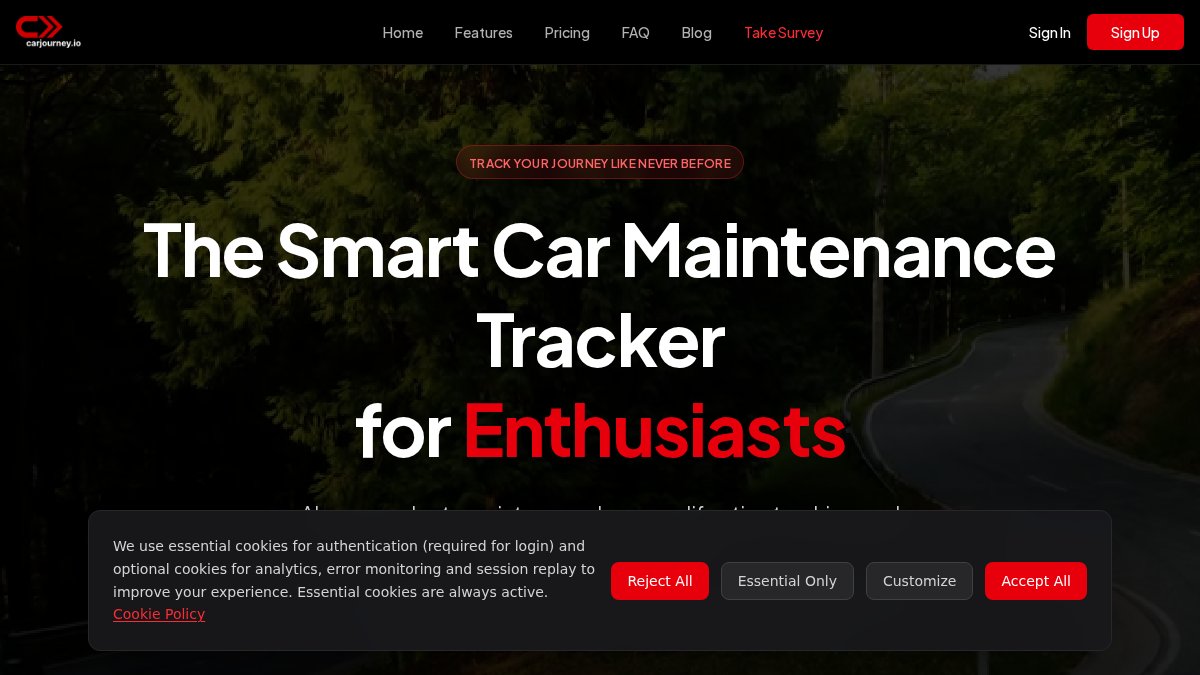
CarJourney stands out for automotive enthusiasts who want to track maintenance alongside modifications. The platform uses AI-powered logs that learn from your records and ask intelligent questions about your vehicle history. VIN-based setup automatically populates your vehicle specifications, eliminating manual data entry.
The shareable build profile feature is unique: you generate a complete vehicle history that buyers can access, proving every service and upgrade performed. This transparency directly impacts resale value. Reminders tie to both time and mileage intervals, adapting to your actual driving patterns.
Fuelly: Fuel Economy and Service History Combined
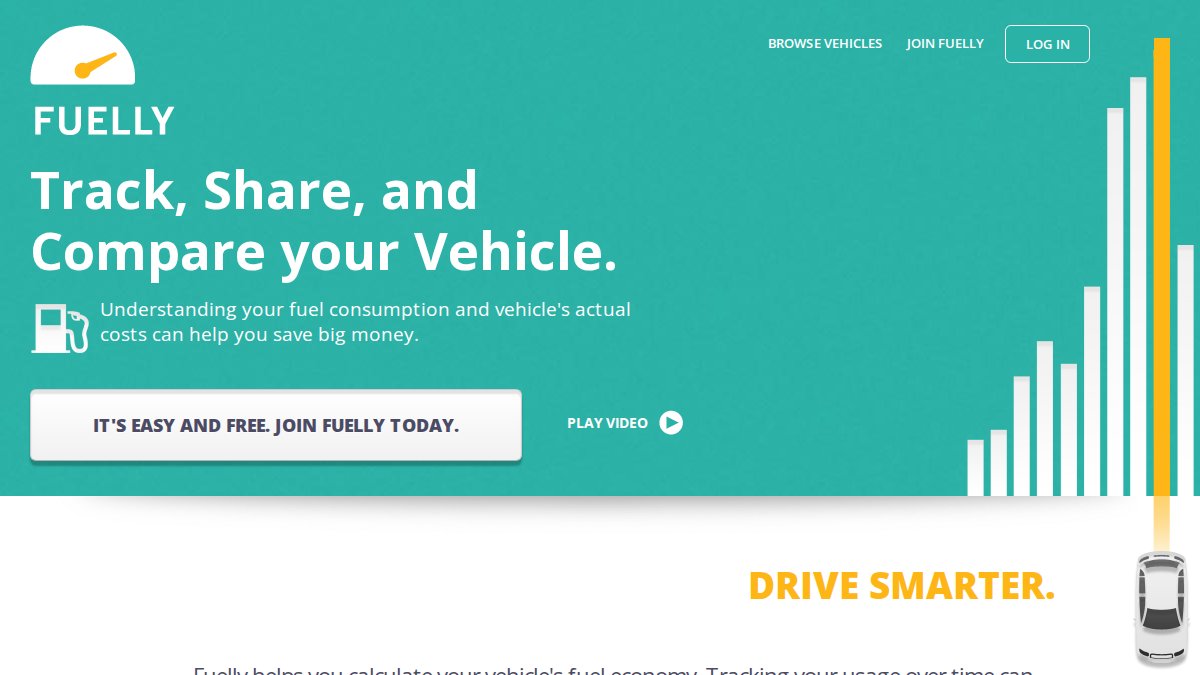
Fuelly excels at tracking MPG trends over time, serving as an early warning system for mechanical problems. When fuel economy drops unexpectedly, it often signals issues like a failing oxygen sensor or misaligned wheels. The service logbook lets you record maintenance alongside fuel fills, creating a comprehensive vehicle health picture.
The community aspect is strong, compare your vehicle's efficiency against similar models owned by other Fuelly users to reveal whether your car is performing normally.
AutoCare+: Predictive Maintenance Scheduling
AutoCare+ uses a predictive mileage algorithm that learns your driving habits and forecasts when services will be due. If you typically drive 1,500 miles per month, the app calculates that a 5,000-mile oil change will occur in approximately 3.3 months and alerts you accordingly.
VIN decoding pulls your vehicle's exact specifications from manufacturer databases. The predictive approach is particularly useful for irregular drivers whose traditional reminders become unreliable.
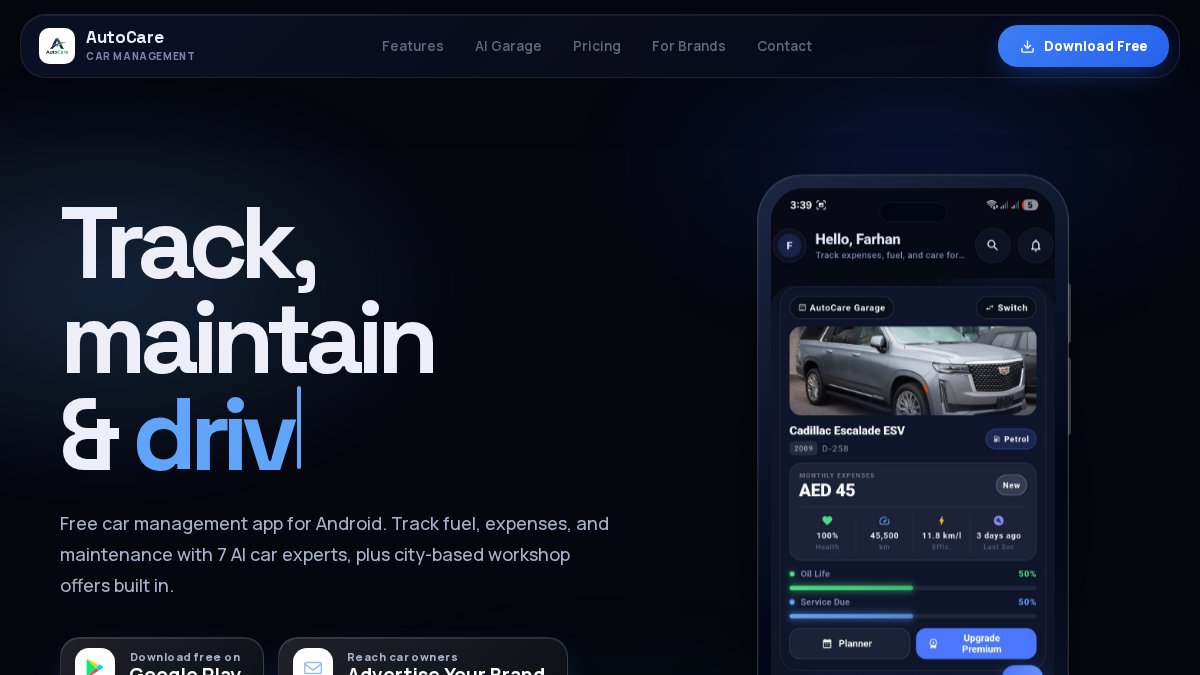
ARBA Auto: Data Visualization and Expense Tracking
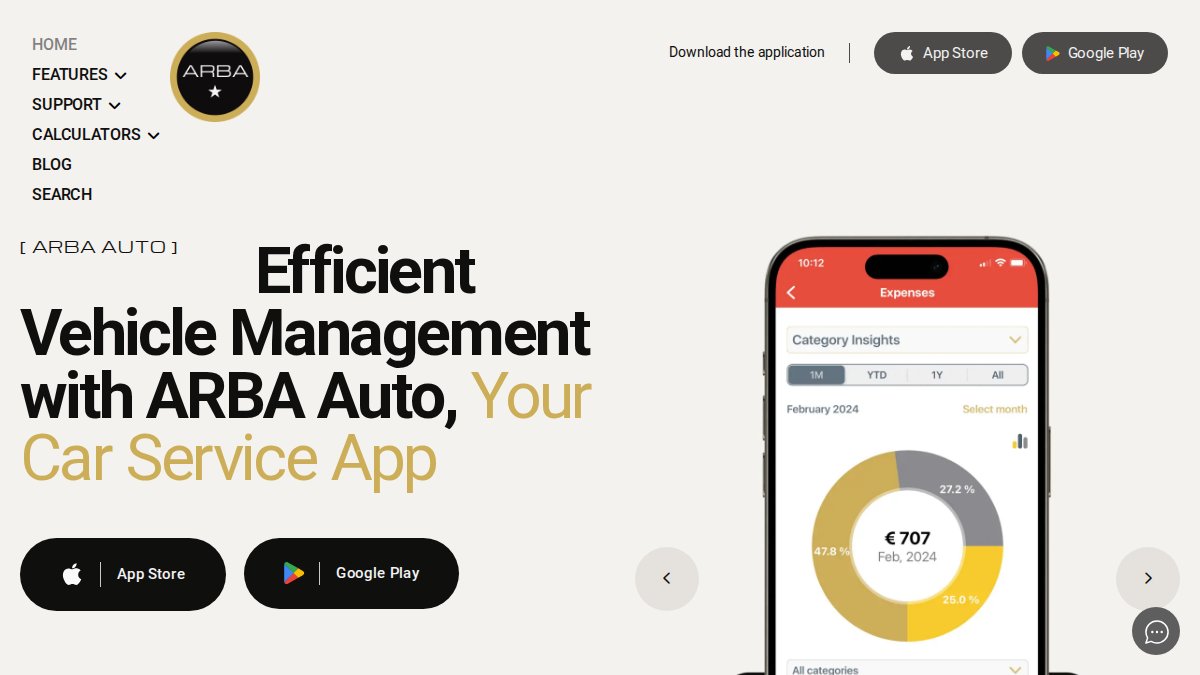
ARBA Auto emphasizes visual reporting of your vehicle's running costs, generating graphs showing spending trends by category: fuel, maintenance, repairs, and insurance. The app supports both traditional gasoline vehicles and electric vehicles, calculating efficiency metrics for each.
Car Maintenance Schedule Checklist: What to Track
A comprehensive maintenance checklist ensures you never miss a critical service.
Oil Changes and Fluid Levels
Oil changes are typically due every 5,000-7,500 miles or 6 months. Track the date, mileage, oil type, and filter replacement. Beyond oil, track other critical fluids: coolant, transmission fluid, brake fluid, and power steering fluid, each with its own service interval.
Key Takeaway Fluid condition matters as much as fluid level. Discolored or burnt-smelling oil indicates the service is overdue. Tracking systems with photo attachments let you document fluid condition visually, creating evidence of proper maintenance.Tire Rotation, Pressure, and Brake Inspection
Tire rotation every 5,000-7,000 miles extends tire life by 15-20%. Track rotation dates and which tires moved to which positions. Brake pad thickness should be inspected annually or every 15,000 miles. When pads reach 2-3mm thickness, they're near replacement.
Coolant Flushes and Preventative Maintenance
Coolant flushes typically occur every 30,000-50,000 miles. Track the flush date, coolant type, and any issues found. Vehicles with documented preventative maintenance schedules experience 40% fewer unexpected breakdowns than those without systematic tracking.
How to Track Car Maintenance: Step-by-Step Setup
Setting up a comprehensive maintenance tracking system takes 15-20 minutes initially, then requires just 2-3 minutes per service to maintain.
Step 1: Capture Your Vehicle Identification Number (VIN)
Your VIN is a 17-character code that identifies your vehicle uniquely. Most modern tracking apps use VIN decoding to automatically populate your vehicle's specifications, engine type, transmission, and manufacturer recommendations.
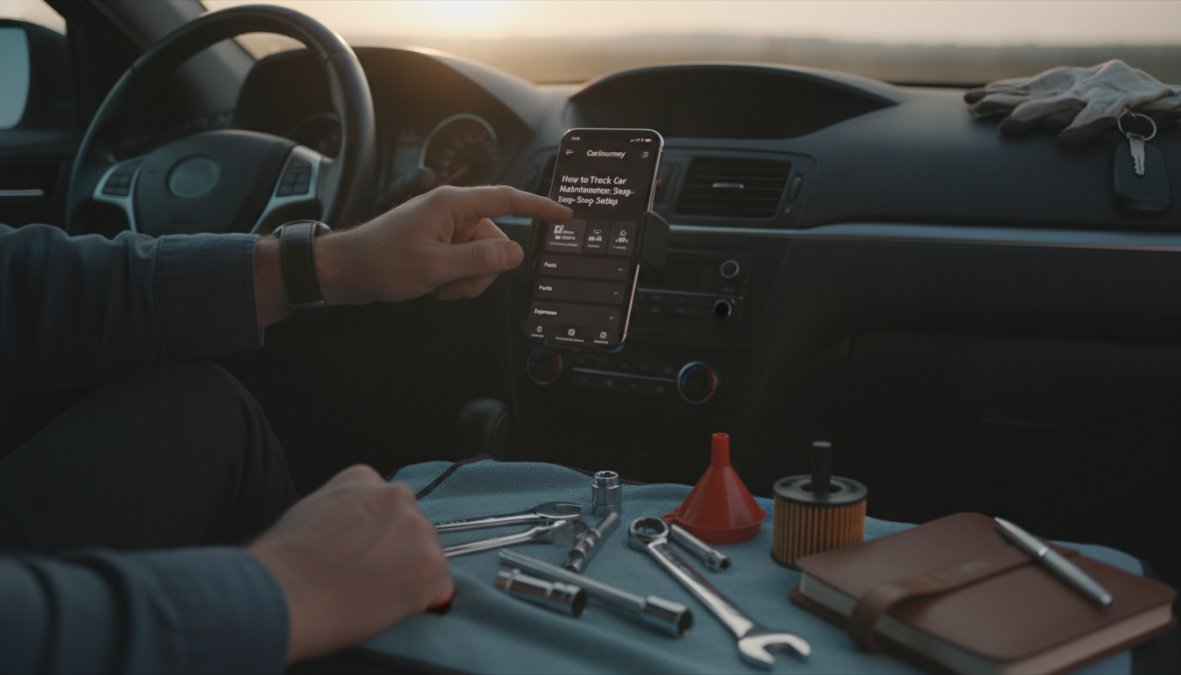
Enter your VIN into your chosen tracking platform. The system queries manufacturer databases and returns your vehicle's exact specifications, eliminating guesswork about service intervals.
Step 2: Log Your Service History and Maintenance Records
Gather all maintenance records from your vehicle's past, including dealer service records, independent mechanic receipts, and any DIY work. Enter each service with the date, mileage, service type, cost, and notes about issues found or parts replaced.
This historical data creates a complete ownership record for resale and helps the tracking system understand your vehicle's maintenance patterns.
Step 3: Set Up Service Intervals Based on Manufacturer Guidelines
Once your VIN is decoded, the tracking system displays your vehicle's recommended service intervals. Confirm these match your owner's manual. Set up automated reminders for each service interval using your preferred notification method: email, SMS, push notification, or in-app alerts.
Vehicle Service History Template: Documentation That Matters
Each service entry should contain:
- Date of service - The exact date the work was performed
- Mileage at service - The odometer reading when you brought the vehicle in
- Service type - Specific work performed (e.g., "Oil and filter change," "Tire rotation")
- Service provider - The mechanic, dealership, or technician who performed the work
- Parts replaced - Specific parts and their part numbers if available
- Cost - Total cost of the service, broken down by parts and labor if possible
- Notes - Any issues found or unusual observations
This level of detail transforms a maintenance log into legal proof of proper vehicle care. When you sell the vehicle, a buyer seeing "Oil change, 45,000 miles, Mobil 5W-30, OEM filter, $65" is far more confident than seeing "Oil change, $65."
The best tracking systems store data in the cloud, accessible from any device, and allow you to download your complete service history as a PDF or CSV for permanent backup.
Resale Value and Data Security: Why Tracking Matters
Documented maintenance directly impacts your vehicle's resale value. Vehicles with complete service records command 5-10% higher prices than identical vehicles without documentation. A comprehensive service history reduces buyer uncertainty about maintenance history and responsible ownership.
This trust translates directly to negotiating power. Instead of a buyer offering a discount to account for unknown maintenance risks, they offer closer to market value. For vehicles with significant resale value, this difference can amount to thousands of dollars.
Data Privacy and Offline-First Functionality
Your maintenance records contain sensitive information: driving patterns, home address, and financial data. Choose tracking platforms that encrypt data both in transit and at rest, use secure authentication, and never share information with third parties.
Watch Out Avoid tracking platforms that sell anonymized driving data to insurance companies or third-party analytics firms. Choose platforms with explicit commitments to never monetize user data.Key Takeaways for Effective Maintenance Tracking
The most effective essential car maintenance tracking features combine automated reminders, comprehensive record-keeping, and data accessibility. Time-based and mileage-based reminders ensure you never miss critical services. VIN-based setup eliminates manual configuration. Cloud synchronization makes your records available whenever you need them.
For automotive enthusiasts and serious vehicle owners, CarJourney provides a complete solution with AI-powered logging, shareable build profiles that prove maintenance to future buyers, and unlimited tracking capacity. Documented maintenance protects your investment and maximizes resale value, the cost of neglected maintenance far exceeds the time required to track it properly.
Frequently Asked Questions
What should I track for car maintenance?
Track oil changes, tire rotations, brake inspections, fluid levels, service intervals, and major repairs. Document the date, mileage, cost, and service provider for each entry. Include preventative maintenance like coolant flushes and air filter replacements. Keep receipts and photos of work performed. This comprehensive service history proves vehicle care to potential buyers and helps you stay ahead of essential maintenance needs.
Does tracking car maintenance increase resale value?
Yes. A documented vehicle service history significantly increases buyer confidence and resale value. Buyers view well-maintained vehicles as lower-risk purchases. Using a maintenance tracking app or template creates a shareable build profile that proves your vehicle's care timeline. This transparency justifies higher asking prices and accelerates sales. Digital records are more credible than verbal claims about past service.
What are the best car maintenance apps for tracking service records?
Top options include CarJourney (AI-powered logs with VIN-based setup), Fuelly (fuel economy and service combined), AutoCare+ (predictive maintenance scheduling), and ARBA Auto (expense tracking with data visualization). Each offers unique strengths: CarJourney excels at shareable build profiles, Fuelly focuses on community comparisons, AutoCare+ predicts when services are due, and ARBA Auto provides detailed cost reports. Choose based on whether you prioritize resale documentation, fuel tracking, or expense analysis.
How do I keep a record of my car maintenance using a digital logbook?
Start by entering your vehicle identification number (VIN) into your chosen app, most platforms decode this automatically to populate specifications. Log each service with the date, mileage, cost, and service type. Attach photos of receipts or work performed. Set up service reminders tied to both time intervals and mileage thresholds. Export your records as PDF or CSV for resale documentation. Cloud synchronization ensures your maintenance history is accessible across devices and protected as backup.
What maintenance tracking features prevent costly repairs?
Automated service reminders and preventative maintenance schedules prevent costly repairs by keeping you on track with oil changes, tire rotations, and fluid flushes. Mileage-based alerts trigger maintenance before problems develop. Diagnostic trouble code (DTC) tracking via OBD-II scanner integration helps identify issues early. Regular documentation of service intervals ensures you don't miss critical preventative care. Fuel economy tracking can signal mechanical problems, sudden drops in MPG indicate potential engine issues requiring professional mechanic attention.
Get started with CarJourney and build a maintenance history that protects your vehicle's value. The platform's AI-powered logs, VIN-based setup, and shareable build profiles simplify tracking while creating the documentation that buyers trust. Start free today.
This article was written using GrandRanker