 carjourney
From the CarJourney journal
How to Budget Car Upgrades Without Stalling Your Build
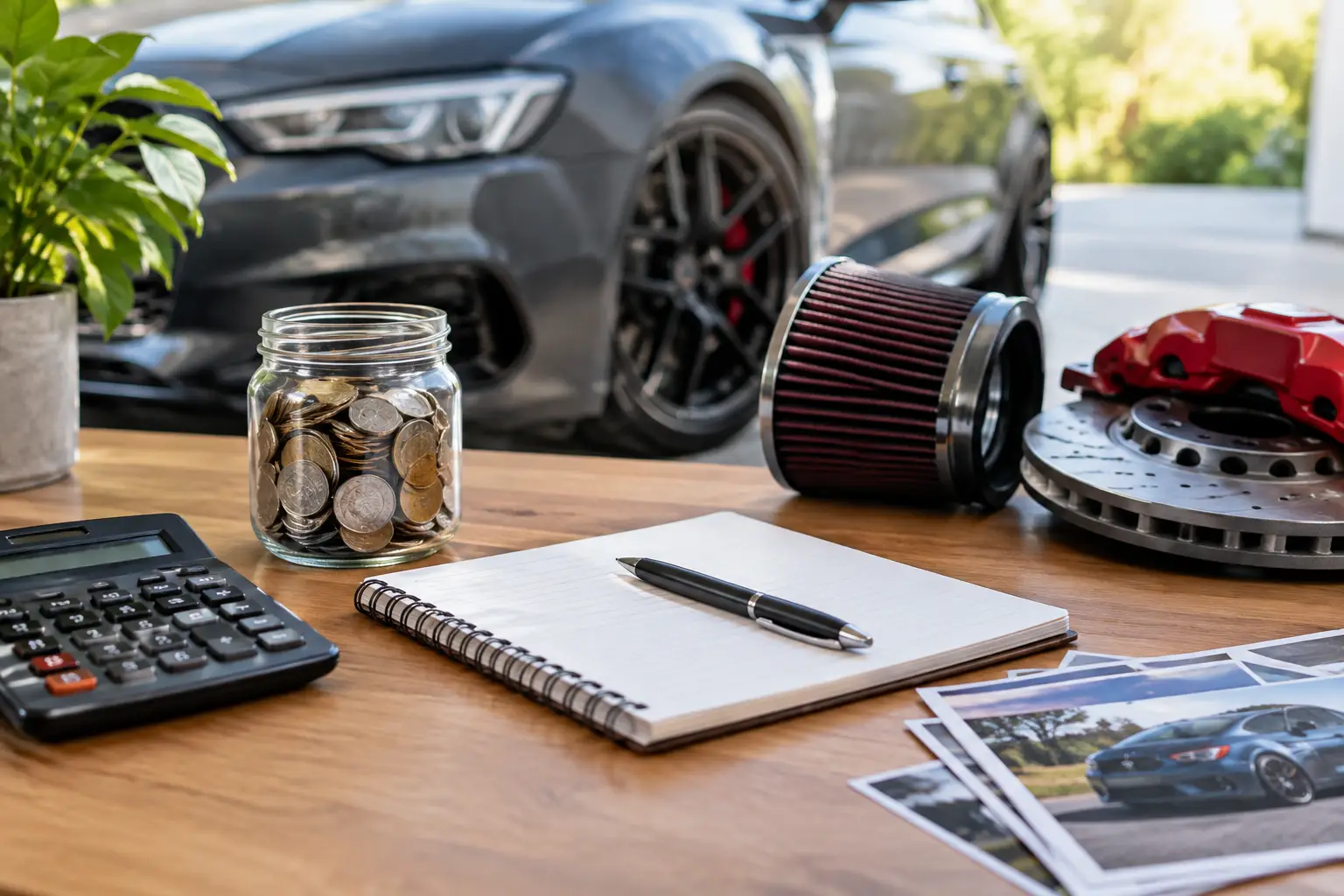
A $400 part rarely stays a $400 upgrade. Add shipping, tax, installation, supporting parts, tuning, alignment, fluids, and the occasional broken bolt, and a quick purchase can turn into a budget problem. Learning how to budget car upgrades keeps your build moving forward without turning your car into an unfinished project or putting routine maintenance on the back burner.
The goal is not to remove the fun from modifying your vehicle. It is to give every dollar a job, protect the reliability you depend on, and build a history you can be proud to show later.
Start With the Car You Actually Have
Before pricing wheels, power adders, suspension, or appearance upgrades, get clear on your car's current condition. A build plan only works when the foundation is solid. If you are overdue for tires, brakes, fluids, a timing service, or diagnostic work, those items belong ahead of performance and cosmetic parts.
This does not mean every car needs to be perfect before you personalize it. It means you should understand the real condition of the vehicle before committing money it may need elsewhere. A cold air intake is easier to enjoy when you are not wondering whether the check-engine light or worn rear brakes are waiting to empty the same account.
Start by separating expenses into three buckets: required maintenance, reliability repairs, and wanted upgrades. Maintenance covers predictable work such as oil changes and filters. Reliability repairs address known issues, leaks, worn components, or warning lights. Upgrades are the changes that improve performance, looks, sound, comfort, or capability.
When those categories are mixed together, it is easy to call everything part of the build. Keeping them separate gives you a more honest picture of what your vehicle costs to own and modify.
Set a Build Goal Before You Buy Parts
A budget needs a destination. “Make it better” is not a useful plan because every product page can feel like a good idea. Define what you want the vehicle to do and how you want it to feel.
For a daily driver, the best first upgrades may be tires, brakes, lighting, maintenance, and modest suspension improvements. For a weekend canyon car, you might prioritize tires, alignment, brake fluid, pads, and driver training before adding horsepower. For a show-focused build, paint correction, wheels, fitment, and interior details may matter more than lap times.
Write one clear build statement: “I want a dependable, street-friendly turbo hatch that can handle occasional track days,” or “I want a clean OEM-plus truck for road trips and towing.” That statement becomes a filter for every purchase. If a part does not support it, it can wait.
A focused plan also protects you from buying the same category twice. Many owners install an entry-level suspension kit, then replace it months later after deciding they really wanted adjustable coilovers. Buying once can cost more upfront, but buying twice is usually worse.
Build a Realistic Upgrade Budget
Your modification budget should be separate from your household essentials, debt payments, emergency savings, and vehicle maintenance reserve. A car is supposed to add enjoyment, not financial pressure.
Choose a monthly amount that you can spend consistently. For some owners, that may be $100 per month. For others, it may be $500 or more. The number matters less than making it realistic and repeatable. A smaller build fund that grows every month is more useful than an ambitious plan funded by impulse purchases.
Then split that amount between a general upgrade fund and a contingency fund. A practical starting point is to reserve 15% to 25% of each project budget for the unexpected. Older vehicles, custom fabrication, forced induction, and jobs that require major disassembly deserve an even larger buffer.
For example, if your target is a $2,000 suspension refresh, do not stop at the advertised kit price. Your full budget may include springs or coilovers, mounts, hardware, installation, an alignment, replacement control arms or bushings discovered during the work, and sales tax. A $2,000 parts list can easily become a $3,000 project.
Price the Whole Job, Not Just the Part
The fastest way to blow a build budget is to price only the headline item. Every upgrade has an installed cost, and the parts around it often determine whether the finished result is safe, reliable, and enjoyable.
Before purchasing, list the complete project cost. Include the part, shipping, tax, consumables, tools, labor, tuning, calibration, alignment, fluids, and any required supporting modifications. If you plan to do the work yourself, account for the tools you need and the cost of correcting a mistake if the job goes sideways.
Supporting modifications are especially important for performance builds. More power can demand better tires, cooling, fueling, clutch capacity, braking, drivetrain components, and a proper tune. The affordable first step may create a chain of necessary spending afterward.
That does not make the upgrade a bad choice. It simply means the real question is not “Can I afford this part?” It is “Can I afford to finish this system properly?”
How to Budget Car Upgrades in Stages
Staging a build gives you control. Instead of chasing a long list of parts at once, divide the project into complete phases that leave the vehicle safe and usable between purchases.
A sensible performance-oriented sequence often starts with baseline maintenance and tires, then moves to brakes and suspension, followed by power and tuning. The exact order depends on the vehicle and your goal. A truck built for off-road use may need protection, recovery points, tires, and suspension before power. A collector car may need preservation work and documentation before any modification at all.
Each phase should have a defined cost ceiling and a stopping point. “Install wheels and tires, then get an alignment” is a complete phase. “Buy wheels now and figure out tires later” is how cars end up sitting on jack stands.
Use milestones to keep the plan honest. Do not start the next phase until the current one is paid for, installed, tested, and documented. If a repair interrupts the plan, pause without guilt. The project is not failing. You are protecting the car and the budget that will keep the build alive long term.
Track Every Dollar and Every Part
Receipts scattered across email, text messages, marketplace chats, and glove boxes make it hard to know what you have actually spent. They also make it harder to troubleshoot, maintain, insure, or sell the vehicle later.
Track the purchase date, part number, price, mileage at installation, labor cost, warranty details, and photos for every meaningful upgrade. Log related service at the same time. If you install new wheels, record the tire size, torque specifications, alignment details, and any spacers or fitment notes. That information saves time when you rotate tires, replace components, or answer a buyer's questions years from now.
A centralized record also shows whether your spending matches your goals. CarJourney can help keep modifications, costs, receipts, photos, and service history in one place, so your build history remains useful instead of becoming a pile of forgotten invoices.
Documentation will not always return every dollar you spend on modifications. Most aftermarket parts depreciate, and highly personalized builds can narrow the buyer pool. But organized records build trust. A buyer can see that the vehicle was cared for, that parts were installed thoughtfully, and that maintenance did not disappear once the build started.
Know When Used Parts Save Money and When They Create Risk
Used parts can stretch a budget, especially for wheels, body parts, interiors, OEM components, and bolt-on upgrades from reputable brands. But a low purchase price is only a win when you can verify condition, fitment, and completeness.
Be more cautious with safety-critical and wear-sensitive items. Unknown brake components, damaged wheels, old tires, questionable harnesses, heavily used turbochargers, and suspension parts with hidden wear can cost more after inspection, rebuilding, or replacement. If the part needs rebuilding, price that work before you call it a deal.
For any used purchase, factor in missing hardware, shipping, refinishing, and the possibility that it does not fit as described. The best deal is not the cheapest listing. It is the one that gets installed correctly without creating a second project.
Keep a Maintenance Reserve After Every Upgrade
A modified car still needs oil changes, tires, brakes, registration, insurance, and repairs. In some cases, it needs them more often. Lowered suspension can increase tire wear if alignment is neglected. Added power can shorten the life of driveline components. Track use changes the service schedule entirely.
Keep a maintenance reserve even when you are in the middle of a build. A simple rule is to avoid spending your entire available car fund on upgrades. Leave enough to handle the next routine service and at least one likely repair. The amount depends on the age, mileage, and complexity of your vehicle, but the habit matters at every budget level.
The best builds are rarely the ones with the largest parts pile. They are the cars that keep running, keep improving, and carry a clear record of the care behind every upgrade. Set the next realistic milestone, fund it fully, and enjoy the drive while the next phase takes shape.