 carjourney
From the CarJourney journal
How to Check Car Fluids for Beginners
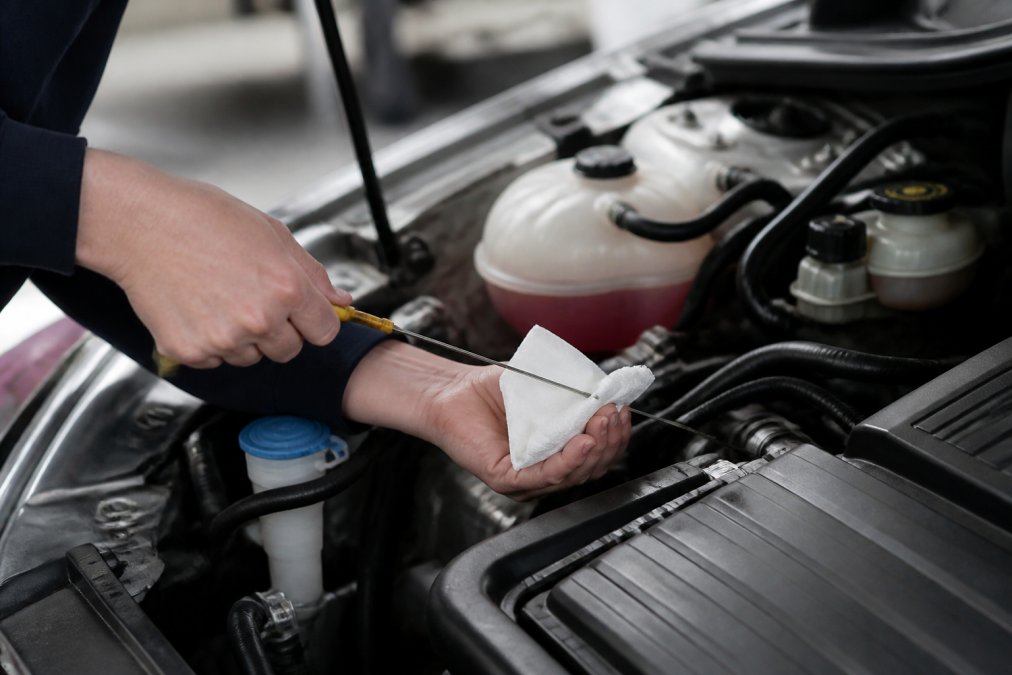
Table of Contents
- Why Checking Car Fluids Matters for Beginners
- What You'll Need: Tools and Safety Gear
- How to Check Engine Oil Level
- How to Check Coolant Level Safely
- Checking Brake Fluid, Transmission Fluid, and Power Steering Fluid
- How to Read Car Dashboard Warning Lights
- Car Maintenance Checklist for Beginners
- Common Mistakes to Avoid When Checking Fluids
- Frequently Asked Questions
Last Updated: September 1, 2026
Checking your car's fluids regularly is one of the simplest ways to prevent expensive repairs down the road. According to a 2024 survey by JCT600, 33% of car owners don't know how to check brake fluid, and 9% can't check oil levels or tire pressure. Yet many of these drivers could avoid costly breakdowns with just 10 minutes of basic maintenance each month. This guide from CarJourney walks you through how to check car fluids for beginners, covering everything from engine oil to coolant, so you can keep your vehicle running smoothly and build a reliable maintenance history.
Why Checking Car Fluids Matters for Beginners
Your car's fluids are its lifeblood. Engine oil lubricates moving parts, coolant prevents overheating, brake fluid powers your stopping system, and transmission fluid keeps gears shifting smoothly. Without regular checks, these critical systems degrade silently until something fails, often at the worst possible moment.
According to FinanceBuzz's 2023 survey, 46% of drivers have paid for repairs they believe could have been prevented with better maintenance. Checking fluids isn't just about topping them off, it's about catching problems early. Dark, burnt-smelling oil signals engine stress. Murky brake fluid indicates moisture contamination. Coolant that's low despite no visible leaks points to a slow seep that'll become a blowout if ignored.
You don't need a mechanic's license to do this. With the right tools and a few minutes under the hood, you can stay ahead of maintenance schedules and document every check in a maintenance log. Tools like CarJourney make tracking these routine checks automatic, so you never miss an interval and have proof of care when it matters, like when you sell your vehicle.
Pro Tip Check your fluids monthly and before any long road trip. Most issues caught early cost pennies to fix; caught late, they cost hundreds.What You'll Need: Tools and Safety Gear
Gather these essentials before you pop open the hood. Most items cost under $20 combined and you'll use them repeatedly.
Essential tools:
- Flashlight or headlamp
- Clean rags or paper towels
- Gloves (nitrile or mechanics gloves)
- Safety goggles (optional but recommended)
- Funnel (if topping off fluids)
- Owner's manual
Your owner's manual is the most important tool. It tells you exactly where each reservoir is located, what type of fluid your car uses, and the correct fill levels.
Never check fluids on a running engine; let it cool for at least five minutes after driving. Hot coolant and oil can cause serious burns. Wear gloves and goggles, especially around brake fluid, which is caustic and can damage paint.
How to Check Engine Oil Level
Engine oil lubricates every moving part in your engine. Low oil causes friction that leads to catastrophic engine damage.
Step 1: Prepare your vehicle. Park on level ground and wait five minutes after driving so the oil settles. This gives you an accurate reading.
Step 2: Locate the dipstick. Open your hood and look for a yellow or orange handle sticking up from the engine bay. Pull it straight out.
Step 3: Wipe and reinsert. Use a clean rag to wipe the dipstick completely. Reinsert it fully until it clicks or seats completely.
Step 4: Check the level. Pull it out again and look at where the oil reaches. There are two marks: the "full" mark and the "low" mark. Your oil should be between them, ideally at or near the full mark.
Step 5: Top off if needed. If the level is low, unscrew the oil cap on top of the engine (marked with an oil can symbol), insert a funnel, and add the recommended oil type in small amounts. Check again with the dipstick after each addition.
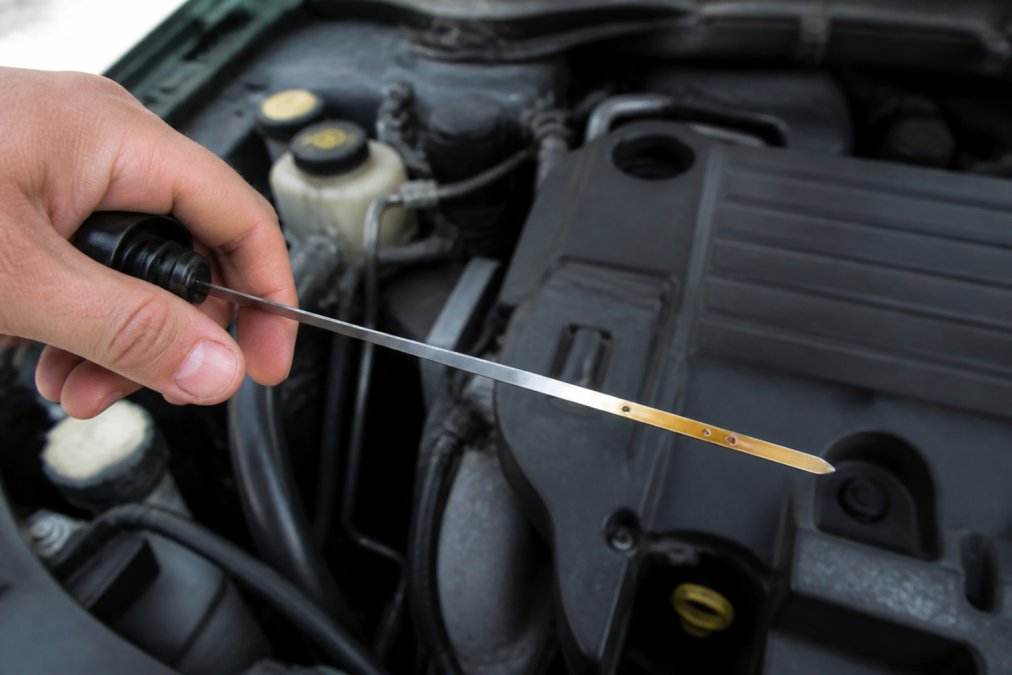
Frequency: Check monthly and before long trips. According to [recent 2026 guidance on car maintenance(/blog/car-maintenance-checklist-essential-steps) | vertexaisearch.cloud.google.com], beginners should check engine oil at least monthly, and every two weeks for older cars or those with high mileage.
Watch Out Never ignore a low oil warning light on your dashboard. Driving with low oil, even for short distances, can cause permanent engine damage costing thousands to repair.How to Check Coolant Level Safely
Coolant prevents your engine from overheating and freezing. It circulates through the engine and radiator in a closed loop, so it rarely needs topping off unless there's a leak. A low coolant level often signals a problem that needs attention.
Step 1: Let the engine cool completely. Coolant systems are pressurized, and opening a hot reservoir can spray boiling liquid on you. Wait at least 30 minutes after driving.
Step 2: Locate the coolant reservoir. It's usually a translucent plastic tank on the side of the engine bay, clearly labeled with a coolant or water symbol. Look for "full" and "low" marks on the outside.
Step 3: Check the level visually. In most modern cars, you can read the level without opening anything. If the level is between the marks, you're good. If it's at or below the low mark, there's a problem.
Step 4: If you must open it, be extremely careful. Wear safety goggles and gloves. Turn the cap slowly to release pressure gradually. Once the cap is off, look at the fluid color. Fresh coolant is bright green, orange, or pink depending on the type. Murky or rust-colored coolant indicates contamination and needs professional attention. diagnose engine issues.
Step 5: Top off only if needed. Use only the coolant type specified in your owner's manual. Never mix types. Add slowly through a funnel and replace the cap securely.
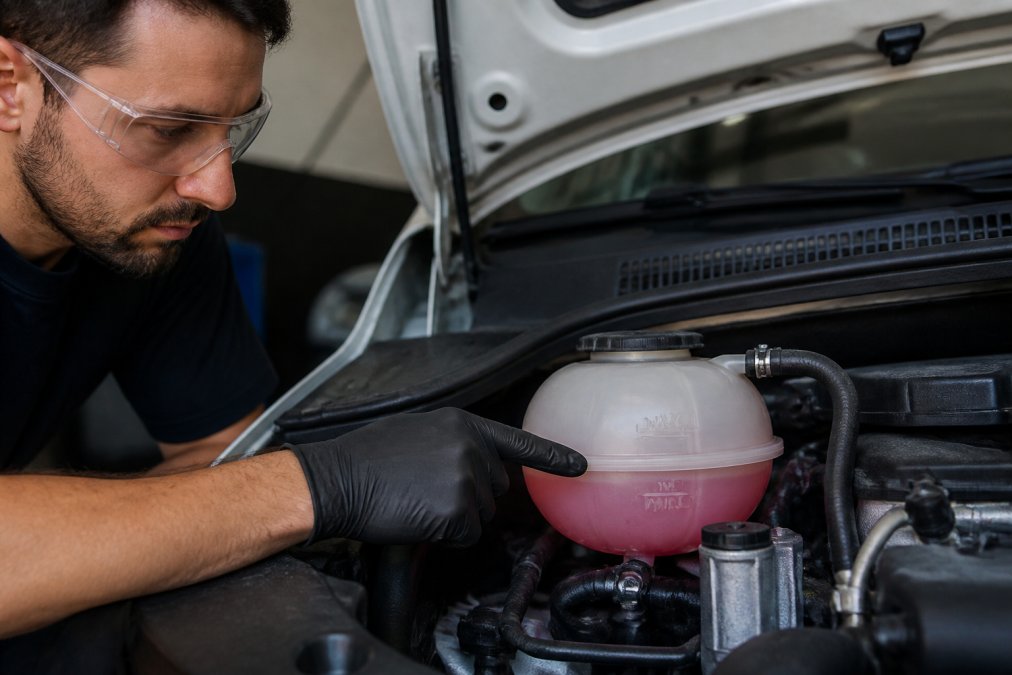
Frequency: Check every month or before long drives. Unlike oil, coolant doesn't degrade quickly in sealed systems, but leaks are common and catching them early prevents overheating.
Key Takeaway Coolant that's low despite no visible leaks under your car often means a slow seep in the radiator or hoses. Have it inspected by a professional before it leaves you stranded.Checking Brake Fluid, Transmission Fluid, and Power Steering Fluid
These three fluids require more caution because they're part of critical safety and hydraulic systems.
Brake fluid is stored in a white or translucent reservoir near the back of the engine bay. The level should be between the full and low marks. Brake fluid absorbs moisture from the air over time, which degrades its performance. If the level drops quickly or the fluid looks dark and murky, have a professional inspect it. According to a 2026 car maintenance guide, brake fluid should be inspected every 8,000 miles or 12 months and replaced every 48,000 miles or 48 months, whichever comes first.
Transmission fluid is usually in a dipstick-style reservoir or an electronic sensor on newer cars. Check your owner's manual for location and procedure. Transmission fluid should be bright red and smell slightly sweet. Dark, burnt-smelling fluid signals internal wear and needs professional evaluation. Many modern transmissions are sealed and shouldn't require topping off; if yours is low, there's likely a leak.
Power steering fluid is located in a reservoir on or near the power steering pump. Power steering fluid should be clear or slightly amber. Low power steering fluid makes steering harder and can damage the pump. If it's low, check for leaks under the car first.
For all three fluids, only top off with the exact type your owner's manual specifies. Using the wrong fluid can cause seals to fail or hydraulic systems to malfunction.
How to Read Car Dashboard Warning Lights
Your dashboard is your first line of defense. Modern cars have sensors that alert you to fluid problems before they become disasters.
Oil pressure warning light (usually an oil can symbol): Oil pressure is dangerously low. Pull over safely and check your oil level immediately. If it's low, top it off. If it's full and the light stays on, there's a pump or sensor issue.
Coolant temperature warning light (usually a thermometer in water): Your engine is overheating. Pull over immediately, turn off the engine, and let it cool. Check the coolant level once it's safe.
Check engine light (usually an engine symbol): This is a catch-all for dozens of issues, many related to emissions or sensors. Have it scanned with a diagnostic tool to identify the issue.
Brake warning light (usually a circle with "BRAKE"): This can indicate low brake fluid, worn pads, or a brake system fault. Check your brake fluid level first, then have brakes inspected.
Power steering warning light (usually a steering wheel symbol): Power steering fluid is low or the system has failed. Check the fluid level and top off if needed.
Don't ignore warning lights. Most problems caught early are cheap fixes; ignored, they become expensive repairs.
Car Maintenance Checklist for Beginners
Use this monthly checklist to stay on top of fluid maintenance. Consistency prevents surprises and builds a documented service history.
| Fluid | Check Frequency | What to Look For | Action if Low |
|---|---|---|---|
| Engine Oil | Monthly | Between full and low marks | Top off with correct type |
| Coolant | Monthly | Between full and low marks | Check for leaks, top off if needed |
| Brake Fluid | Monthly | Between full and low marks | Inspect for contamination, seek service if dark |
| Transmission Fluid | Every 3 months | Bright red, not burnt-smelling | Check for leaks, professional inspection if low |
| Power Steering Fluid | Every 3 months | Clear or amber, not dark | Top off, check for leaks |
| Windshield Washer Fluid | As needed | Visual level in reservoir | Top off with winter or summer formula |
Monthly ritual: Set a calendar reminder on the first of each month. Spend 10 minutes checking oil, coolant, and brake fluid. Record the levels and any observations in a maintenance log. Tools like CarJourney automate this tracking, letting you log checks in seconds and set mileage-based reminders.
Before long trips: Check all fluids the day before you leave. Top off anything that's low. This simple habit prevents breakdowns hundreds of miles from home.
After noticing a warning light: Check the relevant fluid immediately. Many issues are simple; a low level topped off solves the problem. If the light returns after topping off, professional diagnosis is needed.
Common Mistakes to Avoid When Checking Fluids
Even simple tasks have pitfalls. Avoid these common errors that lead to inaccurate readings or damage.
Checking fluids on a hot engine. Wait at least five minutes after driving. Oil, coolant, and other fluids expand when hot, giving false high readings. You also risk severe burns.
Using the wrong fluid type. Your owner's manual specifies exact fluid types for a reason. Using incorrect oil viscosity or mixing coolant types causes performance problems and voids warranties.
Overfilling reservoirs. Overfilled oil foams, reducing lubrication. Overfilled coolant can overflow when hot. Fill to the full mark, not above it.
Ignoring warning lights. A check engine light ignored becomes an expensive repair. A brake warning light dismissed becomes a safety hazard. Address lights promptly.
Not checking for leaks. Low fluid levels sometimes mean leaks, not just normal consumption. If a level drops quickly between checks, look under your car for drips.
Forgetting to replace the cap. A loose or missing cap lets dirt into the system and causes premature wear. Always double-check that caps are tight.
Mixing up reservoirs. Use your owner's manual to confirm locations. Adding oil to the coolant reservoir or vice versa causes serious damage.
Checking your car's fluids is a skill that takes minutes to learn and pays dividends for years. You'll catch small problems before they become big ones, keep your vehicle running reliably, and build a documented maintenance history that proves your care. Start a simple log, even a notes app on your phone works. Over time, that log becomes proof of diligent ownership. When you're ready to sell or trade in, that history speaks volumes to buyers.
CarJourney helps you organize this work automatically. Log each fluid check in seconds, set reminders based on time and mileage, and generate a shareable build profile that shows every maintenance milestone. Your vehicle's story, documented and trusted.
Frequently Asked Questions
Do you check car fluids hot or cold?
Check most fluids when the engine is cold, at least 5 minutes after the engine has stopped running. For engine oil, park on a level surface and wait a few minutes so the oil drains back into the pan for an accurate reading. Coolant and brake fluid checks are also done on a cold engine for safety. Never open the coolant reservoir cap when the engine is hot, as pressurized fluid can cause burns. Always consult your owner's manual for specific recommendations for your vehicle.
What tools do I need to check my car's fluids?
You'll need a rag or paper towels, work gloves, and safety goggles. For checking oil, you may need a flashlight to see the dipstick markings clearly. Most modern cars have transparent or translucent fluid reservoirs with full and low marks printed on the sides, so you can often see levels without additional tools. Keep these basic supplies in your vehicle's emergency kit. Some older vehicles may require a funnel for topping off fluids, but this isn't essential for checking levels.
How often should you check your car's fluid levels?
Check your oil level, tire pressure, coolant, and brake fluid monthly, these four checks take about 10 minutes combined. For older cars or those with high mileage, check engine oil every two weeks, as older engines may burn oil between changes. Always check fluids before long road trips. Follow your owner's manual for specific service intervals for transmission fluid, power steering fluid, and windshield washer fluid. Many drivers delay maintenance, but regular checks catch problems early and prevent costly repairs.
What are the six essential fluids to check in my car?
The six essential fluids are engine oil, coolant (antifreeze), brake fluid, transmission fluid, power steering fluid, and windshield washer fluid. Engine oil lubricates moving parts and requires the most frequent checks. Coolant prevents overheating and freezing. Brake fluid powers your hydraulic braking system and is critical for safety. Transmission fluid ensures smooth gear shifts. Power steering fluid helps with steering control. Windshield washer fluid keeps your visibility clear. Check your owner's manual for the correct viscosity and type for each fluid, as using the wrong fluid can damage your vehicle's performance.
Start freeThis article was written using GrandRanker