 carjourney
From the CarJourney journal
How to Log Brake Jobs the Right Way
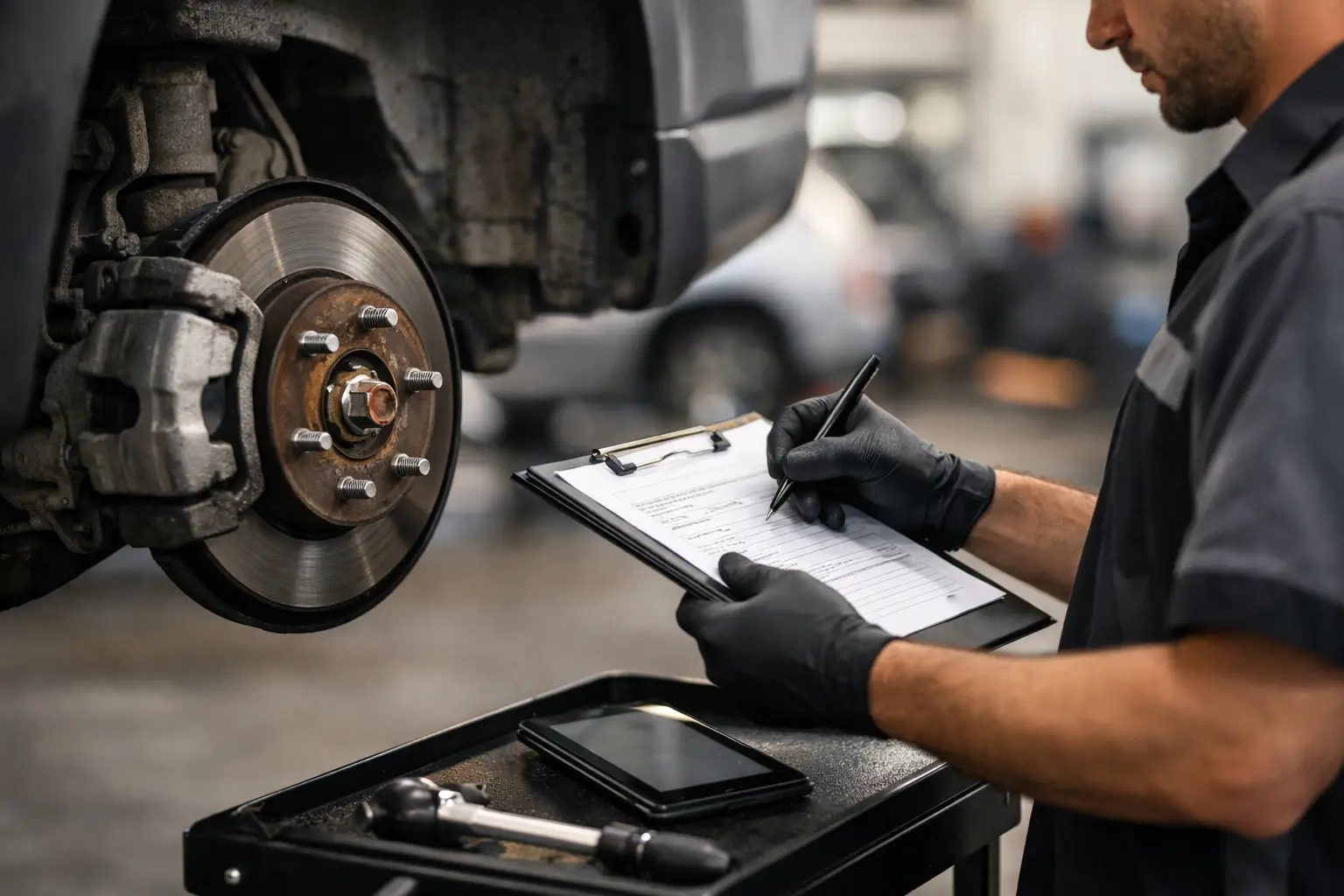
You remember replacing pads. You probably remember whether you went with OEM-style parts or a more aggressive setup. But six months later, when a rotor starts pulsing or a buyer asks what exactly was done, memory gets vague fast. That is why knowing how to log brake jobs matters. A clean brake service record protects your budget, helps diagnose repeat issues, and builds a vehicle history people actually trust.
Brake work is one of the easiest services to under-document because it feels routine. Pads, maybe rotors, maybe fluid, back on the road. But brake jobs can vary a lot in scope, parts quality, labor time, and long-term results. If you only write down "did brakes," you lose most of the value of the record.
Why learning how to log brake jobs pays off
A proper log does more than prove maintenance happened. It creates context. If your front pads wear unevenly, your log can show whether the caliper pins were serviced last time. If the pedal feels soft a month later, you can check whether the system was bled or if fluid was topped off but never flushed. If you're tracking ownership costs, brake records tell you whether the car is eating consumables faster than expected.
This also matters for resale. Buyers are used to hearing vague claims like "new brakes all around." Serious buyers want specifics. Were the rotors replaced or resurfaced? Which axle was serviced? What brand of pads went on? Were sensors, hardware clips, or fluid included? Detailed records make your car easier to trust because they show care, not just claims.
For enthusiasts, there is another layer. Brake jobs are not always simple maintenance. Sometimes they are part of a build. Stainless lines, high-temp fluid, track pads, big brake kits, dust shields removed for clearance - these changes affect performance and future service needs. If you do not record them clearly, the next service gets harder.
What to include when you log brake jobs
The best brake log captures enough detail to be useful without turning into a shop manual. Start with the basics: date, mileage, and which vehicle the service was done on. Then get specific about the scope. Front brakes only, rear brakes only, or all four corners. That sounds obvious, but plenty of records skip it.
You should also note exactly what was replaced. Pads and rotors are the core items, but a complete record may include calipers, brake hoses, hardware kits, wear sensors, parking brake shoes, wheel bearings, hub assemblies, or fluid. If the rotors were resurfaced instead of replaced, write that down. If the brake fluid was flushed, include the type used.
Brand and part details matter more than people think. There is a big difference between a budget ceramic pad and a high-performance compound, even if both technically count as new brakes. Recording the manufacturer and part number helps you match future replacements, troubleshoot noise or dust, and show buyers that you did not cut corners.
Cost should be part of the log too. Break it out if you can. Parts cost, labor cost, tax, shop fees, and total. If you did the work yourself, it still makes sense to log your parts spend and any tools or supplies purchased for the job. That gives you a more honest picture of ownership costs.
Finally, include supporting proof. Save receipts, invoices, warranty documents, and photos. A picture of pad thickness before service, rotor condition, or the installed parts can be surprisingly useful later. It gives your log credibility and helps if there is ever a warranty issue or a question about what was actually installed.
How to log brake jobs so the record is actually useful
The key is to write your entry like someone else may need to understand it later. That someone could be a future you, a shop, or a buyer. Short is fine. Vague is not.
Instead of writing "brakes replaced," write something like: front pads and rotors replaced at 62,410 miles, installed Power Stop ceramic pads and coated rotors, cleaned and lubricated caliper slide pins, replaced hardware clips, brake fluid level checked, total parts cost $286. If rear brakes were measured but not needed, note that too. It creates a better snapshot of the car's condition at that moment.
Comments on condition are where a brake log becomes truly valuable. You do not need a long narrative. Just capture what stood out. Inner pad worn more than outer pad. Rotor had heat spots. Left rear caliper sticking. Brake fluid dark. Parking brake adjustment needed. Noisy cold bite after install. Those details help connect the dots when patterns show up later.
If a shop performed the work, copy the important details from the invoice into your own record instead of relying on the receipt alone. Shop paperwork gets lost, and many invoices use shorthand that is not helpful months later. Your own clean log is the version you can search, sort, and trust.
DIY brake jobs vs. shop brake jobs
How you log brake jobs should change slightly depending on who did the work.
For a DIY job, document the process enough to support your own maintenance history. Note torque-critical items if relevant, especially on enthusiast cars where wheel studs, caliper bracket bolts, or custom setups matter. Record whether you bedded in the pads, bled the system, or used anti-seize on hub faces. If you had to fight a seized caliper or damaged bleeder screw, log that as well. Those details can explain future issues that otherwise seem random.
For shop work, focus on what was authorized and what was recommended. If the shop says rear pads are at 4 mm and rotors can wait, log that recommendation and set a reminder. If they found one caliper dragging but you deferred replacement, write it down. A good maintenance history includes what was observed, not just what was completed.
There is a trade-off here. You do not need to turn every simple pad swap into a novel. But if your car is modified, driven hard, or showing uneven wear, more detail is worth it.
Set the next reminder before you forget
A brake log should not be a dead record. It should trigger the next action.
After you enter the job, set a reminder based on how you use the car. For a daily driver, that might mean checking brake pad thickness at your next tire rotation or oil change. For a track car or tow vehicle, your interval may need to be much shorter. Time matters too. Brake fluid can age out even if mileage stays low, especially on cars that sit.
This is where a digital system works better than notes in your phone or a folder full of paper invoices. When your service history, mileage, receipts, and reminders live in one place, you are far less likely to miss the follow-up work that keeps braking performance consistent. CarJourney fits that use case well because it lets you log service details, store proof, and build a history you can actually use later.
Common mistakes when logging brake work
The biggest mistake is only recording that the job happened. The second biggest is skipping mileage. Without mileage, it is hard to judge pad life, compare wear rates, or support resale claims.
Another common issue is forgetting the non-pad items. Hardware, fluid, sensors, and caliper service often make the difference between a brake job that feels great and one that develops noise, drag, or uneven wear. If they were done, log them. If they were inspected and left alone, that can be worth noting too.
People also tend to ignore one-off details that later become important. Maybe the front brakes were upgraded to slotted rotors. Maybe the rear rotor set screw snapped and had to be drilled out. Maybe the ABS light came on after service and was traced to a damaged wheel speed sensor. Those details belong in the record because they change the story of the repair.
A simple format that works every time
If you want a clean, repeatable way to handle future entries, use the same structure each time: date, mileage, axle or corners serviced, parts installed, related work performed, condition notes, total cost, and attached proof. That is enough for most cars and detailed enough for enthusiast ownership.
Once you build the habit, logging brakes takes two minutes and saves a lot more than that. It saves money when problems repeat. It saves time when you need to check past work. And it protects the history of a car you have invested in.
Brakes are not just another maintenance line item. They are one of the clearest signals of how a vehicle has been cared for. Log them like they matter, and the whole ownership story gets stronger.