
How to maintain classic cars: Essential steps and tips
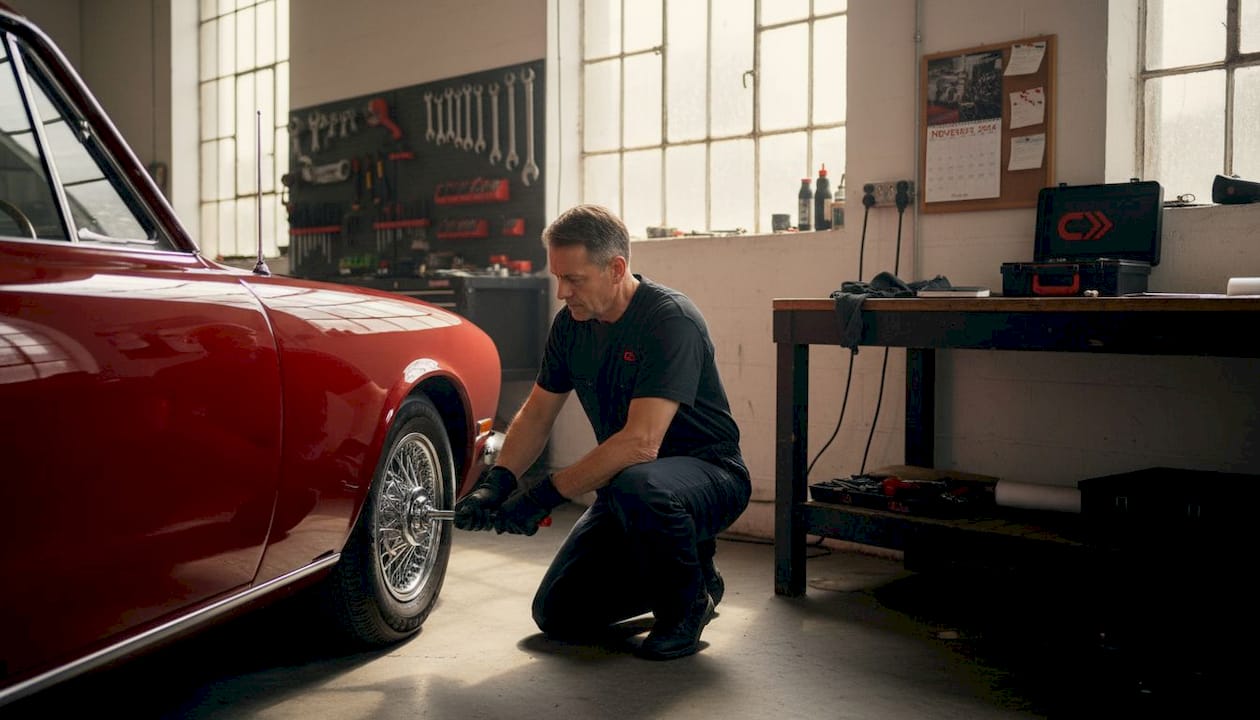
Neglecting routine maintenance on a classic car is not just a minor oversight — it can transform a pristine weekend cruiser into an expensive restoration project almost overnight. Unlike modern vehicles packed with self-diagnostic systems and corrosion-resistant materials, vintage cars demand a hands-on, consistent approach to stay road-worthy and retain their value. This guide walks you through everything you need: the right tools, a proven maintenance routine, smart troubleshooting habits, and a documentation system that pays off at shows, sales, and beyond.
Table of Contents
- What you need: Tools, materials, and prerequisites
- Step-by-step classic car maintenance routine
- Troubleshooting and preventing common classic car issues
- Verification: Keeping records and ensuring long-term value
- The uncomfortable truth about classic car maintenance: It’s a lifestyle, not just a task
- Explore more classic car resources and expert guidance
- Frequently asked questions
Key Takeaways
| Point | Details |
|---|---|
| Routine checks are vital | Monthly, seasonal, and annual inspections prevent costly breakdowns and preserve your classic vehicle. |
| Use quality tools | Investing in proper equipment avoids damage and ensures safe, effective maintenance. |
| Prevent corrosion early | Identifying rust and leaks early extends the life and value of your classic car. |
| Keep detailed logs | Maintenance records boost resale value and document restoration history for future owners. |
What you need: Tools, materials, and prerequisites
With the importance of classic car maintenance in mind, let’s start with what you’ll need before tackling the actual procedures.
Getting the right gear together before you start is not optional — it is the difference between a clean job and a stripped bolt on an irreplaceable part. Vintage hardware is often softer and more brittle than modern equivalents, so quality tools protect your investment every single time you open the hood.
Essential tools
Here is a practical breakdown of what belongs in a classic car toolkit:
- Metric and SAE socket sets (3/8" and 1/2" drive minimum, with deep sockets for recessed fasteners)
- Torque wrench calibrated to the manufacturer’s original specifications
- Hydraulic floor jack and a matched set of jack stands rated for your car’s weight
- Multimeter for testing charging systems, grounds, and vintage electrical harnesses
- Fluid transfer pump and hand-operated vacuum pump for brake bleeding and coolant checks
- Wire brush set and rust treatment spray for regular undercarriage inspections
- Compression tester to evaluate engine health without a full teardown
- UV dye kit for tracing slow fluid leaks invisible to the naked eye
- Rubber mallet and brass punch set to avoid marring soft cast aluminum or chrome parts
Safety first
Classic car work carries real hazards. Vintage brake fluid is highly corrosive. Old wiring insulation crumbles and creates fire risks. Fuel systems on carbureted cars can weep gasoline onto hot exhaust manifolds. Always keep a dry-chemical fire extinguisher within arm’s reach of your workspace.
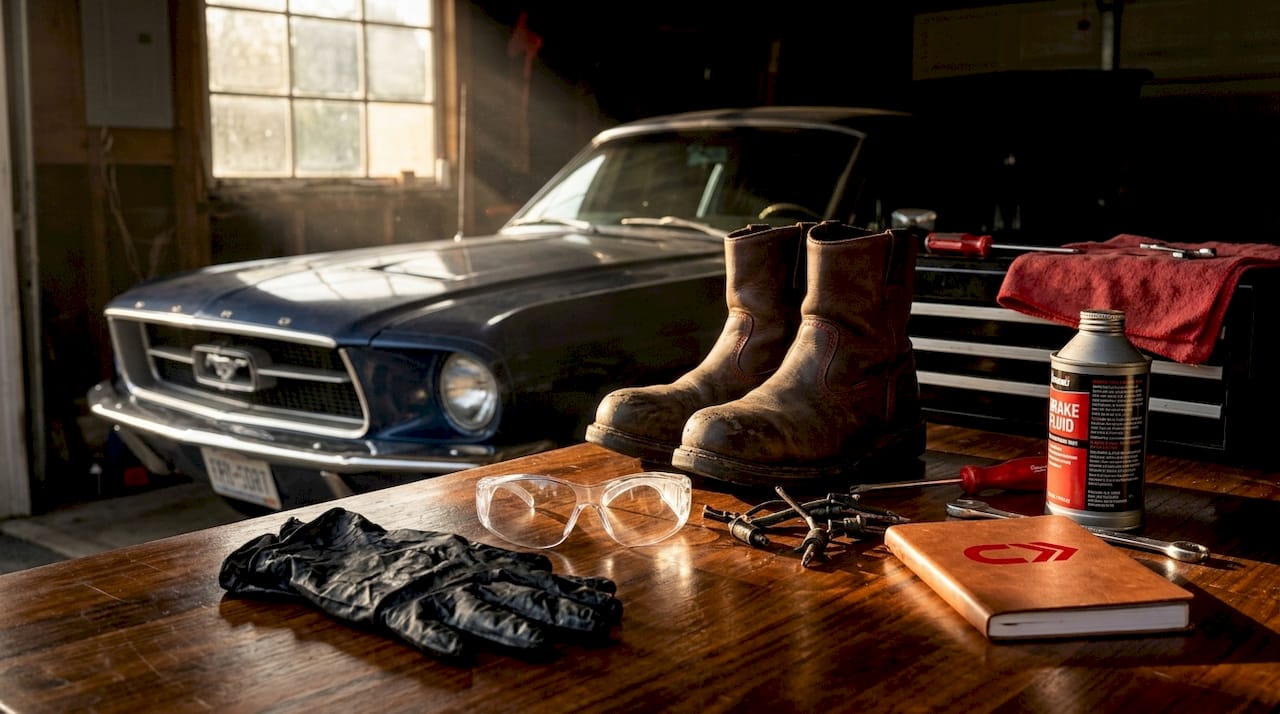
Personal protective equipment should include nitrile gloves rated for petroleum products, safety glasses, and steel-toed footwear when working under a lifted vehicle. Never trust a floor jack alone — always lower the car onto rated stands before crawling underneath.
Materials checklist
| Category | Item | Notes |
|---|---|---|
| Fluids | Engine oil, brake fluid, coolant, gear oil | Match viscosity to original spec |
| Rust prevention | Chassis wax, cavity wax, POR-15 | Apply annually to undercarriage |
| Seals | Weatherstripping adhesive, door seal kits | Replace cracked or hardened rubber |
| Cleaning | pH-neutral car wash, interior vinyl cleaner | Avoid modern citrus degreasers on old paint |
| Electrical | Dielectric grease, contact cleaner | Protect vintage connectors from corrosion |
A repeating classic car checklist of monthly checks covering fluids, leaks, tires, seals, weatherstripping, and rust-prone areas — plus deeper seasonal and annual inspections — is the proven framework most restoration shops follow. Pair that with a solid vehicle longevity guide and you have a repeatable system before you even touch the car.
Pro Tip: Buy name-brand tools once. Harbor Freight sockets will round off a 50-year-old brass fitting on your first use. A quality set from Snap-on, Craftsman Professional, or Wera pays for itself by preventing parts damage alone.
Step-by-step classic car maintenance routine
Now that you’re equipped, here’s how to maintain your classic car with a repeatable, expert-approved routine.
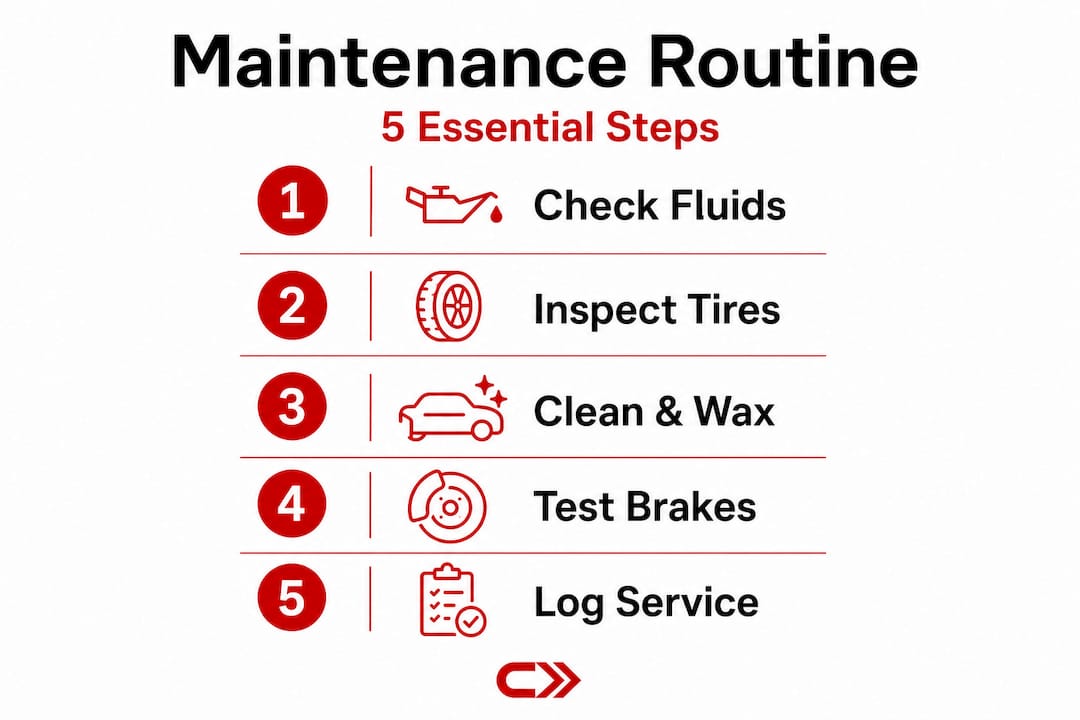
The biggest mistake enthusiasts make is treating maintenance as a single event rather than a layered system. Spacing checks across monthly, seasonal, and annual cycles means you catch small problems before they become structural failures. Monthly checks are recommended at least once a month, with seasonal and annual checklists broken out separately to catch gradual wear and corrosion early.
Monthly maintenance steps
- Check all fluid levels. Engine oil, coolant, brake fluid, power steering fluid (if equipped), and clutch reservoir. Discolored brake fluid or milky engine oil signals immediate attention.
- Inspect for leaks. Lay cardboard under the car overnight. Spot the color and location: brown or black is oil, red is transmission or power steering, green or orange is coolant.
- Examine tires. Check pressure with an analog gauge — digital gauges on old valve stems can stick. Look for sidewall cracking, which is common on tires over five years old regardless of tread depth.
- Test all seals and weatherstripping. Run a dollar bill through each door seal. If it slides out without resistance, the seal needs replacement or adhesive.
- Scan rust-prone spots. Wheel arches, floor pans, door bottoms, and trunk edges. A small bubbled paint blister today is a rust-through repair next year if ignored.
Seasonal maintenance steps (every 3 months)
- Inspect brake pads, shoes, and drums. Vintage drum brakes especially can glaze over with minimal use, creating dangerous stopping distances.
- Check suspension components. Ball joints, tie rod ends, and bushings on a 40-year-old car do not last forever. Look for torn rubber boots and lateral play.
- Deep clean interior and exterior. Fall and spring cleaning protects vintage upholstery and painted surfaces from long-term UV and moisture damage.
- Test battery voltage and charging rate. Classic car electrical systems do not tolerate weak batteries. A failing battery stresses vintage generators and alternators that are increasingly hard to source.
- Lubricate chassis grease points. Most pre-1980 vehicles have zerk fittings on steering and suspension components. Miss these and metal-on-metal wear accelerates fast.
Annual maintenance steps
- Full engine inspection: valve cover gaskets, timing chain slap, carburetor float level, distributor cap, and rotor.
- Undercarriage inspection: frame rails, crossmembers, and floor pans for structural rust, especially in salt-belt states.
- Fuel system check: rubber fuel lines on vintage cars become brittle and crack internally, contaminating the fuel and creating fire hazards.
- Cooling system flush: old antifreeze loses its corrosion inhibitors and actually begins attacking aluminum and cast iron internally.
Maintenance comparison table
| Task | Monthly | Seasonal | Annual |
|---|---|---|---|
| Fluid levels | ✓ | ✓ | ✓ |
| Leak inspection | ✓ | ✓ | ✓ |
| Tire condition | ✓ | ✓ | ✓ |
| Brake inspection | ✓ | ✓ | |
| Suspension check | ✓ | ✓ | |
| Engine tune-up | ✓ | ||
| Fuel line inspection | ✓ | ||
| Cooling system flush | ✓ | ||
| Full undercarriage | ✓ |
Safety note: Always allow the engine to cool completely before opening the radiator cap or checking coolant levels on a vintage car. Pressurized coolant on a hot system can cause severe burns. Wear chemical-resistant gloves when handling brake fluid or coolant, and keep both away from painted surfaces.
This complete maintenance guide covers additional procedures, and setting up maintenance reminders for each interval ensures nothing slips through the cracks during a busy season.
Pro Tip: Keep a dedicated notebook or digital log for every maintenance session. Record the date, mileage, parts used, and anything unusual you noticed. After a few months, patterns emerge. You will catch that slow coolant drop before it becomes an overheating crisis on the highway.
Troubleshooting and preventing common classic car issues
Once you’ve established your routine, it’s vital to know how to spot issues early and prevent them from affecting your classic car’s longevity.
Even the most disciplined maintenance schedule cannot eliminate every problem — but it makes most of them predictable. The key is training your senses to recognize early warning signs and acting before the car tells you something is wrong through a roadside failure.
Common warning signs to watch for
- Unusual noises: A ticking sound from the valve train often means low oil pressure or worn rocker arms. A hollow knock at idle points to main bearing wear.
- Fluid leaks: Any new puddle under the car warrants immediate investigation. Even a slow transmission leak can deplete fluid enough to damage gears within a few weeks.
- Tire sidewall cracking: Called “dry rot,” this is an age-related failure common on cars stored seasonally. A cracked sidewall can fail without warning at speed.
- Visible surface rust: Small rust spots on the body are cosmetic. Rust along seams, welds, or structural points like frame rails is a safety issue.
- Electrical gremlins: Intermittent dash lights, flickering gauges, or unexpected stalls on vintage cars usually trace back to a bad ground connection, not a failed component.
Prevention strategies
- Store your classic in a climate-controlled or at minimum a dry, sealed garage. Temperature swings accelerate rubber degradation and encourage condensation inside the engine.
- Apply a quality wax or paint sealant twice per year to protect original paint from UV fading and acid rain etching.
- Use a battery maintainer (trickle charger) during storage periods to keep voltage steady and prevent sulfation on lead-acid batteries.
- Treat fuel with a stabilizer if the car sits more than 30 days. Ethanol-blended modern gasoline begins to degrade and separate within 30 to 60 days, clogging vintage carburetors.
- Cover wheel wells and undercarriage with cavity wax before winter storage if your car is in a rust-prone climate.
Warning: Ignoring even a small oil or coolant leak on a classic car is a gamble that rarely pays off. A pinhole leak in a vintage rubber coolant hose can become a full blowout on the road, and an engine that runs even briefly without adequate oil pressure can sustain bearing damage that costs thousands to repair properly.
Deeper seasonal and annual inspections are what separate collectors whose cars appreciate from those whose cars quietly deteriorate in the garage. Pairing that approach with a solid yearly maintenance guide and understanding your car inspection intervals ensures you never miss a critical window.
Pro Tip: Move your classic at least once a month even if it is not driven on the road. Just rolling it forward and back in the garage prevents flat spots on tires, lubricates seals, circulates oil, and keeps brake components from seizing. Ten minutes of movement can prevent hundreds of dollars in repairs.
Verification: Keeping records and ensuring long-term value
After troubleshooting, careful documentation ensures your efforts pay off — both for your car’s reliability and future worth.
A classic car with a complete, verifiable service history is worth meaningfully more than an identical car without one. Buyers, appraisers, and restoration judges all value documentation. More practically, good records are a personal diagnostic tool that reveals patterns your memory will not catch.
Why records matter beyond resale
When you track every fluid change, brake job, and carburetor rebuild with dates and mileage, you build a timeline of your car’s life. That timeline tells you when a part is approaching the end of a realistic service interval even if it looks fine today. It also protects you during disputes with mechanics or parts suppliers by establishing what work has and has not been done.
Seasonal and annual checklists broken out separately help catch gradual wear and corrosion early, and tying each completed checklist to a dated log entry closes the loop between inspection and record.
Building a strong maintenance log
- Record every service event with the date, odometer reading, parts installed (with brand and part number), and the labor performed.
- Keep receipts and attach them to the corresponding log entry, either physically in a binder or photographed into a digital folder.
- Note any observations about the car’s condition even if no action was taken: a slight vibration at highway speed, a small paint bubble forming, a new noise that appeared and then stopped.
- Use a consistent format so the record is readable years later or by someone unfamiliar with the car.
- Review the log before each maintenance session so you know what was done last and what is due.
This annual service guide covers what belongs in a yearly log entry, and reviewing a pre-inspection checklist before any professional evaluation ensures your records align with what an inspector will actually examine.
Pro Tip: Create a dedicated folder on your phone’s cloud storage for your classic car. Every time you buy a part, photograph the receipt and drop it in. Every time you finish a maintenance session, add a voice note or quick typed summary. In five years you will have an irreplaceable digital archive that adds real dollars to your car’s appraised value.
The uncomfortable truth about classic car maintenance: It’s a lifestyle, not just a task
Having mastered the practical steps and record-keeping, it is worth pausing to consider what it really means to own and maintain a classic car.
Here is something the glossy magazine articles rarely say directly: the classic cars that hold their value, win at shows, and stay reliable on long drives are not maintained by people who treat it as a quarterly obligation. They are maintained by people who genuinely enjoy the process. That distinction matters more than any single tool or technique.
Neglect on a classic is never invisible for long. A cracked door seal telegraphs itself as interior water damage within one season. A missed grease fitting announces itself as a worn ball joint within a year. The cars that look and run exactly as they should are the ones whose owners walked around them every few weeks, checked something, and fixed small problems before they compounded.
The other uncomfortable truth is that most classic car problems are self-inflicted through inaction rather than bad luck. Flat-spotted tires, seized calipers, gummed carburetors, and collapsed rubber fuel lines are all preventable with a simple, consistent routine. They are not mechanical failures — they are maintenance failures.
The good news is that building that discipline is genuinely rewarding in this hobby. Every time you solve a problem yourself, your understanding of the car deepens. Every clean service record adds to a story that the next owner or appraiser will recognize. The classic car checklist is not a burden — it is the skeleton of a habit that keeps the hobby enjoyable and your investment secure for decades.
Think of maintenance not as the price of ownership but as ownership itself. The time you spend under the hood is part of what makes a classic car different from a transportation appliance. Embrace it.
Explore more classic car resources and expert guidance
To make your maintenance routine even smoother and more rewarding, explore these expert resources for personalized help.
At CarJourney, we built exactly the tool we always wanted as enthusiasts: a place where your car’s entire history, maintenance schedule, and community knowledge live together in one spot. No more scattered receipts, generic reminders that ignore your specific build, or forum searches that lead nowhere.

CarJourney’s AI scans your service documents, answers detailed questions about your exact vehicle, and recommends maintenance schedules verified across multiple AI models. Whether you’re tracking a numbers-matching muscle car or a lovingly modified European classic, CarJourney’s classic car resources connect you with a community of enthusiasts sharing real-world data and build knowledge. Your classic deserves a record as complete as its history.
Frequently asked questions
How often should classic cars be checked for maintenance?
Monthly checks are recommended at least once a month, with separate seasonal and annual inspections to catch gradual wear and corrosion before it becomes serious.
What are common maintenance mistakes with classic cars?
Ignoring minor leaks and surface rust, using the wrong tools on vintage hardware, and skipping regular movement during storage are the most costly errors. Deeper seasonal inspections catch the gradual wear these habits allow to develop.
How can I prevent rust in classic cars?
Regular inspections, pH-neutral cleaning, cavity wax on the undercarriage, and prompt treatment of any paint bubbles are your front-line defenses. Seasonal checklists broken out annually help you stay ahead of corrosion in vulnerable areas.
Why is keeping maintenance records important for classic cars?
Complete records directly support the car’s appraised value, simplify restoration planning, and give future buyers or judges confidence in the vehicle’s history and condition.
What tools are essential for classic car upkeep?
Quality metric and SAE socket sets, a calibrated torque wrench, a hydraulic floor jack with rated stands, a compression tester, a multimeter, and rust prevention materials form the core toolkit every classic car owner should have on hand.