 carjourney
From the CarJourney journal
How to Set Brake Service Reminders That Work
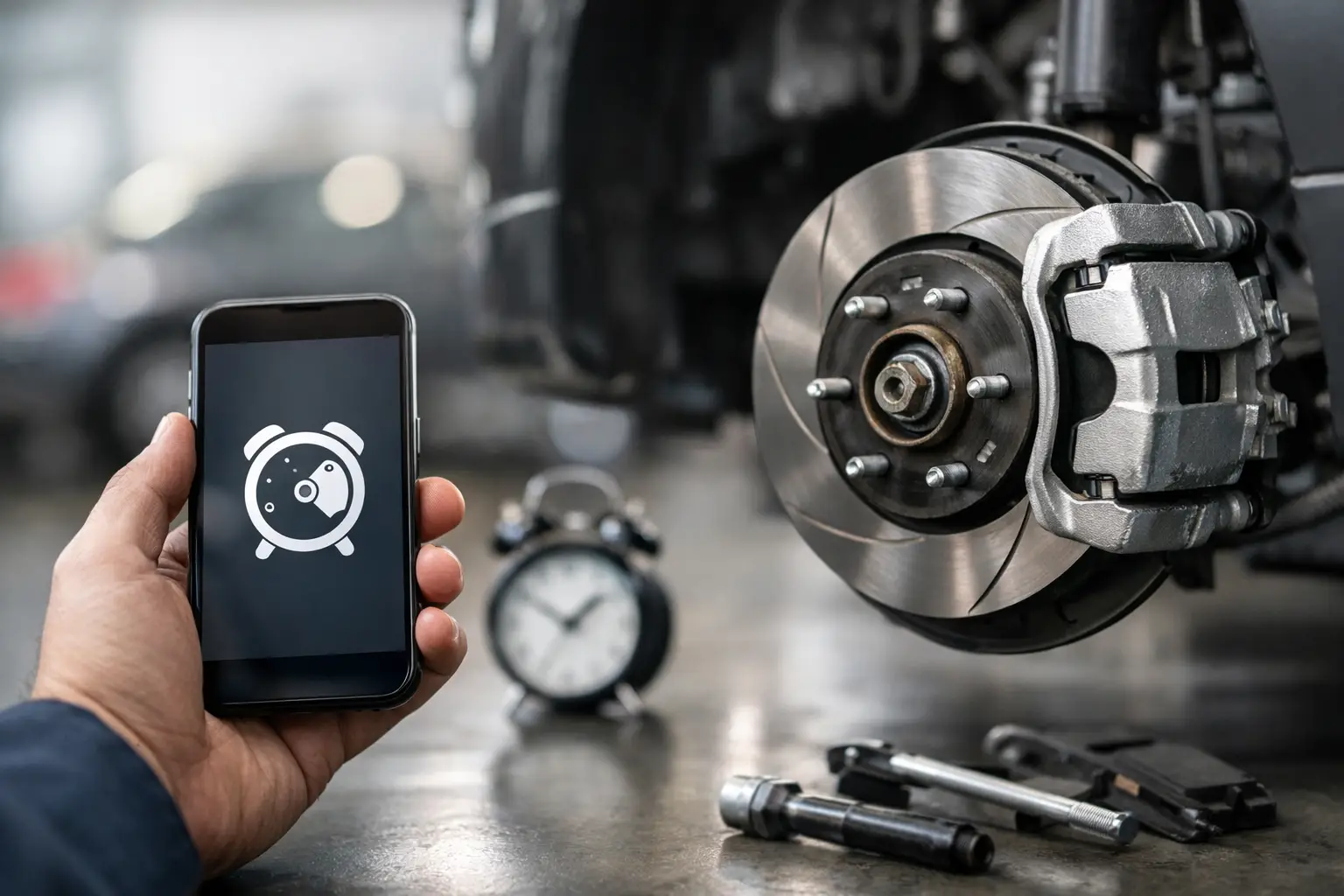
Your brake pads do not care that you have been busy finishing a build, planning a road trip, or sorting out the next mod. They wear at their own pace. When you set brake service reminders around the way you actually drive, you replace vague guesses with a clear plan - and avoid discovering a worn pad when the rotor is already damaged.
For enthusiasts, brake maintenance is more than a checkbox. It protects performance, preserves the parts you have invested in, and creates a cleaner ownership history when it is time to sell. The right reminder setup accounts for mileage, time, driving style, and the specific components on your car.
Why Brake Reminders Need More Than One Due Date
A single calendar alert is better than nothing, but it is not enough for most vehicles. Brake wear changes dramatically based on vehicle weight, pad compound, wheel and tire setup, traffic, terrain, towing, and how hard the car is driven. A lightweight weekend car on quality street pads may go years between replacements. A heavy SUV that sees mountain roads, school runs, and towing can wear through pads much faster than its odometer suggests.
That is why a useful brake service plan separates inspection reminders from replacement reminders. You cannot reliably predict the exact day pads will need replacement. You can create regular checkpoints that catch wear early, then log the actual work when it is done.
Brake fluid follows a different pattern. It is primarily time-based because it absorbs moisture over time, even when mileage stays low. A stored collector car may have plenty of pad material but still be overdue for a fluid flush.
What to Track for Every Brake Service
Start by recording the baseline. If you just bought the vehicle and do not know when the brakes were last serviced, inspect them soon rather than setting a reminder based on an unknown date. Once you know the condition, log the mileage, date, and what was installed.
For each brake job, keep the pad and rotor brand, part number if available, fluid type, and cost. Note whether rotors were replaced, resurfaced, or measured and retained. If the work involved a performance upgrade, include the caliper setup, brake lines, and pad compound. These details matter later when diagnosing noise, choosing replacement parts, or showing a buyer that the car was cared for properly.
Photos can also earn their place in the record. A quick image of rotor condition, pad thickness, or receipts gives you a reference that a one-line note cannot. For a build with aftermarket wheels, big brake kits, or track-focused hardware, this history becomes part of the story of the car.
How to Set Brake Service Reminders by Mileage and Time
Use two types of reminders: a recurring brake inspection and a brake fluid service reminder. Add a third reminder for pad and rotor replacement only when you have a known interval from your driving history or component manufacturer.
Set a recurring brake inspection
For a typical street-driven vehicle, schedule an inspection every 6 months or roughly every 5,000 to 7,500 miles. This can line up with an oil change or tire rotation, which makes it easier to remember and gives you a chance to inspect both sides of the vehicle.
If your car sees autocross, track days, canyon runs, towing, or frequent mountain driving, inspect more often. Check pad thickness, rotor surface, rotor lip, uneven wear, fluid condition, hose condition, and any signs of leaks. High-performance pads may trade long life for bite and heat tolerance, so do not apply a commuter-car interval to a hard-driven car.
For a garage queen with very low annual mileage, keep the time-based inspection. Brake hardware can corrode, slide pins can seize, and fluid can degrade even when the vehicle mostly sits.
Set a brake fluid reminder
Follow the vehicle manufacturer first. Many vehicles call for brake fluid replacement every two to three years, though the exact schedule depends on the model and fluid specification. If you track the car or regularly drive it under high heat, a shorter interval may make sense.
Do not treat fluid color as the only decision point. Dark fluid is a useful warning, but moisture content and boiling point are the real concerns. A shop can test fluid, and a quality maintenance record lets you see whether the service is due without relying on memory.
Use replacement reminders carefully
Pad life is not a fixed mileage number. A reminder saying “replace pads at 40,000 miles” can be misleading if the car gets new wheels and sticky tires, starts towing, or begins seeing track use.
Instead, set an estimated mileage reminder as an early warning, then use inspection results to make the call. If your last set lasted 30,000 miles under similar conditions, set a prompt around 24,000 to 26,000 miles to inspect closely and order parts if needed. This gives you time to choose the right pads rather than panic-buying whatever is available.
Add Warning-Sign Reminders to Your Routine
Digital reminders manage planned maintenance. Your driving experience catches the issues that cannot wait. Pay attention to squealing that persists after warmup, grinding, steering-wheel vibration under braking, a soft or sinking pedal, pulling to one side, a burning smell, or a brake warning light.
None of these symptoms automatically means the same repair. Some performance pads make noise by nature. Surface rust can cause temporary sound after rain. But unusual braking behavior deserves an inspection, especially when the symptom is new or worsening.
Do not wait for a scheduled reminder if braking feel changes. A reminder is your maintenance backstop, not permission to ignore what the car is telling you.
Match the Schedule to How You Use the Vehicle
The best schedule reflects the vehicle’s job. A daily-driven sedan, a lifted truck, a track toy, and a collector car should not all receive the same reminder template.
A daily driver benefits from predictable mileage-based inspections tied to routine service. A truck or SUV should get added attention before and after towing season, particularly if it has worked hard in hilly terrain. A performance car needs inspections before track events, after events, and before long road trips. A collector vehicle needs time-based reminders that account for storage, moisture, and infrequent use.
This is also where modification tracking matters. Bigger wheels, a wider tire, added power, heavier bumpers, towing equipment, or a big brake kit can all change the service picture. When you log modifications beside brake work, you can spot the context behind faster wear or decide whether an upgrade solved the problem you built it to solve.
Keep the Record Ready for the Next Owner
Brakes are one of the first areas a serious buyer will ask about. “New brakes” is helpful. “Front pads and rotors replaced at 62,410 miles, brake fluid flushed, receipts saved, and rear pad thickness checked at the last inspection” inspires much more confidence.
A complete record also protects you while you own the car. You will know which fluid was used, whether the rotors were replaced, when the last inspection happened, and how much you have spent on keeping the vehicle safe. That is especially valuable across a multi-car garage, where details blur quickly.
CarJourney makes this easier by keeping service logs, receipts, photos, modification details, and mileage or time-based reminders in one vehicle history. The goal is not more notifications. It is a record you can trust when the car needs attention or when someone asks how it has been maintained.
Build Reminders You Will Actually Follow
Keep the system simple enough to maintain. Set the first inspection reminder from today if your brake history is unclear. Add the current mileage, record what you find, and create the next interval based on how the vehicle is used. When work is completed, log it immediately while the receipt and details are still in front of you.
A good brake reminder does more than prevent a missed service. It gives you time to inspect before damage spreads, budget for the right parts, and keep the history that proves your car has been owned with care. That is control worth carrying into every mile.