 carjourney
From the CarJourney journal
Track Car Fluid Changes: A Complete Schedule Guide
Table of Contents
- Why Tracking Car Fluid Changes Matters
- Car Fluid Change Intervals by Mileage
- Signs Your Car Needs a Fluid Change
- DIY Car Fluid Change Tools and Safety Essentials
- Creating a Car Maintenance Log Template
- How to Track Car Fluid Changes Schedule Effectively
- Common Mistakes When Tracking Fluid Changes
- Conclusion
Last Updated: July 17, 2026
Why Tracking Car Fluid Changes Matters
Tracking car fluid changes ensures every critical fluid gets replaced at the right time, preventing premature wear and catastrophic failures. A single overlooked transmission fluid change can lead to a $3,000+ repair bill. Engine sludge from skipped oil changes reduces fuel efficiency and accelerates engine degradation.
This guide covers specific intervals for each fluid type, how to recognize warning signs, and practical tools for staying organized. Whether you're managing a daily driver or a project car, a reliable tracking method prevents expensive surprises and keeps your vehicle running at peak performance.
Car Fluid Change Intervals by Mileage
Understanding recommended service intervals is the foundation of preventive maintenance. Most manufacturers publish specific mileage-based schedules in your owner's manual, though these vary based on driving habits and fluid type.
Engine Oil Change Intervals
Engine oil circulates through the engine to reduce friction, remove contaminants, and regulate temperature. The traditional 3,000-mile interval is outdated for most modern vehicles. Today's synthetic oils and improved engine designs allow many cars to go 7,500 to 10,000 miles between changes, with some rated for 15,000 miles or more.
The interval depends on oil type, vehicle age, and driving conditions. Synthetic oil lasts longer than conventional oil because it resists breakdown better at high temperatures. If you drive in severe conditions, frequent stop-and-go traffic, extreme temperatures, towing, or dusty environments, stick to shorter intervals even if your manual allows longer cycles. Modern vehicles often have oil life monitoring systems that calculate when service is needed based on real driving data.
Pro Tip Use [your vehicle](/blog/how-to-optimize-your-vehicle-maintenance-schedule)'s VIN to look up the exact service schedule for your specific year, make, and model.Transmission Fluid Maintenance
Transmission fluid lubricates moving parts, transfers power, and cools the transmission system. Service intervals vary dramatically: some vehicles need service every 30,000 miles, others every 100,000 miles or more. Older automatic transmissions typically need fluid and filter changes every 30,000 to 60,000 miles. Modern transmissions, especially CVTs and newer automatics, often have much longer intervals or are sealed units.
"Lifetime fluid" doesn't mean you never need service, it refers to expected transmission life under normal conditions. Transmission rebuilds cost $1,500 to $4,000. Preventive fluid maintenance costs a fraction of that and extends transmission life significantly.
Cooling System and Radiator Flush
Your cooling system prevents engine overheating by circulating coolant through the engine and radiator. Over time, coolant degrades and becomes acidic, corroding internal engine passages and radiator tubes. Most vehicles need a coolant flush every 30,000 to 50,000 miles or every 3 to 5 years, whichever comes first. Some manufacturers use extended-life coolants rated for 100,000 miles, but these still need periodic inspection.
Check your owner's manual for the specific coolant type your vehicle requires. Using the wrong coolant can cause corrosion and clogs. Some vehicles use silicate-based coolant, others use organic acid technology (OAT), and some use hybrid formulations.
Watch Out Never open the radiator cap when the engine is hot. Pressurized coolant can cause severe burns. Allow the engine to cool completely before servicing the cooling system.Brake Fluid Replacement Schedule
Brake fluid is hygroscopic, meaning it absorbs moisture from the air. This moisture lowers the boiling point of the fluid, causing brake fade under heavy braking, a dangerous condition where brakes become less responsive. Most manufacturers recommend a brake fluid flush every 2 years or 24,000 miles, regardless of mileage. This interval is shorter than other fluids because moisture absorption happens gradually regardless of driving.
Brake fluid comes in several grades: DOT 3, DOT 4, and DOT 5. Check your owner's manual for the correct specification. A brake fluid flush requires special equipment to bleed air from the system and is best performed by a professional mechanic.
Power Steering and Differential Fluids
Power steering fluid reduces steering effort and cools the power steering pump. Most vehicles need a power steering fluid flush every 50,000 to 100,000 miles. Dark or burnt-smelling fluid indicates it's time for service.
Differential fluid lubricates the gears in your vehicle's differential. Vehicles that tow, drive in mountainous terrain, or see frequent off-roading need more frequent service, sometimes every 15,000 to 30,000 miles. Standard driving may allow intervals of 50,000 miles or longer.
| Fluid Type | Typical Interval | Severe Driving Interval | Signs of Needed Service |
|---|---|---|---|
| Engine Oil | 7,500-10,000 miles | 3,000-5,000 miles | Dark color, low level, warning light |
| Transmission | 30,000-100,000 miles | 30,000-60,000 miles | Slipping, burning smell, delayed engagement |
| Coolant | 30,000-50,000 miles | 20,000-30,000 miles | Brown/murky color, overheating |
| Brake Fluid | Every 2 years | Every 1-2 years | Soft pedal, warning light |
| Power Steering | 50,000-100,000 miles | 30,000-50,000 miles | Hard steering, whining noise |
| Differential | 50,000 miles | 15,000-30,000 miles | Grinding noise, difficulty turning |
Signs Your Car Needs a Fluid Change
Waiting until the scheduled interval isn't always correct. Your vehicle may need a fluid change sooner if warning signs appear. Engine oil that appears dark brown or black instead of amber indicates contamination. A low oil level means oil is leaking or burning.
Transmission problems announce themselves with slipping gears, delayed engagement, or a burning smell. Brake performance changes signal brake fluid issues, a soft or spongy brake pedal requiring more pressure to stop indicates moisture in the brake lines. Power steering difficulty or whining noise indicates the fluid is no longer protecting the pump effectively. Coolant leaks appear as puddles under your vehicle, typically bright green, orange, or pink. Differential problems announce themselves with grinding or whining noises, especially during turns or acceleration.
Key Takeaway Stay alert to how your vehicle feels, sounds, and smells. A small change in performance today prevents a major breakdown tomorrow.DIY Car Fluid Change Tools and Safety Essentials
Some fluid changes are accessible to DIY mechanics, while others require professional equipment. Engine oil changes are the most accessible DIY task. You'll need an oil drain pan, a wrench to remove the drain plug, an oil filter wrench, and the correct replacement oil and filter. Safety equipment includes jack stands (never work under a vehicle supported only by a jack), gloves, and eye protection. The process takes 20-30 minutes for most vehicles.
Transmission fluid changes, brake fluid service, and power steering and differential fluid changes often require special tools and are best left to professionals. Coolant flushes can be DIY if your vehicle has accessible drain plugs and a simple cooling system.
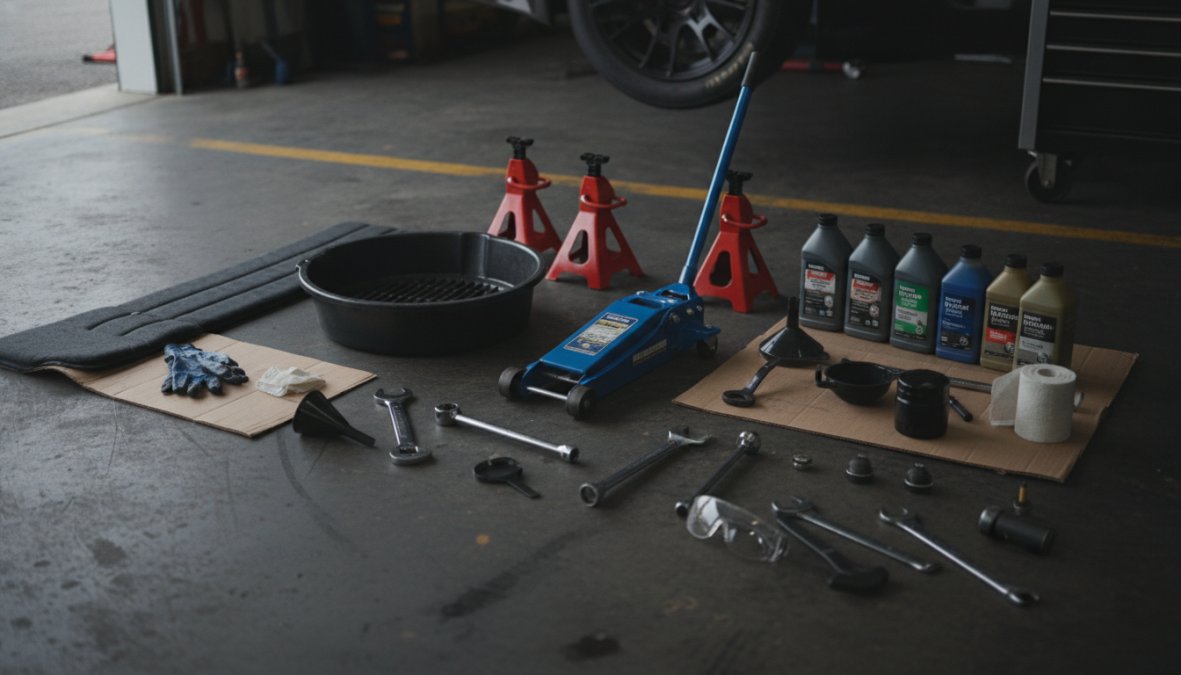
Basic safety rules apply to all fluid work: work on a level surface, use jack stands if you lift the vehicle, wear gloves and eye protection, and dispose of used fluids responsibly. Most auto parts stores accept used fluids for recycling at no charge.
Creating a Car Maintenance Log Template
Keeping organized records of every service performed is essential for preventive maintenance. A maintenance log reminds you when services are due, provides proof of maintenance for resale value, helps identify recurring problems, and ensures you don't duplicate services.
What to Include in Your Maintenance Log
Your maintenance log should capture essential information for each service. At minimum, include the date of service, the type of fluid or service, the mileage at service, the cost, and the service provider. Add notes about the fluid's condition before service and any problems discovered. For fluid changes, record the fluid type and grade used. Include your vehicle's VIN to ensure records are tied to the correct vehicle, especially if you own multiple cars.
Digital vs. Paper Tracking Methods
Paper maintenance logs offer simplicity and work anywhere without internet. The downside is they're easy to lose and don't provide reminders.
Digital tracking offers significant advantages. Spreadsheets provide searchable records and easy calculations. Dedicated maintenance tracking apps provide reminders, automated calculations, and the ability to generate reports. CarJourney offers comprehensive digital tracking that uses AI-powered logs to organize maintenance history, automatically calculates service intervals based on time and mileage, and generates shareable build profiles documenting your vehicle's complete care history.
| Tracking Method | Ease of Use | Reminders | Shareable | Best For |
|---|---|---|---|---|
| Paper Log | Simple | Manual | No | Backup records, offline reference |
| Spreadsheet | Moderate | Manual | Limited | Budget-conscious tracking |
| Mobile App | Easy | Automatic | Yes | Regular maintenance, resale prep |
| Dedicated Platform | Easy | Automatic | Yes | Complete vehicle history, multi-car management |
How to Track Car Fluid Changes Schedule Effectively
Creating a tracking system is one thing; using it consistently is another. The most effective approach combines a reliable system with habits that keep you engaged.
Setting Up Reminders and Alerts
Most tracking methods should include reminders. For paper logs, mark your calendar or set phone reminders when services approach. For digital systems, enable notifications so you get alerts when a service is due. The best reminders account for both mileage and time. Set reminders slightly before the due date, perhaps when you're 500 miles away from the service interval or a week before the time-based deadline.
Pro Tip Set multiple reminders for major services: one when approaching, one when due, and a final one if you haven't scheduled it yet.Organizing Service Records by VIN and Mileage
If you own multiple vehicles, organize records by VIN to ensure you're tracking the right car. Within each vehicle's records, organize services chronologically by date and mileage. Keep copies of receipts and service reports from professional shops. Create a summary table showing upcoming services, the last date performed, the mileage at that time, and when the next service is due.
Common Mistakes When Tracking Fluid Changes
The biggest mistake is setting up a system and abandoning it. Choose a system you'll actually use consistently. Confusing time-based and mileage-based intervals causes missed services. Understand which applies to each service for your vehicle and track both.
Assuming "it's probably fine" without checking ignores fluid condition, which matters more than hitting a specific mileage target. Not keeping records when you perform DIY maintenance leaves no proof that services were performed. Ignoring warning lights and unusual symptoms in favor of a schedule delays necessary repairs. Failing to use the correct fluid type or grade causes damage. Not accounting for severe driving conditions means your vehicle needs more frequent service than standard recommendations.
Staying on top of tracking car fluid changes is one of the most effective investments in your vehicle's longevity. The cost of preventive maintenance is a fraction of what major repairs will cost if you neglect these services. A reliable tracking system removes guesswork and keeps you accountable. CarJourney simplifies this process by organizing your maintenance history with AI-powered logs, automatic interval calculations, and shareable records that prove your vehicle's care to future buyers.
Frequently Asked Questions
How often should I check and change my car's fluids?
Fluid change intervals vary by type and vehicle. Engine oil typically needs changing every 3,000-10,000 miles depending on whether you use conventional or synthetic oil. Transmission fluid, coolant, and brake fluid have longer intervals, often 30,000-100,000 miles. Always consult your owner's manual for your specific vehicle's service intervals and severe driving condition adjustments. Tracking these intervals prevents fluid degradation and maintains engine performance.
What's the best way to create a car maintenance log template?
A comprehensive car maintenance log template should include date, mileage, fluid type changed, oil filter replacement, service provider, cost, and next scheduled service date. Include columns for both time-based and mileage-based service intervals. Digital templates work well in spreadsheets or maintenance apps, allowing you to set reminders tied to both time and mileage. Store records by VIN for easy reference when selling or servicing your vehicle.
What happens if I don't track car fluid changes regularly?
Neglecting to track fluid changes risks missing critical service intervals, leading to fluid degradation, reduced lubrication, and potential engine damage. Synthetic and conventional oils break down over time, losing viscosity and protective properties. Without proper tracking, you may void your powertrain warranty, experience reduced vehicle longevity, and face costly repairs. Preventive maintenance through regular tracking protects your investment and ensures reliable engine performance.
Are there apps or digital tools to help track car fluid changes?
Yes, several digital tools simplify tracking car fluid changes. Many apps offer VIN-based vehicle setup for automatic service interval suggestions, mileage-based reminders, and automated alerts for upcoming maintenance. Some platforms provide AI-powered maintenance logs, shareable service history records, and integration with professional mechanic notes. Digital tracking eliminates paper records, ensures you never miss a service interval, and creates documented proof of maintenance for resale transparency.
This article was written using GrandRanker