 carjourney
From the CarJourney journal
What a Car Expense Tracker App Should Track
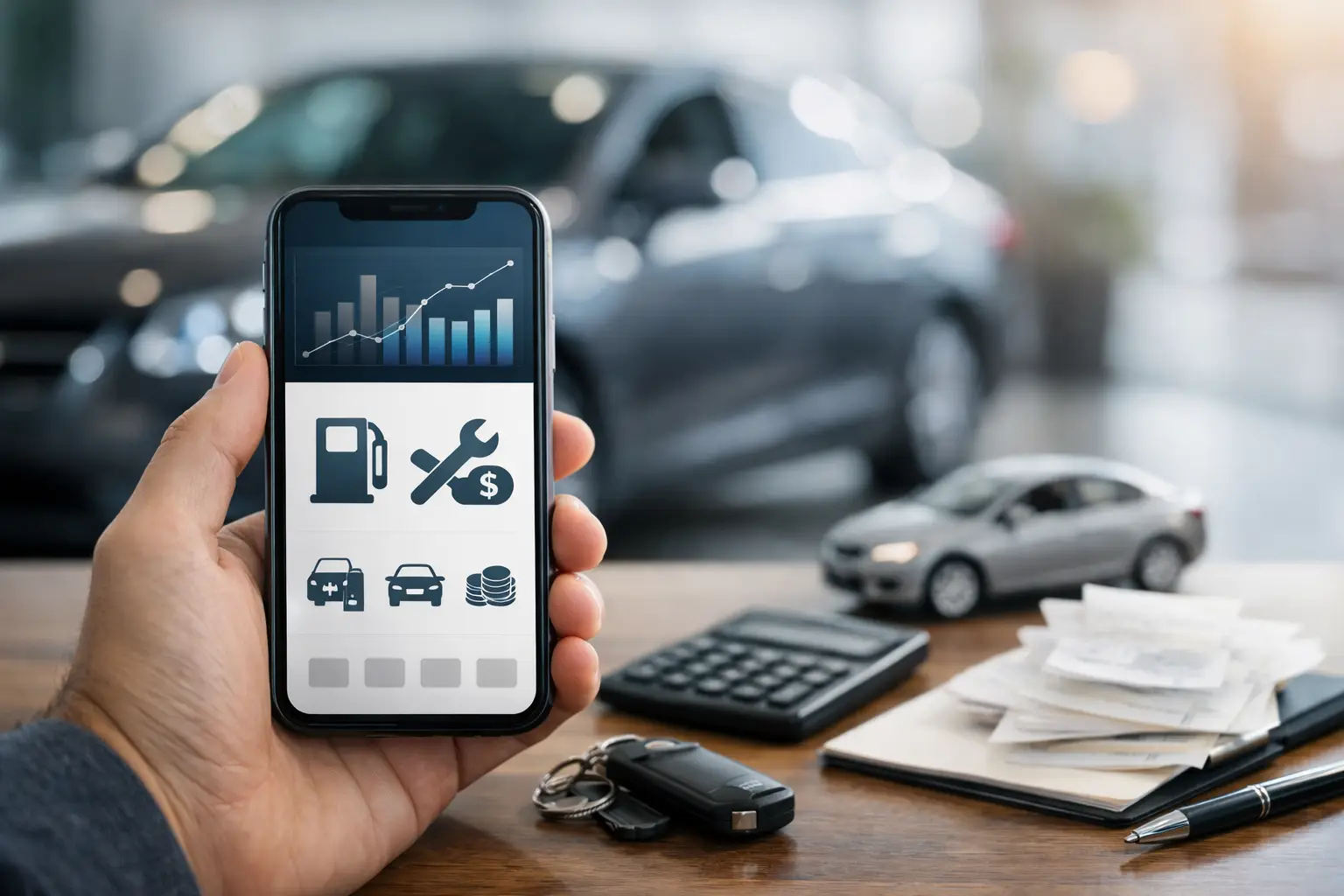
The moment you try to answer a simple question like, "How much have I actually put into this car?" things usually get messy fast. Fuel is in one app, service receipts are in your glove box, mod costs are buried in old emails, and warranty info is somewhere you swear you saved. A good car expense tracker app fixes that by turning scattered records into one clear ownership history you can actually use.
For enthusiasts, that matters even more. Your vehicle is not just transportation. It is a project, a daily driver you care about, a weekend build, or part of a collection you want to preserve properly. If the app only tracks gas mileage and basic maintenance, it is missing half the story.
What a car expense tracker app needs to do
At the most basic level, any car expense tracker app should help you record where your money is going. But if that is all it does, it quickly becomes another digital notebook. The better approach is to connect every expense to the life of the vehicle - what was done, when it was done, why it was done, and what it means for the next owner or your future plans.
That means the app should not treat an oil change, a set of coilovers, and a registration renewal like identical transactions. They all affect ownership costs, but they serve different purposes. One protects reliability, one changes the build, and one is part of legal ownership. Good tracking gives those costs context.
This is where many generic budgeting apps fall short. They can tell you that you spent $800 at an auto shop. They usually cannot tell you whether that was brake service, alignment work, a clutch replacement, or dyno tuning. For serious owners, details are the whole point.
Service history is the foundation
If an app cannot handle maintenance properly, it is not built for real vehicle ownership. You should be able to log routine services like oil changes, tire rotations, brake jobs, fluid flushes, battery replacements, and inspections without turning the process into a chore.
More importantly, each service entry should include mileage, date, cost, notes, and supporting documents. That is what gives the record long-term value. Six months from now, you may not remember which brake pads were installed or whether the transmission service happened at 60,000 or 75,000 miles. A complete log removes the guesswork.
There is also a money angle here that people often miss. When you track service clearly, patterns show up. You start to see your average annual maintenance cost. You can spot whether a vehicle is becoming expensive to keep. You can compare what one shop charges versus another. That makes the app more than a recordkeeper - it becomes a tool for better ownership decisions.
Reminders matter because memory fails
Even organized owners miss things when life gets busy. A timing service slips past. Tire age gets ignored. Registration creeps up. That is why reminders tied to mileage, date, or custom intervals matter so much.
The trade-off is that reminder apps without real expense tracking feel too shallow, while expense trackers without reminders leave too much work on the owner. The best setup combines both. You log the service once, and the app helps you stay ahead of the next one.
Modification tracking is not optional for enthusiasts
If you own a modified vehicle, your expenses are not limited to maintenance. Wheels, suspension, exhaust, engine parts, tuning, detailing, bodywork, audio upgrades, lighting, and cosmetic changes all add up fast. A basic car expense tracker app often treats those as miscellaneous purchases. That is a mistake.
Mods need their own structure because they tell the story of the build. You want to know what was installed, which brand was used, when it was added, what it cost, and ideally what photos or receipts go with it. That record helps you manage future upgrades, troubleshoot compatibility issues, and prove value when it is time to sell.
This is also where emotional and financial value overlap. A build is personal, but it is still an investment of time and money. If your records are clean, you can show buyers that the car was cared for and modified intentionally, not pieced together carelessly.
Receipts and documents should live with the car
A lot of ownership value gets lost because documentation is fragmented. The invoice exists, but it is buried in email. The warranty card exists, but it is in a drawer. The emissions paperwork exists, but nobody knows where. That creates friction every time you need proof.
A strong app should let you attach receipts, photos, warranties, and service documents directly to the relevant entry or vehicle profile. This sounds simple, but it changes how useful the record becomes over time. When everything is in one place, you spend less time searching and more time making decisions.
It also helps in moments that matter. Maybe you need to verify a part number, make a warranty claim, prove maintenance to a buyer, or remember exactly when tires were installed. Centralized records reduce stress because the answer is already there.
Cost categories need to reflect real ownership
Not all car expenses are the same, and a serious app should respect that. Ownership costs usually fall into a few distinct buckets: maintenance, repairs, modifications, fuel, insurance, registration, detailing, storage, and miscellaneous operating costs. If everything gets lumped together, the app becomes less useful the longer you use it.
Clear categories let you answer better questions. How much does the car cost to keep roadworthy? How much have you chosen to spend on upgrades? Are you sinking money into repairs that suggest it is time to rethink the platform? Are operating costs manageable across multiple vehicles?
For multi-car owners, this becomes even more important. Looking at one vehicle in isolation is helpful. Comparing expenses across your garage is where the bigger picture shows up.
A car expense tracker app should help protect resale value
People talk about resale value like it only depends on mileage and market timing. Documentation plays a huge role too. Buyers trust a car more when the history is easy to review. They trust it even more when modifications are documented cleanly instead of explained through a vague parts list and a folder of random screenshots.
That does not mean every dollar you spend comes back at sale time. It usually does not. But organized records reduce uncertainty, and uncertainty is what makes buyers negotiate hard or walk away.
This is one of the biggest differences between casual recordkeeping and a purpose-built ownership platform. You are not just tracking expenses for yourself. You are building a history that can support the vehicle's value later.
The best app feels useful on day one and better over time
A lot of apps promise organization, then ask for so much setup that people abandon them after a week. The best car expense tracker app should be easy enough to start with one receipt, one service log, or one mod entry. It should also be structured enough that six months later, the data still makes sense.
That balance matters. If the app is too simple, it cannot grow with your vehicle. If it is too complicated, nobody sticks with it. Good design respects both realities.
This is why cross-device access is so valuable. You might snap a receipt on your phone at the shop, review totals later on a laptop, and pull up service history from your driveway while planning the next job. Ownership does not happen in one place, so your records should not either.
For enthusiasts who want more than a basic maintenance reminder, platforms like CarJourney make a stronger case because they connect service logs, modification history, documents, reminders, and shareable vehicle records in one system. That is a better fit for people who care about the full story of the car, not just the next oil change.
What to look for before you commit
If you are choosing an app, pay attention to whether it handles the type of ownership you actually have. A daily driver with routine maintenance needs one kind of structure. A modified project car or multi-vehicle garage needs much more depth.
Look for an app that can track mileage-based services, categorize expenses clearly, store receipts and photos, log modifications with detail, and keep everything attached to the right vehicle. If resale, transfers, or community sharing matter to you, those features should not feel tacked on.
Most of all, choose something you will keep using. The best records are not the most complex ones. They are the ones you can trust a year from now when the details really matter.
Your car will always cost money. The difference is whether those costs disappear into scattered transactions or become a clear history you can learn from, manage, and stand behind.