 carjourney
From the CarJourney journal
What Is Preventative Car Care and Why It Matters
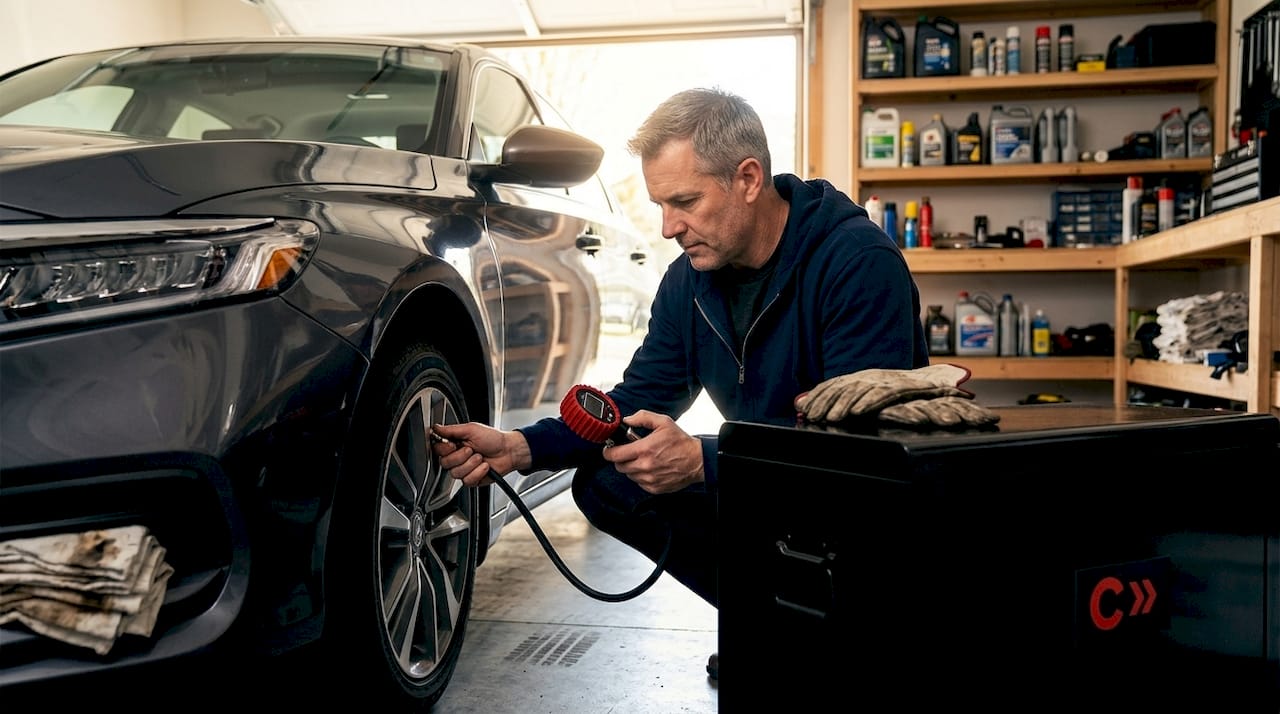
Most drivers know they should take their car in “every now and then.” But understanding what is preventative car care, and why it’s so much more than an occasional oil change, is what separates drivers who spend thousands on avoidable repairs from those who rarely do. Preventative car care means doing routine inspections and service at planned intervals to stop problems before they start. It covers everything from fluid checks and tire pressure to brake inspections and filter replacements. Done consistently, it keeps your car safer, more reliable, and worth more when you eventually sell it.
Table of Contents
- Key takeaways
- What is preventative car care: the full picture
- Following manufacturer schedules and service intervals
- Hands-on checks you should do yourself
- Special considerations in preventative car care
- Long-term benefits of consistent preventative care
- My honest take on preventative care
- Take control of your car’s maintenance with Carjourney
- FAQ
Key takeaways
| Point | Details |
|---|---|
| More than oil changes | Preventative care covers fluids, tires, brakes, filters, and electrical systems on a regular schedule. |
| Schedules are vehicle-specific | Follow your manufacturer’s intervals, not generic checklists, since every make and model has different needs. |
| Owner checks matter daily | Weekly tire and fluid checks catch small problems before they turn into costly repairs at the shop. |
| Conditions change intervals | Harsh climates, short trips, and salted roads all accelerate wear and require more frequent service. |
| Records protect your investment | Documented maintenance history increases resale value and proves the vehicle has been properly cared for. |
What is preventative car care: the full picture
Preventative car care is the practice of servicing and inspecting your vehicle on a scheduled basis before something breaks. Think of it less like reacting to problems and more like managing a long-term relationship with a machine that carries you and your family at 70 miles per hour. The goal is simple: catch small issues early so they never become dangerous or expensive.
It’s a misconception that preventative vehicle maintenance is just about oil. A thorough preventative care routine includes multi-point inspections and timely replacement of wear items across the entire vehicle. That means brakes, tires, oils, filters, coolant, battery health, belts, and more.
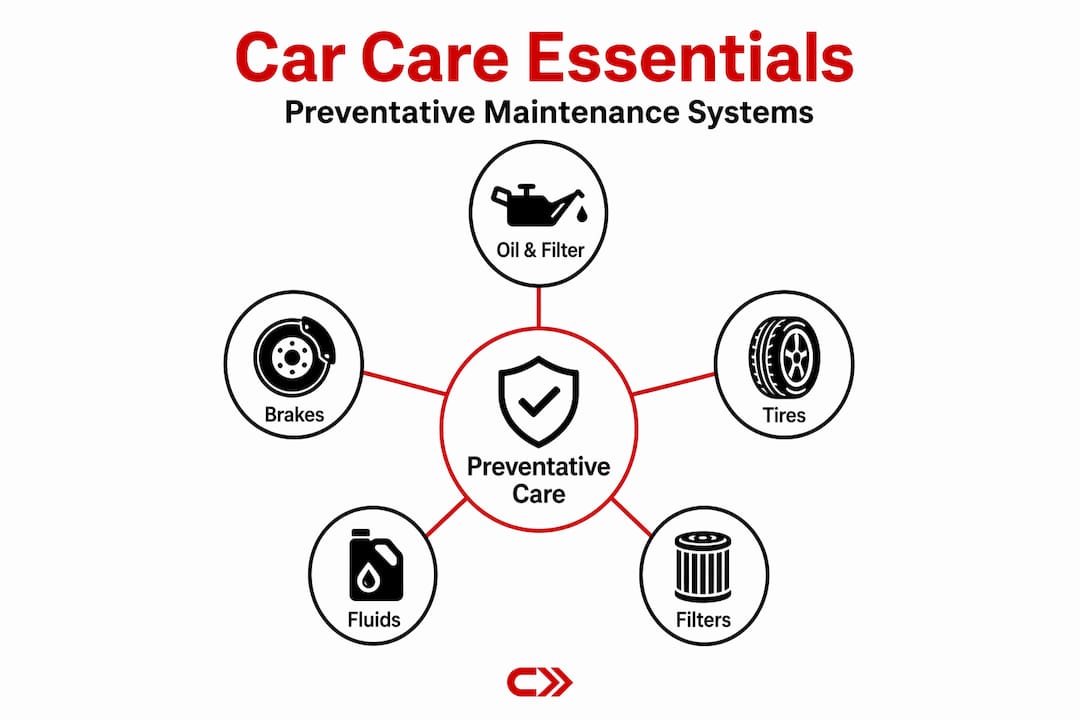
The importance of car upkeep becomes obvious once you understand what each system does. Brakes keep you alive. Tires connect you to the road. Coolant keeps your engine from destroying itself. Each system has a lifespan, and preventative care is simply the discipline of respecting it.
The core components every driver should know
Preventative auto care services typically cover the following:
- Oil and filter changes: Engine oil breaks down over time and loses its ability to lubricate moving parts. Old oil turns into sludge, and sludge kills engines. Change it per your manufacturer’s schedule, not some vague “every 3,000 miles” rule from decades past.
- Tire pressure and tread depth: Underinflated tires wear unevenly, reduce fuel economy, and can blow out at highway speeds. Tread depth affects stopping distance, especially in rain.
- Brake system inspection: Pads, rotors, and brake fluid all wear and degrade. Squealing, grinding, or a spongy pedal are signs you’re already behind schedule.
- Air and fuel filters: A clogged air filter starves your engine of oxygen. A clogged fuel filter forces your fuel pump to work harder. Both reduce performance and efficiency.
- Fluid levels: Coolant, transmission fluid, power steering fluid, and brake fluid each play a role in keeping your car functional and safe.
Pro Tip: During any fluid check, look at the color and smell of the fluid. Coolant that looks rusty, or brake fluid that smells burned, are early warning signs your mechanic needs to see before your next scheduled service.
Following manufacturer schedules and service intervals
Your owner’s manual is not just fine print. It is the single most useful maintenance document you own, written by the people who built your specific vehicle. Most drivers never open it.
Manufacturer schedules set the maximum service intervals and provide fallback timing for situations where monitoring systems fail. Ford’s owner’s manual explicitly warns against exceeding maximum intervals even if an oil-life monitor resets prematurely. That’s worth sitting with. Your dashboard reminder is a scheduling signal, not permission to push limits.
Here’s a general reference for common maintenance intervals. Yours may differ, so always cross-check with your manual or manufacturer-specific OEM guidelines.
| Maintenance task | Typical interval | Notes |
|---|---|---|
| Oil and filter change | 5,000 to 10,000 miles | Varies by oil type and vehicle |
| Tire rotation | Every 5,000 to 7,500 miles | Often done with oil changes |
| Air filter replacement | Every 15,000 to 30,000 miles | More often in dusty environments |
| Brake inspection | Every 12 months or 12,000 miles | Replace pads before metal-on-metal contact |
| Coolant flush | Every 30,000 to 60,000 miles | Check manufacturer spec |
| Transmission fluid | Every 30,000 to 60,000 miles | Check level and color regularly |
| Spark plugs | Every 30,000 to 100,000 miles | Iridium plugs last significantly longer |
One thing many drivers miss: preventative care combines both scheduled dealer services and owner-performed checks. These are not interchangeable. Your monthly tire pressure check does not replace an annual brake inspection. Both are required.
Pro Tip: Keep a physical or digital maintenance log with the date, mileage, and service performed every time you do any work on your car. It takes 30 seconds and becomes invaluable when diagnosing future problems, dealing with warranty claims, or selling the vehicle.
Hands-on checks you should do yourself
You don’t need a lift or a set of professional tools to practice good regular car maintenance. Some of the most impactful preventative automotive measures cost nothing but a few minutes.
The Pennsylvania DMV’s vehicle maintenance checklist recommends these owner-performed checks as a baseline for keeping your car safe between professional visits. The checklist exists because catching problems early, before they escalate, is where the real savings happen.
Here’s what you should be checking and how often:
- Tire pressure (weekly): Use a gauge, not a visual check. Tires can lose 10 PSI and still look fine to the naked eye.
- Oil level (monthly): Pull the dipstick when the engine is cold. Low oil is a sign of either burning or leaking, both worth investigating.
- Coolant level (monthly): Check the reservoir, not the radiator cap. Never open the radiator when the engine is hot.
- Brake fluid (monthly): The reservoir is typically near the firewall. If it’s low and you haven’t had a leak, your brake pads are likely worn.
- Battery terminals (monthly): Look for corrosion, which appears as white or blue-green buildup. Clean terminals improve electrical connection and extend battery life.
- Wiper blades (every 6 months): Streaking or skipping means they’re degraded. Replace before winter, not during your first heavy rainstorm.
Unusual noises, fluid leaks, and sluggish handling are signals to get a professional inspection immediately. Don’t wait for your next scheduled service. These symptoms can accelerate into severe, expensive damage within days or even miles.
Special considerations in preventative car care
Not every car, driver, or driving environment is the same. Generic maintenance advice breaks down quickly once real-world conditions enter the picture. This is where a lot of drivers go wrong: they follow a one-size-fits-all schedule and miss the fact that their specific situation demands more.
Severe driving conditions require adjusted maintenance intervals beyond standard schedules. Ford’s manual defines this explicitly, and the logic applies to virtually every vehicle. Harsh climates, road salt, dusty environments, frequent short trips under 5 miles, and heavy towing all accelerate component wear significantly.
The table below shows how standard and conditional maintenance tasks differ:
| Maintenance task | Standard conditions | Severe or special conditions |
|---|---|---|
| Oil change | Per oil-life monitor or 7,500 miles | More frequent, sometimes every 3,000 to 5,000 miles |
| Air filter check | Every 15,000 to 30,000 miles | Every 10,000 miles in dusty environments |
| Undercarriage inspection | Annually | Every 6 months in salt-heavy regions |
| Brake inspection | Every 12,000 miles | More often with heavy stop-and-go driving |
| Coolant check | Every 30,000 miles | More frequently with extreme heat or towing |
Electric vehicles deserve a specific mention here. EVs skip traditional tasks like oil changes and fuel filter replacements entirely, but they still require periodic suspension, steering, and brake inspections for safe operation. Battery thermal management systems, brake fluid, cabin air filters, and tire wear still demand attention. Preventative care for an EV looks different, but it does not disappear.
Following your manufacturer’s schedule also protects your warranty coverage. Skipping required services can give a manufacturer grounds to deny warranty claims, even on relatively new vehicles. That’s a risk not worth taking.
Long-term benefits of consistent preventative care
The financial case for regular car maintenance is straightforward: spending a little consistently costs far less than paying for a crisis. A set of brake pads costs a fraction of what rotors, calipers, and emergency towing runs when you let them go too long.

Routine maintenance preserves vehicle value, prevents expensive repairs, and keeps your car reliably safe. When it comes time to sell, a vehicle with documented maintenance history commands a higher price and sells faster. Buyers know what they’re getting. Consistent maintenance documentation signals reliability in a way that a freshly washed car simply cannot.
The non-financial benefits are just as real:
- Safety: Properly maintained tires, brakes, and lights reduce your accident risk and your liability.
- Reliability: A well-maintained car doesn’t leave you stranded. That peace of mind has practical value every day.
- Fuel economy: Clean filters, properly inflated tires, and fresh oil all contribute to better mileage. Even a 2% improvement adds up over thousands of miles annually.
- Driving confidence: There’s a specific kind of calm that comes from knowing your car is in good shape. It changes how you drive, especially in bad weather.
The best car maintenance tips always circle back to this truth: consistency beats intensity. A driver who checks their oil monthly and follows their service schedule will almost always outperform one who gets a “full detail service” once a year and ignores everything in between.
My honest take on preventative care
I’ve talked with enough vehicle owners to know the real reason most people skip maintenance. It’s not laziness. It’s that no one ever made it feel manageable. The information is scattered, the schedules are confusing, and it’s easy to trust that the car will just keep running.
What I’ve learned is that the biggest mistake isn’t skipping one oil change. It’s never developing a system. Once you have a log, a reminder, and a rough sense of your own schedule, the whole thing takes almost no mental effort. The drivers I’ve seen spend the least on repairs are almost never the most mechanically knowledgeable. They’re the most consistent.
I’ll also say this: generic checklists fail people. Preventative car care must be tailored to your specific vehicle, your driving environment, and your actual mileage patterns. A Civic driven 8,000 miles a year in San Diego has genuinely different needs than a pickup truck doing 25,000 miles a year in Minnesota winters. Treat your maintenance plan accordingly.
The best thing you can do for your car today isn’t a major service. It’s pulling out your owner’s manual, figuring out what’s actually due, and writing it down somewhere you’ll see it.
— Chally
Take control of your car’s maintenance with Carjourney
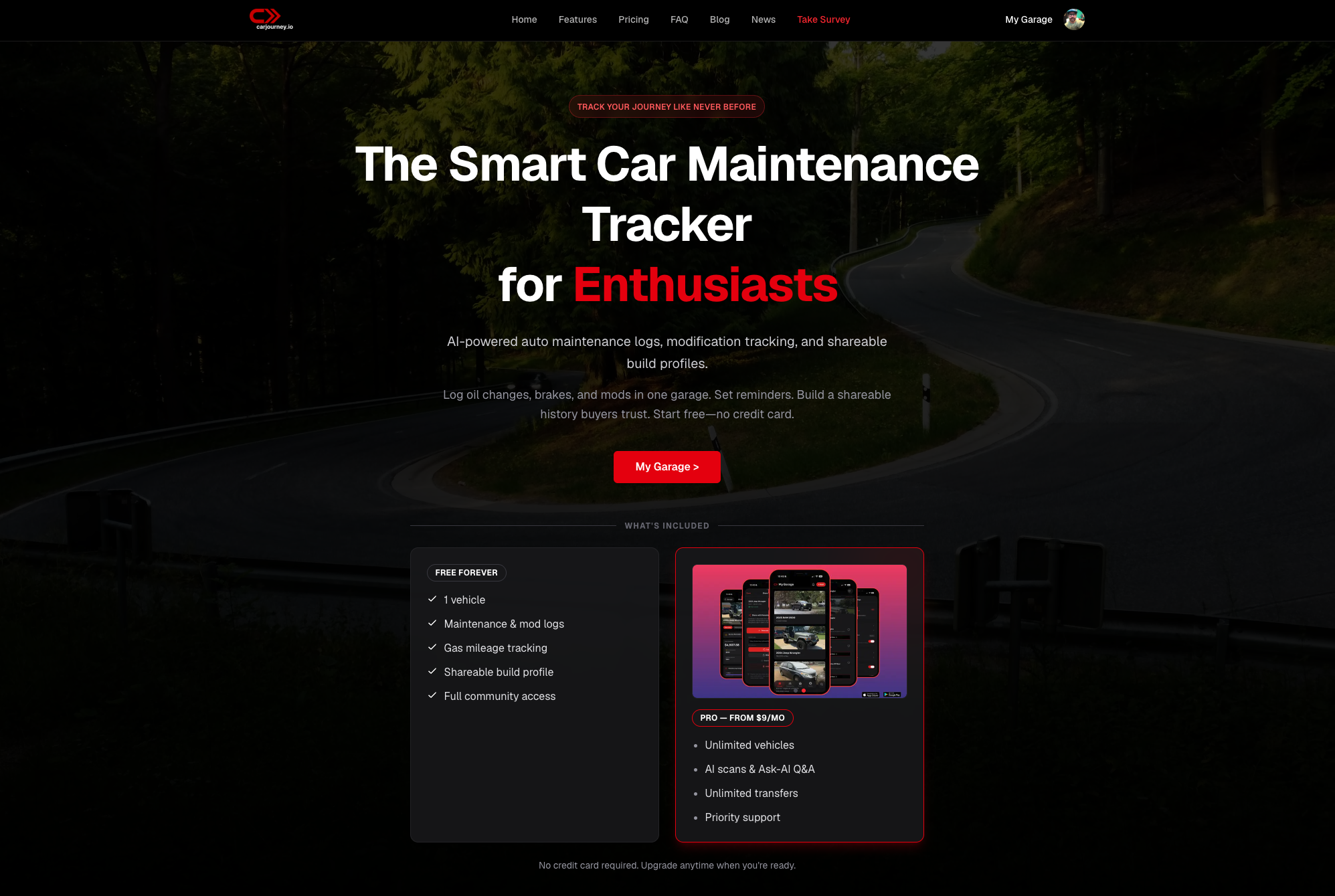
Keeping up with preventative vehicle maintenance is straightforward once you have the right system behind you. Carjourney was built for exactly this: a single place where you can track your service history, get AI-powered maintenance recommendations tailored to your exact vehicle, and never wonder again what’s due or when. No more scattered receipts. No more guessing. You can start tracking your car today and have a full picture of your vehicle’s health in minutes. Whether you’re catching up on missed services or building a proactive schedule from scratch, Carjourney turns car upkeep into something you actually stay on top of.
FAQ
What does preventative car care include?
Preventative car care includes routine oil changes, tire rotations, brake inspections, fluid checks, filter replacements, and battery checks performed on a scheduled basis. The goal is to catch wear and potential failures before they become breakdowns or safety hazards.
How often should I do preventative vehicle maintenance?
Service intervals vary by vehicle and task, but most manufacturers recommend oil changes every 5,000 to 10,000 miles, tire rotations every 5,000 to 7,500 miles, and annual brake inspections. Always follow your owner’s manual for your specific make and model.
Is preventative car care worth the cost?
Yes. Consistent preventative maintenance costs significantly less over time than emergency repairs, and it protects your vehicle’s resale value. Documented service history also gives buyers confidence and typically results in a higher sale price.
Do electric vehicles need preventative car care?
Electric vehicles skip oil changes and fuel filter replacements, but they still require regular brake, suspension, tire, and cabin air filter maintenance. Battery thermal systems and brake fluid also need periodic attention to keep the vehicle operating safely.
Can I do preventative car care myself?
Many owner checks, including tire pressure, fluid levels, battery condition, and wiper blade inspection, can be done at home with no special tools. These checks complement but do not replace professional scheduled services at a shop or dealership.