 carjourney
From the CarJourney journal
Benefits of Regular Car Servicing: 2026 Owner's Guide
Benefits of Regular Car Servicing: 2026 Owner’s Guide
Regular car servicing is defined as a scheduled program of inspections, fluid changes, and part replacements designed to keep your vehicle safe, efficient, and reliable. The benefits of regular car servicing reach well beyond a clean engine: they include lower fuel costs, fewer breakdowns, a longer vehicle lifespan, and a higher resale price. Industry standards recommend an interim service every 6 months or 6,000 miles, and a full service every 12 months or 12,000 miles. Modern vehicles are more complex than ever, with dozens of interconnected systems that degrade quietly. Staying ahead of that degradation is the single most cost-effective decision you can make as a car owner.
1. How does regular servicing improve your car’s safety?
Routine servicing is a direct safety intervention, not just a mechanical formality. A trained technician checks the systems most likely to cause accidents or leave you stranded: brakes, tires, lights, steering, and suspension. Regular servicing inspects critical systems to identify hidden wear that could compromise safety, reducing accident risks and breakdowns.
The systems checked during a standard service include:
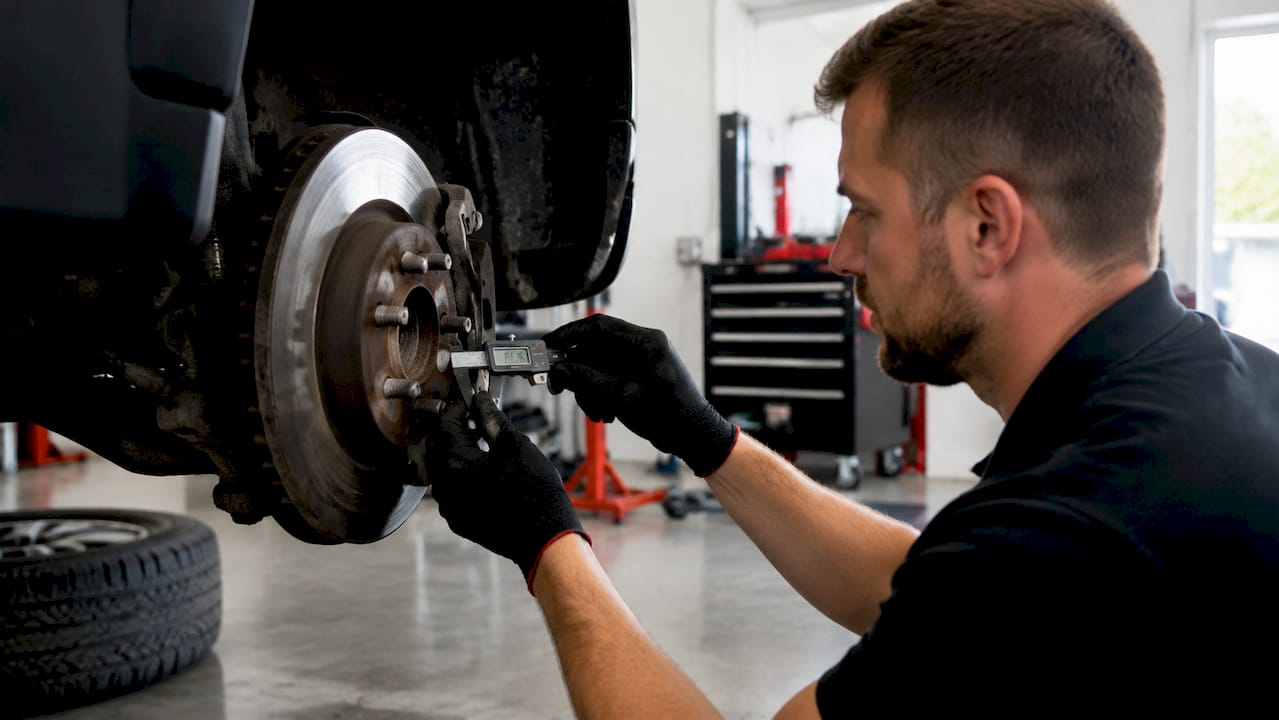
- Brakes: Pad thickness, rotor condition, and brake fluid level
- Tires: Tread depth, pressure, and sidewall integrity
- Lights: Headlights, brake lights, and turn signals
- Suspension: Shock absorbers and steering linkage
- Fluids: Coolant, power steering fluid, and windshield washer fluid
Early detection is the real payoff. A worn brake pad caught at a service costs a fraction of what a rotor replacement costs after metal-on-metal contact. A tire with low tread flagged during an inspection prevents a blowout at highway speed. The regular vehicle checks that feel routine are the ones that quietly prevent serious incidents.
Pro Tip: Ask your technician to show you the brake pad measurements at every service. Seeing the numbers yourself builds a clear picture of wear rate and helps you plan ahead.
2. How does servicing improve fuel efficiency and performance?
Proper maintenance directly cuts fuel consumption. Keeping tires at the correct pressure alone can improve fuel economy by up to 6%. For a driver covering 15,000 miles per year, that is a meaningful annual saving at the pump.
Several maintenance tasks work together to keep your engine running at its best:
- Oil changes: Fresh oil reduces internal friction, which means the engine works less to produce the same power
- Air filter replacement: A clogged filter restricts airflow and forces the engine to burn more fuel
- Spark plug inspection: Worn plugs cause misfires that waste fuel and reduce throttle response
- Tire pressure checks: Under-inflated tires increase rolling resistance on every mile you drive
Engine tuning and component checks also sustain power delivery over time. A car that feels sluggish after 50,000 miles without service is not aging. It is running on degraded oil, a dirty filter, and worn ignition components. Restore those, and the performance difference is immediate and measurable.
Pro Tip: Check your tire pressure on the first of every month. Tires lose roughly 1 PSI per month naturally, and cold weather accelerates that loss.
3. Why does regular servicing extend your vehicle’s lifespan?
The average age of cars on American roads is approximately 12.6 years. That figure reflects what consistent maintenance can achieve. A vehicle that receives timely oil changes, fluid replacements, and part inspections simply lasts longer than one that does not.
Parts degrade on two timelines: mileage and time. Fluids like oil and brake fluid degrade over time even with low annual mileage, requiring timely replacement to avoid corrosion and compromised safety systems. A car driven only 5,000 miles per year still needs annual servicing. The chemistry inside the fluids breaks down regardless of how far you drive.
“Consistent car maintenance is the most effective way to extend a vehicle’s lifespan without unnecessary overspending.” — Consumer Reports
This principle applies to electric vehicles too. EVs have fewer moving parts, but they still require brake fluid changes, tire rotations, and cabin air filter replacements. Neglecting those tasks shortens the life of components that are expensive to replace.
Pro Tip: If you drive fewer than 7,500 miles per year, set a calendar reminder for an annual service regardless of mileage. Time-based degradation is real and often overlooked.
4. How does a service history improve your car’s resale value?
A complete, documented service history increases resale value by demonstrating the vehicle has been meticulously cared for. Buyers in the used car market treat a full service record as proof of reliability. Without it, they assume the worst and negotiate accordingly.
The difference between a well-maintained and a neglected vehicle at resale is significant. Here is how buyers and dealers typically compare the two:
| Factor | Well-maintained vehicle | Neglected vehicle |
|---|---|---|
| Service records | Complete, stamped history | Missing or partial |
| Buyer confidence | High. Fewer unknowns | Low. Higher perceived risk |
| Negotiating position | Seller holds more leverage | Buyer demands discounts |
| Pre-sale inspection | Fewer surprises | More likely to reveal issues |
| Final sale price | Closer to market value | Below market value |
Documented service history from reputable garages significantly boosts buyer confidence and resale price. Digital record-keeping tools make this easier than a glove box full of receipts. Carjourney, for example, scans and stores service documents so your full history is always accessible and organized. You can read more about how service history affects resale and what buyers actually look for.
5. What are the financial benefits beyond resale value?
Routine servicing costs far less than the repairs it prevents. A standard oil change runs $50–$100. A seized engine from oil starvation can cost $4,000 or more. The math is not complicated.
- Avoided breakdown costs: Roadside assistance, towing, and emergency repairs carry premium prices. A scheduled service catches the failing part before it strands you.
- Lower fuel bills: Clean filters, fresh oil, and correct tire pressure reduce fuel consumption on every trip.
- Warranty compliance: Many manufacturer warranties require documented servicing at specified intervals. Missing a service can void coverage on expensive components.
- Insurance considerations: Some insurers factor vehicle condition into claims assessments. A documented maintenance record supports your position after an incident.
City driving and severe duty conditions require more frequent maintenance than standard use. Stop-and-go traffic, short commutes, and extreme temperatures all accelerate wear. Drivers in those conditions who follow standard intervals are, in practice, under-servicing their vehicles.
Here is a comparison of typical routine service costs versus common repair costs when maintenance is skipped:
| Maintenance task | Routine cost | Repair cost if skipped |
|---|---|---|
| Oil change | $50–$100 | Engine damage: $3,000–$8,000 |
| Brake pad replacement | $150–$300 | Rotor and caliper replacement: $600–$1,200 |
| Coolant flush | $80–$150 | Overheated engine: $1,500–$4,000 |
| Tire rotation | $30–$60 | Premature tire replacement: $400–$800 |
The pattern is consistent. Every skipped service trades a small, predictable cost for a large, unpredictable one.
6. How does a trusted repair shop change your maintenance outcomes?
Having a consistent repair shop builds a documented vehicle history, enabling proactive prediction of failing components and saving costly breakdowns. A technician who has serviced your car for three years knows its quirks. They notice when something has changed. That institutional knowledge is genuinely valuable and hard to replicate by switching shops every time.
Overly frequent servicing beyond manufacturer recommendations often leads to unnecessary expenses unless driving conditions are severe. A trusted shop tells you when a service is not yet needed. That honesty saves money and builds a relationship worth keeping.
If you notice signs of deeper engine trouble between services, resources like Engine Zone’s guide to engine replacement signs can help you identify whether the issue warrants urgent attention before your next scheduled visit.
Key takeaways
Regular car servicing protects your safety, cuts long-term costs, and preserves your vehicle’s value through consistent, scheduled maintenance.
| Point | Details |
|---|---|
| Safety comes first | Servicing catches brake, tire, and suspension wear before it causes accidents or breakdowns. |
| Fuel savings are real | Correct tire pressure alone can improve fuel economy by up to 6% per Toyota research. |
| Fluids degrade by time, not just miles | Annual servicing is necessary even for low-mileage vehicles due to fluid chemistry breakdown. |
| Service records pay off at resale | A complete, stamped history builds buyer confidence and supports a higher sale price. |
| Routine costs beat repair costs | A $100 oil change prevents engine damage that can cost $3,000 or more to fix. |
Why I think most car owners get servicing backwards
Most car owners treat servicing as something they do when the warning light comes on. That is reactive maintenance, and it is the most expensive way to own a car. By the time a warning light appears, the damage is often already done.
The owners I have seen get the most from their vehicles treat servicing like a subscription, not an emergency response. They book the interim service in the spring and the full service in the fall. They keep digital records. They ask questions at every visit. That consistency compounds over years. A car with 120,000 miles and a complete service history is a fundamentally different asset than one with 80,000 miles and no records.
The other misconception I run into constantly is that low mileage exempts you from annual servicing. It does not. Brake fluid absorbs moisture over time. Oil oxidizes. Rubber seals dry out. The calendar matters as much as the odometer. Treating your service schedule as mileage-only is one of the most common and costly mistakes I see.
The relationship with your shop matters more than most people realize. A technician who knows your car’s history can spot a pattern. They remember that your coolant was slightly low six months ago. They connect that to what they see today. That context is worth more than any diagnostic tool.
— Chally
Carjourney makes it easy to track every service benefit
Keeping up with your car’s maintenance schedule is straightforward when everything lives in one place. Carjourney is built for car owners who want to stay ahead of servicing, not catch up after something breaks.
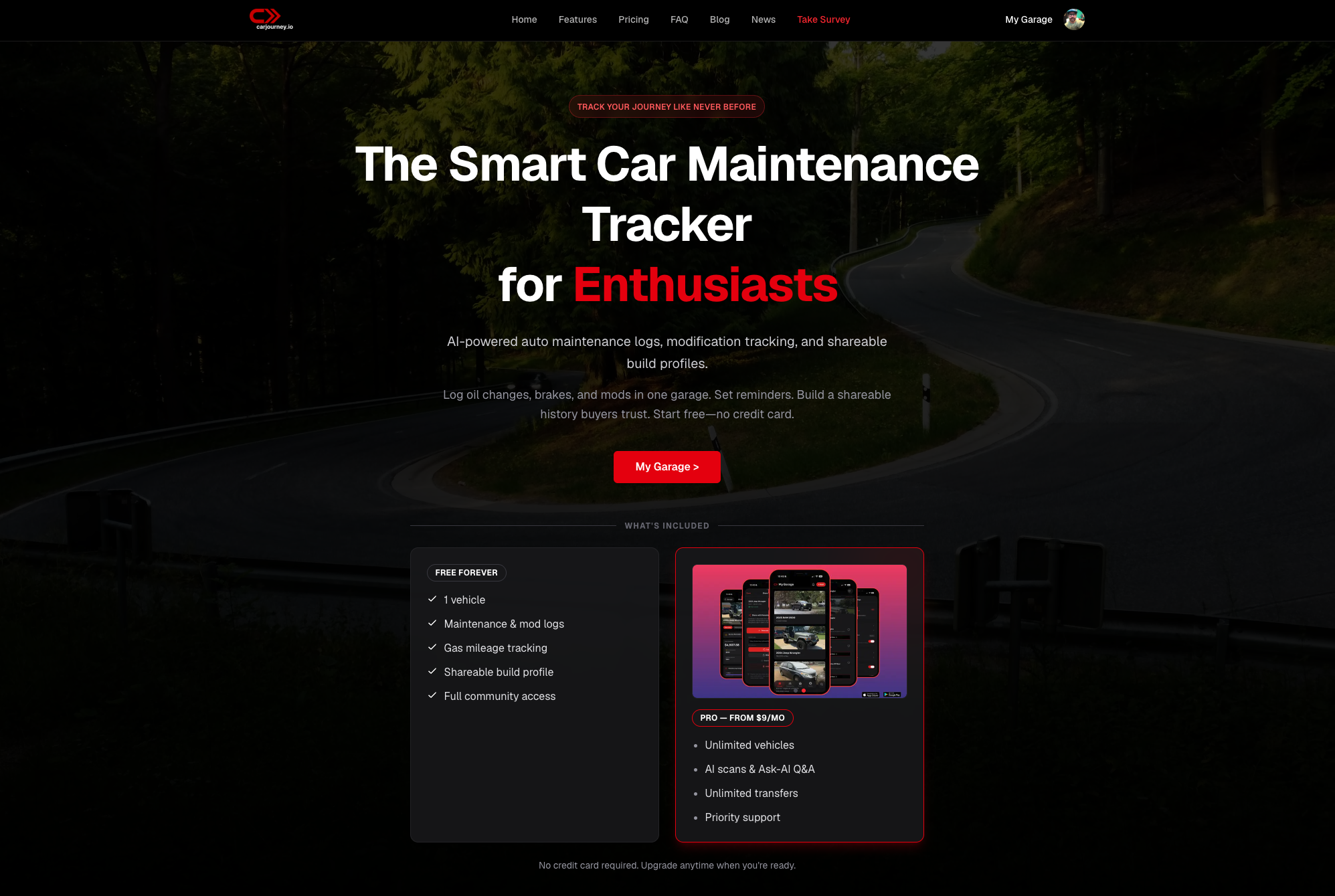
Carjourney uses AI to scan your service documents, build a complete maintenance history, and recommend schedules based on your specific vehicle. Whether you drive a daily commuter or a weekend build, the platform connects your records to a community of enthusiasts and AI-verified maintenance guidance. Your service history is always organized, always accessible, and always working to protect your car’s value. Start tracking your maintenance with Carjourney’s maintenance tracker and put every service to work for you.
FAQ
How often should I service my car?
Industry standards recommend an interim service every 6 months or 6,000 miles and a full service every 12 months or 12,000 miles. Drivers in severe conditions such as city traffic or extreme temperatures should service more frequently.
Does low mileage mean I can skip annual servicing?
No. Fluids like oil and brake fluid degrade over time regardless of distance driven, so annual servicing remains necessary even for low-mileage vehicles.
How does a service history affect my car’s resale value?
A complete, documented service history increases resale value by giving buyers confidence the vehicle has been properly maintained. Gaps in records reduce buyer trust and invite lower offers.
What are the biggest financial benefits of routine car maintenance?
Routine servicing prevents costly repairs. An oil change costing $50–$100 can prevent engine damage that runs $3,000 or more, making regular maintenance the lowest-cost ownership strategy available.
Can service records increase what I get for my car?
Yes. Detailed service records from reputable garages directly support a higher asking price and give you stronger negotiating leverage when selling privately or trading in.