 carjourney
From the CarJourney journal
Car Documentation That Protects Your Build
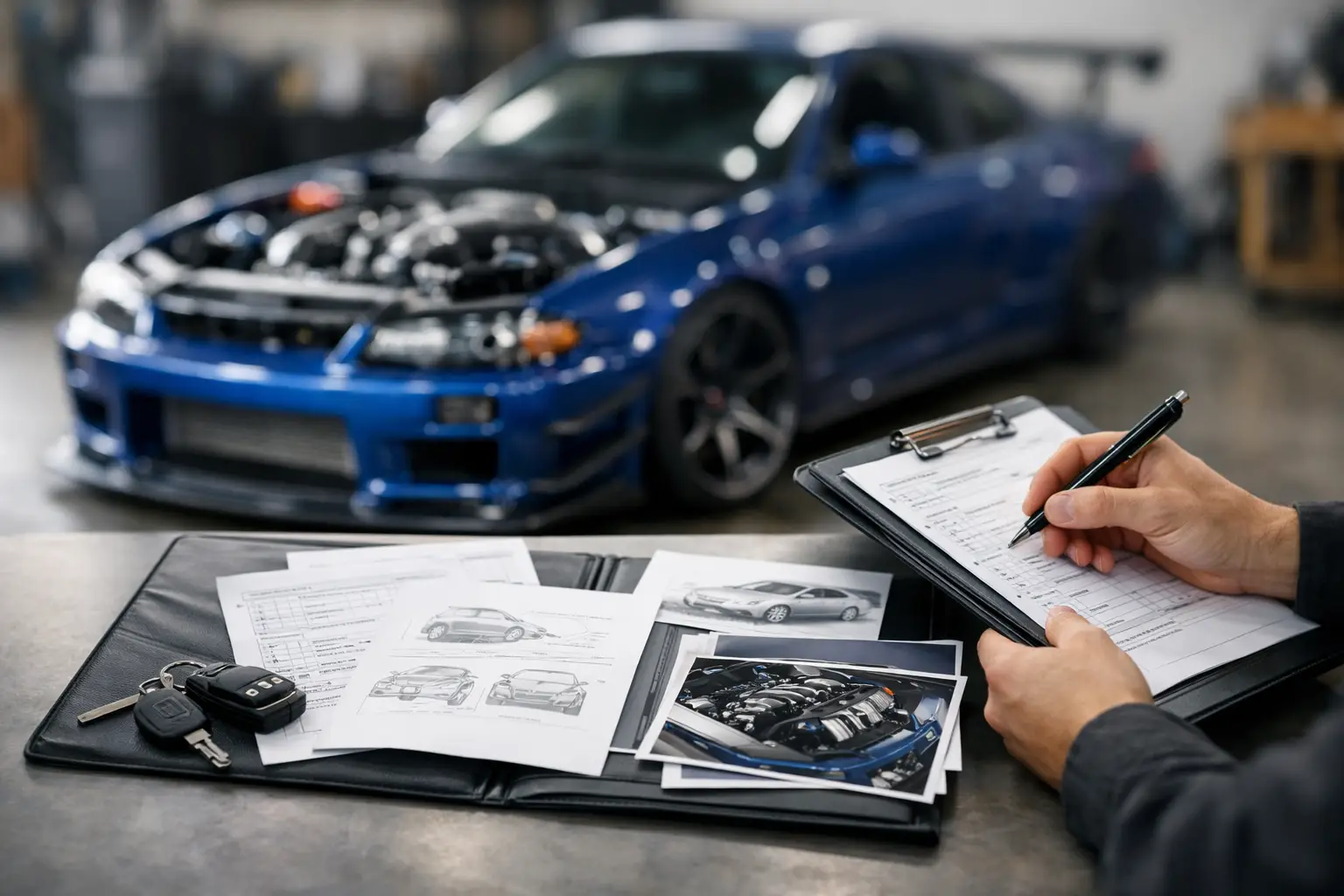
A brake job receipt in the glovebox, a parts order buried in your email, photos of a suspension install on an old phone, and a maintenance spreadsheet you stopped updating six months ago - that is how car documentation gets lost. The work still happened. The money was still spent. But when you need to diagnose an issue, prove an upgrade, or sell the car, fragmented records do not tell a convincing story.
For enthusiasts, documentation is not busywork. It is the proof behind the build, the maintenance plan, and the value you have put into a vehicle over time. A clean history helps you make better ownership decisions now and gives the next owner a reason to trust the car later.
What car documentation should include
Good car documentation captures more than oil changes. It should create a timeline that explains how the vehicle has been owned, maintained, repaired, and modified.
Start with the basics: purchase information, VIN, mileage at purchase, title details, insurance records, and any inspection or registration paperwork worth keeping. These records establish the vehicle's starting point, especially if it is a used car with a history before you owned it.
Maintenance records are the foundation. Log routine services such as oil and filter changes, tire rotations, brake fluid flushes, alignments, battery replacements, and coolant service. Include the date, mileage, shop or DIY details, products used, total cost, and receipt. Mileage matters because it turns a stack of invoices into a service timeline you can actually use.
Repairs deserve the same level of detail. If you replace a water pump, diagnose a misfire, repair a leak, or install a new clutch, record the symptoms, the final fix, and the parts involved. A future issue may look familiar, and a clear note can save you from paying to diagnose the same problem twice.
For modified vehicles, document every meaningful change. Track the part brand and part number, installation date, mileage, labor cost, tuning details, supporting upgrades, and photos. A listing that says “full bolt-ons” leaves questions. A documented build showing the intake, exhaust, intercooler, tune, suspension components, and installation history gives buyers something real to evaluate.
Why organized car documentation pays off
The immediate benefit is control. When your records are organized, you know what the car needs, what has already been done, and how much ownership is actually costing you. That matters whether you maintain a daily driver, a weekend canyon car, a truck, or several vehicles in the same household.
It also protects you from missed maintenance. If you cannot remember whether the differential fluid was changed at 60,000 miles or 90,000 miles, you are forced to guess. Guessing can lead to unnecessary work, delayed service, or both. With a clear record and reminders tied to mileage and time, you can handle maintenance before it becomes an expensive surprise.
Documentation is especially valuable when troubleshooting. A shop can work faster when you can show recent repairs, installed parts, and prior diagnostic notes. If a check engine light appeared after a new intake and tune, that context matters. If a vibration began shortly after tires were mounted, an alignment was performed, or suspension parts were installed, the history narrows the search.
Then there is resale. Most buyers say they want a well-maintained car, but what they really want is evidence. Receipts, service logs, photos, and warranty documentation make it easier to support your asking price. They also help separate a carefully owned modified car from one that has simply been driven hard with little thought given to upkeep.
Documentation will not always return every dollar invested. Modifications rarely add value dollar for dollar, and some buyers prefer a stock vehicle. But organized records reduce uncertainty. The right buyer can see that your parts were selected intentionally, installed properly, and maintained alongside the rest of the vehicle.
Build a record that is useful, not just complete
Saving every receipt is a good start, but a useful record needs context. A photo of an invoice is hard to search when you need it quickly. Add a short description that explains the work and why it was performed.
For example, instead of logging “brakes,” record that front rotors and pads were replaced at 48,200 miles because of pulsation under braking, then note the parts used and whether the rear brakes were inspected. Instead of “coilovers installed,” record the model, spring rates if relevant, ride height or alignment settings, installation cost, and whether corner balancing was completed.
Photos are equally useful for modification tracking. Take pictures before, during, and after an install. Capture part labels, clean routing, wiring work, fabricated brackets, and the finished result. These images are helpful when you revisit the setup, troubleshoot an issue, make an insurance claim, or show a potential buyer that the work was done carefully.
Keep original files whenever possible. A receipt image is better than relying on memory, and an emailed invoice can disappear when accounts change or a shop updates its system. Store copies of warranties, dyno sheets, alignment printouts, inspection reports, tune files, and major parts invoices with the related service or modification entry.
Digital records beat the glovebox system
Paper records have a place, especially for title documents and original warranties. But a glovebox folder does not help when you are at a parts counter, in a shop waiting room, or looking at a car from your phone. It also does not protect you from water damage, lost paperwork, or the moment you sell a vehicle and forget which folder belongs to which car.
A digital system gives every vehicle its own history and keeps it available across devices. The key is consistency. Log work when it happens, attach the receipt immediately, and add the next due date or mileage interval before you move on. Waiting until the end of the year turns a simple habit into a reconstruction project.
CarJourney is built around that routine: maintenance logs, modifications, document storage, photos, costs, and reminders can live in one vehicle history instead of across apps, folders, and notes. For owners with multiple cars or long-term projects, having a separate but consistent record for each vehicle makes a real difference.
Avoid the gaps buyers and shops notice
A perfect history is not required. Older cars, inherited vehicles, and project builds often come with unknowns. The goal is not to invent a complete past. It is to be clear about what you know and document everything from this point forward.
Be honest about previous-owner work. If a car came with aftermarket parts already installed, note that they were present at purchase and add photos. If you do not know the tune, clutch mileage, or internal engine work, say so. Honest gaps are more credible than vague claims.
Do not log only expensive work. Small entries build trust too. A record showing regular oil changes, wiper replacements, tire purchases, inspections, and battery testing signals consistent ownership. For a performance car, logging heat-range spark plugs, fluid changes, track inspections, and tire dates shows that the owner understood the demands of the setup.
Finally, document money without letting the number become the whole story. Tracking costs helps you budget, compare repair decisions, and understand your investment. But a buyer is not paying you back for every part. They are paying for the condition, specification, and confidence the car presents. Your records make that confidence easier to earn.
Your vehicle already has a story. Keep the receipts, capture the work, and log the details while they are fresh. Years from now, you will have more than a pile of invoices - you will have a history that helps you maintain the car with confidence and hand it off with pride.