 carjourney
From the CarJourney journal
Common Car Upgrades That Actually Improve Your Ride

Common car upgrades are modifications that improve your vehicle’s performance, appearance, or comfort beyond factory specifications. The U.S. specialty equipment and performance parts market reached nearly $53 billion in retail sales by 2025, which tells you this is not a niche hobby. Pickup truck modifications alone account for about 30% of that market. Whether you want more power, a sharper look, or a more comfortable daily driver, the right popular vehicle modifications deliver real, measurable results without wrecking your resale value.
1. Common car upgrades that boost engine performance
Engine upgrades for cars fall into three core categories: ECU remapping, exhaust systems, and intake improvements. Each one targets a different part of the air and fuel delivery process, and they work best when treated as a system rather than isolated parts.
ECU remapping (also called chip tuning) reprograms your engine’s control unit to adjust fuel maps, ignition timing, and boost pressure. This single change often delivers the largest power gain per dollar of any bolt-on modification. The catch is that remapping works best when your engine is already in good mechanical shape.
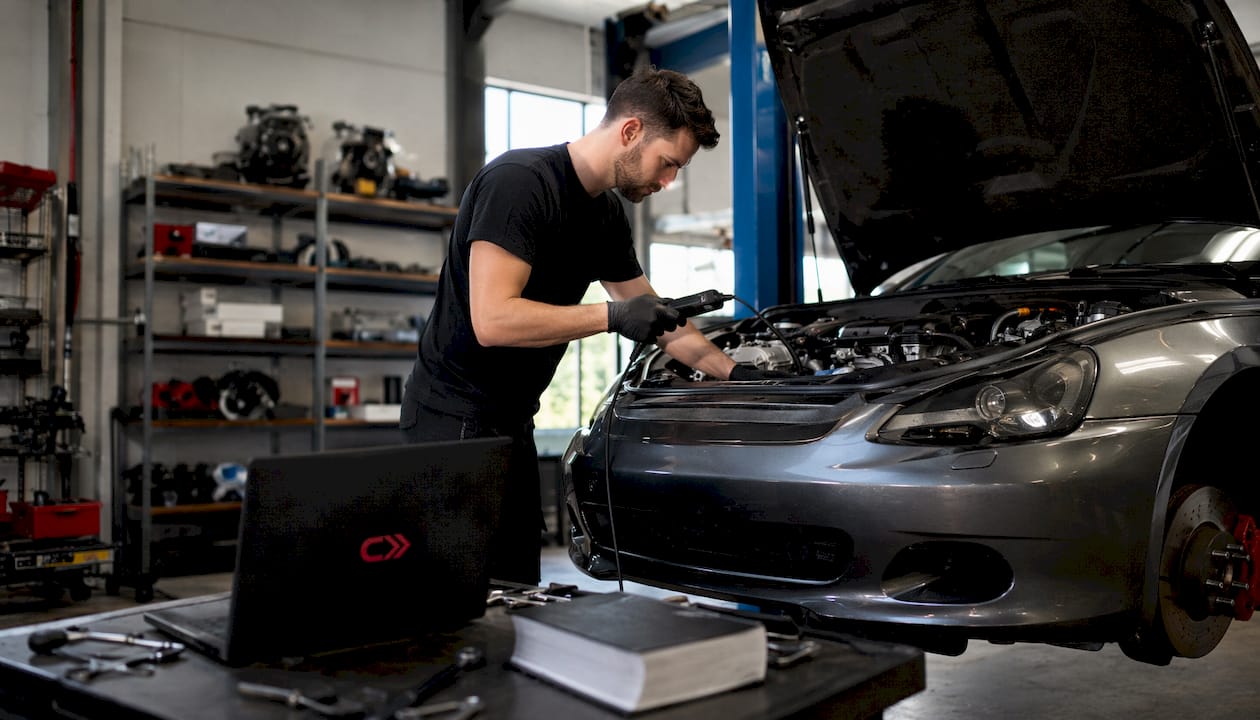
Upgraded exhaust systems reduce back pressure and improve exhaust flow. A cat-back or axle-back system is the most common starting point because it fits factory mounting points and does not require cutting the chassis. You get a deeper sound and modest power gains, especially when paired with other mods.
Cold air intakes and performance air filters pull cooler, denser air into the engine. Cooler air carries more oxygen, which supports better combustion. A drop-in performance filter like a K&N replacement element is the most affordable entry point, while a full cold air intake kit moves the filter outside the engine bay entirely.
The critical rule: stacking intake and exhaust parts without a professional ECU recalibration produces noise but no real power gains. Without a matching tune, high-flow parts can actually cause a lean fuel condition that damages the engine over time.
- ECU remap: largest single power gain, requires healthy engine baseline
- Cat-back exhaust: bolt-on fitment, improved flow and sound
- Cold air intake: cooler charge air, pairs well with exhaust and tune
- Performance air filter: lowest cost entry, direct drop-in replacement
Pro Tip: Always get a dyno tune after adding intake and exhaust mods. A calibrated ECU map turns a collection of parts into a performance stack that actually works together.
2. Suspension and braking upgrades for handling and safety
Power without control is dangerous. The industry shorthand is “Go and Whoa.” Brakes and suspension must be upgraded to match any increase in engine output, or you create a vehicle that accelerates faster than it can stop or corner.
Suspension upgrades range from mild to aggressive. Lowering springs drop ride height by one to two inches, sharpen turn-in response, and cost far less than a full coilover kit. Coilovers let you adjust ride height and damping independently, which is the right choice if you track the car or want precise control over the setup. For daily drivers, a set of quality performance shocks paired with factory-height springs often delivers the best balance of comfort and handling.
Brake upgrades follow a similar logic. Performance brake pads are the first and most cost-effective step. They bite harder at operating temperature and resist fade during spirited driving. Slotted or cross-drilled rotors improve heat dissipation and keep pad material from glazing. For serious power builds, a big brake kit with larger calipers and rotors is the right call. Upgrading your brake lines to stainless steel braided lines also reduces pedal sponginess by eliminating flex in the rubber hose.
- Lowering springs: affordable, mild drop, improved cornering
- Coilovers: adjustable height and damping, best for track or enthusiast use
- Performance brake pads: first brake upgrade, better bite and fade resistance
- Slotted or cross-drilled rotors: improved heat management
- Stainless steel brake lines: firmer pedal feel, direct response
Pro Tip: Never upgrade engine output without also upgrading brakes. A car that makes 50 more horsepower needs proportionally more stopping force. Budget for both at the same time.
3. Aesthetic and comfort upgrades that change how your car looks and feels
Visual and interior improvements make up a large share of top sought-after modifications because they deliver immediate, visible results. You do not need to open the hood to transform how a car looks and feels.
Alloy wheels and performance tires are the single most impactful visual upgrade. Wheels and tires improve both appearance and real-world performance by reducing unsprung weight and improving traction. A wider tire with a lower profile sharpens steering response and fills the wheel arch more aggressively.
LED lighting upgrades cover headlights, taillights, fog lights, and interior ambient strips. LED headlights produce more light output with less power draw than halogen bulbs. Interior LED strips add a clean, modern look without permanent wiring changes.
Window tinting reduces cabin heat, cuts glare, and adds privacy. Legal tint limits vary by state, so check your local regulations before choosing a darkness level. Ceramic tint blocks more infrared heat than dyed film and does not interfere with GPS or phone signals.
Infotainment upgrades with Apple CarPlay and Android Auto integration are among the most practical interior car improvements available. A modern head unit replaces an outdated factory screen and adds wireless connectivity, navigation, and media control in one swap.
Seat covers and floor mats protect the factory interior and add a personal touch. Quality rubber floor mats from brands like WeatherTech protect carpet from mud, water, and wear, which directly supports resale value.
4. How to choose reversible upgrades that protect resale value
Reversible modifications are the smartest long-term investment for most car owners. Functional, high-quality, reversible upgrades like alloy wheels, infotainment systems, and mild suspension improvements actively increase used vehicle resale value. Extreme or highly personalized mods narrow your buyer pool when it is time to sell.
Drop-in upgrades fit factory mounts and are easier to install, remove, and keep street-legal compared to custom fabrication work. A bolt-on cold air intake can be swapped back to stock in under an hour. A custom widebody kit cannot.
The practical rule is this: if a mod can be undone in an afternoon without special tools, it is a safe choice for a daily driver. If it requires cutting, welding, or permanent chassis changes, think carefully about whether the gain is worth the resale cost.
- Start with bolt-on lighting and interior accessories
- Add mild suspension and wheel upgrades next
- Layer in performance mods with a matching tune
- Keep all factory parts in storage for a clean reversal
Avoid mods that are purely cosmetic and non-functional, like oversized spoilers on front-wheel-drive cars or stretched tires that compromise handling. Buyers and inspectors both notice these choices.
5. Choosing the right upgrades for your vehicle and goals
Not every car is equally easy to modify. Platforms like the Honda Civic and Jeep Wrangler carry extensive aftermarket support, which means more parts, more community knowledge, and easier installation. Modern luxury vehicles with encrypted ECUs and proprietary software are far harder to tune without specialized tools.
Your intended use shapes every decision. A daily driver benefits most from comfort, reliability, and mild performance gains. A weekend track car justifies more aggressive suspension, brake, and engine work because it is not subject to the same wear-and-tear demands. Mixing track-spec parts into a daily driver often creates a car that is harsh, loud, and tiring to live with.
Budget discipline matters more than most enthusiasts admit. A $500 intake on a car with worn spark plugs and dirty injectors will deliver almost nothing. Fix the mechanical baseline first, then add performance parts on top of a healthy foundation.
Sourcing quality parts from reputable suppliers and checking community forums for platform-specific feedback saves money and avoids compatibility problems. Carjourney connects enthusiasts with real-world build data and AI-verified modification recommendations tailored to your exact vehicle, which cuts through the noise of generic advice. You can also check popular upgrade trends for your platform before committing to a purchase.
Pro Tip: Before buying any performance part, search for your exact vehicle make, model, and year in enthusiast forums. If you cannot find five real-world installs with feedback, the part may not have enough community validation to trust.
Key takeaways
The most effective car upgrades treat performance, handling, and aesthetics as a connected system rather than a list of isolated parts to check off.
| Point | Details |
|---|---|
| Tune before stacking parts | ECU recalibration is required to unlock real gains from intake and exhaust mods. |
| Balance Go and Whoa | Every power upgrade needs a matched brake and suspension improvement for safe driving. |
| Prioritize reversible mods | Bolt-on and drop-in upgrades protect resale value and keep the car street-legal. |
| Match mods to your platform | Tuner-friendly vehicles like the Honda Civic offer far more aftermarket support and community knowledge. |
| Fix the baseline first | Performance parts deliver nothing on a car with worn mechanical components underneath. |
What I’ve learned from years of modding cars
The biggest mistake I see enthusiasts make is buying parts before buying a plan. A cold air intake sitting on a car with a stock ECU and a leaking exhaust manifold gasket is not a performance upgrade. It is an expensive decoration.
My personal favorite starting point is always the same: brakes, tires, and a tune. Those three changes transform how a car feels more than any single bolt-on part. The brakes give you confidence. The tires connect everything to the road. The tune makes the engine work the way it should have from the factory.
I have also learned to keep every factory part I remove. That habit has saved me money twice when I sold cars and could return them to stock for buyers who wanted a clean example. Reversibility is not just a resale strategy. It is a sign of a thoughtful builder.
The mod community is genuinely one of the best resources available, but it rewards people who ask specific questions. “What intake works on a 2019 Civic Si with a stock tune?” gets useful answers. “What’s the best intake?” gets noise. Carjourney’s AI-powered platform is built around that same principle: specific vehicle data, verified recommendations, and real community knowledge instead of generic lists.
— Chally
Carjourney: your resource for smarter vehicle upgrades
Carjourney was built by a team of gearheads and engineers who got tired of scattered forum threads and generic maintenance advice that ignored the specifics of their actual builds.
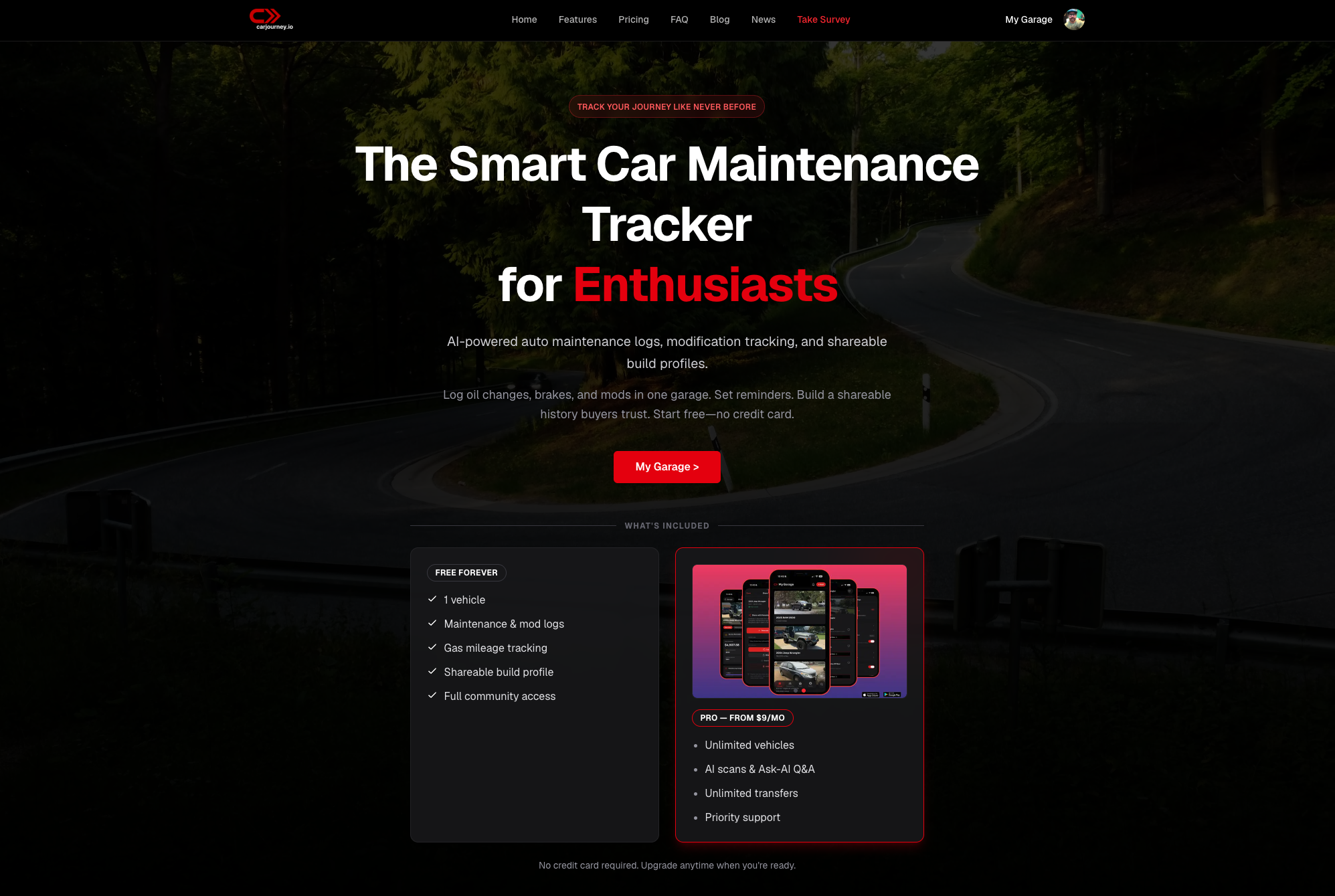
The platform uses AI to scan your service documents, answer detailed questions about your exact vehicle, and recommend modification schedules verified by multiple AI models. You also get access to a community of enthusiasts sharing real-world product data and build knowledge from vehicles like yours. Whether you are planning your first wheel upgrade or building a full performance stack, Carjourney gives you the specific, reliable information your build actually needs.
FAQ
What are the most common car upgrades?
Top modifications include ECU remapping, upgraded exhaust systems, performance brake kits, suspension adjustments, alloy wheels, LED lighting, and infotainment upgrades. These cover performance, safety, and aesthetics in one practical list.
Do car upgrades increase resale value?
Functional, reversible upgrades like alloy wheels, mild suspension improvements, and modern infotainment systems can increase used vehicle value. Extreme or permanent modifications typically reduce buyer appeal and lower resale price.
Is ECU remapping safe for my engine?
ECU remapping is safe when performed by a qualified tuner on a mechanically sound engine. Remapping a worn or poorly maintained engine can accelerate component failure.
What upgrades should I do first?
Start with tires, brakes, and a professional ECU tune before adding intake or exhaust parts. These three changes deliver the most noticeable improvement in real-world driving feel and safety.
Do I need professional installation for performance upgrades?
Drop-in parts like air filters and seat covers are straightforward DIY installs. ECU remapping, coilover installation, and big brake kits require professional tools and expertise to avoid safety or calibration issues.