 carjourney
From the CarJourney journal
Coolant Replacement Timing for Your Car
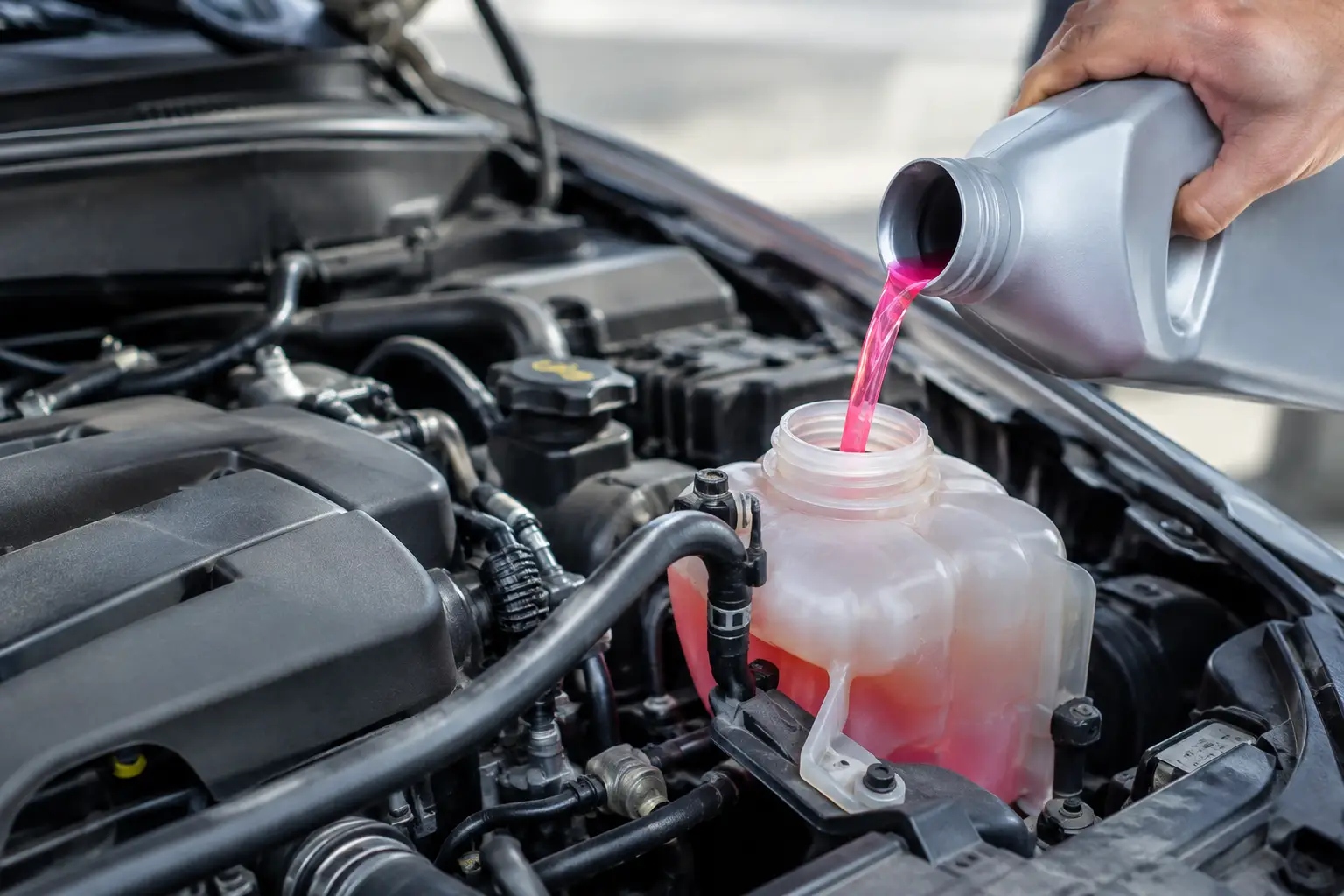
A coolant service can feel easy to postpone because the car still starts, runs, and holds temperature. But coolant replacement timing is not about waiting for an overheating warning light. It is about protecting the parts you cannot see: the water pump, radiator, heater core, hoses, cylinder head passages, and the corrosion inhibitors working inside them.
For an enthusiast-owned car, this is also one of those services worth documenting properly. A clean record of the coolant used, the date, mileage, and any related repairs makes future troubleshooting easier and gives the next owner more confidence in the vehicle’s history.
Start With Your Manufacturer’s Interval
The owner’s manual or factory maintenance schedule is the right starting point for coolant replacement timing. Modern long-life coolants often have first-change intervals around 100,000 miles or 10 years, followed by shorter intervals after that. Other vehicles call for replacement around 30,000 to 60,000 miles, or every two to five years.
Those numbers are not interchangeable. Coolant is more than colored antifreeze. Its additive package is designed around the metals, seals, and cooling-system materials in a specific vehicle. Using an interval from a friend’s car, an old forum post, or the color of the fluid alone can lead you in the wrong direction.
If you bought the car used and do not have proof of its coolant history, treat the interval as unknown. Inspect the system, identify the correct coolant specification, and establish a baseline service rather than assuming the fluid is still healthy because it looks reasonably clean in the overflow reservoir.
Mileage Is Only Half the Story
A garage queen can reach its time-based coolant interval long before it reaches the mileage target. Corrosion inhibitors deplete with age, even when the car spends most of its life parked. On the other hand, a track-driven, tow vehicle, desert-driven, or hard-used performance car may benefit from closer inspection than the normal schedule suggests.
Short trips matter too. They can create repeated heat cycles without enough sustained driving to fully stabilize temperatures and evaporate moisture. That does not automatically mean you need to replace coolant early, but it is a reason to stay current on inspections and records.
Signs Your Coolant May Be Due Early
The maintenance schedule should lead the decision, but the condition of the system can justify earlier service. Coolant that has turned rusty, cloudy, sludgy, or contaminated with oil needs attention now, not at the next planned interval. A sweet smell, visible seepage, recurring low coolant, or fluctuating temperature readings also deserve diagnosis.
Do not confuse a cooling-system problem with a simple fluid-change problem. If coolant is disappearing, a drain-and-fill will not fix a leaking radiator, failed water pump, cracked reservoir, weak cap, blown head gasket, or heater-core leak. Find the cause before refilling the system and calling the job done.
Pay attention to the heater as well. Weak cabin heat, a gurgling sound behind the dash, or a temperature gauge that swings between normal and hot can point to air trapped in the system or restricted flow. Both can happen after an improper refill, which is why the bleeding procedure matters as much as the new coolant.
Coolant Color Is Not a Service Schedule
Green, orange, pink, blue, yellow, and purple coolant are not universal categories. Different brands can use similar colors for different formulations, and the same type may be sold in multiple colors. Color can reveal obvious contamination or rust, but it cannot confirm compatibility or remaining protection.
Use the coolant specification listed by the manufacturer. Depending on the vehicle, that may mean an IAT, OAT, HOAT, phosphate-enhanced, silicate-free, or OEM-specific formula. Mixing the wrong types can reduce corrosion protection or create deposits, especially when the system already contains old fluid of unknown origin.
If you are unsure what is in the car, do not guess by color. A complete service with the correct approved product is usually the cleaner path. For a prized build, collector vehicle, or long-term keeper, saving the receipt and noting the exact product is just as valuable as doing the work.
Drain and Fill vs. Full Coolant Flush
A standard drain and fill replaces only part of the coolant because some remains in the engine block, heater core, and other passages. That is often enough for routine scheduled maintenance when the system is clean and functioning properly.
A full exchange or flush may make sense after contamination, neglected maintenance, the wrong coolant being added, or a major component repair. It can also be appropriate when restoring a project car with an unknown history. The trade-off is that aggressive flushing is not automatically better. On an older system with fragile components or heavy deposits, the wrong process can expose existing leaks or dislodge debris into small passages.
Use the service method recommended for your vehicle and its condition. If there is visible corrosion, oil contamination, overheating, or repeat coolant loss, this is a diagnostic job first. Replacing fluid without addressing the root issue can waste money and put the engine at risk.
How to Track Coolant Replacement Timing
The best reminder includes both mileage and date. If your manual says 10 years or 100,000 miles, set the service due at whichever comes first. Add a note with the coolant brand, specification, concentration, amount used, and whether the system was pressure-tested or bled.
That detail pays off when you replace a thermostat, radiator, hoses, water pump, or engine later. You will know whether the fluid can be reused, whether it is near its service date, and what formulation belongs in the system. It also prevents the common problem of topping off with whatever coolant happens to be on a shelf.
For modified cars, document cooling upgrades alongside the service record. An aluminum radiator, larger intercooler, aftermarket expansion tank, electric-fan conversion, or engine swap can change the system’s capacity and refill procedure. The factory interval may still be relevant, but the correct fluid volume and bleeding steps may not be.
CarJourney makes this easier by keeping the service entry, parts, receipts, photos, and next reminder tied to the vehicle’s permanent history. That is useful on a daily driver, but it matters even more when your build has years of careful work behind it.
A Simple Rule for Long-Term Owners
Do not wait for overheating to think about coolant. Check the factory schedule, inspect the system during routine service, and replace the fluid when its time or mileage is due. If the car has an unknown history, visible contamination, cooling symptoms, or recent major repairs, move from reminder mode to diagnosis mode.
A well-maintained cooling system rarely gets attention at a car meet, but it protects every mile that follows. Log the service while the details are fresh, set the next reminder, and let your vehicle’s history prove that the care behind the build runs deeper than the paint and parts.