 carjourney
From the CarJourney journal
Guide to Scheduling Auto Repairs: 2026 Owner's Playbook

Guide to Scheduling Auto Repairs: 2026 Owner’s Playbook
Scheduling auto repairs is the practice of coordinating service appointments to match your vehicle’s maintenance needs with workshop availability and your own calendar. Done well, this guide to scheduling auto repairs saves you money, prevents breakdowns, and keeps your car out of the shop longer. Most vehicle owners treat repair scheduling as reactive, booking only when something breaks. The smarter approach treats your car like any other asset: managed proactively, tracked by mileage and time, and serviced before small problems become expensive ones. Carjourney was built specifically to close that gap.
What are the key maintenance intervals that guide repair scheduling?
Routine maintenance intervals are the foundation of any car repair appointment guide. Oil changes and tire rotations are recommended every 5,000–7,500 miles, with full-service inspections annually or every 12,000 miles. These numbers come from manufacturer engineering data, not guesswork. Missing them by even a few thousand miles accelerates wear on components that cost far more to replace than to maintain.
Time matters just as much as mileage. A driver who covers only 6,000 miles per year still needs an annual oil change because oil degrades chemically over time, not just through use. Brake fluid absorbs moisture, coolant loses its protective additives, and rubber seals dry out regardless of how little you drive. Low-mileage drivers are the most likely to skip service and the most likely to face preventable failures.
Severe driving conditions push those intervals shorter. Stop-and-go city traffic, towing, extreme heat, and dusty environments all accelerate wear. Manufacturers define “severe” conditions in their owner’s manuals, and most American drivers qualify without realizing it.
| Service | Interval | Why it matters |
|---|---|---|
| Oil and filter change | Every 5,000–7,500 miles | Prevents engine wear and sludge buildup |
| Tire rotation | Every 5,000–7,500 miles | Extends tire life and improves handling |
| Full inspection | Annually or 12,000 miles | Catches developing issues before failure |
| Brake fluid flush | Every 2 years | Removes moisture that lowers boiling point |
| Coolant flush | Every 30,000 miles | Maintains corrosion protection in the cooling system |
Pro Tip: Set a calendar reminder for both your mileage milestone and a date six months out. Whichever comes first triggers your next service call.
How do you choose the best time to book your auto repairs?
Timing your appointment is one of the most overlooked auto repair scheduling tips. Midweek mornings, specifically Tuesday through Thursday before 10:00 AM, give mechanics the most diagnostic time and the least pressure. Monday mornings flood shops with weekend breakdowns. Friday afternoons push technicians to finish fast before the weekend. Neither condition favors careful work on your vehicle.

The type of service also determines how far in advance you should book. Routine oil changes and tire rotations need only a day or two of lead time at most shops. Complex repairs, such as transmission work, suspension rebuilds, or electrical diagnostics, often require parts to be ordered and a dedicated bay reserved. Booking those jobs a week or more in advance prevents you from waiting days just for a parts delivery.
Your choice of service format matters too. Drop-off shops work best for jobs that take most of the day. Mobile service providers handle simpler tasks like oil changes, battery swaps, and brake pad replacements at your home or office. Online booking platforms improve scheduling accuracy and reduce the back-and-forth of phone calls. Hybrid shops offer both options and tend to serve owners with unpredictable schedules best.
Before you call or click, prepare this information:
- Your vehicle’s year, make, model, and trim level
- Current mileage
- A plain-language description of any symptoms (sounds, smells, warning lights, and when they occur)
- Your service history for the past 12 months
- Any diagnostic codes already pulled from an OBD-II reader
Pro Tip: Never describe a symptom by naming the part you think is failing. Say “I hear a grinding noise when braking at highway speeds” rather than “I need new rotors.” Technicians diagnose better when they hear the symptom, not your guess.
What preparation improves your auto repair scheduling experience?
Clear communication before the appointment cuts repair time and reduces the chance of a return visit. Describing symptoms in plain language without self-diagnosing parts allows technicians to arrive prepared with the right tools and improves first-visit fix rates. A mechanic who knows a noise happens only during cold starts on left turns can pull the correct diagnostic equipment before your car even enters the bay.
Follow these steps before every service appointment:
- Write down all symptoms with context. Note when the issue started, under what conditions it occurs (cold weather, highway speeds, after rain), and whether it is getting worse.
- Check for active warning lights. Photograph your dashboard warning lights and note any codes if you have a reader. This saves diagnostic time at the shop.
- Confirm the shop handles your vehicle make. European imports, diesel engines, and hybrid or electric vehicles require specialized training and equipment. Confirming this before booking prevents misallocated appointments.
- Set a repair approval limit. Tell the shop the dollar amount above which they must call you before proceeding. Predefined approval limits let mechanics act without delays and prevent surprise charges.
- Gather your service records. Bring receipts, previous inspection reports, or a digital log. Shops that can see your history avoid repeating completed work and spot patterns faster.
- Clear your vehicle. Remove personal items from the cabin and trunk. Technicians work faster in an uncluttered car, and you protect your belongings.
Organized documentation benefits both parties. A shop that sees a complete service history can price the job more accurately and flag upcoming needs you might not have noticed.
How does workshop bay scheduling affect your repair timing?
Bay scheduling is a shop-floor resource management practice that is fundamentally different from the appointment booking you do as a customer. Bay scheduling involves managing workshop resources to prevent long-term vehicle storage from blocking active bays. When a car sits waiting for a parts delivery in a productive bay, every job behind it slows down. That delay reaches you even if you booked weeks in advance.
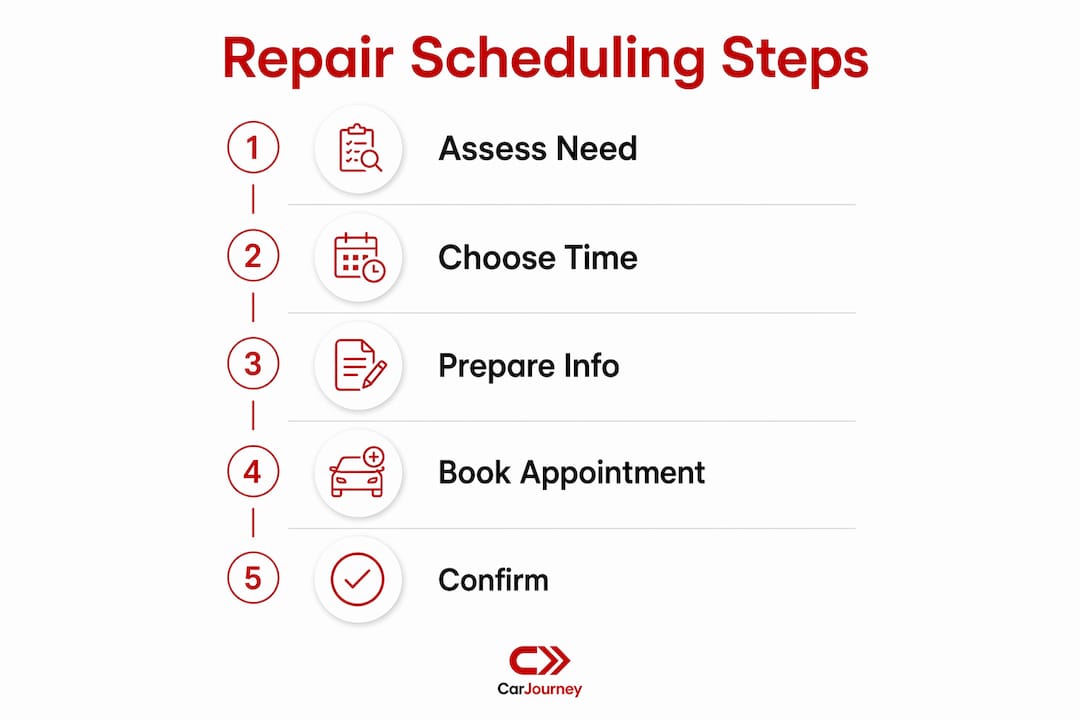
Understanding this distinction helps you ask better questions when booking. Ask the shop whether the parts for your repair are in stock or need to be ordered. If parts must be ordered, ask when they are expected and whether the shop will schedule your drop-off after parts arrive. This single question can cut a two-day repair into a same-day turnaround.
| Scheduling type | Who controls it | What affects your wait time |
|---|---|---|
| Appointment booking | You and the service advisor | Lead time, day of week, service type |
| Bay scheduling | Shop floor manager | Parts availability, technician workload, bay capacity |
Clear next-action plans on parts and diagnostics prevent productive bays from turning into long-term vehicle storage, which improves throughput for every customer in the queue. The shops that run tightest turnarounds are the ones that treat bay management as seriously as they treat appointment volume. When you find a shop that communicates parts status proactively, stay with them. That transparency is a reliable signal of good operations. You can also review auto repair shop productivity factors to understand what separates efficient shops from slow ones.
Key Takeaways
Efficient auto repair scheduling combines proactive maintenance intervals, smart booking timing, clear symptom communication, and an understanding of how shops allocate their bays.
| Point | Details |
|---|---|
| Follow mileage and time intervals | Service at 5,000–7,500 miles or annually, whichever comes first, regardless of how little you drive. |
| Book midweek mornings | Tuesday through Thursday before 10:00 AM gives technicians the most time and focus for your repair. |
| Describe symptoms, not parts | Plain-language symptom descriptions improve first-visit fix rates and reduce diagnostic delays. |
| Set an approval limit upfront | A predefined dollar threshold lets mechanics proceed without interruptions and prevents surprise charges. |
| Ask about parts availability | Confirming stock before drop-off can turn a multi-day wait into a same-day repair. |
What I’ve learned from watching owners schedule repairs badly
Most repair delays are not the shop’s fault. They are the result of owners showing up unprepared, booking at the worst possible times, and describing symptoms in ways that send technicians down the wrong path. I’ve seen this pattern repeat enough times to say it plainly: the cheapest repair starts with the least rushed calendar.
The owners who get the fastest, most accurate repairs share three habits. They book early in the week, they write down their symptoms before calling, and they ask one question the average owner never thinks to ask: “Do you have the parts in stock?” That question alone has saved people days of waiting.
There is also a psychological dimension that rarely gets discussed. Knowing your next service appointment is already on the calendar removes a specific kind of low-grade anxiety that most vehicle owners carry. You stop wondering whether that noise is serious enough to act on. You stop deferring because you don’t know when you’ll have time. Scheduled maintenance visits reduce that mental load because the decision is already made.
The mistake I see most often is owners who describe what they think is wrong rather than what they actually experience. “I need new brake pads” is less useful to a technician than “I hear a high-pitched squeal when I brake at speeds above 40 miles per hour, but only in the morning.” The second description tells a trained mechanic exactly where to look. The first one might send them in the wrong direction entirely.
Slight changes in how you schedule and communicate can produce meaningful differences in repair speed, cost, and outcome. The preventive maintenance mindset is not about being obsessive. It is about being prepared.
— Chally
Carjourney makes your maintenance schedule easier to manage
Keeping track of mileage intervals, service history, and upcoming appointments across multiple vehicles is harder than it should be. Carjourney solves that by combining AI-powered service document scanning, mileage-based reminders, and a full service history log in one place.
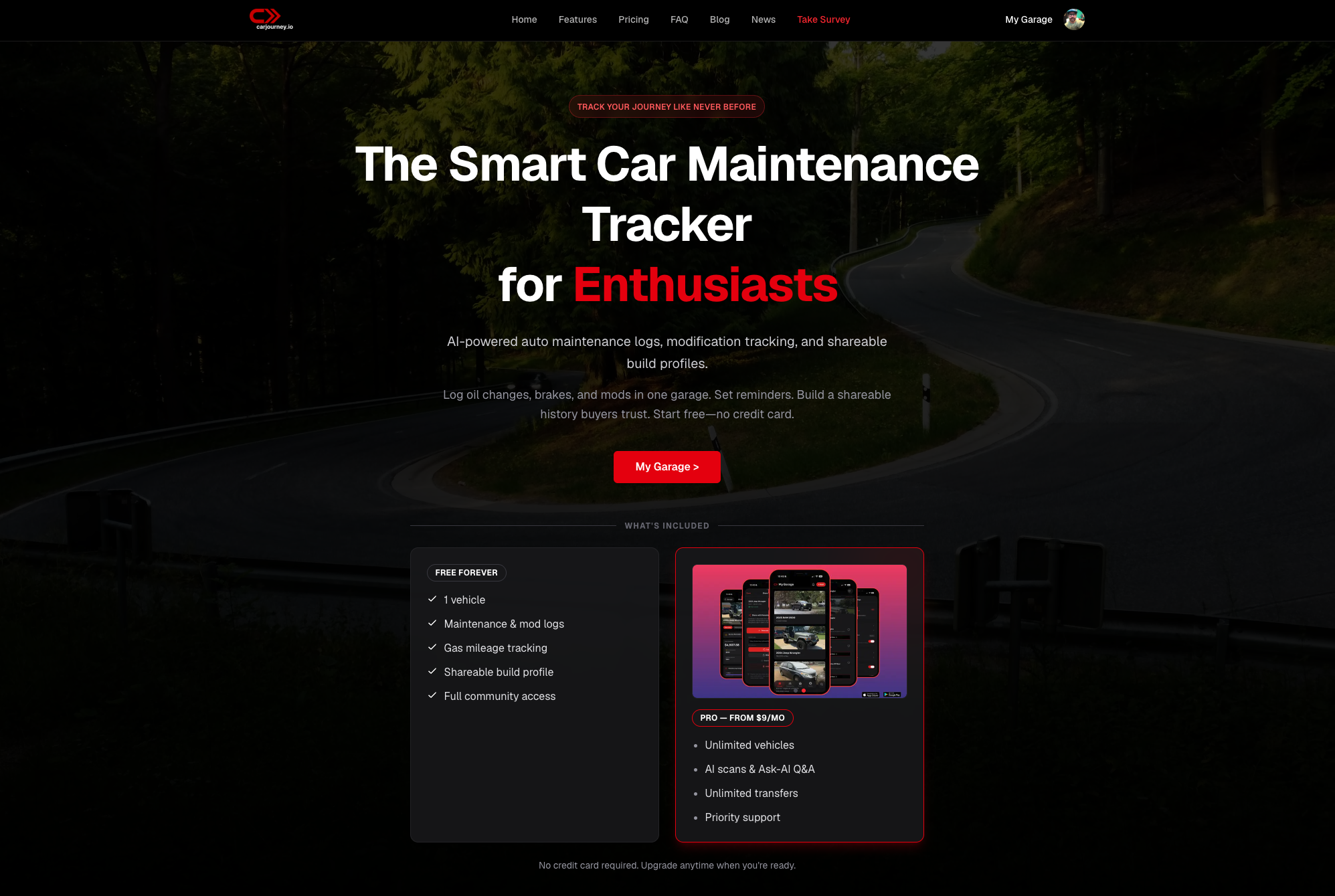
Automotive service reminders based on mileage and time reduce missed appointments and help you plan ahead before problems become urgent. Carjourney’s AI reads your existing service documents, answers questions about your specific vehicle, and flags what is coming due next. You get a clear picture of your car’s needs without digging through a glove box full of receipts. Visit Carjourney to start tracking your vehicle’s maintenance history and stay ahead of every service window.
FAQ
How often should I schedule routine car maintenance?
Routine maintenance like oil changes and tire rotations is recommended every 5,000–7,500 miles, with a full inspection annually or every 12,000 miles. Time-based intervals apply even if you drive fewer miles than the mileage threshold.
What is the best day and time to book a car repair?
Midweek mornings between Tuesday and Thursday before 10:00 AM give technicians the most time and the least pressure. Avoid Monday mornings and Friday afternoons when shops are at peak volume.
What information should I have ready when booking auto repairs?
Prepare your vehicle’s year, make, model, mileage, a plain-language symptom description, and your recent service history. Confirming the shop handles your vehicle make before booking prevents wasted appointments.
What is bay scheduling and why does it affect my repair wait time?
Bay scheduling is how a shop manages its physical workspace and technician assignments. When bays are blocked by vehicles waiting on parts, every job in the queue slows down, even if your appointment was booked in advance.
How do mileage-based reminders help with scheduling car service?
Mileage-based reminders alert you before a service window closes, giving you time to book an appointment rather than react to a breakdown. Proactive reminders are the single most effective tool for staying on a consistent maintenance schedule.