
Best Maintenance Schedule App for Car Owners
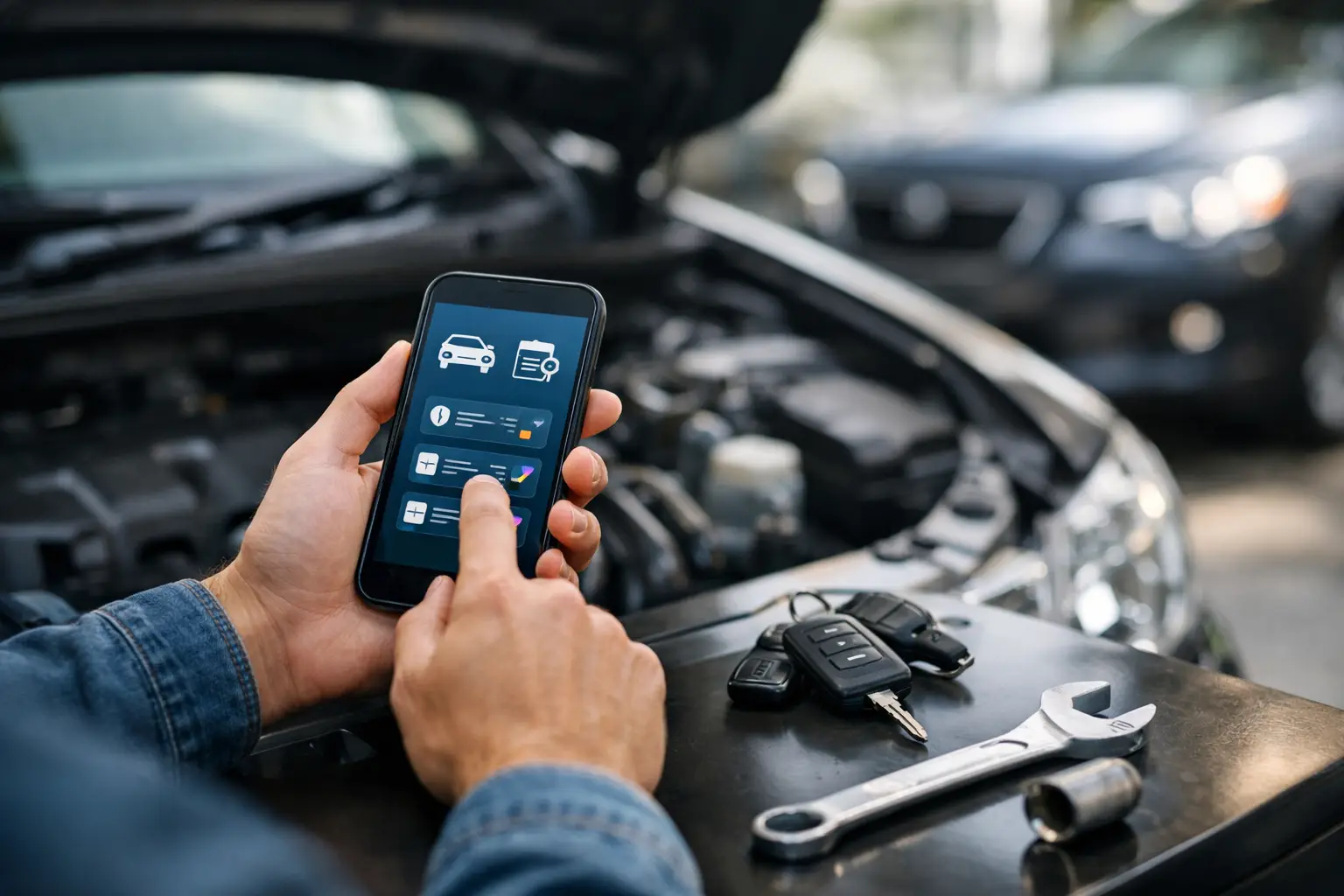
Miss one oil change on a daily driver and it is annoying. Miss a fluid service, belt interval, or brake job on a project car you have real money in, and it gets expensive fast. A good maintenance schedule app fixes that by giving you one place to track service, mileage, reminders, receipts, and the story of the vehicle itself.
For a lot of car owners, the problem is not motivation. It is fragmentation. The oil change sticker says one thing, your notes app says another, receipts are buried in the glove box, and the mod list lives in your camera roll and three different text threads. That works until you need to prove what was done, remember when it was done, or decide what needs attention next.
That is why the right app matters. Not because reminders are revolutionary, but because vehicle ownership gets cleaner when maintenance history, modification records, and documents live together.
What a maintenance schedule app should actually do
At the basic level, any maintenance schedule app should let you log completed work and set reminders by date or mileage. That covers the obvious stuff like oil changes, tire rotations, brake inspections, and battery replacement. If that is all you need for one commuter car, a simple app may be enough.
But enthusiasts usually need more than a checklist. They need context. If you replaced pads and rotors with upgraded parts, changed wheel specs, or installed suspension components that affect tire wear, those details matter. Maintenance is not separate from the build. It is part of the build.
A stronger system keeps service records, part details, photos, costs, and supporting documents in one place. That gives you a real ownership history instead of scattered reminders. It also makes future decisions easier. When you know exactly what was installed, what it cost, and when it went on the car, troubleshooting gets simpler and resale conversations get a lot cleaner.
Why a maintenance schedule app beats spreadsheets and reminders
Spreadsheets can work. A folder full of receipts can work too. The issue is not whether they are possible. The issue is whether they keep up with real ownership.
A spreadsheet is usually fine until you have multiple vehicles, mixed maintenance intervals, or a build that changes over time. Then it turns into another admin task. It is easy to forget updates, hard to use in the garage, and not built for quick mileage-based reminders.
Calendar reminders have the opposite problem. They are easy to create, but they are shallow. “Brake fluid flush in June” does not tell you who did it, what fluid was used, what the mileage was, or whether you already handled it early because of a track day or road trip.
A dedicated app gives you structure without making recordkeeping feel like homework. Open the app, log the work, attach the receipt, update mileage, and move on. That sounds simple because it should be. The best tools reduce friction so the history stays complete.
The best maintenance schedule app is built around how people really own cars
Car ownership is rarely one-size-fits-all. A stock daily driver, a weekend canyon car, and a long-term restoration project all need different levels of tracking.
That is where many generic reminder apps fall short. They assume every vehicle follows the same pattern and every owner has the same goals. In reality, some people just want to avoid missed service. Others want a complete ownership archive that shows maintenance, modifications, and money invested over years.
The best maintenance schedule app handles both. It should feel easy if you only want core reminders, but it should also scale up if you are documenting wheel fitment, suspension changes, warranty information, alignment records, and recurring service tied to how the car is actually used.
That flexibility matters because maintenance is not static. A car with factory wheels and stock brakes may have one service rhythm. Add stickier tires, aggressive driving, track use, towing, or performance upgrades, and the schedule changes. A useful app should let your maintenance plan reflect that reality instead of forcing everything into a generic template.
Features worth caring about
The first feature to care about is mileage and time-based reminders that are easy to customize. Manufacturer schedules are a great starting point, but real-world ownership often needs adjustments. If you want shorter oil intervals, seasonal checks, or follow-up reminders after a major install, the app should make that easy.
The second is service logging that goes beyond a title and date. You want room for notes, costs, shop details, mileage, and parts used. If you ever sell the vehicle, that level of detail builds trust. If you keep the vehicle long term, it saves you from second-guessing your own records.
Third is document storage. Receipts, warranties, inspection paperwork, and alignment sheets tend to disappear right when you need them. Keeping them attached to the actual vehicle record is a major upgrade over hunting through email inboxes or old folders.
Fourth is modification tracking. For enthusiast owners, this is not optional. Mods affect maintenance, value, drivability, and buyer confidence. If the app treats modifications like an afterthought, it is probably not designed for your kind of ownership.
Finally, cross-device access matters more than people think. You should be able to check a service record in the garage, add a receipt on your phone, and review the full history later on a larger screen. If the system only works well in one place, it usually means your records stop being updated consistently.
Trade-offs to think through before you pick one
Not every car owner needs the most feature-rich platform available. If you have one vehicle, follow the factory schedule closely, and do not care about documenting costs or modifications, a lighter app may be enough.
On the other hand, simple tools usually become limiting once you own more than one vehicle or start investing serious money into parts and labor. The convenience of a basic reminder app can wear off quickly when you realize it does not preserve history in a way that is useful later.
There is also a trade-off between speed and completeness. Some apps let you log a service in seconds, but offer almost no record depth. Others support detailed entries, photos, and documents, but ask for more effort upfront. The right choice depends on whether you just want alerts or want a record you would actually be proud to show a buyer, shop, or fellow enthusiast.
That is also why a platform like CarJourney stands out for enthusiast owners. It is built for the overlap between maintenance control and build documentation, which is where a lot of generic tools miss the point.
How a maintenance schedule app protects value
People usually think about maintenance apps as a way to avoid problems. That is true, but the bigger benefit is often value protection.
A complete record shows the vehicle was cared for. It reduces uncertainty for buyers, helps justify asking price, and gives credibility to the money spent on upkeep and upgrades. If you have ever tried to explain a well-maintained car with a stack of loose receipts and vague memory, you already know how weak that feels.
A clean digital history changes the conversation. Instead of saying, “I think the water pump was done around 70,000 miles,” you can show the exact service, date, mileage, and receipt. Instead of listing modifications from memory, you can present an organized log with dates, costs, and photos.
That kind of documentation does not just help at sale time. It helps during ownership too. You make better maintenance decisions when the record is current and clear.
Who gets the most out of one
If you own a single commuter and only want the occasional reminder, you will still get value from a maintenance schedule app. But the people who benefit most are the ones with more moving pieces.
That includes project car owners managing long timelines, performance enthusiasts balancing service around upgrades, collectors preserving history, and multi-vehicle households trying to keep everything straight. It also includes anyone who has ever forgotten what was done, lost a receipt, or underestimated how much they had invested in a vehicle.
Those owners are not looking for a generic productivity tool. They want a home base for the car. Maintenance is one part of that, but only one part.
What to choose if you care about more than reminders
If your goal is simply to get pinged for the next oil change, almost any app can help. If your goal is to stay organized, save money, protect value, and build a history buyers trust, the bar should be higher.
Look for a system that treats maintenance records as part of total vehicle ownership. It should help you track service, store proof, document modifications, and keep everything accessible when you need it. That is what turns an app from a reminder tool into something genuinely useful.
Your car already has a story. The smart move is keeping that story organized while you still own it, not trying to rebuild it later.