
Where to Sell Modified Cars: Best Platforms for Performance Builds
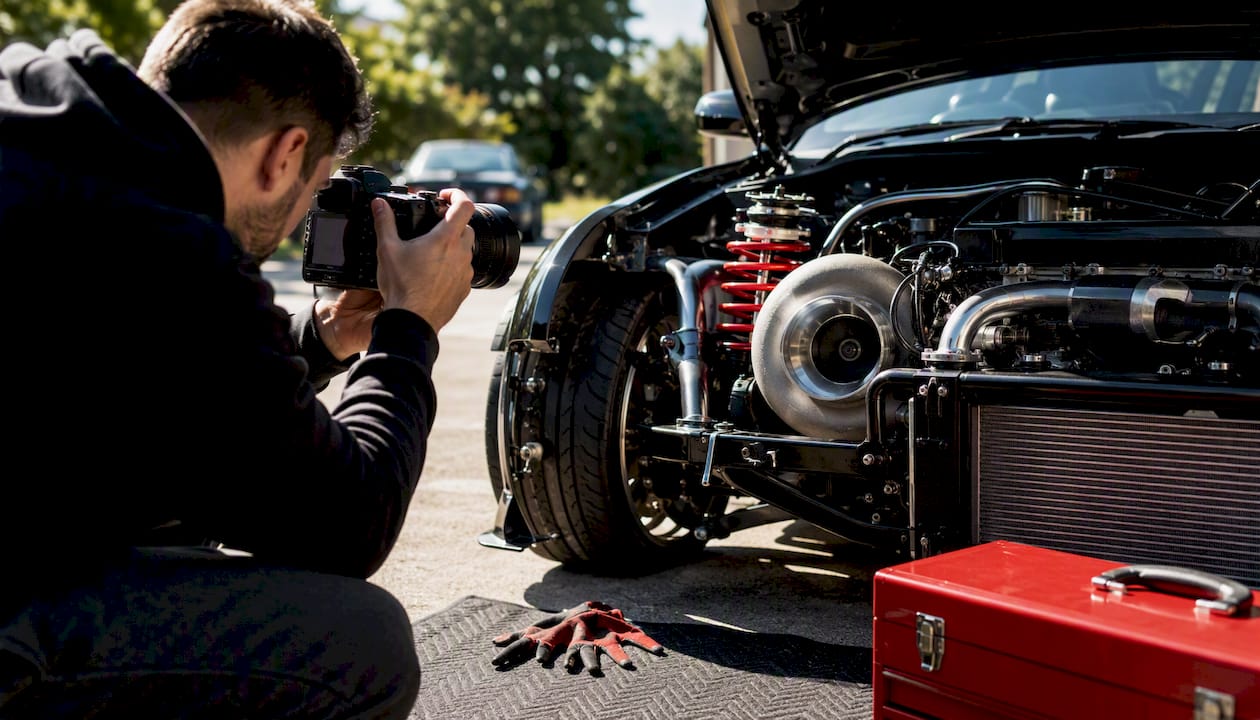
The short answer: list on StreetCarMarket or Cars & Bids for maximum value, use Facebook Marketplace or Craigslist for a fast local deal, and consider Barrett‑Jackson or Mecum only if your build is genuinely high-end. Everything else falls somewhere in between.
Here’s the quick breakdown before the deep dive:
The biggest mistake sellers make is listing a heavily modified car on a general platform and wondering why the offers are insultingly low. Buyers on Craigslist are not pricing your turbo build the way a Cars & Bids bidder will. Channel selection is the single most important decision you make.
Key Takeaways
The best place to sell a modified car depends on your build’s documentation, rarity, and your timeline — enthusiast platforms return more, general classifieds move faster.
| Point | Details |
|---|---|
| Channel selection matters most | Enthusiast platforms (StreetCarMarket, Cars & Bids) return more; classifieds (Facebook, Craigslist) sell faster. |
| Documentation drives price | Receipts, dyno sheets, and shop invoices can meaningfully increase final sale price on auction platforms. |
| Title and emissions first | Confirm clean title, lien release, and emissions compliance before listing to avoid sale fallthroughs. |
| Safe payment is non-negotiable | Use wire transfer or verified escrow for high-value sales; never release the car before funds clear. |
| Carjourney organizes your build | Carjourney’s AI-powered build profile tool assembles your documentation into a shareable packet that reassures buyers and supports your asking price. |
Table of Contents
- Where to sell modified cars: a platform-by-platform breakdown
- How do you pick the right selling channel for your specific build?
- How to prepare your listing: photos, description, and documentation
- How to price a heavily modified car realistically
- Legal and title checks to run before you list
- How to close the sale safely: payment, escrow, and shipping
- Why build documentation raises your sale price
- Realistic expectations when selling to enthusiast buyers
- Carjourney helps you document your build before you sell
- Sources
Where to sell modified cars: a platform-by-platform breakdown
Specialized modified-car marketplaces cut through the noise that plagues general classifieds. When your listing sits next to stock commuters, buyers who don’t understand your build will lowball it. Niche platforms put your car in front of people who already know what a built motor costs.
StreetCarMarket
Built specifically for performance and heavily modified vehicles, StreetCarMarket filters out the casual tire-kickers. Listings are curated, so the audience skews toward buyers who understand what they’re looking at. If your car has a serious suspension setup, forced induction, or a full track build, this is the first place to list. Fees are modest compared to auction houses, and you control the price.
Cars & Bids
Cars & Bids has built a strong reputation for modern enthusiast cars — think 2000s and newer tuner builds, track-prepped sports cars, and anything with a cult following. Listing is free; the platform charges buyers a fee. The seven-day auction format creates genuine bidding pressure, and well-presented listings with professional photography see materially higher engagement. Cars & Bids notes that listings with strong photo packages outperform thin ones significantly. White-glove listing options (professional write-ups and photography) are available and often recover their cost in a higher final bid.
Pro Tip: On Cars & Bids, write your description as if the buyer has never heard of your specific build. Name every modification, include the shop that did the work, and attach a dyno sheet. Bidders bid with confidence when they don’t have to ask questions.
Bring a Trailer
Bring a Trailer attracts collectors and serious enthusiasts willing to pay for the right car. The comment section functions as a live Q&A during the auction, so expect detailed questions about your build. That scrutiny is actually a feature: buyers who ask hard questions and still bid are committed. Best suited for rare builds, well-documented restorations, or modified classics where provenance matters.
eBay Motors
National reach, flexible formats (auction or Buy It Now), and a massive buyer pool make eBay Motors a solid fallback when your car doesn’t fit a niche platform. The tradeoff is that the audience is mixed. You’ll get enthusiasts and you’ll get people who think your $8,000 in suspension work adds $500 to the price. Fees stack up (insertion fee plus a final value fee), so factor that in before setting your reserve. Shipping integration and buyer/seller protections are more developed here than on most classifieds.
Facebook Marketplace
Combining Facebook Marketplace with enthusiast Facebook groups is one of the most effective low-cost strategies for reaching both local buyers and dedicated enthusiasts. The Marketplace itself draws a general audience, but posting in brand-specific or build-specific groups (Subaru WRX owners, LS swap communities, track day groups) puts your car in front of people who get it. Fast communication, no listing fees, and the social profile element add a layer of accountability that Craigslist lacks.
Craigslist and OfferUp
General classifieds get broad traffic but tend to attract casual buyers who undervalue modifications. That’s not a reason to skip them entirely. For a modified daily driver priced close to stock value, or when you need cash fast, Craigslist and OfferUp move cars. OfferUp’s mobile-first interface and in-app messaging make it slightly easier to manage than Craigslist. Neither platform offers meaningful seller protections, so payment and meeting logistics are entirely on you.
Autotrader
Autotrader draws a large, vehicle-focused audience and gives your listing solid search visibility. It works better for modified cars that are still street-legal, relatively stock in appearance, and priced within a recognizable range. Heavily modified track cars or extreme builds may get lost among mainstream listings. Listing fees apply, and the audience skews toward buyers comparing multiple options rather than hunting for a specific build.
CarMax
Dealerships and instant-buy services will sometimes accept modified cars but typically discount for modifications. CarMax will give you an offer the same day, which has real value if your priority is speed over price. Expect the offer to reflect stock or near stock value regardless of what you’ve spent on the build. Dealerships often offer convenience at the expense of price; private sales and enthusiast auctions typically return more for well-documented builds. Use CarMax as a floor price reference, not a target.
Barrett‑Jackson and Mecum
These are event-based auction houses with national buyer bases and serious collector audiences. Barrett‑Jackson skews toward high-profile, high-value vehicles. Mecum covers a broader range of collector and performance cars. Both charge consignment fees and buyer’s premiums, and the timeline from application to sale can stretch for months depending on the event schedule. Worth it for a $50,000+ resto-mod or a genuinely rare build. Not worth it for a modified daily.
Local consignment dealers and enthusiast forums
Community Q&A and forum threads consistently recommend brand- or model-specific forums and enthusiast auction sites when the goal is reaching buyers who value modifications. A local consignment dealer who specializes in performance cars can handle the sale on your behalf, though fees vary widely. Model-specific forums (NASIOC for Subarus, MR2OC for Toyota MR2s, Rennlist for Porsches) remain some of the most targeted places to reach buyers who already understand the platform and the build.
How do you pick the right selling channel for your specific build?
The answer depends on four things: your car’s title status, how documented the build is, how rare the car is, and whether you need money fast or can wait for the right buyer.
Start here:
- Title clean? If the title is salvage or rebuilt, most auction platforms and many buyers will walk. Craigslist and OfferUp are more tolerant, but you must disclose. A branded title cuts your pool dramatically.
- Emissions compliant? California and several other states require smog certification on transfer. A car with a non-compliant tune or deleted catalytic converters cannot legally be sold for street use in those states. Know your buyer’s state before listing.
- How documented is the build? Receipts, dyno sheets, and shop invoices unlock enthusiast auction platforms and justify premium pricing. No documentation means you’re competing on faith, and buyers price that risk into their offers.
- How rare is the car? A one-of-a-kind build with a documented history belongs on Bring a Trailer or Cars & Bids. A modified Honda Civic with a common swap sells faster on Facebook Marketplace or a Honda-specific forum.
- What’s your timeline? Auction platforms run seven-day cycles but require prep time. Barrett‑Jackson and Mecum are months out. CarMax is same-day. Know your deadline before you commit to a channel.
Red flags that push you away from certain channels:
- Salvage or rebuilt title: avoid auction houses; disclose fully on classifieds
- Non-street-legal modifications (roll cage, slicks, deleted emissions): target track-day communities and forums, not general classifieds
- Outstanding lien: resolve before listing anywhere; a lien on a car you’re selling privately creates legal exposure
- No receipts or build history: skip premium auction platforms; the scrutiny will hurt more than help
Questions to ask before committing to a consignor or auction house:
- What is the seller’s fee structure (flat fee, percentage, or both)?
- Is there a reserve option, and what does it cost to set one?
- Who pays for shipping if the car doesn’t sell?
- What happens if the car doesn’t meet reserve?
How to prepare your listing: photos, description, and documentation
Buyers of modified cars expect more than a stock listing. The bar is higher because the car is more complex, and any gap in information reads as a red flag.
One rule covers everything: show what you’ve done, prove it with receipts, and photograph every inch.
Photo checklist
- Front three-quarter view (both sides)
- Rear three-quarter view (both sides)
- Full driver’s side and passenger’s side profiles
- Engine bay (clean, well-lit, labeled if possible)
- Interior: driver’s seat, passenger’s seat, rear (if applicable), dash, gauges
- Odometer close-up
- VIN plate (door jamb and dash)
- Each major modification: wheels, suspension components, intake, exhaust, intercooler, roll cage, etc.
- Undercarriage (especially if suspension or exhaust work is a selling point)
- Any wear, damage, or imperfections (disclose proactively)
Add a walkaround video and, if available, a dyno pull video. Listings with professional photography see materially higher engagement and bids on auction platforms. A phone camera in good light is fine; a dark garage is not.
Description template
Lead with the car’s identity: year, make, model, trim, mileage, and the one-line summary of what it is (“2006 Subaru STI, built motor, 450whp, full bolt-ons, street-driven 12,000 miles per year”).
Then list modifications in categories: engine, drivetrain, suspension, brakes, exterior, interior, electronics. For each, name the brand, part number if known, and who installed it. “Tein coilovers, installed by [shop name], 2022” is worth more than “coilovers.”
Close with service history, recent maintenance, known issues (disclose everything), and asking price rationale.
Documentation checklist
- Receipts for every modification (parts and labor)
- Installation notes or shop invoices
- Service logs (oil changes, timing belt, fluids)
- Dyno sheets with date and tune notes
- Title (confirm it’s in your name and lien-free)
- VIN history report (Carfax or AutoCheck)
- Any warranty documentation for parts still under warranty
Pro Tip: Phrase emissions-sensitive modifications carefully. “Catless downpipe, off-road use only” is accurate disclosure. Claiming a car is street-legal in California when it has deleted emissions equipment is a legal liability, not just a negotiating point.
How to price a heavily modified car realistically
Pricing a modified car is not guesswork, but it does require a formula most sellers skip.
The baseline approach: start with what the stock car is worth, add documented modification recovery, then apply a niche premium or discount based on buyer demand for that specific build.
The pricing formula
- Stock baseline: pull three to five comps for the same year, make, model, and mileage in stock condition. Use Autotrader, Cars & Bids sold listings, and eBay Motors completed sales.
- Documented mod recovery: add the cost of modifications you can prove with receipts. Expect to recover 50–70 cents on the dollar for most bolt-on modifications. Labor-intensive work (built motors, custom fabrication) recovers less on the open market unless the buyer specifically wants that build.
- Niche premium: rare platforms, low-production builds, or cars with a cult following command a premium above cost recovery. A clean, documented EVO IX with a built motor sells differently than a modified Camry.
- Buyer fit adjustment: a car built for track use has a narrower buyer pool. Price accordingly, or target track-day communities where buyers understand the value.
Two quick examples:
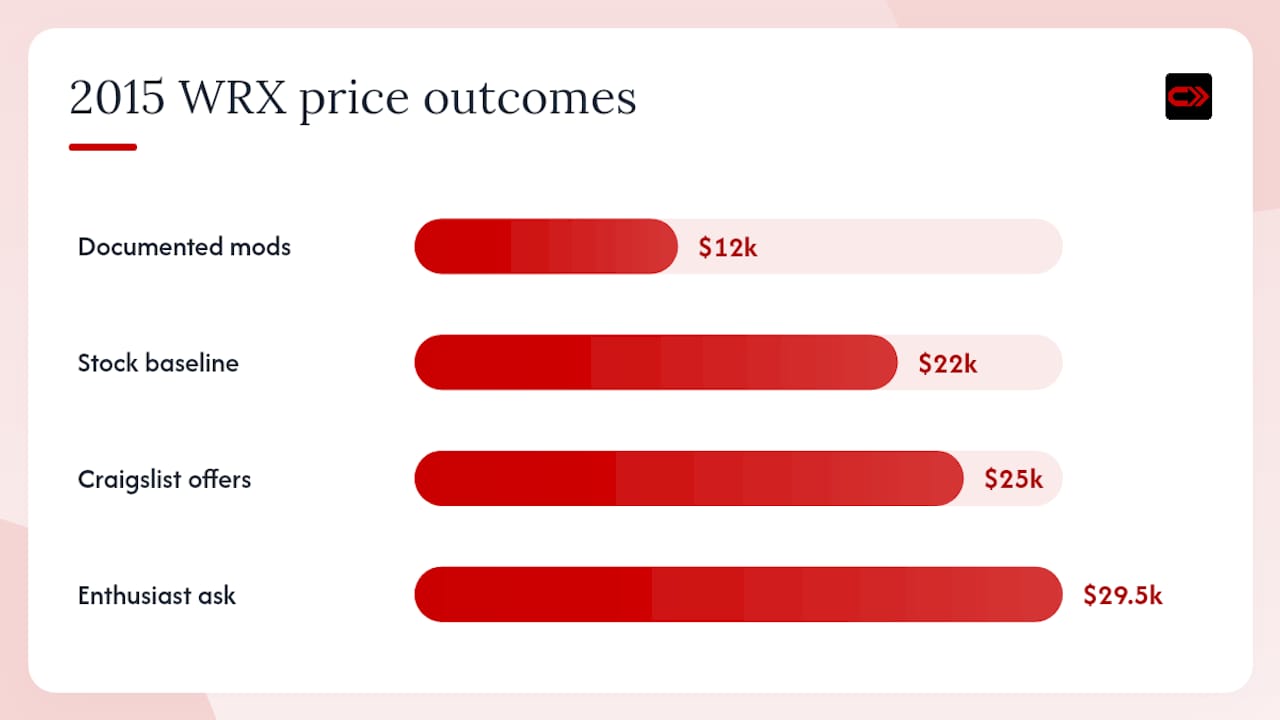
Common tuner sedan: A 2015 WRX with $12,000 in documented modifications over a $22,000 stock baseline. Realistic ask: $28,000–$31,000 on an enthusiast platform. On Craigslist, expect offers closer to $24,000–$26,000.
High-end modified classic: A 1969 Camaro with a documented LS swap, $45,000 in receipts, and a $30,000 stock baseline. On Barrett‑Jackson or Mecum, a well-presented car with full documentation can exceed cost-in. On eBay Motors, results vary widely.
Pro Tip: The single biggest lever on final price is documentation. A dyno sheet, a shop invoice from a known tuner, and a clean build log move buyers from skeptical to competitive. Understanding how mods affect resale value before you price is worth the 10 minutes it takes.
The “$3,000 rule” you’ll see in enthusiast forums refers to the rough ceiling most buyers put on recovering modification costs in a private sale for common platforms. It’s a useful reality check, not a hard cap. Rare builds with documented provenance regularly exceed it on the right platform.
Legal and title checks to run before you list
Confirm clear title and correct registration before you list. Title problems cause the majority of sale fallthroughs, and discovering one mid-deal costs you time and credibility.
State-level checks:
- Emissions and smog: California requires a smog certificate on most transfers. Oregon, Washington, and several other states have similar requirements. A car with a non-compliant tune, deleted catalytic converters, or an aftermarket ECU map may fail. Know your state’s rules and your buyer’s state before listing. Knowing how to modify vehicles legally in the US before you sell prevents last-minute surprises.
- Title brand check: run a VIN history report (Carfax or AutoCheck) to confirm the title is clean. Salvage, rebuilt, or flood-branded titles must be disclosed and will significantly affect buyer pool and price.
- Lien release: if you financed the car or any modifications through a secured loan, confirm the lien is released and the title is in your name before listing. Contact your lender for a payoff letter if needed.
- Transfer of ownership: most states require a signed title, odometer disclosure statement (federal law requires this for vehicles under 10 years old and under 16,000 lbs.), and a bill of sale. Some states require notarization. Check your state DMV’s specific requirements.
DMV checklist:
- Copy of title (confirm your name, no lien holder listed)
- Odometer disclosure statement (required by federal law for eligible vehicles)
- Bill of sale (include VIN, sale price, date, buyer and seller names)
- Release of liability filing with your state DMV after transfer (protects you from post-sale tickets or incidents)
- Emissions certificate if required by your state
Insurance note: cancel or transfer your policy on the day of sale. For test drives, require the buyer to show proof of their own insurance before handing over keys. A short written test-drive agreement stating the buyer assumes liability is worth having. After the sale, file your release of liability with the DMV the same day.
How to close the sale safely: payment, escrow, and shipping
Prefer verified escrow or bank wire for any sale over $5,000. Avoid cashier checks from unknown buyers, and always document pickup or delivery in writing.
Payment options:
- Wire transfer: fast, verifiable, and hard to reverse fraudulently. Confirm funds have cleared before releasing the car or title.
- Escrow service: for high-value sales, a licensed escrow service (Escrow.com is widely used for vehicle transactions) holds funds until both parties confirm the transaction. Verify the escrow company independently before agreeing to use one; fake escrow sites are a common scam.
- Certified bank check: acceptable if verified at the issuing bank in person before the transaction. Never accept a cashier’s check from a buyer you haven’t met and verified.
- Cash: fine for lower-value transactions. Meet at a bank so the buyer can withdraw and you can deposit immediately.
Red flags for payment scams:
- Buyer offers to overpay and asks you to wire back the difference
- Buyer insists on a specific escrow service you’ve never heard of (verify independently)
- Payment “confirmation” emails that don’t match your actual bank balance
- Buyer pushes to skip escrow on a high-value transaction
Test drive checklist:
- Meet in a public location with CCTV (bank parking lot, police station lot)
- Require a copy of the buyer’s driver’s license and proof of insurance before the drive
- Accompany the buyer on the test drive
- Set a defined route and time limit in advance
Shipping logistics: for out-of-area buyers, the buyer typically pays for transport. Use an enclosed carrier for modified or high-value cars. Document the car’s condition with photos and a signed condition report before pickup. Work with a licensed transport broker and confirm the carrier’s insurance coverage before handing over the car.
Why build documentation raises your sale price
Documented builds sell faster and for more money. The reason is simple: modifications introduce uncertainty, and uncertainty makes buyers discount. A receipt and a dyno sheet eliminate the question “did this person actually know what they were doing?”
Enthusiast auction platforms attract buyers who will pay a premium for documented, well-presented builds. That premium is real. A car with a full build packet (receipts, shop invoices, dyno sheets, step-by-step build notes) converts better on enthusiast platforms than an identical car with no paper trail.
Listings that bundle a concise build packet in PDF format convert better on enthusiast platforms. For auction sites, attach the PDF directly to the listing and include high-resolution images of each receipt and dyno sheet. For classifieds, host the PDF on Google Drive or Dropbox and include the link in the listing description.
Build profile template:
- Build timeline (what was done, when, and by whom)
- Receipts for parts (scanned or photographed)
- Shop invoices for labor
- Dyno sheets with date, tune notes, and power figures
- Photos of each modification at time of installation
- Service logs covering the build period and after
A service log that covers the full ownership period raises buyer confidence measurably. Buyers on Bring a Trailer and Cars & Bids will ask for this information in the comments anyway. Having it ready in a single document removes friction and signals that you’re a serious seller.
Pro Tip: For auction platforms, compile everything into one PDF under 10MB and one folder of high-resolution images. For classifieds, a Google Drive link with view-only access works perfectly. Label every file clearly: “Dyno_2024_450whp.pdf” beats “scan001.jpg” every time.
Realistic expectations when selling to enthusiast buyers
Selling a heavily modified car to the right buyer takes longer than selling a stock car. That’s the trade-off for getting a fair price.
Most enthusiast-market sales take two to six weeks on niche platforms, longer if the build is rare or the price is ambitious. Auction platforms compress the timeline to seven days, but the prep work (photos, documentation, listing write-up) adds a week or two on the front end. Barrett‑Jackson and Mecum operate on event schedules, so “listing” and “selling” can be months apart.
Price variance is higher than in the stock market. The same modified car can attract a $28,000 offer on Facebook Marketplace and a $38,000 winning bid on Cars & Bids. Channel selection explains most of that gap, but documentation and presentation explain the rest. A buyer who can see exactly what was done and verify it with receipts bids differently than one who’s guessing.
Negotiation with enthusiast buyers is also different. They know the parts, they know the shops, and they’ll ask specific questions. The sellers who struggle are the ones who can’t answer “who tuned it and what’s the AFR at peak power?” The sellers who close strong are the ones who have the dyno sheet in hand before the question is asked.
One pragmatic recommendation: if you need the car sold in under two weeks, price it 10–15% below your target and list on Facebook Marketplace and a brand-specific forum simultaneously. If you can wait six to eight weeks, list on Cars & Bids or StreetCarMarket at your target price and let the right buyer find you.
Carjourney helps you document your build before you sell
Selling a modified car means competing on documentation. Buyers on enthusiast platforms expect receipts, dyno sheets, and a clear build history. Assembling that from a glove box of loose receipts and half-remembered forum posts is the part most sellers dread.
Carjourney is built for exactly this. The app uses AI to scan your service documents, log modifications, and organize your build history into a shareable profile that buyers can review before they ask a single question. Every receipt, every shop invoice, every dyno sheet lives in one place, formatted and ready to share.
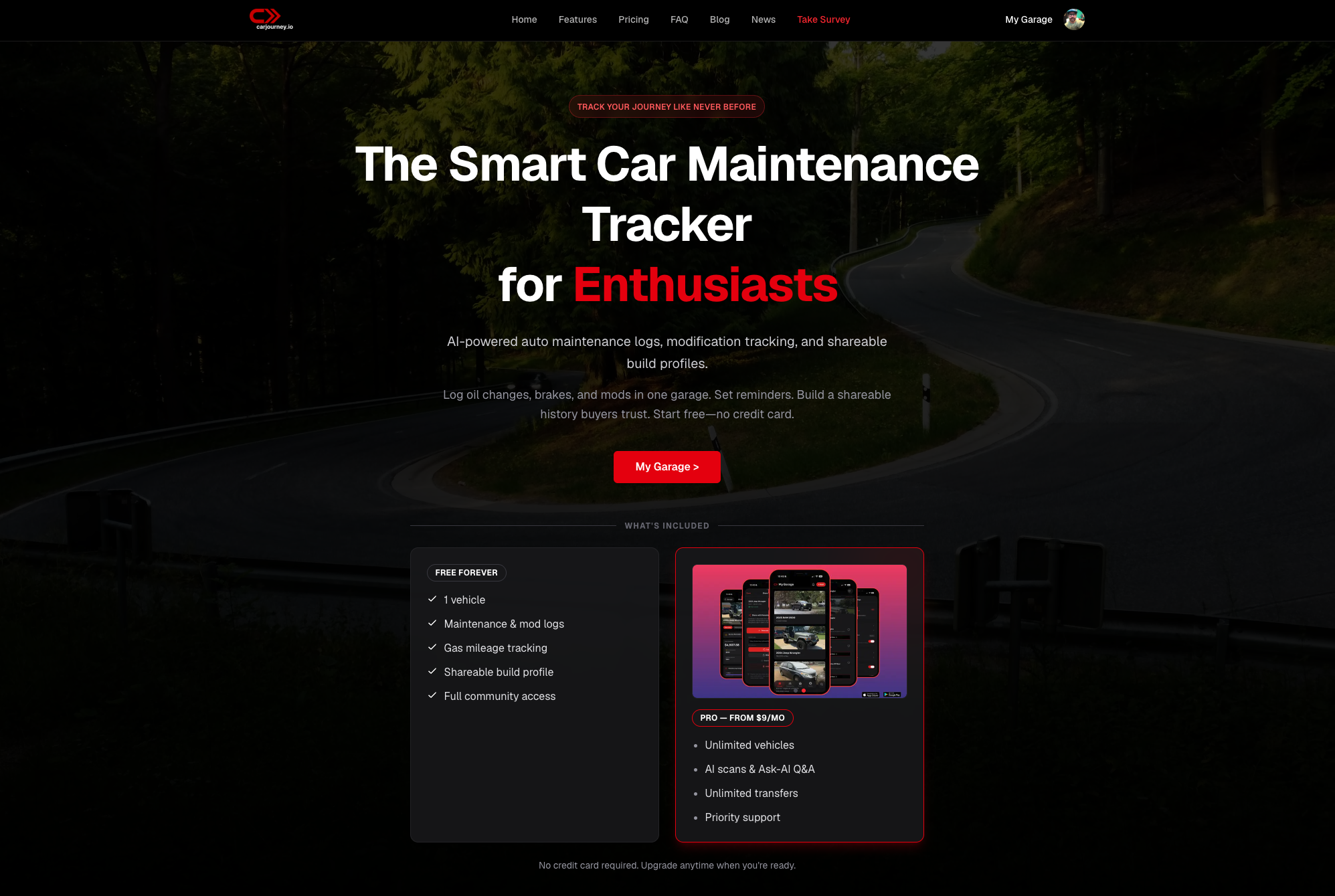
For sellers, that means less time hunting for paperwork and more time fielding serious offers. A complete build documentation profile signals to buyers that you maintained the car with the same care you put into building it. Start your build profile at Carjourney before you list, and walk into every negotiation with the documentation that closes deals.
Sources
- Sell on Cars & Bids! - Cars & Bids
- Street Car Market
- How to Sell a Modified Car
- Selling Modified Cars: Pricing, Photos & Where to List
- Selling a Modified Car in 2026 Explained
- How to sell a modified car
- Best place for selling heavily modified cars?
- Trustpilot