 carjourney
From the CarJourney journal
Preventive Maintenance Tips Every Car Owner Needs
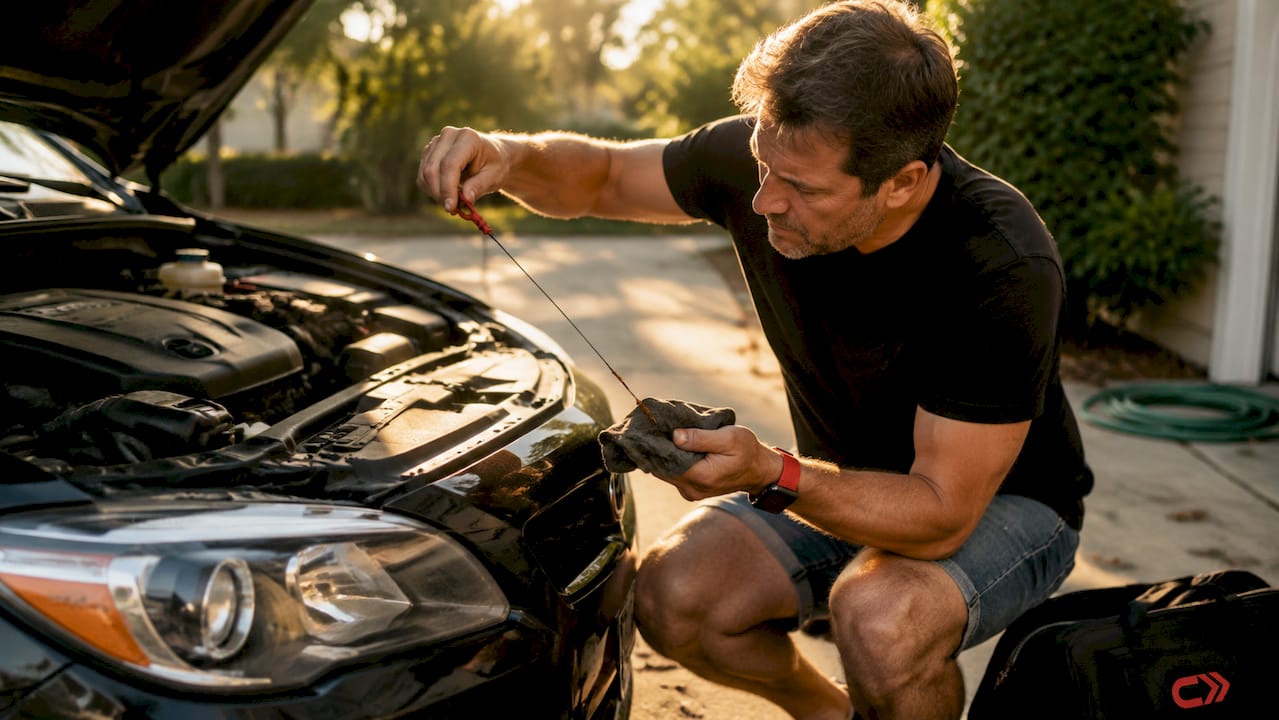
Preventive maintenance is defined as a scheduled program of inspections and servicing performed before mechanical failures occur, with the goal of extending vehicle life, protecting safety, and reducing long-term repair costs. The industry term for this practice is “preventive maintenance” (PM), and it sits at the core of every sound vehicle care strategy. Reactive repairs cost 3 to 5 times more than planned servicing, which means skipping your oil change or ignoring a worn belt is never the money-saving move it feels like. For everyday car owners, the best preventive maintenance tips are not about perfection. They are about consistency, knowing what to check, and acting before a small problem becomes an expensive one.
1. Change your oil and filter on a real schedule
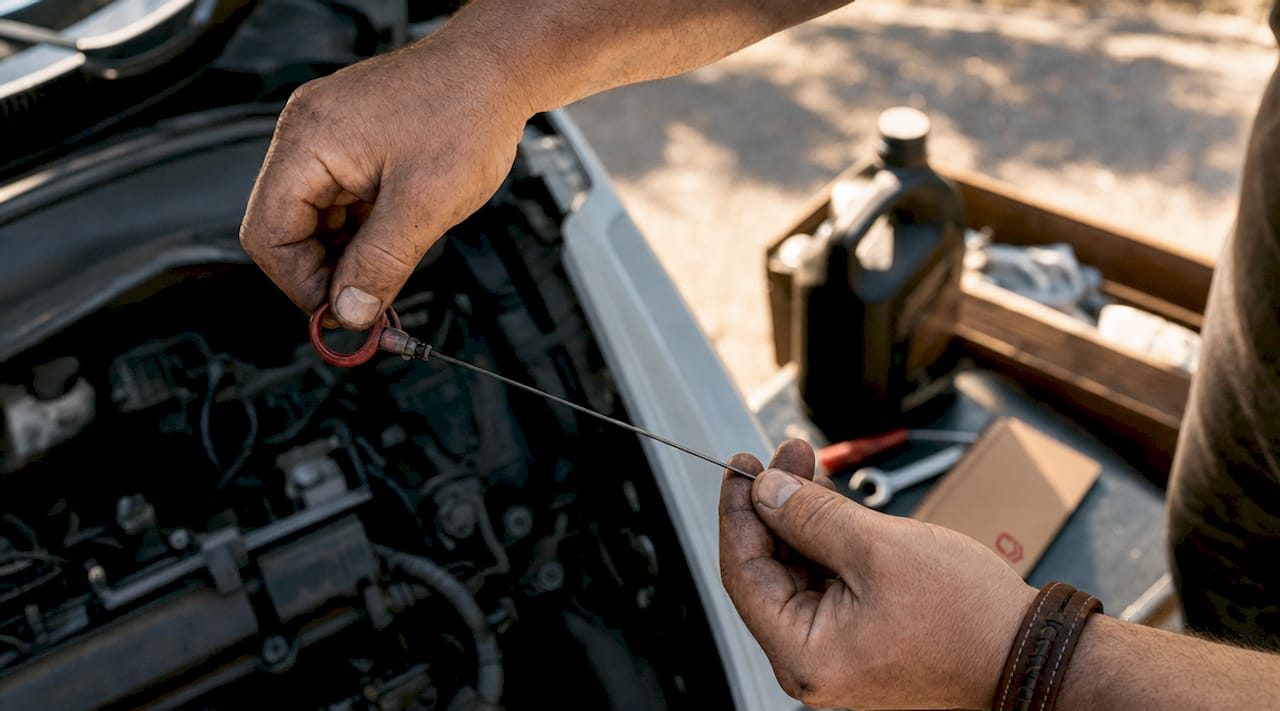
Oil is the lifeblood of your engine, and changing it on time is the single most impactful item on any maintenance checklist. Most modern vehicles running synthetic oil perform well on a 7,500 to 10,000 mile interval, though older engines or those using conventional oil typically need service every 5,000 miles or every six months, whichever comes first. Manufacturer recommendations from OEMs like Toyota, Ford, and GM are your baseline, but your actual driving conditions matter just as much. Frequent short trips, extreme heat, or heavy towing all accelerate oil degradation faster than the calendar suggests.
Pro Tip: Check your oil level and color with the dipstick every month. Dark, gritty oil between changes is a signal your engine is working harder than normal and may need more frequent service.
2. Inspect and rotate your tires regularly
Tire condition directly affects braking distance, fuel economy, and handling. Rotate your tires every 5,000 to 7,500 miles to distribute wear evenly across all four corners, and check tire pressure at least once a month. The correct pressure is printed on the sticker inside your driver’s door jamb, not on the tire sidewall. Underinflated tires increase rolling resistance and heat buildup, both of which shorten tire life and reduce fuel efficiency. A basic tire pressure gauge costs under $15 and takes two minutes to use.
Inspect tread depth using the penny test: insert a penny into the tread groove with Lincoln’s head facing down. If you can see the top of Lincoln’s head, the tread is below 2/32 of an inch and the tire needs replacement. Uneven wear patterns, such as wear concentrated on one edge, often point to alignment or suspension problems worth addressing before buying new tires.
3. Check your brakes before they tell you to
Critical systems like brakes carry the highest safety and financial risk when neglected, which is why brake inspection belongs on every preventive maintenance schedule. Brake pads typically last between 30,000 and 70,000 miles depending on driving style and pad material. Listen for squealing or grinding sounds, and pay attention to any pulsing in the pedal or pulling to one side under braking. These are not quirks. They are early fault signals that, if caught early, mean a pad replacement instead of a rotor replacement.
Check brake fluid level and color every six months. Brake fluid absorbs moisture over time, which lowers its boiling point and reduces stopping power. Most manufacturers recommend a full brake fluid flush every two years regardless of mileage.
4. Test and clean your battery connections
A dead battery is one of the most common and most avoidable roadside failures. Battery terminals corrode over time, and that white or bluish buildup increases electrical resistance, which strains your alternator and starter. Clean terminals with a wire brush and a baking soda and water solution twice a year. Most car batteries last three to five years, so if yours is approaching that range, have it load-tested at an auto parts store like AutoZone or O’Reilly Auto Parts. The test is free and takes five minutes.
Extreme cold and extreme heat both accelerate battery degradation. If you live in Phoenix or Minneapolis, plan to replace your battery proactively at the four-year mark rather than waiting for a failure.
5. Stay on top of all fluid levels
Your vehicle runs on six primary fluids: engine oil, coolant, transmission fluid, brake fluid, power steering fluid, and windshield washer fluid. Each has its own service interval and failure mode. Coolant, for example, degrades chemically over time and loses its ability to prevent corrosion inside the engine block. Most manufacturers recommend a coolant flush every 30,000 miles or every five years. Transmission fluid is often labeled “lifetime fill” by OEMs, but independent mechanics and transmission specialists widely recommend a change every 60,000 to 90,000 miles for vehicles that tow or drive in stop-and-go traffic.
Pro Tip: Slight fluid leaks spotted on your garage floor are a critical early warning sign. A small coolant drip costs far less to fix than an overheated engine.
6. Replace air filters before they choke performance
Your engine air filter prevents dust, debris, and insects from entering the intake. A clogged filter restricts airflow, which forces the engine to work harder and burns more fuel. Most OEMs recommend replacing the engine air filter every 15,000 to 30,000 miles, but if you drive on dirt roads or in dusty environments, check it annually. The cabin air filter, which cleans the air inside your car, typically needs replacement every 15,000 to 25,000 miles. A dirty cabin filter reduces HVAC airflow and can worsen allergies. Both filters are inexpensive and easy to replace yourself.
7. Inspect belts and hoses for wear
The serpentine belt drives your alternator, power steering pump, and air conditioning compressor. If it snaps, your car stops. Inspect it every 30,000 miles for cracking, fraying, or glazing. Most serpentine belts are rated for 60,000 to 100,000 miles, but heat and age matter as much as mileage. Timing belts, found on many Honda, Subaru, and Mitsubishi engines, have strict replacement intervals, often between 60,000 and 105,000 miles, and failure means catastrophic engine damage. Check your owner’s manual for the exact interval.
Radiator and coolant hoses should be squeezed when cold. Soft, mushy, or brittle hoses are near failure. A hose replacement costs under $50. A blown hose on the highway costs a tow, a rental car, and a repair bill.
8. Replace wiper blades and check all lights
Wiper blades degrade from UV exposure and temperature cycling. Replace them every six to twelve months, or sooner if they streak or skip. Brands like Bosch and Rain-X offer beam-style blades that outperform traditional frames in snow and ice. For lights, walk around your car monthly and check headlights, taillights, brake lights, and turn signals. A burned-out brake light is a rear-end collision waiting to happen, and in most states it is also a ticketable offense.
9. Build a preventive maintenance schedule that fits your life
Effective preventive maintenance scheduling uses three triggers: time, mileage, and condition. Relying on calendar dates alone misses condition-based cues that signal earlier service needs. A car driven 20,000 miles a year needs oil changes twice as often as one driven 10,000 miles, regardless of what the calendar says. High-performing maintenance programs reduce unplanned failures by 30 to 40 percent when compliance stays above 90 percent. That number is achievable for individual car owners who use digital reminders tied to actual mileage.
Use a maintenance schedule by mileage as your primary framework, then layer in time-based triggers for fluids and components that degrade even when the car sits. Adjust intervals downward if you drive in severe conditions: extreme heat, frequent towing, mountainous terrain, or heavy stop-and-go commuting all compress the window before wear becomes damage.
Pro Tip: Set calendar reminders in your phone tied to odometer readings. When you hit a service milestone, the reminder fires. This two-trigger system beats relying on memory alone.
10. Use the right tools to track everything
Vehicle maintenance trackers improve compliance and reduce costly repairs by keeping service history organized and sending reminders before tasks become overdue. At the basic level, a glove box folder with dated receipts beats nothing. At the next level, a dedicated app records every service event, stores photos of wear items, and alerts you when the next interval approaches. An OBD-II scanner, available from brands like Autel or FIXD for under $30, reads diagnostic trouble codes before your check engine light turns into a shop visit. These tools shift you from reactive to proactive, which is exactly where you want to be.
Maintaining a detailed log with photos and receipts also supports warranty claims and increases resale value by proving consistent upkeep to future buyers. A car with a documented service history commands a higher price and sells faster than one without records.
Key takeaways
Consistent, scheduled preventive maintenance reduces repair costs, extends vehicle life, and protects resale value more reliably than any single repair ever could.
| Point | Details |
|---|---|
| Oil changes are the foundation | Change oil based on mileage and driving conditions, not just the calendar. |
| Brakes and tires carry the highest safety risk | Inspect both every 6 months and act on early warning signs immediately. |
| Multi-trigger scheduling outperforms calendar-only | Combine time, mileage, and condition data to set accurate service intervals. |
| Documentation pays dividends | Detailed service logs with receipts support warranty claims and boost resale value. |
| Reactive repairs cost far more | Unplanned repairs cost 3 to 5 times more than scheduled preventive maintenance. |
Why the “fix it when it breaks” mindset is costing you more than you think
I have talked with hundreds of car owners who treat maintenance as a grudge purchase, something they do only when the car forces their hand. That mindset is understandable. Spending $80 on an oil change when nothing feels wrong is psychologically harder than spending $1,200 on a repair when the engine is knocking. But the math never lies. Preventive maintenance programs deliver 12 to 18 percent in annual cost savings compared to reactive-only approaches, and that gap widens every year you own the vehicle.
The shift I recommend is simple: stop thinking about maintenance as fixing your car and start thinking about it as preserving an asset. A well-maintained 2018 Honda Accord with 120,000 miles and full service records is worth meaningfully more than the same car with a mystery history. You are not just avoiding breakdowns. You are protecting equity.
One more thing worth saying directly: over-maintaining is also a real problem. Changing your oil every 2,000 miles on a modern synthetic-rated engine wastes money and creates unnecessary waste. Tailoring service frequency to real data rather than myths or anxiety is just as important as not skipping services. The goal is precision, not paranoia.
— Chally
Keep your maintenance routine on track with CarJourney
Knowing what to do is half the battle. The other half is actually doing it consistently, and that is where most car owners fall short without a system.
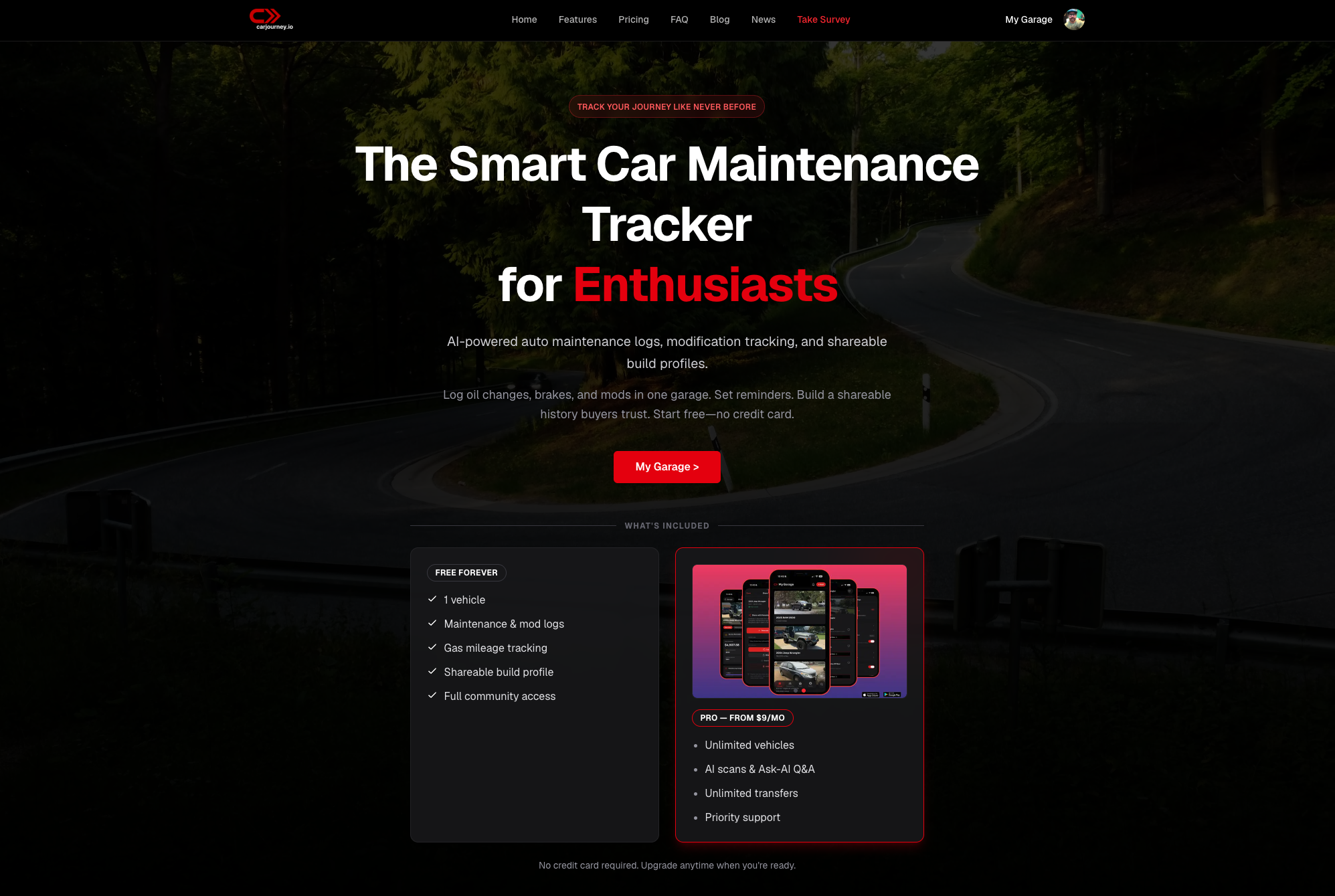
CarJourney is built by a team of gearheads and engineers in Virginia who got tired of scattered receipts and generic schedules that ignore your specific vehicle. The platform lets you log every service event, track mileage, set reminders tied to your actual usage, and get AI-powered answers about your exact build. Whether you drive a daily commuter or a weekend project car, CarJourney’s maintenance tracker keeps your preventive maintenance schedule organized and your repair bills predictable. Try it and see how much simpler vehicle ownership gets when everything lives in one place.
FAQ
What are the most important preventive maintenance tasks for cars?
Oil and filter changes, tire rotation and pressure checks, brake inspections, and fluid level monitoring are the highest-priority tasks for most vehicles. These address the failure points most likely to cause safety issues or expensive repairs.
How often should I follow a preventive maintenance schedule?
Service intervals vary by component, but a practical rule is to check fluids monthly, rotate tires every 5,000 to 7,500 miles, and follow OEM guidelines for major services like coolant and transmission fluid. Adjust intervals downward for severe driving conditions.
Is preventive maintenance worth the cost?
Yes. Scheduled PM programs cut unplanned downtime by 25 to 50 percent and deliver measurable annual savings compared to reactive repair approaches. The upfront cost of a service is almost always lower than the cost of the failure it prevents.
What is the difference between preventive and predictive maintenance?
Preventive maintenance follows fixed time or mileage intervals. Predictive maintenance uses real-time sensor data and condition monitoring to service components only when data indicates wear. Condition-based maintenance can reduce costs by 25 percent and eliminate up to 70 percent of breakdowns for complex systems.
How do I keep track of my car’s maintenance history?
Use a dedicated app or digital log to record every service with dates, mileage, receipts, and photos. A complete service history supports warranty claims and increases resale value by demonstrating consistent, documented care.