 carjourney
From the CarJourney journal
Types of vehicle maintenance: Essential guide for car owners
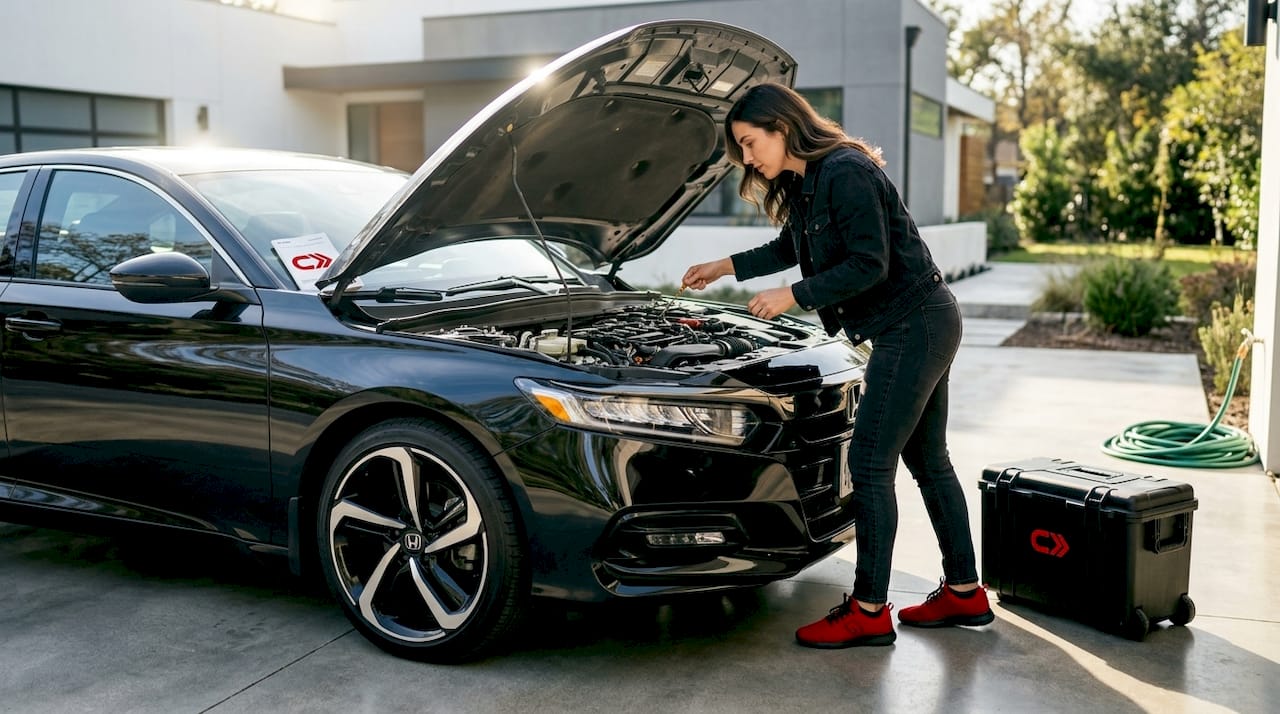
Most car owners know they’re supposed to get an oil change “every so often,” but beyond that, the picture gets murky fast. Understanding the different types of vehicle maintenance is the difference between a car that lasts 250,000 miles and one that nickel-and-dimes you into a dealership before 100,000. This guide breaks down scheduled, preventive, corrective, predictive, and reactive maintenance, what each one covers, when it matters, what it costs, and which tasks you can handle yourself versus when you need a pro.
Table of Contents
- How to evaluate types of vehicle maintenance
- Scheduled and preventive maintenance: Keeping your vehicle on track
- Corrective and reactive maintenance: Handling issues as they arise
- Predictive maintenance: Using data to anticipate problems
- Comparing types of vehicle maintenance: What fits your needs?
- A fresh perspective: What many vehicle owners overlook about maintenance
- How CarJourney helps you manage your vehicle maintenance
- Frequently asked questions
Key Takeaways
| Point | Details |
|---|---|
| Follow your owner’s manual | Your vehicle’s owner’s manual provides the most accurate maintenance schedule tailored for your car model. |
| Know maintenance categories | Understanding preventive, corrective, predictive, and reactive maintenance helps you prioritize tasks effectively. |
| Routine checks are essential | Simple tasks like tire pressure and fluid level checks can prevent costly repairs if done regularly. |
| Avoid unnecessary services | Stick to manufacturer recommendations to avoid expensive upsells and unneeded fluid flushes. |
| Track maintenance history | Keeping a maintenance log supports timely service decisions and helps diagnose issues promptly. |
How to evaluate types of vehicle maintenance
Before you can make smart decisions about your car’s care, you need a framework. Not all maintenance is created equal, and treating every task with the same urgency is how people end up overpaying for services they don’t need while ignoring ones that actually matter.
The single best starting point is your owner’s manual. Vehicle maintenance is typically organized into scheduled intervals based on the manufacturer’s service schedule in that manual. It tells you exactly what needs attention and when, based on how your specific engine, transmission, and drivetrain were designed. Generic advice from the internet, including this article, should always take a back seat to what your manufacturer specifies for your build.
Here’s what to consider when evaluating any maintenance task:
- Frequency: Is this something that happens every 3,000 miles or every 60,000? Frequency determines how much it affects your budget and calendar.
- Complexity: Checking your tire pressure is a two-minute job. Replacing a timing belt is not. Know the difference before grabbing a wrench.
- Safety impact: Brakes, tires, and steering components fall into a different category than a cabin air filter. Prioritize accordingly.
- DIY vs. professional: Your maintenance recommendations should always account for whether a task requires specialized tools, a lift, or technical training.
- Cost trajectory: Small neglect compounds. A $30 coolant top-off ignored for 18 months can become a $1,400 head gasket repair.
Using a car service maintenance schedule as your operating system, rather than gut instinct or mileage stickers from the quick lube shop, puts you in control of what gets done and when.
Scheduled and preventive maintenance: Keeping your vehicle on track
This is the foundation. Scheduled maintenance includes interim, full, and major services at defined mileage and time intervals per the manufacturer, and preventive maintenance covers regularly scheduled tasks like oil changes, tire rotations, and fluid checks specifically to head off problems before they start.
Think of these as three tiers:
- Interim service (roughly every 6 months or 6,000 miles): Oil and filter change, fluid level checks, visual brake inspection, tire pressure check, lights check.
- Full service (roughly every 12 months or 12,000 miles): Everything in the interim service, plus air filter, cabin filter, battery test, brake pad measurement, and suspension check.
- Major service (every 30,000 to 60,000 miles or beyond): Timing belt or chain inspection, spark plug replacement, coolant flush, transmission fluid, fuel system cleaning.
Common tasks and their typical costs look like this:
| Service | Typical cost (2026) | DIY possible? |
|---|---|---|
| Oil and filter change | $75–$145 | Yes, with basic tools |
| Tire rotation | $25–$50 | Yes, with jack stands |
| Coolant flush | $373–$400 | Possible, but messy |
| Brake pad replacement | $259–$300 per axle | Intermediate skill needed |
| Spark plug replacement | $100–$250 | Yes, on many engines |
| Transmission fluid | $150–$300 | Varies by vehicle |
You can check your car maintenance schedule by mileage to see what your specific model requires at each interval, and a solid car maintenance checklist will keep you from forgetting the smaller items that quietly cause big damage.
Pro Tip: Tire pressure is the most underrated two-minute check you can do. A tire running 8 PSI low generates excess heat and wears unevenly, and most drivers never notice until there’s a blowout or a premature replacement bill. Check it monthly when the tires are cold.
The Consumer Reports car maintenance checklist is worth bookmarking for a detailed look at what falls into each service category.
Corrective and reactive maintenance: Handling issues as they arise
Even the most disciplined maintenance schedule doesn’t prevent every problem. That’s where corrective and reactive maintenance come in, and understanding the distinction matters.
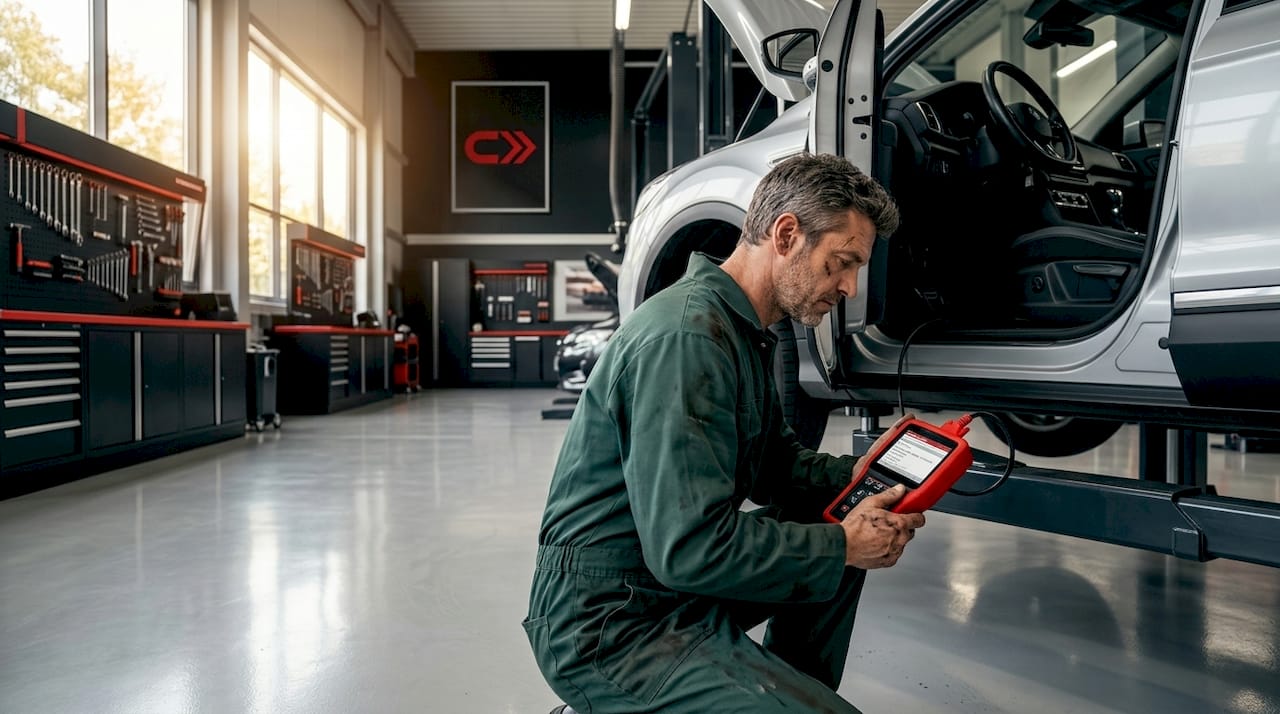
Corrective maintenance means fixing issues after they arise, such as brake repairs or engine faults that show up during an inspection or via a warning light. You know there’s a problem. You address it. Classic examples include replacing worn brake pads flagged during a full service, fixing an oil leak discovered during an oil change, or repairing a cracked serpentine belt before it snaps.
Reactive maintenance is the more expensive cousin. It means waiting until something actually fails before acting. Your check engine light has been on for six months, and you finally deal with it when the car won’t start. That’s reactive. The repair bill for reactive fixes is almost always higher because secondary damage has typically occurred.
Common corrective repairs you should act on immediately:
- Squealing or grinding brake noise
- Dashboard warning lights (especially coolant temp, oil pressure, or battery)
- Unusual vibration through the steering wheel
- Pulling to one side under braking or during normal driving
- Rough idle or misfires at startup
Troubleshooting with checklists is helpful, but it should supplement your scheduled intervals, not replace them. A checklist catches what you can see and hear. Scheduled service catches what you can’t.
Using a car maintenance by mileage tracker helps spot patterns, like brakes wearing faster than expected on a particular vehicle, which can indicate an alignment issue or a sticking caliper worth addressing before it becomes a rotor replacement.
Pro Tip: If you hear a new noise, record a short voice memo on your phone describing it: when it happens, what it sounds like, and what speed or conditions trigger it. That 30-second note can save you an hour of diagnostic time at the shop and get you a more accurate repair estimate.
Predictive maintenance: Using data to anticipate problems
Predictive maintenance sits between preventive and corrective. Instead of following a fixed schedule or waiting for failure, predictive maintenance uses data and diagnostics to anticipate when a part is likely to need attention before it actually fails.
For most everyday drivers, predictive maintenance takes a few practical forms:
- Multipoint inspections: A thorough inspection at each service visit measures brake pad thickness, tire tread depth, belt condition, and battery health. Those measurements trend over time, letting your technician predict when a part will hit its limit.
- OBD-II diagnostics: Your car’s onboard diagnostic system (OBD-II is the standardized port used in most cars built after 1996) generates fault codes and live sensor data. A basic Bluetooth OBD-II reader costs $20 to $40 and can give you real-time data on fuel trims, coolant temp, and more.
- Recordkeeping: Detailed service records let you compare actual wear against expected wear. If your brake pads are lasting 20,000 miles instead of the expected 35,000, that’s a data point worth investigating now, not after the next rotor is scored.
Your vehicle maintenance sheets are the raw material for predictive decisions. Without a complete service history, every inspection starts from scratch.
Predictive maintenance is where AI tools are genuinely useful. Platforms that can read your service documents and flag patterns across your specific build give you an edge that generic mileage-based schedules simply can’t.
Comparing types of vehicle maintenance: What fits your needs?
Now that each type is defined, here’s how they stack up against each other in practical terms:
| Maintenance type | Timing | Typical cost | DIY feasibility | Risk of neglect |
|---|---|---|---|---|
| Scheduled/preventive | Fixed intervals | Low to moderate | Partially | High: compounds over time |
| Corrective | After fault detected | Moderate | Varies by repair | Medium: manageable if caught early |
| Reactive | After failure | High | Usually requires pro | Very high: secondary damage likely |
| Predictive | Data-driven | Variable | Requires tools/records | Low when followed consistently |
A few honest observations about each approach:
- Scheduled and preventive maintenance is the most cost-effective long-term strategy, but only if you follow your manufacturer’s actual intervals, not what a service center recommends based on what they want to sell you.
- Reactive maintenance is almost never a strategy. It’s a consequence of delayed action. Every experienced technician has a story about a $200 fix that became a $2,000 repair because someone waited.
- Frequent inspections plus periodic service is the AAA-backed approach that catches small issues before they cascade.
Pro Tip: Keep a simple maintenance log in your glovebox or a notes app. Record the date, mileage, and what was done at each service. This alone can prevent duplicate services (coolant flush done twice in 18 months because the shop didn’t know the previous one was recent) and helps enormously when diagnosing intermittent problems.
Tracking your yearly car maintenance costs and comparing them against your mileage service history gives you a clear picture of where your money is going and whether your current approach is working.
A fresh perspective: What many vehicle owners overlook about maintenance
Here’s something most articles won’t tell you: the owner’s manual schedule is a minimum, not a ceiling, and the condition of your vehicle at each inspection matters more than the calendar date or odometer reading on any given recommendation.
A technician doing a multipoint inspection on a 2019 truck that hauls equipment in dusty conditions every day is looking at a very different vehicle than the same model year truck that does highway commuting in mild weather. Generic intervals don’t account for this. Actual inspection data does.
Service intervals and fluid flushes are one of the most misunderstood areas. Not every visit needs every fluid swapped. If your coolant tests clean at 40,000 miles, you may not need the flush a service advisor is recommending. Ask to see the test results. Good shops will show you.
A maintenance log alongside the owner’s manual is the combination that prevents both over-maintenance (paying for services you don’t need) and under-maintenance (missing the ones that matter). It also becomes incredibly valuable when you sell the vehicle or need to diagnose a recurring problem.
The other thing worth saying plainly: know your limits. Replacing a cabin air filter takes five minutes and zero tools. Replacing a rear wheel bearing on an AWD vehicle with a pressed hub takes a hydraulic press and real experience. The cost of getting it wrong is not just money. It’s safety. The maintenance recommendations you find online should always be filtered through an honest assessment of your own skills and the specific demands of your vehicle.
How CarJourney helps you manage your vehicle maintenance
Managing maintenance across all these categories is genuinely easier when you have the right tools behind you.
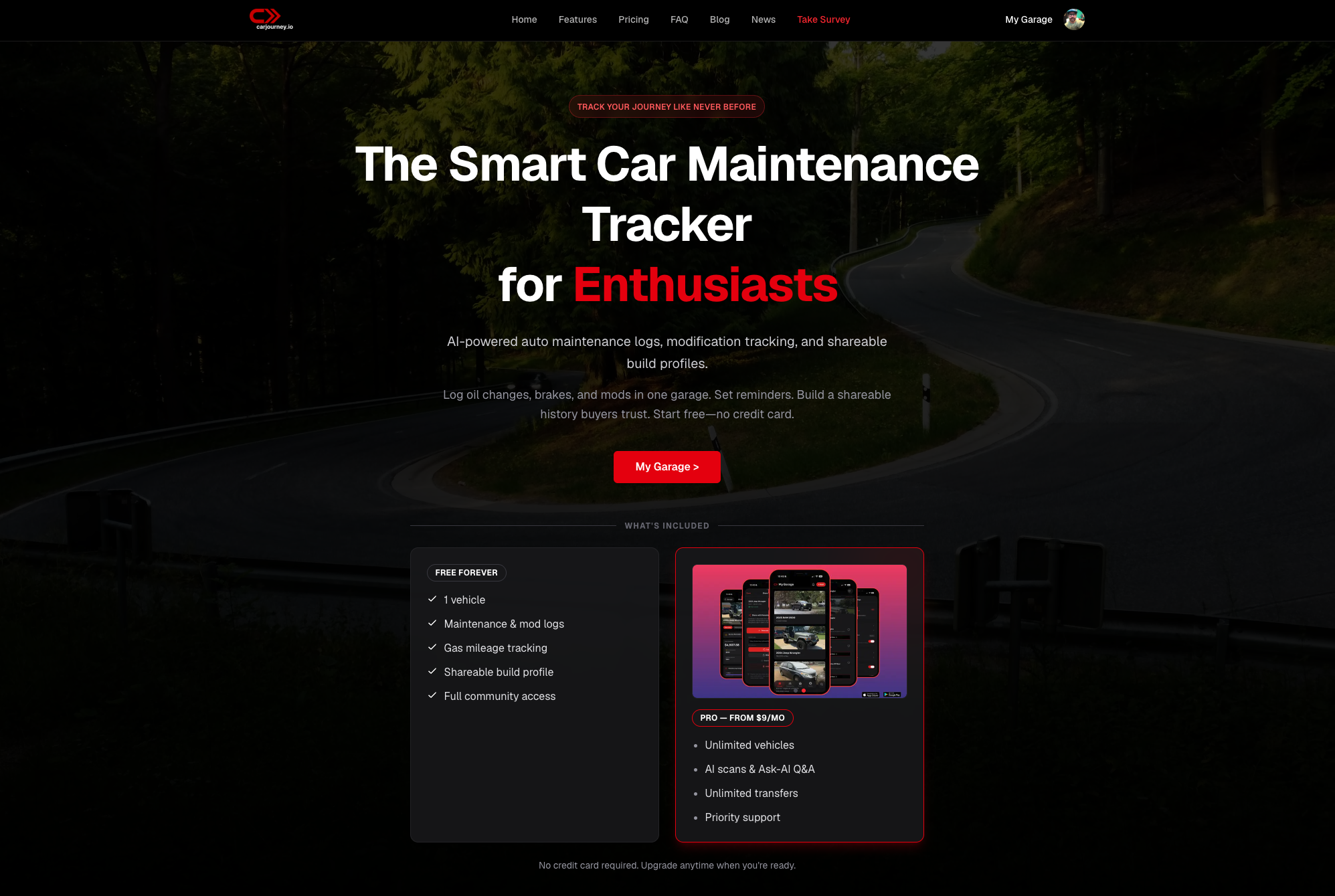
CarJourney gives you a personalized maintenance platform built around your actual vehicle, not a generic year/make/model lookup. Upload your service records and our AI reads them, flags gaps, and aligns your history against your car maintenance schedule by mileage. You get reminders before services come due, cost estimates so nothing catches you off guard, and access to a community of owners with real-world knowledge about your specific build. Whether you’re tracking a daily driver or a weekend project, CarJourney keeps every task, every receipt, and every vehicle maintenance recommendation in one place so managing your car’s health stops feeling like homework.
Frequently asked questions
What is the difference between preventive and corrective vehicle maintenance?
Preventive maintenance includes scheduled tasks like oil changes and fluid checks to stop problems from starting, while corrective maintenance addresses issues that have already appeared, such as brake repairs or engine faults caught during an inspection.
How often should I perform scheduled maintenance on my car?
Interim service is typically every 6,000 miles or 6 months, while full service falls around 12,000 miles or once a year. Your owner’s manual is the authoritative source for your specific vehicle’s intervals.
Can I do vehicle maintenance tasks myself?
Many routine tasks like checking tire pressure, topping off fluids, and swapping wiper blades are straightforward for most owners, but some inspections require specialized tools or professional handling, particularly anything involving brakes, suspension, or electrical systems.
What is predictive maintenance and how does it benefit me?
Predictive maintenance uses data and analysis to identify when a part is likely to fail before it actually does, so you can plan repairs proactively instead of dealing with unexpected breakdowns and the higher costs that come with them.
Why is it important to keep a maintenance log alongside the owner’s manual?
A maintenance log helps technicians align future services and diagnose symptoms accurately, while also preventing duplicate or missed services that the owner’s manual schedule alone can’t catch without knowing what was already done and when.