
Car Service Schedule Guide for Real Owners
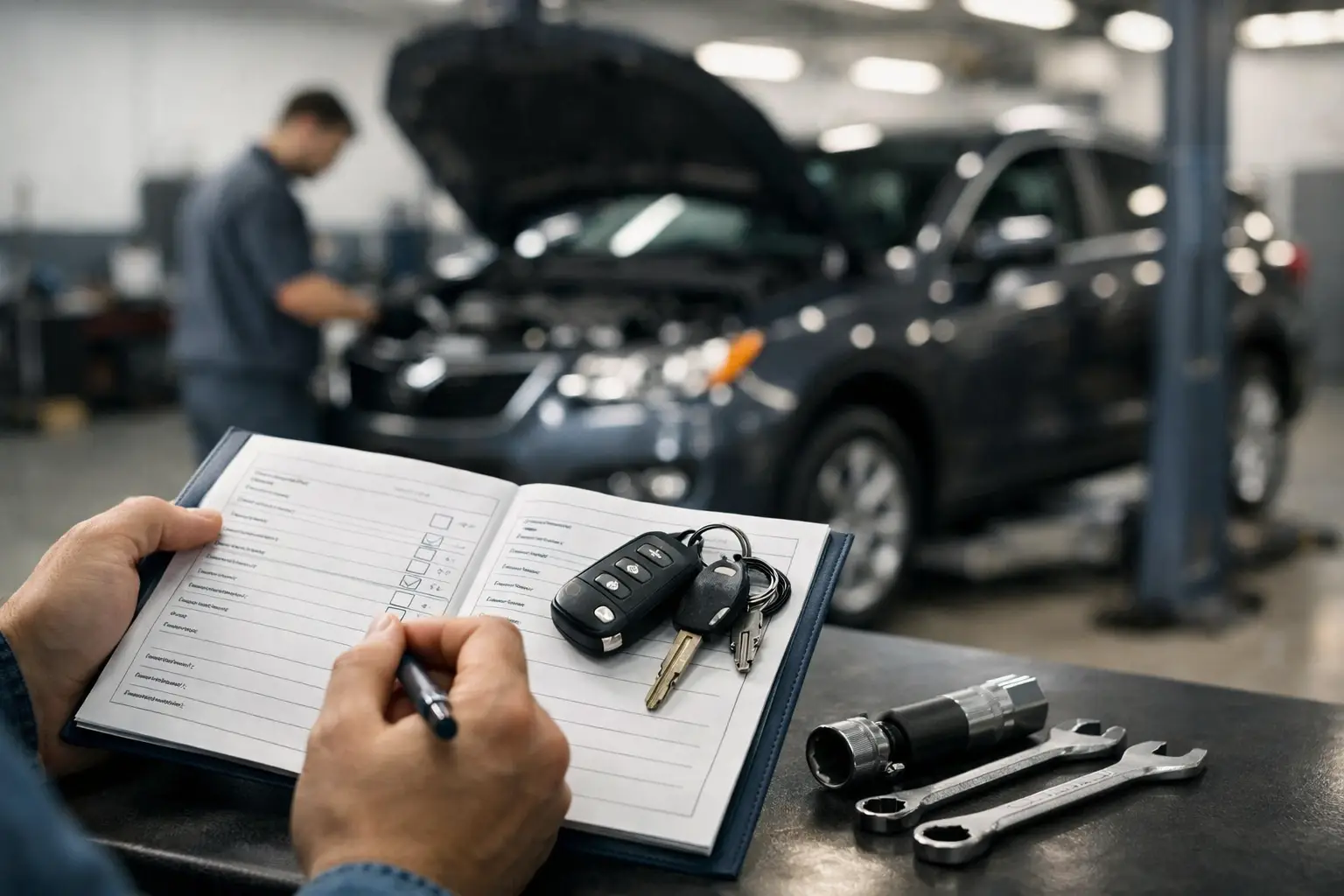
That odd feeling when you cannot remember your last oil change usually shows up at the worst time - right before a road trip, after a check engine light, or when a buyer asks for records you do not have. A solid car service schedule guide fixes that. It gives you a clear plan for what to do, when to do it, and how to keep the kind of service history that protects both reliability and resale value.
For enthusiasts, this matters even more. Once a car has seen mods, spirited driving, track days, bigger wheels, or just years of ownership, the factory maintenance booklet stops being the whole story. A real schedule has to match how the car is actually used, not just what the manufacturer printed for an average driver.
What a car service schedule guide should actually do
A good schedule is not just a list of mileage milestones. It should help you avoid expensive failures, catch wear before it turns into downtime, and create a record that proves the car was cared for. That last part matters whether you plan to keep the vehicle forever or sell it to someone who wants confidence, not guesswork.
The mistake many owners make is treating service like a single reminder. Change the oil every so often, rotate the tires, maybe handle brakes when they get noisy. That approach works until it does not. Modern vehicles have fluids, filters, rubber components, electronic systems, and wear items that age on both mileage and time. A car that sits can need attention just as much as one that racks up highway miles.
The best schedule balances three things: manufacturer recommendations, real-world usage, and your own ownership goals. If you want maximum longevity, your timing may be more conservative. If you lease or swap cars often, you may follow the factory baseline more closely. If you autocross, tow, or run performance parts, the intervals usually need to tighten up.
Start with the factory schedule, then adjust
Your owner’s manual is still the base layer. It tells you the official intervals for oil, engine air filters, cabin filters, brake fluid, spark plugs, coolant, transmission service, and more. It also often splits maintenance into normal and severe use.
Here is the catch: a lot of owners qualify for severe use without realizing it. Short trips, stop-and-go traffic, dusty conditions, extreme heat, winter driving, towing, mountain roads, and repeated cold starts all count. If your car rarely gets fully warmed up or spends its life in traffic, that is not easy service.
For many enthusiast-owned cars, severe use is the honest category. Add aggressive driving, wider tires, suspension changes, or power mods, and your maintenance needs can move faster than factory intervals suggest. That does not mean blindly replacing parts early. It means using inspection, fluid condition, and usage patterns to make smarter calls.
The service items that matter most
Oil changes get all the attention because they matter and because they are easy to understand. But a healthy car depends on a chain of systems, and most expensive problems start when one of them gets ignored.
Engine oil and filter
If you do one thing right, do this. Oil protects the engine, manages heat, and carries contaminants away from critical components. Turbocharged engines, direct-injection setups, and performance driving all make oil condition more important, not less. Even if the factory allows a long interval, many owners shorten it for peace of mind and long-term wear control.
Tires and alignment
Tires are maintenance, not just a replacement item. Rotation intervals matter, but so does alignment. If your steering wheel is off-center, the car pulls, or the inside edge of a tire is disappearing, waiting until the next major service is a good way to burn through a set early. Lowered cars and aggressive fitments need even closer attention.
Brakes
Pads and rotors wear at different rates depending on driving style and vehicle weight. Brake fluid also absorbs moisture over time, which can reduce braking performance and lead to corrosion. A car that gets pushed hard, sits for long periods, or sees humid conditions may need fluid service sooner than expected.
Cooling system
Coolant is easy to forget because problems often stay hidden until they become expensive. Hoses, clamps, water pumps, thermostats, and radiator caps can age out before the coolant interval itself becomes the issue. On older cars especially, cooling system inspections deserve a place in your regular rhythm.
Transmission and differential fluids
These are classic examples of services people skip because the car still feels fine. Automatic transmissions, manual gearboxes, transfer cases, and differentials all rely on fluid condition. If your vehicle tows, launches hard, or has all-wheel drive, these services deserve more respect than they usually get.
Filters, plugs, and belts
Air filters and cabin filters affect drivability and comfort more than people think. Spark plugs influence fuel economy, idle quality, and performance. Belts and tensioners can fail with age even on cars that are not driven much. None of these are glamorous, but all of them support a car that feels sorted.
Mileage is only half the schedule
A proper car service schedule guide always accounts for time as well as miles. Brake fluid might need replacement every few years even if mileage is low. Tires age out. Batteries weaken. Rubber seals dry. Fuel can degrade in cars that sit. If you own a seasonal vehicle, collector car, or weekend build, time-based service can be more important than mileage-based service.
This is where owners get caught out. A car with only 3,000 miles in the last year feels like it should need almost nothing. But if it spent that year parked, heat-cycled, and occasionally started for short runs, several maintenance items may still be due. Low mileage does not automatically mean low wear.
Build your schedule around how you use the car
There is no single perfect interval that fits every owner. A daily-driven commuter sedan, a tuned turbo hatch, and a weekend muscle car should not all follow the same pattern.
If you commute in traffic, prioritize oil, brakes, and cooling health. If you drive long highway distances, watch tire wear, fluid intervals, and filters. If you have a modified car, keep a closer eye on anything affected by the upgrade. Bigger power can change oil stress, drivetrain load, and heat management. Suspension mods can accelerate tire wear if alignment is not revisited. Even wheel and tire changes can alter rotation strategy and load patterns.
Track use is its own category. Once a car sees track days, your schedule becomes more inspection-heavy. Brake fluid, pad thickness, tire condition, alignment, and oil quality should be checked more often, even if full replacement is not needed every event.
Documentation is part of maintenance
Doing the service is only half the job. Recording it is what gives you control later.
A documented history helps you avoid duplicate work, spot patterns, and make better decisions. If a coil pack failed once, you can look back at mileage and symptoms. If tire wear keeps returning, you can connect it to alignment settings or suspension work. If you decide to sell, buyers trust records far more than promises.
This is especially important for modified vehicles. Buyers want to know not just what parts are installed, but when they were added, who did the work, and whether maintenance kept pace afterward. A clean history makes the car easier to value and easier to trust. That is one reason platforms like CarJourney resonate with serious owners - they turn scattered receipts, phone notes, and memory into an organized ownership record.
Common mistakes that throw schedules off
The biggest mistake is waiting for symptoms. By the time a service item announces itself loudly, the cheap window may already be closed. Another common issue is overreliance on generic advice. “Every 5,000 miles” sounds neat, but different engines, climates, and driving habits can make that too early, too late, or just incomplete.
There is also a difference between monitoring and procrastinating. It is reasonable to inspect brake pads and defer replacement if they have plenty of life left. It is not reasonable to keep pushing off old brake fluid because the pedal still feels okay. Good maintenance is not about replacing everything early. It is about knowing what deserves flexibility and what does not.
How to keep the schedule realistic
The best maintenance plan is the one you will actually follow. That means keeping it simple enough to use and detailed enough to be trustworthy.
Start with manufacturer intervals. Add annual inspections for tires, brakes, battery health, hoses, belts, and leaks. Then tighten the schedule anywhere your driving, climate, or modifications justify it. Set reminders by both time and mileage. Store receipts, part numbers, and notes while the work is fresh, not months later when details get fuzzy.
If you maintain multiple vehicles, a centralized log matters even more. The moment you own a daily, a project car, and maybe a truck or SUV in the same household, memory stops being a system. A real schedule keeps everything visible and reduces the chance that one vehicle quietly goes overdue.
A car runs better when its history is not a mystery. Keep the schedule honest, keep the records clean, and future you will spend a lot less time guessing.