 carjourney
From the CarJourney journal
How to Read Car Dashboard Warning Lights: A 2026 Guide
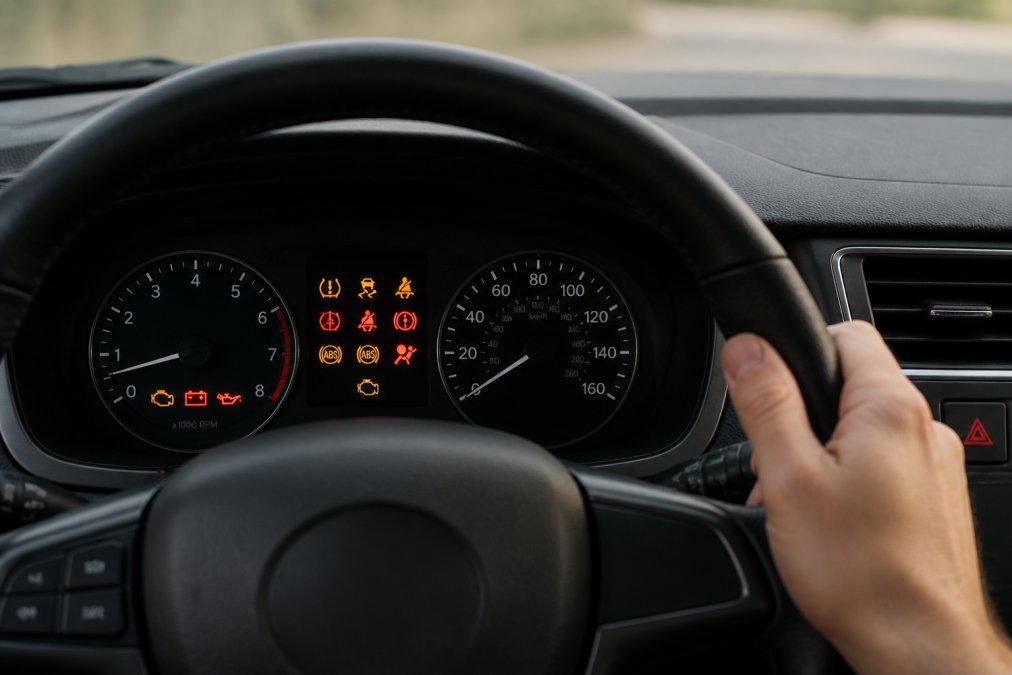
Table of Contents
- Understanding Dashboard Warning Lights and Symbols
- Dashboard Light Color Meanings: Red, Amber, and Green
- Critical Warning Lights That Require Immediate Action
- What to Do When Check Engine Light Comes On
- Using an OBD2 Scanner for Car Diagnostics
- Common False Alarms and Vehicle-Specific Variations
- Tracking Your Warning Light History with Maintenance Records
- Conclusion
Last Updated: August 7, 2026
Understanding Dashboard Warning Lights and Symbols
Dashboard warning lights are visual indicators on your vehicle's instrument cluster that alert you to potential mechanical, electrical, or safety issues. These symbols communicate system status through color coding and specific icons, helping you understand what requires attention before a small problem becomes expensive. Modern vehicles use standardized warning light symbols across most manufacturers, though exact appearance and behavior vary by make and model.
The dashboard warning light system works with your vehicle's onboard diagnostic system, which monitors dozens of sensors throughout the engine, transmission, brake system, and electrical components. When a sensor detects a problem or a parameter falls outside normal operating range, the system triggers the corresponding warning light and stores a fault code that can be retrieved with an OBD2 scanner.
Pro Tip Keep your owner's manual in the vehicle or saved on your phone. Manufacturers sometimes use different symbols or placement for the same warning, and your specific manual explains what each light means for your exact year, make, and model.Dashboard Light Color Meanings: Red, Amber, and Green
The color of a warning light tells you the urgency level of the issue. This standardized color system helps drivers quickly assess whether they need to pull over immediately or can safely drive to a service facility.
Red warning lights indicate critical issues that demand immediate action. A red light means stop driving as soon as safely possible and address the problem before continuing. Red lights typically signal problems with the brake system, engine overheating, oil pressure failure, or other life-threatening mechanical failures.
Amber or yellow warning lights suggest that service is needed soon, but the vehicle is generally safe to drive to a repair facility. These lights indicate issues like a check engine condition, tire pressure problems, or maintenance reminders.
Green or blue indicator lights are not warning lights; they're status indicators showing that a feature is active. A blue light might indicate that high-beam headlights are on, while green often shows that a safety system like stability control is engaged.
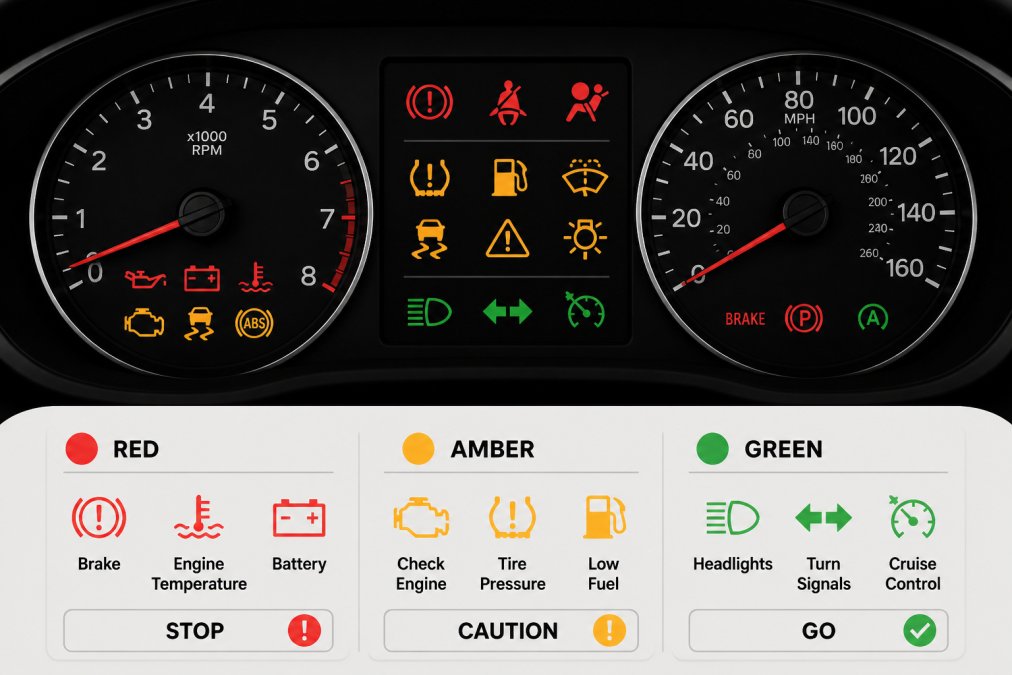
Understanding these color meanings lets you respond appropriately without panic. A red light demands immediate attention; an amber light warrants prompt service scheduling.
Watch Out Never ignore a red warning light, even if the vehicle seems to be running normally. The light indicates a serious condition that could cause sudden failure. Pull over safely and turn off the engine if the light appears while driving.Critical Warning Lights That Require Immediate Action
Certain warning lights demand that you stop driving immediately. Recognizing these critical indicators prevents catastrophic engine damage, brake failure, or safety hazards.
Red Warning Lights: Stop Driving Now
The oil pressure warning light (usually shaped like an oil can) signals that engine oil pressure has dropped below safe operating levels. Without adequate pressure, the engine will seize within minutes of continued driving. If this light appears, pull over immediately, turn off the engine, and check your oil level. Do not drive the vehicle until the problem is diagnosed and corrected.
The brake system warning light (typically a circle with an exclamation mark or the word "BRAKE") indicates a loss of brake pressure or brake fluid. This is one of the most critical warning lights because brake failure is an immediate safety hazard. If the light appears while driving, pump the brakes gently to build pressure, and coast to a safe stop.
The engine overheating light (often a thermometer symbol) means coolant temperature has exceeded safe limits. Pull over, turn off the engine, and allow it to cool before checking coolant levels. Never open the radiator cap while the engine is hot.
The battery or charging system light (usually a battery symbol) indicates that the alternator is not charging the battery properly. Continued driving will drain the battery and leave you stranded.
The airbag warning light (typically an airbag symbol) signals a malfunction in the supplemental restraint system. Have the vehicle diagnosed and repaired before driving long distances.
Amber Warning Lights: Service Soon
The check engine light is the most common amber warning light. It indicates that the engine management system has detected a fault in the emissions control system, engine performance, or transmission. The vehicle is usually safe to drive, but the underlying issue should be diagnosed promptly using an OBD2 scanner.
The tire pressure monitoring system (TPMS) light (typically a tire with an exclamation mark) shows that one or more tires have pressure below the recommended PSI. Check tire pressure with a gauge and inflate as needed. Cold weather naturally reduces tire pressure, so this light often appears in winter.
The service engine soon light or maintenance reminder light indicates that scheduled maintenance is due based on mileage or time intervals. This is not an emergency, but it signals that oil changes, filter replacements, or other routine services should be scheduled soon.
The transmission temperature warning light suggests that transmission fluid is overheating, often due to heavy towing, aggressive driving, or low fluid levels. Allow the transmission to cool and have it serviced if the light persists.
Key Takeaway Red lights demand immediate action, pull over and diagnose the problem before driving further. Amber lights warrant prompt service scheduling, but the vehicle is generally safe to drive to a repair facility.What to Do When Check Engine Light Comes On
The check engine light is your engine management system's way of flagging a detected fault. When the light first appears, assess how the vehicle is driving. If the engine runs smoothly with no performance issues, the problem is likely minor and can be addressed at your next service appointment. If the vehicle hesitates, stalls, or runs roughly, have it diagnosed promptly.
The check engine light triggers when a sensor reading falls outside normal parameters. Common causes include a loose gas cap, a faulty oxygen sensor, a catalytic converter problem, or an ignition timing issue. The first step is to retrieve the fault code using an OBD2 scanner. The code tells you which system triggered the light and helps narrow down the cause.
Document the fault code and the conditions when the light appeared. Did it come on during highway driving or city driving? Was the vehicle running rough, or did it seem normal? This context helps a technician diagnose the problem more efficiently. CarJourney's maintenance logs let you track when warning lights appeared and what conditions preceded them, building a diagnostic history that informs future repairs.
If the light comes back on after clearing, the underlying problem persists and requires professional diagnosis.
Using an OBD2 Scanner for Car Diagnostics
An OBD2 (onboard diagnostic) scanner is an essential tool for understanding what your dashboard warning lights mean. This device reads fault codes stored in your vehicle's computer, translating cryptic codes into readable descriptions that point toward the problem.
OBD2 scanners connect to your vehicle's diagnostic port, typically located under the steering column or dashboard. All vehicles sold in the United States since 1996 have a standardized OBD2 port, making scanners universally compatible. Plug in the scanner, follow the menu prompts, and retrieve the stored and pending fault codes.
Basic OBD2 scanners display the code number and a brief description. A code like P0171 translates to "System Too Lean Bank 1," indicating a fuel mixture problem. More advanced scanners provide live data streams showing real-time sensor readings.
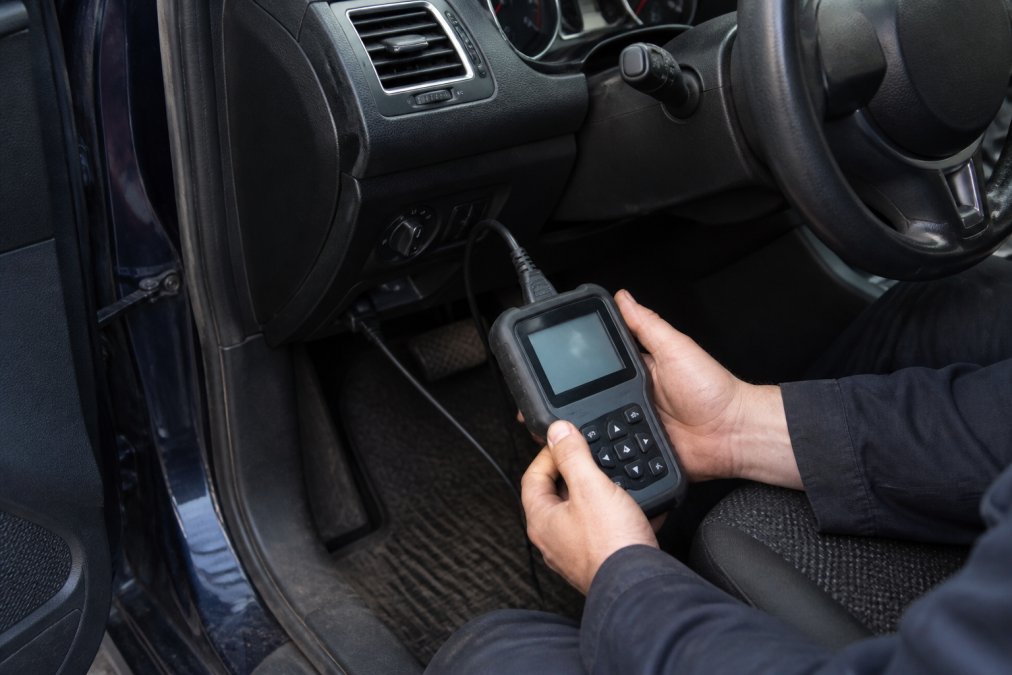
Using an OBD2 scanner before visiting a repair shop saves money and time. You arrive with specific fault codes and a clear understanding of what systems need attention. Many auto parts retailers offer free OBD2 scanning if you don't own a scanner. Write down the exact code numbers and descriptions.
Pro Tip Write down the exact fault code (like P0300) and the freeze frame data showing engine conditions when the code triggered. This information helps you or a technician understand whether the problem is intermittent or consistent.Common False Alarms and Vehicle-Specific Variations
Not every warning light indicates a serious problem. Some lights trigger due to minor issues or sensor quirks specific to your vehicle model.
A loose gas cap is the most common false alarm. The fuel cap seals the fuel tank and prevents fuel vapor from escaping. A loose or missing cap triggers an emissions code and illuminates the check engine light. Tighten the cap and clear the code; the light usually doesn't return.
Cold weather commonly triggers the TPMS light. Tire pressure drops in freezing temperatures, sometimes below the recommended threshold. As the tires warm up during driving, pressure rises and the light may extinguish on its own. Checking tire pressure and inflating as needed prevents this recurring issue in winter.
Some vehicles have quirky sensor behavior. Certain models trigger oxygen sensor codes after extended highway driving at constant speeds, even though the sensor functions normally. Researching your specific vehicle's known issues on automotive forums reveals whether a particular code is a common false alarm or a genuine problem.
Aftermarket modifications can trigger unexpected codes. Installing a custom exhaust system, changing engine management software, or modifying the fuel system sometimes causes sensor readings to fall outside the manufacturer's expected range.
Vehicle-specific variations mean that the same warning light means different things across different manufacturers. Always consult your owner's manual for your specific vehicle's light meanings.
Watch Out Never assume a warning light is a false alarm without retrieving the fault code. Even if the problem seems minor, the code tells you what system triggered the alert and whether immediate action is necessary.Tracking Your Warning Light History with Maintenance Records
Documenting warning light occurrences builds a diagnostic history that informs future repairs and helps you understand your vehicle's patterns.
When a warning light appears, record the date, mileage, driving conditions, and any performance issues you noticed. Over time, a maintenance record reveals whether certain codes are recurring or one-time events. If the TPMS light appears every winter, you know to check tire pressure proactively when temperatures drop. If the check engine light returns repeatedly with the same code, the underlying issue persists and requires professional attention.
When selling your vehicle, documented warning light history and the repairs you performed demonstrate that you've maintained the vehicle responsibly. CarJourney's shareable build profiles let you prove your vehicle's care history to potential buyers, turning maintenance records into a trust-building asset.
A comprehensive maintenance log also helps you budget for repairs. If you notice that a particular system triggers warnings regularly, you can plan for preventative maintenance or replacement before the system fails completely.
Understanding your dashboard warning lights puts you in control of your vehicle's maintenance. The color tells you urgency; the symbol tells you which system needs attention; and an OBD2 scanner tells you exactly what the problem is. By responding appropriately to warning lights and documenting their occurrence, you keep your vehicle safe, reliable, and valuable. Start tracking your warning light history today with CarJourney's AI-powered maintenance logs, and build a complete diagnostic record that protects your investment.
Frequently Asked Questions
How do I interpret dashboard warning lights?
Dashboard warning lights use color coding: red lights indicate immediate safety risks and require you to stop driving, amber lights signal that service is needed soon, and green lights are informational. Check your owner's manual for your vehicle's specific symbols. Most modern cars follow ISO standards for warning indicators, though some variations exist by manufacturer. If unsure, use an OBD-II scanner to read the fault codes behind the light.
What should I do when a check engine light comes on?
First, check if your gas cap is loose and tighten it. If the light persists, continue driving carefully to a safe location. Use an OBD-II scanner to read the diagnostic trouble codes, which identify the specific emission system problem. Common triggers include a faulty oxygen sensor, catalytic converter issues, or a misfire. Document the code and service date in your maintenance records. If the light flashes, stop driving immediately, this indicates engine damage.
Is it safe to drive with a dashboard warning light on?
It depends on the light's color and function. Red warning lights mean stop immediately, driving further risks safety or engine damage. Amber lights indicate service is needed but driving is usually safe for a short distance to a mechanic. Green lights are informational and safe to ignore temporarily. Check your owner's manual for specific guidance on each light. When in doubt, have a mechanic diagnose the issue before driving long distances.
What is the most serious warning light in a car?
The red oil pressure warning light is typically the most critical, low oil pressure can destroy your engine in minutes. Other serious red lights include the brake system warning light, which indicates brake failure, and the engine temperature warning light, which signals overheating. A flashing check engine light also demands immediate attention. These lights require you to pull over safely and stop driving until the issue is resolved. Never ignore red warning lights on your instrument cluster.
Start freeThis article was written using GrandRanker