 carjourney
From the CarJourney journal
Is DIY Car Maintenance Worth It? 2026 Analysis
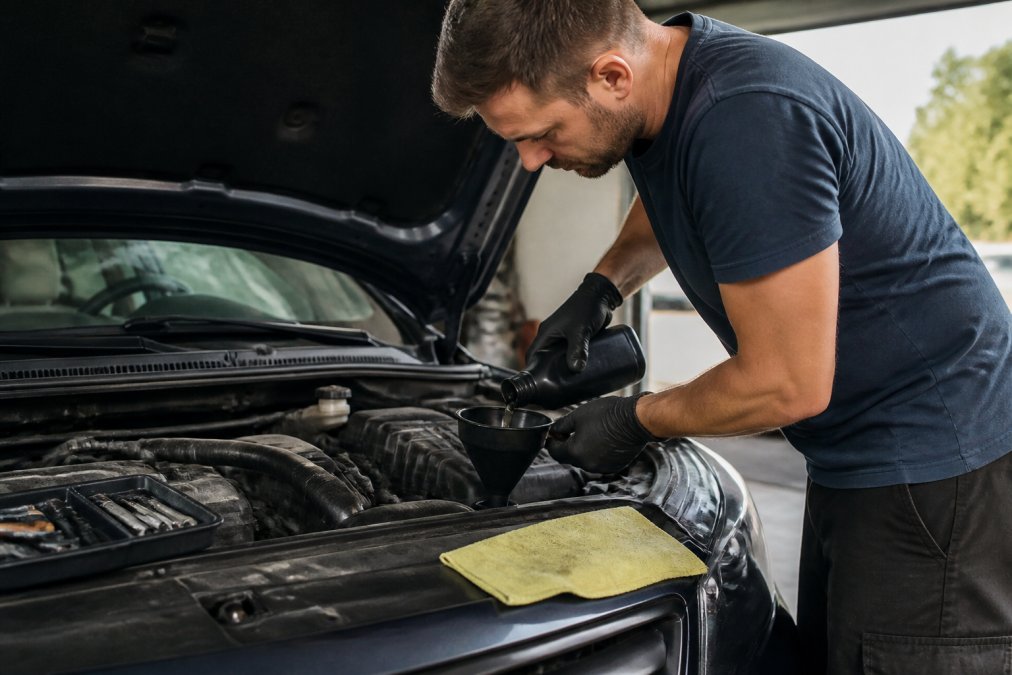
Table of Contents
- The Real Cost Savings: DIY Car Maintenance vs. Professional Service
- Essential Tools for Beginner Car Maintenance and Startup Investment
- Routine Maintenance Tasks You Can Handle vs. Complex Repairs
- The Hidden Risks: Safety, Vehicle Damage, and Warranty Impact
- How to Document DIY Repairs for Resale Value
- Average Cost of Professional Car Maintenance and Labor Rates
- Is DIY Car Maintenance Worth It? The Verdict
- Frequently Asked Questions
Last Updated: September 4, 2026
The average American driver spends between $400 and $1,200 annually on car maintenance, according to Consumer Affairs 2026 analysis. For many, that figure begs a question: is DIY car maintenance worth it? The short answer is yes, for routine tasks like oil changes and filter swaps, it can save you hundreds per year. However, the calculation changes dramatically when you factor in tool costs, your skill level, and the risk of costly mistakes. This guide from CarJourney breaks down the actual numbers, hidden risks, and a practical framework to help you decide what to tackle yourself and when to call a professional.
The Real Cost Savings: DIY Car Maintenance vs. Professional Service
The financial case for tackling routine service yourself is strongest on labor-heavy tasks. When labor costs exceed parts by 200% or more, DIY can save between $15 and $50 per service, according to Maxi Auto Repair's 2026 cost analysis. For example, a standard oil change at a shop runs $45 to $75; doing it yourself costs roughly $25 to $35 in materials, saving you $20 to $40 each time.
Those small wins add up. Haynes reported in 2024 that DIY vehicle owners save an average of $3,993 annually. Even a more conservative estimate from Maxi Auto Repair puts routine DIY savings at $300 to $800 per year for tasks like oil changes, air filter replacements, and fluid checks. One Reddit user in r/Frugal documented saving $800 to $1,325 on a single medium-difficulty repair, investing only 5 to 10 hours of labor. The key takeaway: routine preventative maintenance is where DIY wins; complex repairs are where savings evaporate.
Essential Tools for Beginner Car Maintenance and Startup Investment
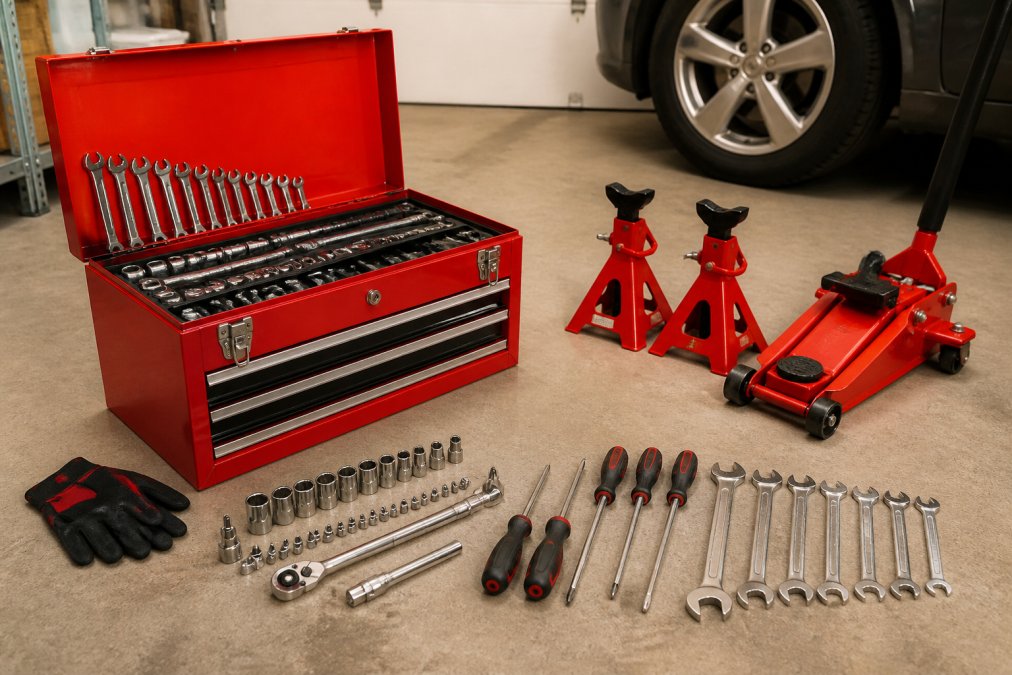
A beginner toolkit (socket set, wrenches, screwdrivers, floor jack, jack stands, tire gauge, oil filter wrench, funnel) costs $150-$300. Jack stands are non-negotiable for safety, never work under a car supported only by a jack. A basic OBD-II scanner ($20-$50) reads diagnostic codes and helps you decide if a repair is DIY-appropriate. This fixed cost decreases per service as you maintain your vehicle.
OBD-II Scanners: When They Pay for Themselves
Modern vehicles (1996 and newer) have an onboard diagnostic system that stores trouble codes when something goes wrong. Without a scanner to read these codes, you cannot diagnose problems accurately.
A basic OBD-II scanner ($20-$50) reads codes but not their causes. Most DIYers guess at the problem and replace expensive parts unnecessarily.
A mid-range Bluetooth scanner ($50-$150, such as Viecar or BlueDriver) pairs with your smartphone and shows real-time sensor readings and code definitions. This is the sweet spot for DIY owners, revealing actual problems without guesswork.
A professional-grade scanner ($200-$2,000+) offers advanced diagnostics but is overkill for routine maintenance.
A dealer diagnostic scan costs $80-$150. A $100 mid-range scanner pays for itself after one or two diagnostic visits if you plan long-term DIY repairs. For routine maintenance only (oil changes, filters), a scanner is optional. A scanner lets you diagnose accurately: erratic oxygen sensor voltage justifies replacement; stable voltage with high fuel trim points elsewhere (fuel pressure, injector, air leak).
Complete Beginner Tool Checklist and Estimated Cost
Essential tools: Socket set ($40-$80), wrench set ($20-$40), screwdrivers ($15-$25), floor jack ($40-$80), jack stands ($30-$60), tire gauge ($10-$20), oil filter wrench ($8-$15), funnel ($5-$10), work light ($15-$30), safety gear ($10-$20). Total: $193-$380. Add OBD-II scanner ($25-$50), torque wrench ($20-$40), breaker bar ($10-$20), pliers ($15-$30), adjustable wrench ($5-$10), drain pan ($10-$20) for intermediate repairs. Total with additions: $278-$550.
Buy quality tools from established brands (Craftsman, Stanley, Husky). Cheap tools break under load and can strip bolts, turning a $50 repair into a $500 problem.
Pro Tip Buy a vehicle-specific service manual for your car (available in print or digital format for $20-$40 on Amazon or eBay). It contains torque specifications, fluid capacities, and step-by-step procedures that generic online guides often get wrong. A $30 manual can prevent a $500 mistake on a single repair. Many manufacturers also offer free digital manuals through their official websites or apps. Watch Out Do not skimp on jack stands. A hydraulic floor jack can fail, and working under a car supported only by a jack has caused fatal accidents. Always use jack stands as a backup, even if the jack feels stable. ::: DIY versus professional repairs.Routine Maintenance Tasks You Can Handle vs. Complex Repairs
| Task Type | Examples | Skill Level | DIY Savings Potential | Risk if Done Wrong |
|---|---|---|---|---|
| Routine Service | Oil changes, air filters, fluid checks, wiper blades | Beginner | $15-$50 per service | Low (engine wear if oil is missed) |
| Intermediate | Brake pad replacement, spark plug change, battery swaps | Intermediate | $100-$300 per service | High (brake failure, engine damage) |
| Complex | Transmission work, timing belt, electrical diagnostics | Advanced/Pro | Varies | Severe (catastrophic failure, safety risk) |
The Auto Care Association's 2024 market insights show consumers increasingly prefer DIY for cost savings but still choose professional service for jobs requiring expertise. This split is sensible. Brake pads, for instance, are a common DIY job, but if you misalign a caliper, the consequences are life-threatening. The academic research by J. Hong (2020) found that customer satisfaction in auto repair hinges on trust and relationship quality, which is what you are giving up when you work on your own car.
:::warning Attempting a complex repair without proper diagnostic skill can void your warranty and cost more than professional service. If you are unsure about a job involving brakes, steering, or airbags, hire a mechanic.
The Hidden Risks: Safety, Vehicle Damage, and Warranty Impact
DIY car maintenance carries risks that go beyond a stripped bolt. Improperly performed maintenance, or failing to document service correctly, can void your manufacturer warranty, according to Rob Levine & Associates' 2024 legal analysis. You must keep receipts and records that prove the work was done correctly and on schedule to protect your coverage.
Safety is the primary concern. Working under a vehicle, handling hot fluids, and disposing of hazardous materials all carry inherent dangers. A 2026 TFLcar analysis on hidden DIY costs emphasizes that the initial tool investment and the potential for expensive diagnostic errors can offset your savings. A misdiagnosis that leads to replacing a good part, only to discover the real issue later, can wipe out months of savings.
Hazardous Waste Disposal: A Legal and Logistical Hidden Cost
Used oil, coolant, transmission fluid, brake fluid, and batteries are hazardous waste under the RCRA, and improper disposal is illegal. A single quart of used motor oil can contaminate 250,000 gallons of groundwater.
Disposal options: (1) Free municipal drop-off programs (30-60 minutes round-trip); (2) Free retailer take-back if you bought the replacement there (AutoZone, O'Reilly, Advance Auto Parts); (3) Paid waste management ($15-$50 per service). Factor disposal time and cost into your savings calculation.
Lead-acid batteries contain toxic sulfuric acid and lead. Most retailers require a core charge ($5-$15) refunded when you return the old battery; improper disposal is a federal crime. Factor disposal time and cost into savings: an oil change saving $25 in labor but costing $20 in disposal effort is break-even.
Warranty Voidance and Documentation Risk
Under the Magnuson-Moss Warranty Act, DIY work alone does not void warranties, but manufacturers can deny claims if your work caused the failure. Document everything: keep receipts, photograph work, record date and mileage. Complex repairs (emissions, brakes, airbags, steering, powertrain) carry highest warranty risk. A timing belt mistake can destroy an engine ($3,000-$8,000), unrecoverable if the manufacturer determines you caused the damage.
Diagnostic Errors and Cascading Costs
Misdiagnosis is expensive. A check engine light might indicate a faulty oxygen sensor ($150-$300), a loose gas cap (free), or a catalytic converter issue ($400-$2,500). An OBD-II scanner is essential, but interpreting codes requires knowledge. A cheap scanner ($20-$50) reads codes without explanation; a professional scanner ($100-$500) provides live data but requires training. Many DIYers misinterpret codes and make expensive wrong guesses.
How to Document DIY Repairs for Resale Value
A documented service history boosts resale value. Keep detailed records: date, mileage, parts (with receipts), and task performed. Photos add credibility. CarJourney simplifies this with AI-powered maintenance logs and automated VIN-based setup, letting you record service milestones and generate a shareable build profile that proves your vehicle's care to potential buyers.
Average Cost of Professional Car Maintenance and Labor Rates
Understanding what you are avoiding is essential to the DIY decision. Average annual car maintenance costs range from $400 to $1,200, based on RepairPal data analyzed by Consumer Affairs. Shop labor rates typically run $80 to $150 per hour, which is why labor-heavy jobs are the most cost-effective to DIY.
The economic pressure driving the DIY shift is real. Circana's 2026 market data confirms that consumers are turning to DIY maintenance in response to rising gas prices and broader economic strain. U.S. sales revenue in the automotive hand tools category grew 3.2% in the 12 months ending March 2026, according to Aftermarket Matters. This is not a passing trend. As shop rates climb, the gap between DIY and professional service widens, making routine maintenance increasingly attractive for the mechanically inclined owner.
Is DIY Car Maintenance Worth It? The Verdict
DIY car maintenance is worth it for routine service (oil changes, filter replacements) if you have tools, space, and willingness to learn, saving $300-$800 annually. For complex repairs involving safety systems, professional labor ($80-$150/hour) is a bargain compared to mistake costs. The sweet spot is routine preventative maintenance performed consistently and documented thoroughly, maximizing savings, protecting warranty, and boosting resale value. DIY the routine stuff, document everything, and leave complex work to professionals.
Frequently Asked Questions
Does DIY car maintenance void your manufacturer warranty?
Not automatically. However, improperly performed DIY maintenance or failure to document service correctly may void manufacturer warranties. The key is keeping detailed records of all work performed and using quality parts that meet manufacturer specifications. Many owners successfully perform routine maintenance like oil changes and air filter replacements without warranty issues, provided they follow service manual specifications and retain documentation. For complex repairs, consult your warranty terms or contact the manufacturer before proceeding.
What are the most common risks of DIY auto repair?
The primary risks include safety hazards from improper tool use or vehicle support, vehicle damage from incorrect procedures or torque specifications, and diagnostic errors that lead to expensive repairs. Mishandling automotive fluids creates hazardous waste disposal challenges. Warranty voiding is possible if work isn't documented properly. Additionally, investing in specialized tools for one-time jobs may not justify the cost savings. Starting with routine maintenance tasks like oil changes and air filter replacement minimizes these risks while you build mechanical competence.
How much can you actually save with DIY car maintenance?
Average annual car maintenance costs range from $400 to $1,200 per year. DIY maintenance saves between $15 and $50 per service on tasks where labor costs exceed parts by 200% or more, such as standard oil changes that cost $45-$75 at professional shops. Over a vehicle's lifetime, documented DIY work can lead to significant savings based on routine tasks. However, this assumes you already own tools and avoid costly diagnostic mistakes. Initial tool investment and time commitment must be factored into the actual savings calculation.
What routine maintenance tasks are safest for DIY beginners?
Oil changes, air filter replacement, fluid checks, and spark plug changes are among the safest entry-level tasks. These require minimal specialized tools, carry lower safety risks, and have clear step-by-step instructions available. Brake pad replacement is manageable with proper guidance but requires more mechanical confidence. Tasks to avoid initially include transmission work, engine overhauls, suspension repairs, and anything requiring specialized diagnostic equipment. Start with preventative maintenance tasks outlined in your service manual, use a reliable repair guide, and invest time in understanding torque specifications and proper procedures before attempting more complex work.
Should I track DIY maintenance to increase resale value?
Yes. Buyers trust vehicles with documented service records that prove consistent preventative maintenance. Detailed records of all DIY work, including parts used, dates, mileage, and photos, demonstrate responsible ownership and can justify a higher resale price. Digital maintenance tracking systems allow you to organize receipts, document modifications, and create shareable build profiles that buyers can verify. Service records showing regular oil changes, fluid checks, and routine repairs significantly impact perceived vehicle longevity and condition, making your car more attractive to potential buyers.
Deciding what to fix yourself and what to delegate is the real challenge of vehicle ownership. CarJourney makes the DIY side easier by organizing your entire maintenance history in one digital garage, with AI-powered logs, VIN-based setup, and shareable build profiles that prove your car's care to buyers. Start free and keep every repair, service, and upgrade documented and accessible.
Start freeThis article was written using GrandRanker