 carjourney
From the CarJourney journal
Is It Worth Fixing Minor Car Dents? A 2026 Guide
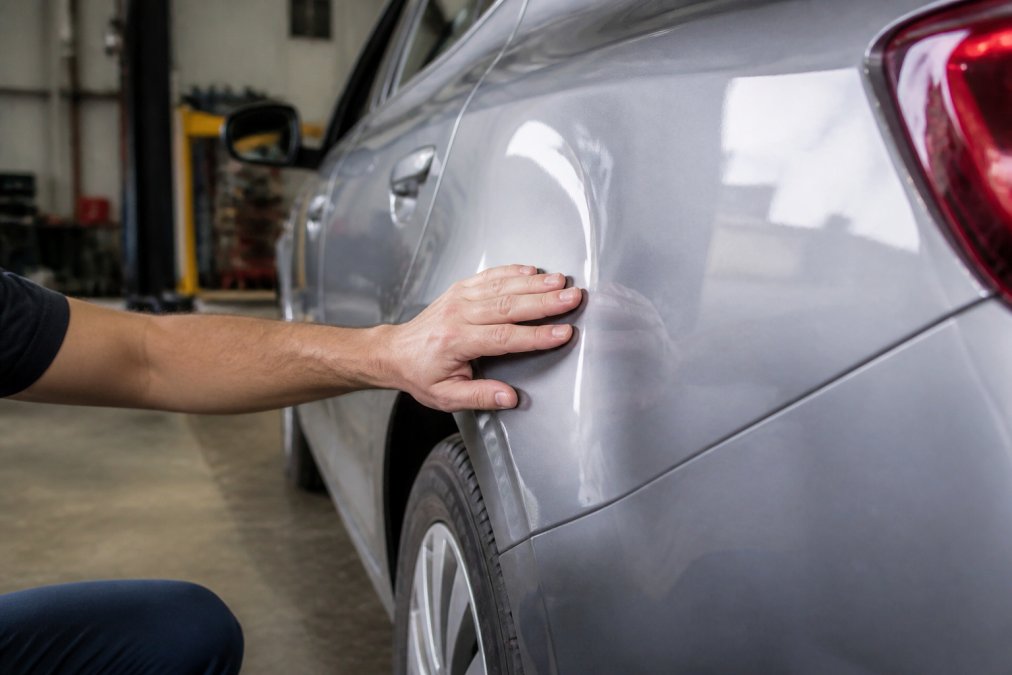
Table of Contents
- Does Body Damage Affect Trade-in Value?
- Paintless Dent Repair Cost vs. Traditional Body Shop Repairs
- When Minor Dents Are Worth Fixing
- When to Leave Minor Dents Alone
- DIY Repair Kits vs. Professional Services
- How to Document Vehicle Maintenance for Resale
- The Long-Term Cost of Ignoring Dents
Last Updated: August 27, 2026
Does Body Damage Affect Trade-in Value?
Yes, cosmetic damage significantly impacts what buyers will pay for your vehicle. According to Kelley Blue Book's analysis of cosmetic damage, minor dents and scratches can reduce a car's resale value by up to 10-15%, depending on severity and location.
A minor dent (less than 2 inches with shallow depth) typically reduces trade-in offers by $50-$150 per dent, according to DentAdvisor's quantified analysis of dent impact.
What matters most is whether the damage affects the vehicle's structural integrity or factory finish. A door ding that preserves original paint costs you less in resale value than a crease that requires body filler or repainting. Non-original paint or body filler can reduce value by up to 20% more than factory finishes (Carfax, 2024).
Key Takeaway Minor dents reduce trade-in value by $50-$150 each, but cosmetic damage overall can cut 10-15% off resale price. The real question isn't whether damage costs you money, it does. The question is whether fixing it now protects more value than the repair itself costs.Paintless Dent Repair Cost vs. Traditional Body Shop Repairs
Paintless dent repair (PDR) is typically 50-70% cheaper than traditional body shop methods for minor dents, according to South Bay Collision's cost comparison. Where traditional repair quotes $500-$1,200, PDR often comes in at $125-$350 for the same damage.
PDR repairs for minor damage complete in 1-3 hours, while traditional repair takes 3-5 days (DentAdvisor, 2026). You're not waiting for body work, primer, paint, and curing cycles. For someone selling their car or preparing for trade-in, that speed is valuable.
The critical distinction: PDR preserves your factory paint. Traditional body shops sand, fill, prime, and repaint. Every time a panel gets repainted, you lose the factory finish advantage. Buyers know this and flag repainted panels as potential red flags.
Cost comparison for a typical 1-inch parking lot ding:
| Repair Method | Typical Cost | Time Required | Paint Preserved |
|---|---|---|---|
| Paintless Dent Repair | $125-$300 | 1-3 hours | Yes |
| Traditional Body Shop | $400-$800 | 3-5 days | No |
| DIY Kit + Labor | $80-$150 | 2-4 hours | Depends on execution |
PDR only works on dents without paint damage. If the impact cracked or chipped the clear coat, you need traditional repair. If the dent is creased (sharp fold in the metal), PDR often can't pull it out cleanly.
Pro Tip Get a free over-the-phone estimate from a mobile PDR service before committing to body shop quotes. Many services provide estimates based on photos in 10 minutes and could save you 60% on repair costs.When Minor Dents Are Worth Fixing
Fix minor dents when you're preparing to sell or trade in your vehicle within the next 6-12 months. If a $150 PDR repair protects $1,500-$2,000 in resale value, you're making a 10:1 return on your investment.
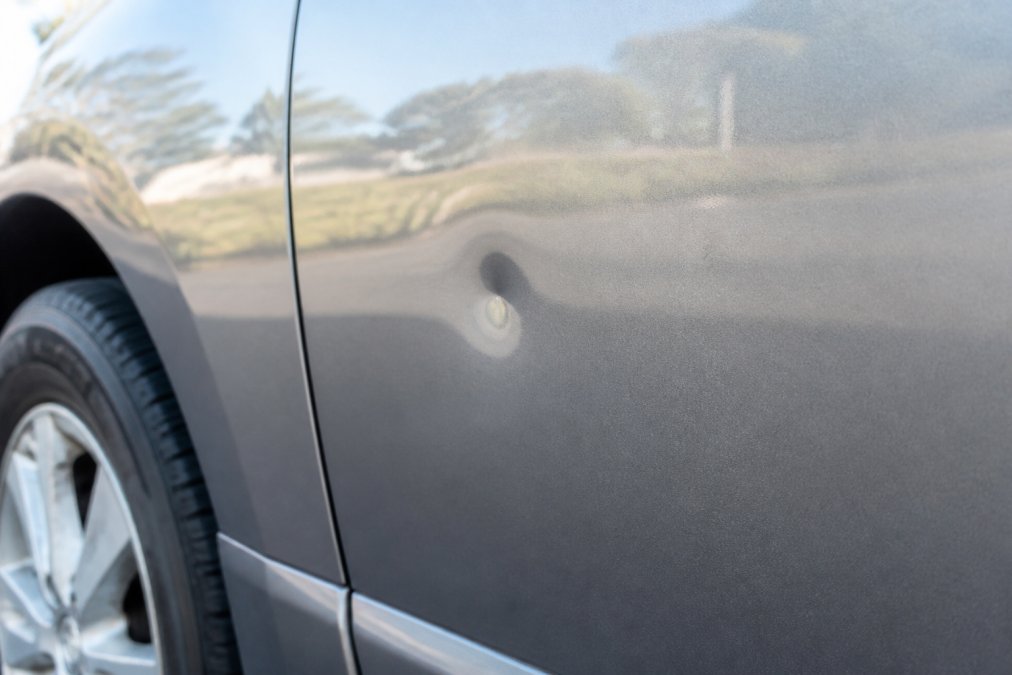
Visibility matters more than depth. A ding on the hood or door is impossible to ignore and anchors buyer perception of maintenance. A ding in the wheel well or undercarriage? Most buyers never inspect that closely.
The age of your vehicle changes the calculus. On a 2022 model, a visible dent signals poor maintenance and costs you resale money. On a 2015 model, minor cosmetic damage is expected. Location matters too, dents on the front fender or door are premium real estate. Rear quarter panels and hood dings are less visible but still matter if obvious.
Consider your local market. In regions with high vehicle turnover and competitive used car sales, cosmetic condition drives resale value more aggressively. If you're selling a 2-year-old car in a premium market, minor dents will impact your offer. If you're selling a 5-year-old car where buyers expect wear, they matter less.
Watch Out Do NOT ignore dents near the fuel door, gas cap, or trunk latch. These areas signal potential structural issues or poor accident history to buyers, even if the damage is minor. Fixing these dents is worth the cost because they disproportionately impact buyer confidence.When to Leave Minor Dents Alone
Skip the repair if you're keeping the car for 3+ more years or if the dent is in a low-visibility area. The repair cost rarely justifies itself on a vehicle you plan to own long-term.
Don't repair dents on vehicles worth under $5,000. The damage might reduce value by $300-$500, but if the car's total market value is $4,000, fixing cosmetics doesn't justify the expense. Focus that money on mechanical issues, brakes, tires, fluids, that actually affect safety and resale appeal.
Ignore dents if you're planning to trade in a vehicle with high mileage or known mechanical problems. Buyers of high-mileage cars expect cosmetic wear and scrutinize engine condition and transmission health, not door dings. Fixing dents on a 150,000-mile vehicle won't meaningfully impact your trade-in offer if the engine has concerns.
Fixing dents and scrapes often doesn't increase the car's value by the same amount you spend (Autotrader, 2026). Also consider whether filing an insurance claim makes sense. A comprehensive claim for hail damage might be worth it, but a $200 deductible on a single parking lot ding rarely justifies the claims history hit and potential rate increase. Self-pay repairs keep your insurance clean.
DIY Repair Kits vs. Professional Services
DIY dent removal kits cost $80-$150 and work reasonably well on small, shallow dents without paint damage. The Eastwood Paintless Dent Removal Kit ($79.99) includes dent puller tools, glue, and various pull buttons. Both come with instructional videos and guides.
DIY kits work best in controlled circumstances. A 1-inch parking lot ding on a flat panel (hood, door) is manageable. A creased dent, damage near panel seams, or anything on a curved surface gets exponentially harder. Bad paintless dent removal jobs cost 10X more to fix in the long run. A $300 repair attempt can turn into $3,000+ if done incorrectly, leading to secondary issues that impact panel and paint integrity (Dent Press, 2026).
Here's the honest assessment of each approach:
Professional PDR services preserve your factory paint and handle complex damage. They charge $125-$350 for minor dents but deliver guaranteed results. Mobile services come to your location, eliminating the hassle of dropping your car off. Free over-the-phone estimates based on photos let you compare costs before committing.
DIY kits work if you're mechanically confident, the dent is simple, and you're willing to accept imperfect results. You save money upfront but risk making the damage worse.
Traditional body shops handle anything, creased dents, paint damage, structural issues. They charge more ($400-$1,200) and take longer (3-5 days), but they guarantee results. The tradeoff: they repaint the panel, which costs you the factory finish advantage at resale.
Best For DIY kits work best for confident DIYers fixing a single shallow dent on a flat panel before resale. Professional PDR is the right call if you're selling within months or if the dent is complex. Skip both if the damage involves paint cracking or creases, go straight to a body shop.How to Document Vehicle Maintenance for Resale
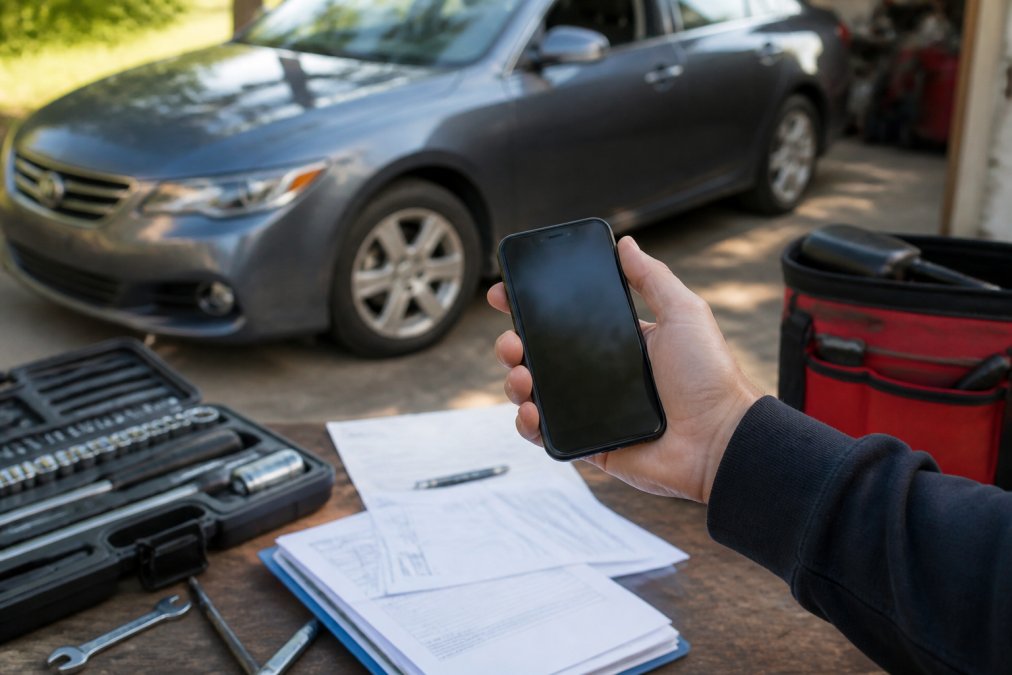
Documentation transforms your repair investment into resale value. When you fix a dent professionally, get a detailed receipt showing the damage, the repair method, and the completion date. Photographs before and after the repair matter just as much as the receipt.
Create a digital file for every service, repair, and modification. Receipts, invoices, warranty documents, and photos should be organized chronologically. This becomes your vehicle's service history, proof that you maintained the car properly. When selling, this documentation justifies your asking price and builds buyer confidence.
CarJourney simplifies this process by centralizing all maintenance records in one digital garage. The platform's AI-powered logs automatically organize receipts and service milestones. When you're ready to sell, you can generate a shareable build profile that proves your vehicle's care history to potential buyers.
For dent repairs specifically, keep:
- Before and after photos
- Receipt showing repair date and method (PDR vs. traditional)
- Technician name and shop name
- Cost and any warranty information
- Insurance claim details if applicable
This documentation becomes part of your vehicle's story. When you list the car for sale, mention the repair in your listing. "Professional PDR repair on hood ding, 2024" signals that you address maintenance issues promptly.
The Long-Term Cost of Ignoring Dents
Ignoring minor dents creates a compound problem over time. A small ding that exposes bare metal can develop rust within months, especially in humid climates or areas with road salt. That $150 PDR repair becomes a $500+ rust removal and repainting job if you wait.
The clear coat (the protective layer over paint) is your first line of defense against corrosion. When a dent cracks or chips the clear coat, moisture gets under the paint and rust starts invisibly. By the time it's visible, the damage is already structural.
According to research from Carfax's analysis of paint damage impact, cars with non-original paint or body filler lose up to 20% more value than those with factory finishes. A deferred $150 repair costs you $2,000-$3,000 in resale value when rust requires panel replacement or repainting.
Modern vehicles add another layer of complexity. Many bumpers and panels now house ADAS sensors (adaptive cruise control, lane-keeping assist, collision avoidance). Dents that affect sensor alignment can disable these safety systems. Buyers increasingly check for sensor functionality, which tanks resale value far beyond the cosmetic damage.
The strategic move: fix dents promptly if you plan to sell within 12 months. The repair cost is a fraction of the resale value you protect. If you're keeping the car long-term, prioritize rust prevention and monitor the dent for paint cracking or metal exposure.
The bottom line: For most owners preparing to sell, fixing minor dents typically protects 5-10 times its cost in resale value. For long-term owners, the decision depends on rust risk and paint integrity.
Start tracking your repairs and maintenance now with CarJourney. When you're ready to sell, you'll have a complete, verifiable history that buyers trust. Get started free and build the documentation that protects your vehicle's value.
===
Frequently Asked Questions
Do minor dents affect the resale value of a car?
Yes. Cosmetic damage like minor dents and scratches can reduce a car's resale value by 10-15%, depending on severity and location. Individual dents less than 2 inches may reduce trade-in offers by $50-$150 each. However, the financial impact varies: a $125-$150 PDR repair typically protects several times that amount in trade-in value, making it worth the investment on newer vehicles or those with strong resale demand.
What is the difference between paintless dent repair cost and traditional body shop repairs?
Paintless dent repair (PDR) is typically 50-70% cheaper than traditional body shop repairs for minor dents. PDR repairs often complete in 1-3 hours, while traditional repair takes 3-5 days. PDR preserves the factory paint, eliminating color-match issues and paint cracking risks. However, traditional repair may be necessary for dents with paint damage, creases, or severe impacts where structural integrity is compromised.
Should I fix minor dents before trading in my car at a dealership?
It depends on your vehicle's age and value. For newer cars or those with strong resale demand, a $125-$200 PDR repair can protect $500-$2,000 in trade-in value. For older vehicles, the repair cost may exceed the value gained. Before deciding, get a professional estimate and ask the dealership how much the dent will reduce their offer. Document any repairs you make with receipts and photos using a maintenance tracker to prove the work was done professionally.
Can leaving a small dent lead to rust or further body damage?
Minor dents with intact paint pose low rust risk. However, dents that crack or chip the clear coat expose bare metal to moisture and oxygen, accelerating corrosion. Deeper dents can trap water and salt, creating rust from the inside out. Creased dents are more likely to allow paint failure. If a dent has any paint damage, addressing it promptly prevents long-term structural and cosmetic deterioration that costs significantly more to repair later.
Start freeThis article was written using GrandRanker