 carjourney
From the CarJourney journal
How a Maintenance Interval Calculator Keeps Cars Ready
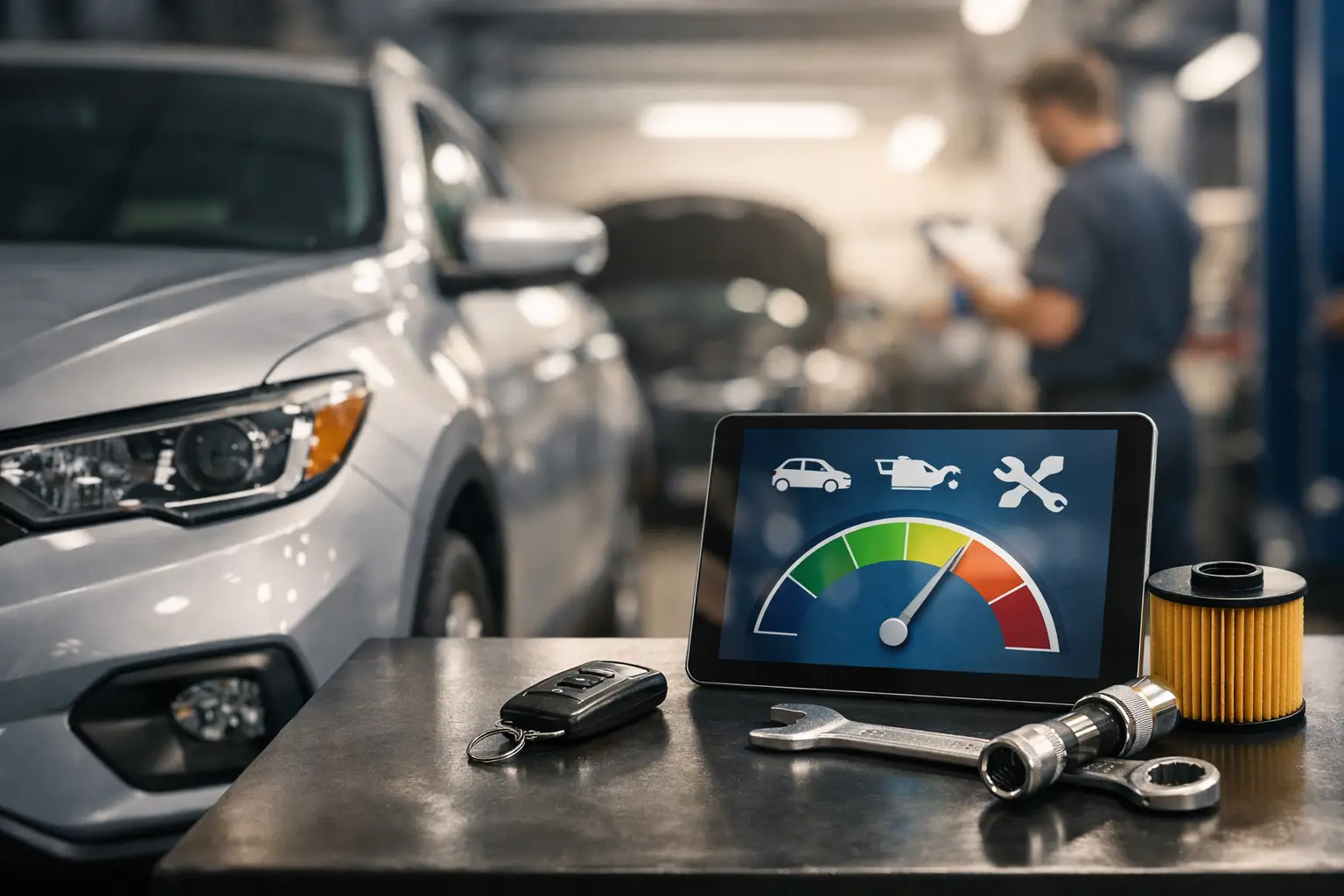
A missed oil change is annoying. A missed timing-belt replacement, brake-fluid service, or differential fluid change can turn into a repair bill that wipes out months of build-budget planning. A maintenance interval calculator gives you a clearer answer than “I think I did that last year” by turning your mileage, service date, and driving habits into a schedule you can actually follow.
For owners who care about their cars, maintenance is not just a checklist. It protects the way the vehicle drives, preserves the money you have invested, and creates the history a future buyer wants to see. The calculator is the starting point. Consistently logging the work is what makes that information useful.
What a maintenance interval calculator does
A maintenance interval calculator estimates when a vehicle is due for service based on two primary triggers: mileage and time. Most maintenance items have both. Engine oil might be due every 5,000 miles or 12 months, while brake fluid may be due every two or three years regardless of miles driven.
The next due date is generally whichever trigger comes first. If you drive only 2,000 miles a year, time-based services still matter. If you put 25,000 miles a year on your daily driver, mileage-based services will arrive much sooner than the calendar suggests.
A good calculator also accounts for the last completed service. Instead of giving you a generic factory schedule, it answers a more useful question: based on what was done at 48,250 miles on March 10, when should this specific car be serviced again?
That distinction matters when you bought a used vehicle, took over a project car with incomplete records, or have performed maintenance ahead of schedule before a track day or road trip.
Start with the manufacturer schedule
Your owner’s manual is the baseline, not a suggestion to ignore because someone online runs longer intervals. Manufacturers set schedules around the engine, transmission, fluids, cooling system, and components fitted to your exact model. Use the schedule for your vehicle year, engine, drivetrain, and, where applicable, transmission.
Some cars provide a fixed interval schedule. Others use an oil-life monitoring system that estimates oil condition through temperature, operating time, RPM, trip length, and other factors. If your vehicle has a reliable factory oil-life monitor, follow it within the limits listed in the manual. Do not assume it covers every service item. It may track engine oil well while saying nothing about transfer-case fluid, spark plugs, or brake fluid.
For a newly acquired car with no trustworthy records, do not blindly calculate from the current odometer. Establish a known baseline first. Depending on the vehicle and its condition, that can mean changing the oil and filters, inspecting brakes and tires, and replacing critical fluids whose history cannot be verified. Save the receipts and record the mileage. From that point forward, your schedule has real data behind it.
Mileage, time, and engine hours are different clocks
Mileage works well for cars that are driven regularly. Time matters more for low-mileage vehicles, weekend cruisers, collectibles, and project cars that spend months in the garage. Engine hours can be valuable for vehicles that idle frequently, see track use, tow, off-road, or support work equipment.
A car that travels 4,000 gentle highway miles is not asking the same thing of its oil, brakes, and transmission as a car that travels 4,000 short trips in winter traffic. The odometer tells part of the story. Your use case finishes it.
Adjust the interval for how you actually drive
Factory maintenance schedules often include a normal and severe-service schedule. “Severe” does not necessarily mean racing a heavily modified car every weekend. It can include frequent short trips, extended idling, dusty roads, extreme temperatures, towing, stop-and-go driving, or repeated hard use.
If your vehicle regularly sees these conditions, shorter intervals are usually cheap insurance. That is especially true for engine oil, air filters, brake fluid, transmission fluid, differential fluid, and cooling-system inspections. The correct adjustment depends on the vehicle and fluid specification, so follow the manufacturer’s severe-use guidance before making arbitrary changes.
Modified vehicles deserve an extra layer of attention. A tune, larger turbo, aggressive camshaft, towing setup, lift kit, wider tires, or track-oriented brake package can change heat, load, traction, and wear patterns. The answer is not automatically “service everything more often.” It is to document what changed, watch the systems affected, and create intervals that match the new reality.
For example, a car with performance pads may need more frequent brake inspections than the factory schedule suggests. A truck used for towing may need earlier transmission and differential fluid service. An aftermarket intake may change the air-filter inspection routine. Your maintenance plan should reflect the build, not just the VIN.
How to calculate your next service date
For each service item, record four details: the last service date, the mileage at service, the interval in miles, and the interval in months. Then calculate two due points.
The mileage due is the mileage at the last service plus the mileage interval. The date due is the last service date plus the time interval. Schedule the work at whichever comes first.
Say you changed your oil at 52,000 miles on January 15 and use a 5,000-mile or 12-month interval. The mileage trigger is 57,000 miles, and the calendar trigger is January 15 of the following year. If you reach 57,000 miles in October, change it in October. If the car only reaches 54,000 miles by January, change it in January.
That same method works for filters, tire rotations, brake-fluid flushes, coolant service, spark plugs, and drivetrain fluids. The intervals change, but the logic does not.
A calculator becomes even more practical when it estimates an upcoming mileage date from your normal driving. If you average 1,000 miles per month and have 2,000 miles remaining before service, you can expect the mileage trigger in about two months. It is an estimate, not a promise, but it helps you plan around trips, parts orders, and shop availability.
Build a schedule you will actually use
The best maintenance plan is not the most complicated one. It is the one you can update after every oil change, alignment, repair, and mod install.
Keep routine service separate from repairs and modifications, but store them together in one vehicle history. A brake pad replacement is maintenance. Replacing a failed water pump is a repair. Installing coilovers is a modification. All three can affect what you inspect next, what the car is worth, and what a buyer needs to understand.
CarJourney makes that easier by keeping service logs, modification records, receipts, photos, and mileage- or time-based reminders attached to the same vehicle profile. That means your next service calculation is based on a clean record, while your build history stays ready to share when someone asks what has been done.
Set reminders early enough to act. For a service due at 60,000 miles, a reminder at 59,000 miles gives you time to order the right fluid or book a trusted shop. For date-based work, set an alert 30 days ahead. The goal is not to create notifications you dismiss. It is to avoid being surprised.
Do not treat every interval as absolute
Intervals are planned maintenance, not a guarantee that every part will behave on schedule. Inspect fluids, tires, belts, hoses, brakes, and suspension components when you service the car. A leak, warning light, vibration, unusual noise, overheating issue, or change in shifting behavior deserves attention now, not at the next calculated interval.
There is also a trade-off in going excessively early on every service. More frequent maintenance costs money and creates waste without always delivering a meaningful benefit. Use the manual, your driving conditions, fluid analysis where it makes sense, and the vehicle’s actual condition to make sensible decisions. Protect the car without turning routine ownership into unnecessary replacement.
A maintenance interval calculator gives you control over the next job. A complete record gives you control over the whole ownership story. Log the work while the mileage, parts, and details are still fresh, and your car will always have proof behind the pride.