 carjourney
From the CarJourney journal
Repair Budget Planning for Cars That Stay Road-Ready
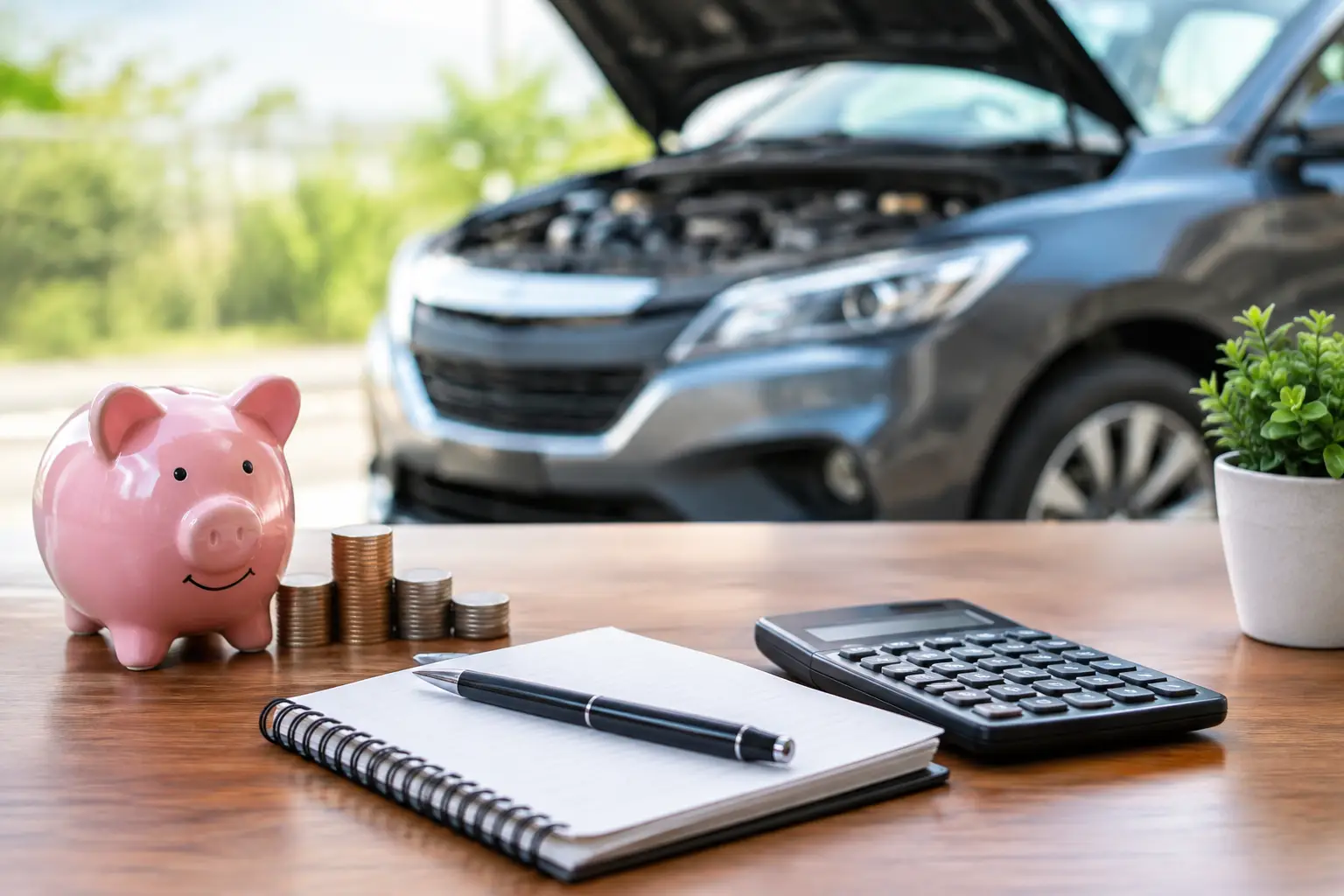
A worn brake pad, a leaking water pump, and a tire that picked up a screw can turn an otherwise normal month into an expensive one. Repair budget planning gives you a way to handle those moments without putting off work your car actually needs or raiding the money set aside for your next upgrade.
For enthusiasts, the goal is not to predict every failure down to the dollar. It is to know what your vehicle is likely to need, understand what you can afford to spend now, and keep a record that makes the next decision easier. Whether you own a daily driver, a weekend canyon car, a truck, or a multi-year project, a repair budget protects the parts of ownership that matter: reliability, driving time, and long-term value.
Start With Your Car's Real Condition
Generic repair estimates are a useful starting point, but your own vehicle tells a more accurate story. A 10-year-old car with 140,000 miles, original suspension components, and a history of deferred service needs a different budget than a newer car under warranty. The same model can cost dramatically more or less to keep on the road depending on climate, mileage, driving style, previous owners, and parts availability.
Start by taking an honest snapshot. Note the current mileage, upcoming factory service intervals, known issues, tire age, brake life, fluid condition, battery age, and any warning lights or noises you have been ignoring. Then look back at the last 12 to 24 months of receipts. That record reveals patterns a quick inspection can miss, such as repeated alignment costs, frequent electrical issues, or a cooling system that has already started asking for attention.
Separate work into three buckets in your mind: scheduled maintenance, expected wear items, and unexpected repairs. Oil changes and fluid services are scheduled. Tires, brakes, clutches, and suspension bushings are wear items. A failed alternator or cracked radiator is an unexpected repair. They all cost money, but they should not compete for the same dollars without a plan.
Build a Repair Budget Planning Baseline
A useful budget starts with an annual number, then turns that number into a monthly habit. For a newer, well-maintained vehicle, setting aside a few hundred dollars per year beyond routine maintenance may be enough. For an older European performance car, a high-mileage truck, or a project with unknown history, the reserve may need to be much higher.
There is no universal percentage that works for every garage. Vehicle value alone can be misleading. A low-value car may still need expensive work, while a valuable collector car may have few immediate needs but require specialized labor when something does fail. Instead, base your starting number on recent expenses, known upcoming work, and the cost of the repairs that would seriously disrupt your plans.
For example, if your tires have one more season left, your front brakes are getting thin, and the car is due for a major service within 12 months, price those items now. Add a realistic amount for labor in your area. Then add an emergency reserve for one unplanned repair. You do not need to fund every possible catastrophe at once. You do need enough margin to avoid driving with a safety issue because the timing was bad.
A monthly transfer makes this easier to sustain. If your annual target is $1,800, setting aside $150 each month is more manageable than facing one large bill later. Keep that money separate from your general spending account if possible. A dedicated vehicle fund creates a clear boundary between money meant for the car and money that only looks available until the next repair arrives.
Price the job you are likely to get
Parts pricing online can make a repair look cheaper than it will be. That is especially true when a job requires specialty tools, calibration, programming, fabrication, an alignment, or several hours of diagnosis before the failed part is even identified. DIY work can save real money, but only when you have the time, workspace, tools, and confidence to do it correctly.
Use your own situation when estimating costs. If you always use a trusted independent shop, budget around that shop's labor rate. If you buy OEM parts for critical systems but are comfortable using aftermarket parts for other jobs, reflect that choice. Cheap parts can reduce today's invoice while creating repeat labor later. On the other hand, premium parts are not automatically the smart move on every daily driver. Match the part quality to how you use and plan to keep the vehicle.
Protect the Difference Between Repairs and Mods
A common enthusiast mistake is treating the entire car fund as build money. Then the coilovers show up, the tune gets booked, and a check-engine light appears two weeks later. Suddenly a necessary repair feels like it is stealing from the build.
Keep a repair reserve separate from your modification budget, even if both live in the same savings account. Repairs restore safe, dependable operation. Modifications change performance, appearance, capability, or feel. Some upgrades can overlap with repairs, such as replacing worn factory brakes with a performance-oriented setup. That can be a smart decision, but only after you understand the full cost and whether the upgrade introduces future expenses like more expensive pads, tires, or supporting parts.
Before approving a mod, ask one practical question: if a major repair appeared next month, could you cover it without financing the problem or parking the car? If the answer is no, the repair fund needs attention first. That is not a judgment on the build. It is how you keep the build enjoyable instead of financially fragile.
Use Service History to Forecast the Next Bill
A detailed service record turns repair budgeting from guesswork into forecasting. Log the date, mileage, parts used, labor cost, warranty details, and notes about symptoms. Photos are useful too, particularly for leaks, corrosion, tire wear, and modifications that affect future service access.
Over time, your records answer useful questions quickly. When were the spark plugs last changed? How old is the battery? Did the shop replace both front wheel bearings or only one? What did the last suspension refresh actually include? A clean history also prevents duplicate work and helps you spot when a repair is becoming a recurring problem rather than a one-off expense.
CarJourney can keep services, receipts, maintenance reminders, and modification costs in one vehicle history, so your budget is based on what has happened to your car rather than what you vaguely remember. That history is also valuable when it is time to sell. Buyers trust documented ownership, especially when a modified vehicle has clear records for the parts and maintenance behind the build.
Review the Budget After Every Major Job
A repair fund is not a set-it-and-forget-it number. Review it after major work, at the start of each season, and before a long trip or track event. If you used most of the reserve for a transmission repair, rebuild it before treating the remaining balance as available upgrade money. If the car has been unusually reliable for a year, do not assume the need for a reserve has disappeared. You may simply be ahead of the next wear cycle.
Pay attention to changes in how you use the vehicle. A commuter that becomes a weekend car may need fewer oil changes but can develop issues from sitting. A garage-kept show car may have low mileage yet need tires based on age. A truck that starts towing regularly puts more stress on brakes, cooling, tires, and drivetrain components. Repair budgeting should follow the car's actual life, not the plan you made when you first bought it.
When a shop gives you a recommendation, separate urgent safety work from maintenance that can be scheduled. Ask for the condition of the part, the risk of waiting, and the expected timeline. A good plan does not mean saying yes to every recommendation immediately. It means making an informed call, documenting it, and setting aside money before a manageable issue becomes an emergency.
The best repair budget is the one you can maintain month after month. Start with the next service, the next likely wear item, and a modest reserve. As your records get better, your numbers will get sharper - and your car will spend less time sidelined by surprises.