 carjourney
From the CarJourney journal
Service Reminders vs Paper Logbook for Car Owners
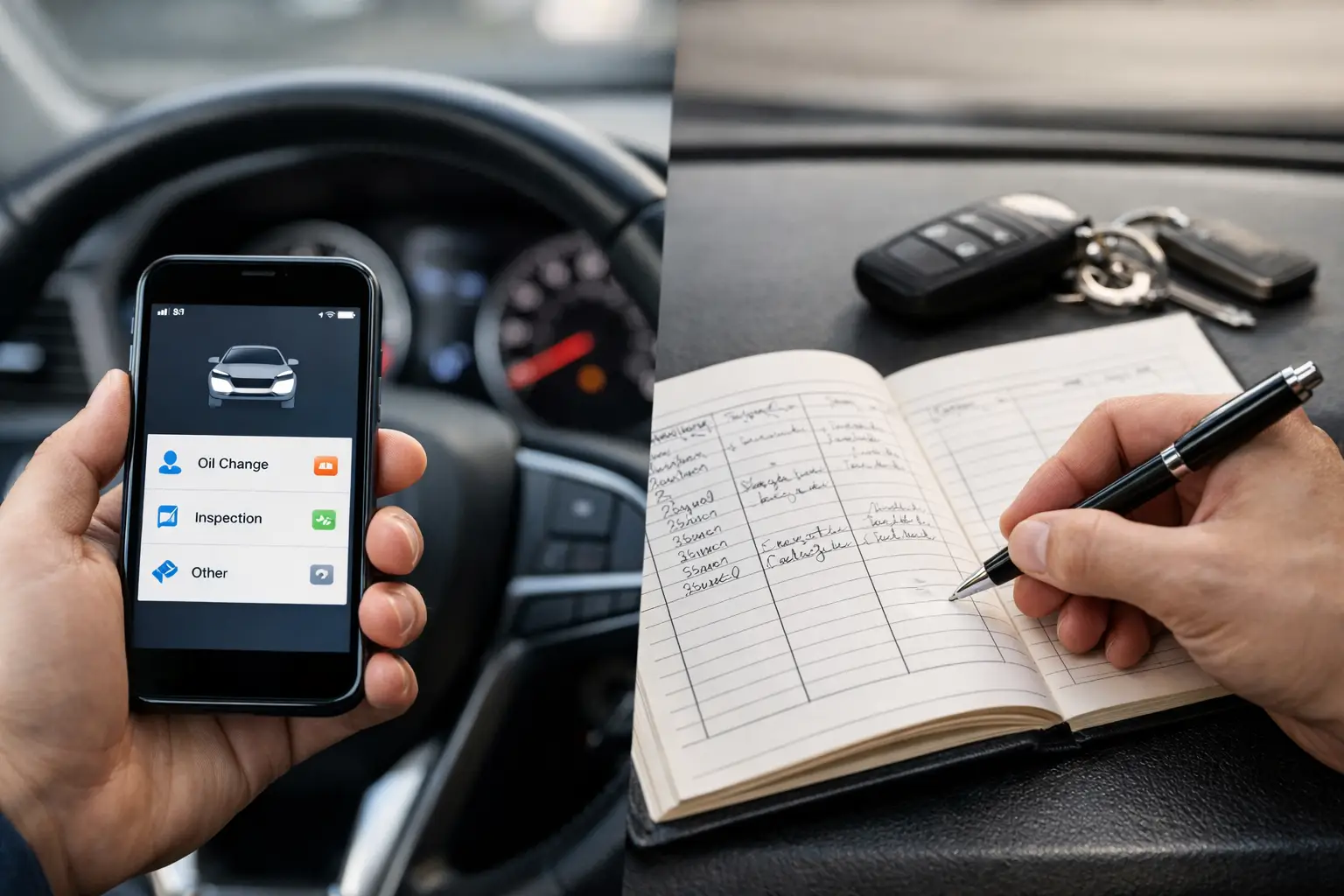
A missed oil change is annoying. A missing receipt for the coilovers, timing belt, or transmission service is more expensive - especially when it is time to sell, diagnose a problem, or remember exactly what went into the build. That is the real question behind service reminders vs paper logbook: which system helps you stay ahead of maintenance while preserving a history that is actually useful?
For some owners, a paper logbook is part of the ritual. It lives in the glovebox, has handwritten notes in the margins, and feels permanent. For others, reminders on a phone are the only realistic way to keep track of service across a daily driver, weekend car, and project vehicle. Neither approach is automatically wrong. But they solve different parts of the ownership problem, and one starts to show its limits as your garage and service history grow.
Service Reminders vs Paper Logbook: The Real Difference
A paper logbook records what already happened. Service reminders help prevent what has not happened from being forgotten. That distinction matters more than it sounds.
A logbook can be excellent after the fact. You can write down an oil change at 82,415 miles, list the oil weight, note the filter part number, and tuck the receipt next to the entry. If you are consistent, it creates a straightforward timeline of care. It also works without a battery, subscription, signal, or app update.
The problem is that paper asks you to remember twice. First, you need to remember when service is due. Then, after the work is done, you need to remember to write it down. During a busy week, it is easy to tell yourself you will update the book later. Later becomes a stack of receipts, a vague memory of mileage, and a record with holes in the exact places a future buyer or technician may ask about.
Digital reminders reverse the first part of that burden. You set the interval once, whether it is based on time, mileage, or both, and the system prompts you before the deadline sneaks up. For maintenance with real consequences - oil changes, brake fluid, coolant, tires, inspections, timing components, and transmission service - that proactive nudge can save money and prevent avoidable wear.
That does not mean a notification alone is a complete maintenance record. A generic reminder app may tell you to change your oil, but it often cannot capture the details enthusiasts care about: the brand and viscosity used, the parts installed, photos of the work, labor cost, invoice, warranty, or the reason an interval was changed for your particular setup.
Where a Paper Logbook Still Makes Sense
Paper has strengths that are worth respecting. It is simple, immediate, and hard to overcomplicate. If you own one mostly stock vehicle, drive predictable mileage, and genuinely enjoy maintaining a notebook, a logbook can cover the basics well.
It is also useful as a physical backup. A small maintenance notebook in the vehicle can help when you are away from home, at a shop, or handing keys to a family member. For a collector car that sees limited miles, writing down occasional service and storage notes may be all you need.
The trade-off is access. A logbook in the glovebox is not available when you are at the parts counter, comparing old tire dates, talking to a remote buyer, or trying to remember which shop performed a repair three years ago. It is also vulnerable to the usual automotive hazards: water, theft, a lost vehicle, a glovebox cleanout, or simply being left on a workbench after the last weekend project.
Paper is best when the record is short and the routine is simple. It becomes less practical when the vehicle has multiple service categories, modifications, changing mileage, or more than one person responsible for upkeep.
Why Reminders Matter More for Enthusiast Cars
Enthusiast ownership is rarely factory-schedule ownership. A tuned turbo car may need shorter oil intervals. A track-focused build may need brake fluid and tire checks based on events, not just miles. A lifted truck may have suspension, alignment, and driveline considerations that a basic factory checklist does not capture. A classic car may need calendar-based reminders because it barely moves but still ages in storage.
This is where digital service reminders earn their place. They can be tailored to how the vehicle is actually used. Instead of relying on one broad annual reminder, you can separate oil service from brake fluid, track-day inspections, registration, tire rotation, and seasonal storage prep.
A good setup should support both mileage and date-based intervals. Mileage alone misses the car that sits all winter. Time alone misses the commuter that racks up 20,000 miles a year. The right reminder system accounts for both, then lets the earliest due date or mileage trigger the alert.
Reminders are especially valuable for multi-vehicle households. It is easy to stay organized when one car needs attention. It is harder when a daily, a spouse's SUV, a truck, and a project car all have different service histories and priorities. A single view of upcoming maintenance turns scattered mental notes into a plan.
A Record Is Only Valuable If You Can Prove It
When comparing service reminders vs paper logbook, remember that maintenance discipline and documentation are separate jobs. Reminders keep you on schedule. Records show what was done.
For resale, a buyer does not just want to hear that you "kept up with everything." They want confidence. Clear dates, mileage, receipts, parts, photos, and notes build a story that is much easier to trust. That is true for a clean stock daily driver, but it matters even more for modified vehicles, where buyers want to understand what was installed, when it was installed, and whether the build was cared for properly.
A paper logbook can support that story, but it usually requires a second system for receipts and photos. You may end up with a notebook, an envelope, camera-roll pictures, email invoices, and a spreadsheet. Each piece is useful, but the ownership history is fragmented.
A digital garage combines the practical record with the context around it. You can log the service, attach the receipt, save photos, document costs, and note the parts used while the details are fresh. For modifications, the same system can track install dates, supporting parts, tuning notes, and total investment. That gives you a real history rather than a pile of evidence.
CarJourney is designed around that fuller picture: reminders to keep service from being missed, plus organized records for maintenance, modifications, documents, and the build history you may eventually want to share with a buyer.
The Best Answer Is Often a Hybrid
You do not have to choose paper or digital as a matter of principle. Many owners like keeping a small physical notebook in the car while using digital reminders and cloud records as the source of truth.
That hybrid approach works well if you are disciplined about syncing the information. Use the notebook for quick notes at the pump, track, or garage. Then transfer the meaningful details - mileage, work completed, costs, receipt photos, and next due date - into your main record soon after. The risk is duplication: if the paper copy and digital copy disagree, you will eventually wonder which one is accurate.
For most owners, the cleaner approach is to make one system authoritative. If you prefer paper, commit to keeping it current and store receipts with it. If you choose digital, build the habit of logging work immediately after it is completed. The best system is not the one that looks most organized on day one. It is the one you will still use after a late-night repair, an unexpected shop visit, or a full season of driving.
How to Set Up a Service System That Holds Up
Start with the maintenance items that can hurt reliability or value if ignored. Add the current mileage, last service date, and next due mileage or date for each one. If you do not know the exact history, do not guess. Record what you can verify, then establish a clear baseline from your next service.
Next, create separate records for modifications and repairs. An oil change is routine maintenance. Replacing a leaking valve cover gasket is a repair. Installing springs, wheels, an intake, or a turbo kit is a modification. Keeping those categories distinct makes the vehicle history easier to read and helps you understand where your money has gone.
Finally, save proof as you go. Photograph receipts before the ink fades. Add part numbers for items you may need to replace later. Include notes that will make sense two years from now, such as alignment settings, fluid type, torque concerns, or the shop that performed specialized work. A few extra seconds at the time of service can prevent hours of searching later.
Your car deserves more than a vague memory and a crumpled receipt. Build a record that keeps maintenance on track, makes every upgrade easier to understand, and shows the next owner exactly why your vehicle was worth caring for.