
Why Store Car Maintenance Records Online
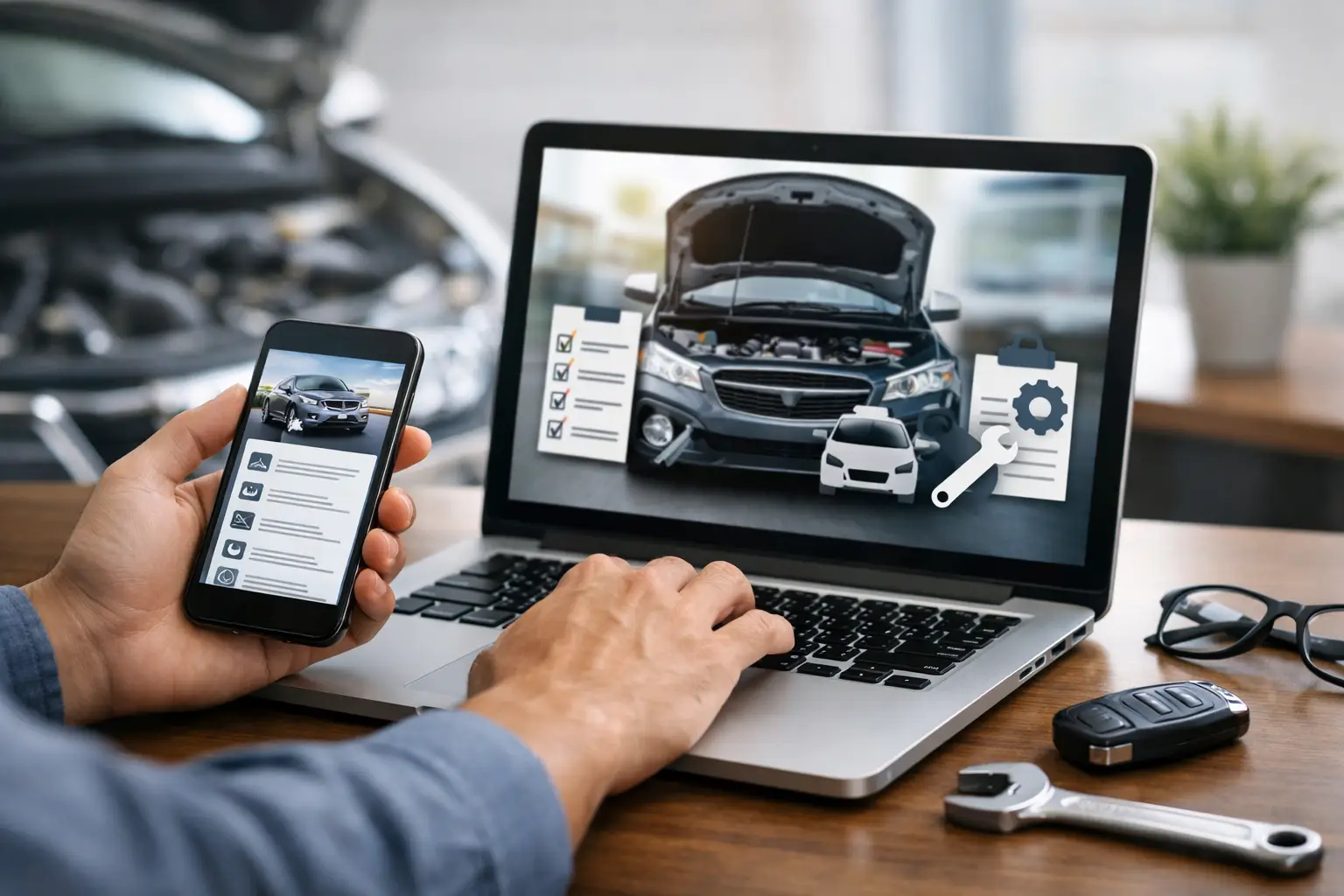
The problem usually shows up at the worst time. You are standing in a parts store trying to remember which brake pads you bought last year, or talking to a buyer who asks for proof of timing chain service, or staring at a glovebox full of faded receipts that made sense when you tossed them in there. That is exactly why more owners want to store car maintenance records online instead of relying on memory, paper, or a scattered notes app.
For enthusiasts, this is not just about staying neat. It is about control. A clean digital history helps you keep up with maintenance, track what you spent, document upgrades, and show the story of the car with confidence. If you own one vehicle for the long haul, manage a small fleet at home, or are building a project car piece by piece, the right system turns random records into something useful.
Why store car maintenance records online at all?
Paper records still have value, but they are fragile, easy to lose, and terrible at answering simple questions quickly. When did the transmission fluid get changed? What mileage was on the car when the clutch was replaced? Which shop handled the alignment after the suspension install? If your records are buried in folders, emails, text messages, and photo albums, you do not really have a system. You have a scavenger hunt.
When you store car maintenance records online, the biggest benefit is access. Your service history can live in one place across your phone and computer, which means you can pull up details in the garage, at the shop, at an auction, or in front of a potential buyer. That changes how you maintain the vehicle because decisions get based on facts instead of guesses.
There is also a money angle. Missed service intervals can lead to expensive repairs, while duplicated work happens more often than people admit. If you cannot remember whether spark plugs were done at 60,000 or 90,000 miles, you may pay twice or wait too long. A good digital record cuts both problems down fast.
The records that matter most
Not every note deserves equal attention. If you want a digital history that actually helps, focus first on the records that affect maintenance timing, reliability, value, and proof of ownership care.
Start with routine service. Oil changes, tire rotations, brake fluid flushes, coolant changes, filters, belts, batteries, and inspections create the backbone of a useful timeline. These are the entries you will reference constantly.
Then add major repairs and known high-value jobs. Engine work, transmission service, suspension refreshes, AC repairs, timing components, and any warranty-covered repair belong in your log. These records matter because they answer the questions owners and buyers care about most.
If you modify your cars, the record should go beyond maintenance. Log aftermarket parts, install dates, costs, brands, tuners, supporting mods, and photos. That is where generic reminder apps usually fall short. They can tell you an oil change is due, but they cannot tell the real story of a build.
Receipts, invoices, and warranty documents matter too. A typed note that says “coilovers installed” is better than nothing, but it is not as strong as a dated record with photos, part numbers, and proof of purchase.
What a good online record system should actually do
A lot of owners think they need a spreadsheet. Some do. But spreadsheets start to crack once you own multiple vehicles, log modifications, or want reminders tied to mileage and time. The better option depends on how deep you want to go.
At a minimum, your system should let you log service dates, mileage, work performed, parts used, and cost. If it cannot do that cleanly, it will become annoying fast, and annoying systems do not get updated.
The next level is document storage. Being able to attach receipts, inspection reports, warranties, and photos makes each entry far more credible and useful. Search matters too. It should be easy to pull up “brakes,” “oil,” or “Michelin” without scrolling through months of entries.
Reminders are where digital records start paying you back. Mileage-based reminders for oil changes and tire rotations are obvious, but time-based reminders for fluids, inspections, registration, or seasonal prep are just as helpful. Cars that sit need structure too.
For enthusiast owners, build tracking is the feature that separates a car-focused platform from a generic organizer. A real garage app should handle maintenance and modifications together, because in the real world those things overlap all the time.
The trade-offs between apps, spreadsheets, and folders
There is no single right answer for every owner. It depends on how many vehicles you have, how detailed your records need to be, and whether you care about resale presentation or just your own reminders.
Spreadsheets are flexible and cheap. If you are disciplined, they can work well for one car and basic service history. The downside is that they are manual, easy to neglect, and not great for storing receipts, photos, or complex modification histories.
Cloud folders are better than shoeboxes. Scanning every invoice into labeled folders can preserve documents well, but it still leaves you doing all the sorting and searching yourself. You may have the records, but not a useful timeline.
A dedicated platform costs more than doing it yourself, but it usually saves time and creates a cleaner ownership record. That matters if you plan to keep the car for years, own more than one vehicle, or want a shareable history buyers trust. For many enthusiasts, that trade is worth it because the car is not just transportation. It is a long-term project, an asset, and a point of pride.
How to store car maintenance records online without creating more work
The biggest mistake is waiting until your records are perfect. Start with the last major service, your current mileage, and the next maintenance items due. Then work backward when you have time.
Scan or photograph your existing receipts and title them clearly. Include the date, mileage if available, shop name, and service type. “2024-03-12 oil change 72,115 miles” is a lot more useful than “receipt 4.” Small naming habits make a big difference later.
As you add entries, keep them practical. Note what was done, who did it, what parts were used, what it cost, and any follow-up needed. If the service relates to a modification, connect those details. For example, if you installed lowering springs and later needed an alignment, those records should support each other.
Consistency beats depth. A short, accurate log every time the car gets work is better than a massive catch-up session once a year. The goal is not to build a museum archive on day one. The goal is to create a system you will still use six months from now.
Why online records matter for resale and trust
Every seller says the car was maintained. Fewer can prove it cleanly.
That gap matters. Buyers are more skeptical than ever, especially with enthusiast cars, modified vehicles, and anything older than a few years. A stack of wrinkled invoices can still help, but a structured digital history is easier to review and harder to dismiss. It shows dates, mileage progression, major work, maintenance consistency, and the logic behind the build.
That does not mean every digital log adds the same resale value. A sloppy record with missing dates and no receipts will not carry much weight. But a well-kept online history can reduce buyer hesitation, support your asking price, and speed up the sale. It gives people confidence that the car was cared for by someone who paid attention.
This is especially true for modified vehicles. Buyers want to know what was changed, when it was installed, who did the work, and what supporting maintenance happened along the way. If you can show that clearly, your car stands apart from the usual “tastefully modified, no issues” listing.
The enthusiast case for a digital garage
For serious owners, maintenance records are only half the picture. The build history matters too. Wheels, suspension, intake, exhaust, tuning, cosmetic work, interior upgrades, track prep, and restoration stages all shape the value and identity of a car.
That is why a true online record system should feel like a home base, not just a reminder tool. It should let you track service and parts in the same place, store photos alongside costs, and preserve the timeline of ownership in a way that makes sense years later. CarJourney fits naturally here because it was built around both sides of ownership - keeping a car healthy and documenting what makes it yours.
A basic commuter app can remind you about oil changes. It cannot really capture the story of a build, the money invested, or the trust that comes from organized documentation. Enthusiast ownership needs more than bare minimum recordkeeping.
A smarter habit, not just a cleaner folder
The best reason to move online is not technology for its own sake. It is what the habit changes. You stop guessing. You stop losing proof. You stop treating maintenance like a blur of transactions and start seeing the full history of the vehicle clearly.
That clarity helps whether you are daily driving a newer car, preserving a classic, chasing lap times, or keeping track of a family garage with multiple vehicles and different service schedules. The system does not need to be complicated. It just needs to be reliable enough that you trust it and simple enough that you keep using it.
Start with the next service, not the perfect setup. Once your records live in one place, the car gets easier to manage, easier to explain, and a lot easier to stand behind.