 carjourney
From the CarJourney journal
Tips for Selling Modified Project Cars: A 2026 Guide
Table of Contents
- Why Documentation Transforms Your Sale
- How to Document Project Car Builds for Resale
- Determining the Real Market Value of Your Modified Car
- Selling a Project Car vs Parting Out: Which Path Pays More
- Best Platforms to Sell Modified Cars and Find Enthusiast Buyers
- Creating a Listing That Attracts Serious Buyers
- Legal and Compliance Essentials Before You Sell
- Negotiation and Closing the Deal
Last Updated: August 29, 2026
Why Documentation Transforms Your Sale
Selling a modified project car requires proving provenance, installation quality, and thoughtful execution. Most sellers can't.
According to CarJourney's 2026 build documentation analysis, a car with comprehensive documentation commands 15-20% higher prices than an identical undocumented car, the difference between a $25,000 and $30,000 sale.
Documentation's real value isn't just proof of work; it's proof of care. A detailed build profile showing every part, service, and decision tells buyers you treated the vehicle as an investment, not a money pit. Absolute Reports' 2026 automotive consumer study found that 62% of vehicle owners globally want modifications, yet buyers remain skeptical about quality and longevity. Documentation closes that trust gap.
Pro Tip The strongest documentation combines three elements: receipts proving quality parts, photos showing professional installation, and service records proving proper maintenance. Buyers trust the combination more than any single document alone.How to Document Project Car Builds for Resale
Organize Receipts and Maintenance Records
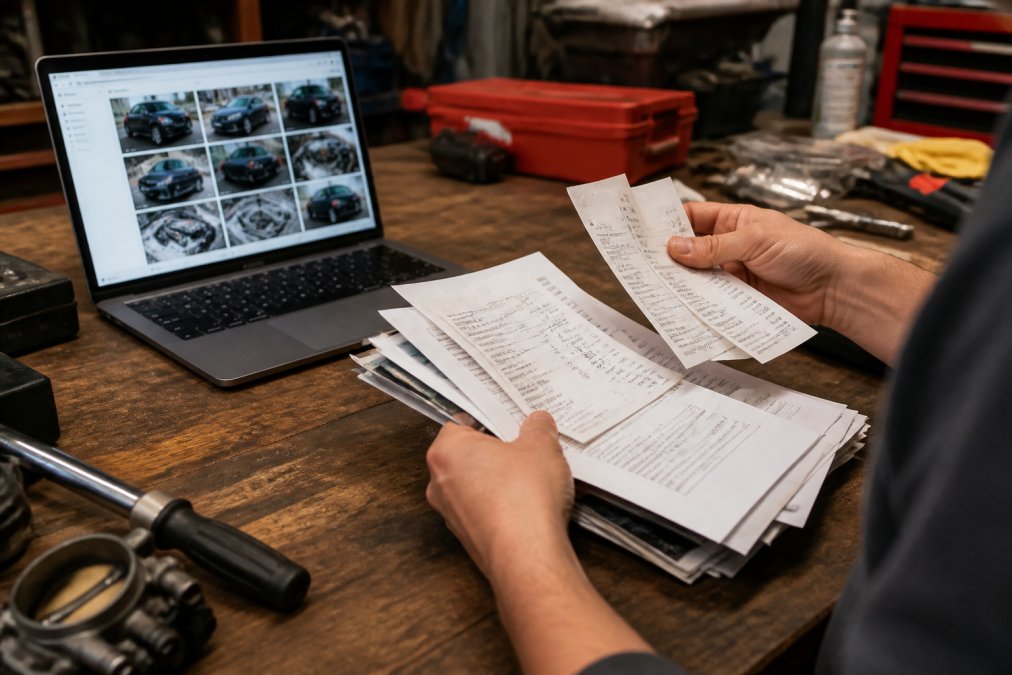
Gather every receipt, invoice, and service record from purchase onward. Scan or photograph documents and store them digitally in one location. A dedicated platform like CarJourney automates organization by category and chronology.
Buyers want the date and cost of each modification, proving you didn't rush the build and invested in quality parts. For maintenance, document intervals and mileage, oil changes, fluid flushes, filter replacements. Performance-modified cars especially need proof of proper engine and drivetrain maintenance despite added stress.
Create a Detailed Mod List with Photos
A mod list inventories every modification with part name, installation date, cost, and specific benefit. Be specific: instead of "lowered suspension," write "Bilstein B16 coilovers, installed March 2024, 1.2-inch drop, improves handling response."
Photography is non-negotiable. Take high-quality photos of each major modification showing installation quality, welds, fitment, and cable management. Include dyno sheets or performance metrics if available, they prove modifications work and quantify improvements.
Generate a Shareable Build Profile
Create a single document or digital profile combining vehicle overview, complete modification list with photos and costs, performance data, maintenance history, and installation certifications. CarJourney automates this, generating professional build profiles you can share via link or PDF.
A clean, organized build profile signals care and competence. A chaotic pile of receipts signals disorganization and distrust.
Determining the Real Market Value of Your Modified Car
The Mod Tax: What Modifications Actually Cost You
Most modifications don't return dollar-for-dollar value. Elizabeth Rivelli, Finance and Insurance Editor at Car and Driver, notes: "Not only do customizations drop your car's value, but they'll also drastically limit your number of potential buyers." First Federal Bank Blog
This "mod tax" exists because modifications are personal, your suspension setup may be too aggressive for the next owner. Modifications create risk; buyers worry about reliability and whether work was done properly. Reversible modifications (wheels, exhaust, intake) retain more value than permanent ones (welding, tuning, lowered suspension).
Performance upgrades account for 44.8% of modification spending but typically return 50-70% of cost at resale. A $5,000 engine tune might add $2,500-$3,500 to value. Suspension modifications return 40-60%. Cosmetic modifications return 30-50%. Engine swaps and major structural work return 20-40%.
How to Appraise Aftermarket Upgrades
Start with the vehicle's base value using Kelley Blue Book, NADA Guides, or local comps. Then estimate resale value conservatively for each modification.
For bolt-on performance parts, add 40-60% of part cost. A $1,200 wheel-and-tire package might add $500-$700. For suspension, add 50-70% if professional and popular. For engine modifications, add 50-70% with dyno sheets and maintenance records. For cosmetic work, add 30-50%. For niche modifications, add 20-40%.
Example: A 2015 Honda Civic worth $12,000 stock with $8,000 in modifications might be worth $12,000 + ($3,000 × 0.60) + ($3,000 × 0.60) + ($2,000 × 0.50) = $17,400.
Documentation can push resale percentages up 10-15%. Undocumented builds push them down.
Watch Out Avoid the "sunk cost" trap. Price based on what the market will pay, not what you invested. Overpricing kills sales faster than any other mistake.Selling a Project Car vs Parting Out: Which Path Pays More
Pros and Cons of Selling Whole
Selling the entire vehicle is faster and simpler, typically 2-6 weeks. You capture the complete build's value, as buyers pay a premium for finished, tested projects. The downside: you're limited to buyers wanting your exact configuration, and you absorb the vehicle's depreciation.
Selling whole works best when modifications are broadly appealing, the vehicle is mechanically sound, you have comprehensive documentation, and you'll wait for the right buyer.
Pros and Cons of Parting Out
Parting out generates 30-50% more total revenue but requires significantly more work. High-demand parts sell quickly at premium prices, a $1,500 wheel set might sell for $1,200-$1,400 used. You can recover 60-80% of component costs. However, managing dozens of listings, coordinating pickups, and holding unsold inventory takes 3-4 months of active management. You're left with a worthless shell to scrap or donate.
Parting out makes sense only if the vehicle's base value is very low, you have high-demand expensive components, you have time and storage space, and you're willing to manage multiple sales.
Key Takeaway Below $3,000 in modifications, sell whole. Above that, parting out might pay more if you have time and high-demand parts. Most enthusiasts choose selling whole for faster cash flow and less hassle, even if total revenue is slightly lower.Best Platforms to Sell Modified Cars and Find Enthusiast Buyers
Specialist Marketplaces vs Classified Ads
Specialist platforms like Cars and Bids, Bring a Trailer, and Hemmings attract serious enthusiasts willing to pay premiums for documented builds. These charge listing fees ($50-$300) but deliver qualified buyers who understand modifications and negotiate in good faith. reliable performance parts.
The advantage is buyer quality and community. The disadvantage is smaller audience and potentially longer sales timelines. General platforms like Facebook Marketplace, Craigslist, and Autotrader reach larger audiences but attract bargain hunters and tire-kickers who question modification value. General platforms work better if you'll accept lower prices for faster sales.
Community Platforms and Forums
Enthusiast communities, Reddit car subreddits, Make and Model forums, Facebook groups, are goldmines for finding the right buyer. Active, respected members carry credibility. Most communities restrict direct sales, but you can build reputation and mention sales casually or in dedicated classifieds sections.
Timeline is unpredictable but often rewarding. You might find the perfect buyer immediately or wait weeks, but you're dealing with someone who genuinely appreciates your work.
Creating a Listing That Attracts Serious Buyers
What to Include in Your Classified Listing
Start with a specific headline: instead of "2015 Honda Civic," write "2015 Honda Civic Si - Professionally Modified, Documented Build, Low Mileage."
Your opening paragraph should state condition, mileage, and core modifications in one sentence. Detail modifications in order of importance, mechanical first, then aesthetic. For each, include the specific part, installation date, cost, and benefit.
Include maintenance history from the last 12 months. State your asking price clearly. Include contact method and availability.
Photography and Presentation Tips
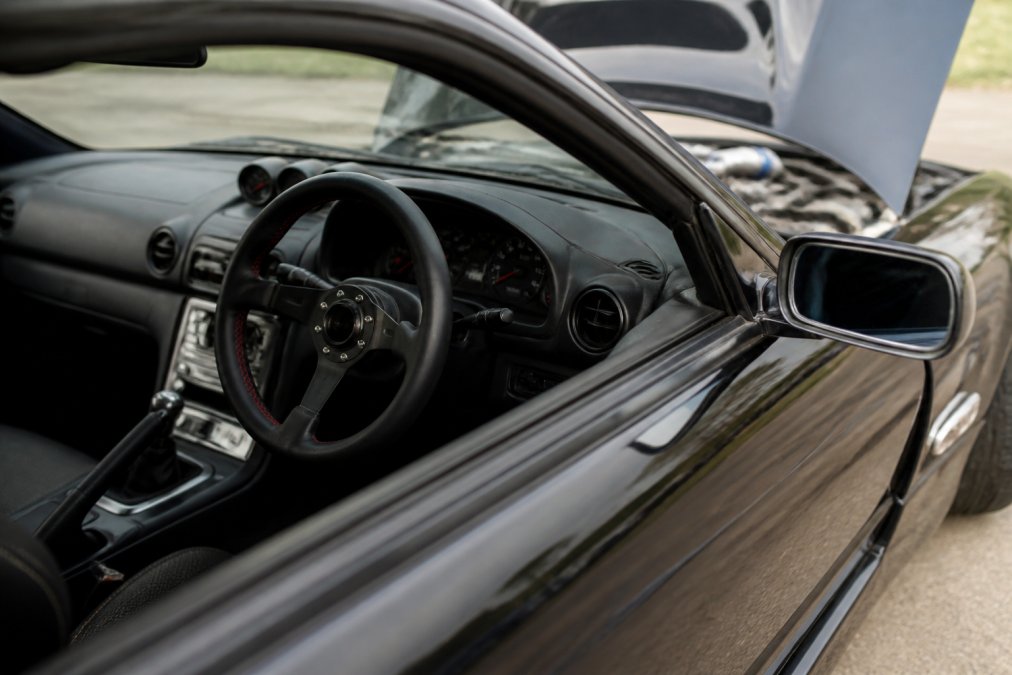
Photograph in natural daylight from multiple angles: front three-quarter, side, rear three-quarter, and detail shots. Show the engine bay clearly if modifications are visible. Interior photos should display condition and custom upgrades. Photograph the undercarriage if suspension is modified. Include dyno sheets or performance data if available.
Organize photos logically: exterior, wheels, engine bay, interior, undercarriage, documentation. This tells a visual story.
Pro Tip Use your [build profile](/blog/shareable-car-build-profile) as a listing supplement. Include a link to your CarJourney build profile in your classified listing, giving serious buyers instant access to complete documentation without cluttering your ad.Legal and Compliance Essentials Before You Sell
Emissions Compliance and Tuning Software Disclosure
Modified vehicles, particularly those with engine tuning, often violate emissions standards. You're legally required to disclose tuning to buyers. Some states are stricter than others, California has stringent emissions standards that might make a tuned vehicle illegal there but legal elsewhere.
Include a written disclosure in your bill of sale stating all emissions-related modifications and noting that the buyer is responsible for compliance in their state. Provide documentation showing what was tuned and performance improvements. This protects you legally and builds trust.
Title Transfer and Bill of Sale Requirements
Every state has different requirements. Generally, you'll need a completed bill of sale signed by both parties, the vehicle's title properly signed, odometer disclosure, and any lien release.
A bill of sale should include buyer and seller names and contact information, VIN, year/make/model/color, mileage, sale price, date, and signatures. For a modified vehicle, add a "Modification Disclosure" section listing major modifications and noting the buyer accepts the vehicle in its current condition. This protects you from post-sale disputes.
Insurance and Liability Transfer
When you sell a modified vehicle, you transfer liability for those modifications to the buyer. Protect yourself by documenting the liability transfer in writing, requiring proof of insurance before handing over keys, notifying your insurer you've sold the vehicle, and keeping copies of all documentation.
The buyer should confirm with their insurance company that they can cover the specific modifications, some make vehicles uninsurable through standard policies.
Negotiation and Closing the Deal
Vetting Buyers and Handling Test Drives
Ask qualifying questions before scheduling test drives: Why are they interested? Do they have financing arranged? Have they owned modified vehicles? Are they prepared to purchase immediately?
Serious buyers answer specifically. Meet in safe, public locations during daylight with a friend. Require valid driver's license and proof of insurance. Set clear test drive boundaries. Accompany the buyer and explain how modifications affect driving dynamics.
After the test drive, ask directly if they're interested in moving forward. Address concerns, insurance costs, mechanic inspection, directly.
Negotiating Price for Aftermarket Parts and Labor
Buyers typically offer 5-10% below asking price. Separate the vehicle's base value from modifications' value: "The car is worth $12,000 stock. Modifications add $5,000. I'm asking $17,000, which is $500 below market."
Justify specific modification values with comparable listings. Don't negotiate below your minimum acceptable price. If a buyer is slightly below asking, offer small concessions, spare parts, maintenance records, component warranties, instead of dropping price.
Once you've agreed on price, move quickly. Prepare bill of sale, title transfer, and modification disclosure. Have the buyer sign everything before handing over keys. Accept cash or verified bank transfer only.
Selling a modified project car successfully requires documentation proving quality work, honest pricing based on market reality, and finding the right buyer who appreciates your build. CarJourney simplifies documentation by organizing your build history into a shareable profile buyers trust. With clear documentation, accurate pricing, and the right platform, you'll attract serious buyers willing to pay what your project is actually worth.
Frequently Asked Questions
How much value do modifications add or subtract when selling a modified project car?
Modifications rarely return dollar-for-dollar on resale. Well-executed performance upgrades and bolt-on parts may recover 30-50% of their cost, while extensive custom work often adds zero resale value or decreases it. A 2026 study found that documented builds command 15-20% higher prices than undocumented cars, meaning proof of quality matters more than the modifications themselves. The key is targeting enthusiast buyers who specifically want those upgrades rather than general buyers seeking stock vehicles.
Should I return my modified project car to stock condition before selling?
Only if you're targeting mainstream buyers. Returning to stock is expensive, time-consuming, and often unnecessary if you document your modifications well and price accordingly. Instead, highlight your upgrades to enthusiast communities and specialist platforms where buyers actively seek modified vehicles. If you kept original parts, mention that restoration is possible. This approach typically yields faster sales and better prices than trying to undo years of work.
What documents do I need when selling a modified vehicle?
You'll need a clean title, bill of sale, maintenance records, and a detailed mod list with receipts. For emissions-related modifications, disclosure of any tuning software or engine changes is legally required in most states. Include photos of the work, installation invoices, and performance data if available. A VIN check report adds credibility. Digital documentation platforms can organize all of this into a shareable build profile that buyers trust, significantly increasing perceived value.
Is parting out a modified project car more profitable than selling it whole?
Parting out typically generates more total revenue but requires significantly more time and effort. Individual parts often sell for 40-60% more than their proportional value in a whole car, but you'll manage dozens of listings, ship items, and handle returns. Selling whole is faster and simpler, ideal if you need quick cash or have limited time. Consider your timeline, storage space, and willingness to manage multiple transactions. Performance upgrades and rare bolt-on parts part out better than heavily modified chassis or custom bodywork.
Start freeThis article was written using GrandRanker