 carjourney
From the CarJourney journal
How to Prepare a Car for Private Sale: 7 Steps
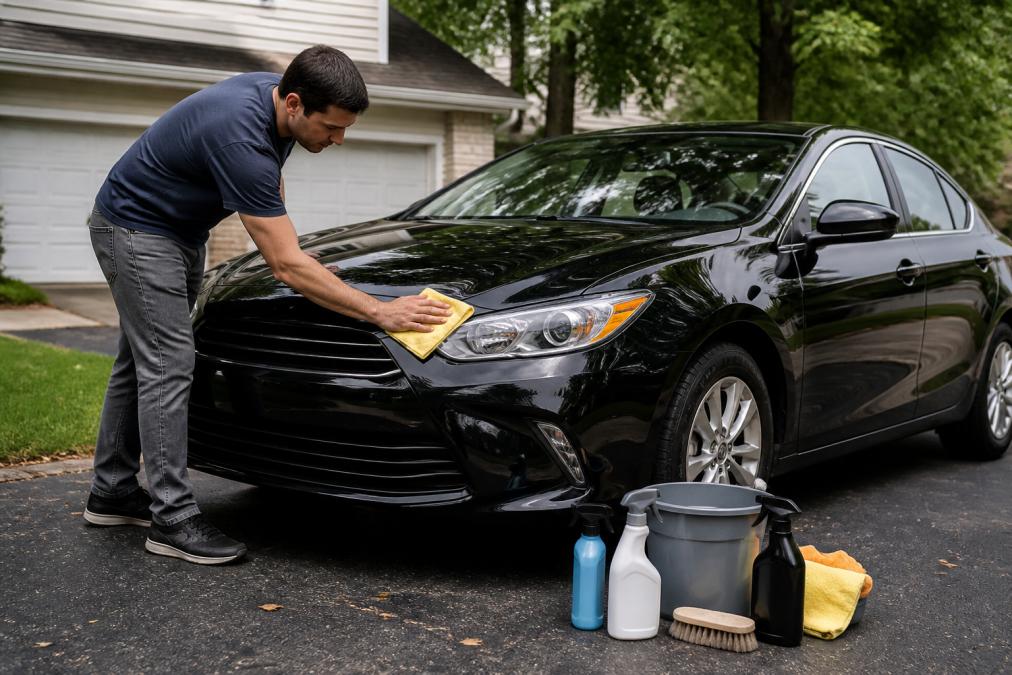
Table of Contents
- Step 1: Gather and Organize Your Service Records for Resale
- Step 2: Get a Vehicle History Report and Title Check
- Step 3: Clean and Detail Your Vehicle
- Step 4: Handle Cosmetic and Mechanical Repairs
- Step 5: How to Price a Used Car for Private Sale
- Step 6: Create Your Listing and Prepare a Car Bill of Sale Template
- Step 7: Safety Tips for Meeting Car Buyers
- Conclusion
Last Updated: August 27, 2026
Step 1: Gather and Organize Your Service Records for Resale
The foundation of a successful private sale starts with a complete maintenance history. Buyers demand transparency, and service records prove your vehicle's reliability. Consolidate everything, oil changes, tire rotations, brake service, transmission fluid flushes, battery replacements, and major repairs, into one organized package.
Create a chronological list showing the date, mileage, service type, and cost for each entry. According to Capital One Auto Navigator research, service records demonstrate that a vehicle has received the maintenance needed to help ensure long-term reliability, and buyers notice this immediately. If you're missing early records, document what you have and be honest about gaps.
For custom modifications or upgrades, document them separately with photos, receipts, and notes about why each was made. This transforms your car from a generic used vehicle into a documented build with a story.
Pro Tip Keep service records organized by category (preventive maintenance, repairs, upgrades) rather than just chronologically. This makes it easier for buyers to see that you stayed on top of essential services like oil changes and tire rotations.Step 2: Get a Vehicle History Report and Title Check
Before listing, obtain a vehicle history report yourself. This prevents surprises during negotiations and demonstrates transparency. Pull your vehicle identification number (VIN) from your registration or the driver's side dashboard and generate reports from reputable services.
Check your title status at your state's Department of Motor Vehicles. Ensure the title is clear and in your name. If there's a lien against the vehicle, pay it off before transferring ownership.
If your car has been in an accident, the history report will show it. Address this head-on in your listing by explaining what happened, what was repaired, and providing documentation. Transparency about past issues builds trust far more effectively than hiding them.
Watch Out A clear title is non-negotiable for private sales. If you discover a lien you didn't know about, resolve it immediately. Delaying this step will kill deals and extend your selling timeline significantly.Step 3: Clean and Detail Your Vehicle
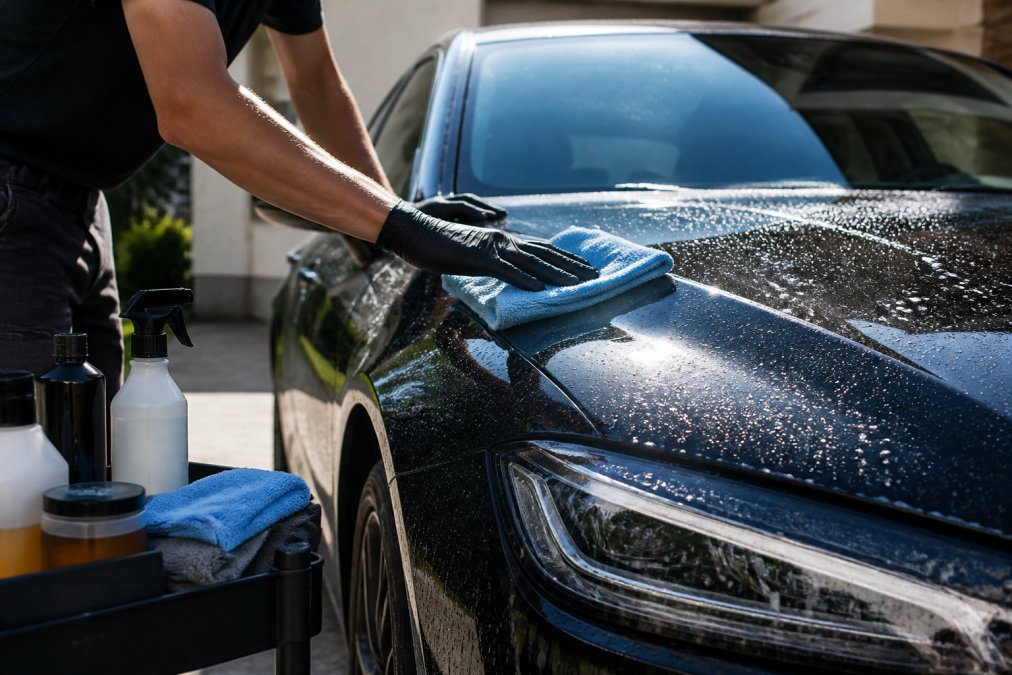
How you prepare your car often determines whether buyers perceive it as a bargain or a burden. Start with a thorough exterior wash, removing dirt, grime, and road salt. Clean the wheels, dress the sidewalls, and polish the exterior. A professionally detailed vehicle may sell at a higher price of 5-20 percent than the same vehicle in average condition, according to industry detailing analysis.
Move to the interior: vacuum every surface, clean windows inside and out, wipe down the dashboard and door panels, and remove personal items. For the engine bay, remove accumulated dirt and grime.
Consider professional detailing if your budget allows. A typical detail costs $150-300 and can add $1,000-1,500 to a $10,000 vehicle's selling price, a return on investment exceeding 400% (autodetailingfordealerships.com).
Step 4: Handle Cosmetic and Mechanical Repairs
Focus on cosmetic repairs that affect first impressions: cracked windshields, missing trim pieces, dents, and interior damage. These signal neglect and cost you negotiation room.
For mechanical repairs, be selective. Major repairs like transmission overhauls rarely return their full cost in a private sale. Instead, be honest about mechanical issues and adjust your asking price accordingly. However, address safety issues without hesitation: failing brakes, non-functional lights, worn tires, or suspension problems must be fixed. deep clean your interior.
Get a pre-sale inspection from an independent mechanic for $100-200. This identifies issues you might miss and gives you a realistic picture of what needs attention.
Watch Out Attempting to hide mechanical problems is a liability risk. If a buyer discovers undisclosed issues after purchase, you could face legal action or demands for refunds. Transparency protects you and builds buyer confidence.Step 5: How to Price a Used Car for Private Sale
Pricing is where emotion often derails sellers. The market doesn't care about your attachment; it cares about comparable vehicles and current demand.
Start with data. Use Kelley Blue Book, NADA Guides, or local dealer listings to establish fair market value. Private sales usually fall 5-15% below retail prices. Research comparable vehicles actively listed in your area, noting their asking prices and how long they've been listed. If comparable cars sell within 7-14 days, you can price more aggressively. If they've been sitting 60+ days, the market is soft.
Consider your car's condition honestly. The average time to sell a car privately is roughly 30 to 60 days, but this varies dramatically based on price (kbb.com). A car priced 10% below market value typically sells within 14 days. A car priced 5% above market value might sit for 45+ days.
Account for regional demand. Sports cars sell faster in warm climates. SUVs command premiums in harsh winters. Fuel-efficient vehicles sell well everywhere.
Price slightly below fair market value intentionally. This attracts more buyers, generates more offers, and creates competition that drives your final price up.
| Pricing Approach | Timeline | Outcome |
|---|---|---|
| 10% above market | 60+ days | Stagnant listing, forced price cuts |
| 5% above market | 30-45 days | Slow interest, negotiation fatigue |
| At market value | 14-30 days | Steady interest, reasonable offers |
| 5% below market | 7-14 days | High demand, multiple offers |
Step 6: Create Your Listing and Prepare a Car Bill of Sale Template
Write an honest, detailed description starting with year, make, model, and mileage. Describe the vehicle's condition using specific language: "excellent," "good," "fair," or "needs work."
Include high-resolution photos from multiple angles: front, sides, rear, interior, dashboard, seats, and trunk. Take photos in natural daylight. Include photos of any damage, repairs, or wear. Transparency in photos builds trust.
Highlight maintenance and upgrades. Reference your service records and mention that documentation is available for serious buyers.
Create a bill of sale template before listing. Include the vehicle's VIN, year, make, model, odometer reading, sale price, date of sale, and signatures from both parties. Check your state's DMV website for specific requirements. Having this ready shows professionalism and removes friction from closing.
When responding to inquiries, be prompt and helpful. Answer questions about maintenance, accident history, and mechanical condition honestly.
Pro Tip High-resolution photos with accurate descriptions reduce tire-kicker inquiries and attract serious buyers who understand what they're getting. Spend 30 minutes taking photos from multiple angles and lighting conditions.Step 7: Safety Tips for Meeting Car Buyers
Screen inquiries before scheduling viewings. Ask basic questions about timeline, financing, and vehicle experience. Serious buyers answer readily.
Meet in a public location during daylight hours. Bring a friend or family member if possible. Let someone know where you're going and when you expect to return.
Provide only your phone number and first name initially. Don't give your address until you've confirmed the buyer is serious and legitimate.
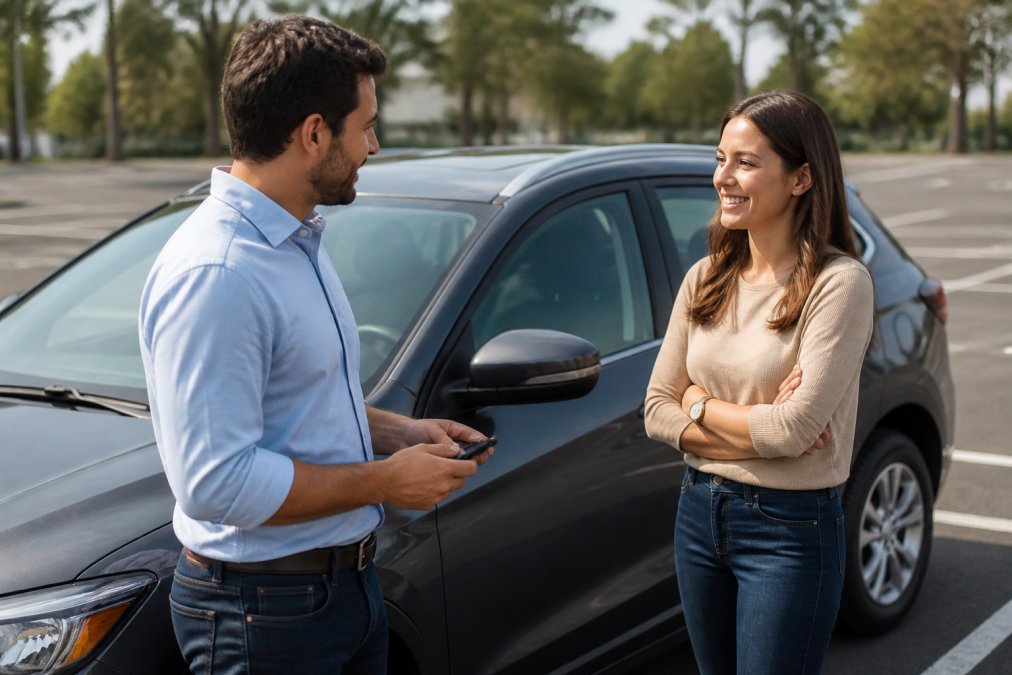
Before the test drive, verify the buyer's driver's license and record their name, license number, and vehicle information. Consider requiring proof of insurance or a damage waiver.
During the test drive, ride along. Keep the drive to 15-20 minutes in familiar territory.
For payment, insist on a cashier's check or bank transfer for amounts over $1,000. Never accept personal checks or unverified cash. If using a bank transfer, wait for funds to clear before transferring the title.
After the sale, transfer the title immediately according to your state's DMV requirements. Provide the buyer with the bill of sale, service records, and any keys or documentation that came with the car.
Watch Out Never allow a test drive without verifying the buyer's license and insurance. A single accident during an unmonitored test drive can create legal and financial liability that far exceeds the sale price.Preparing your car for private sale requires organization, honesty, and strategic decision-making. The steps outlined here transform a casual listing into a professional sale that attracts serious buyers willing to pay fair market value.
CarJourney simplifies this entire process by centralizing your maintenance history and build documentation in one shareable digital garage. Rather than hunting through years of receipts, you generate a complete service record instantly. Buyers see proof that your car has been maintained properly, which directly impacts their confidence and willingness to pay. Start free with CarJourney and build the documented history that makes your car stand out in a competitive market.
===
Frequently Asked Questions
Q: What documents do I need to sell my car privately?
A: You'll need the vehicle title, service records, VIN, odometer disclosure form, bill of sale, and a vehicle history report. The title proves ownership; service records demonstrate maintenance; the VIN helps buyers verify history; odometer disclosure is required by law; the bill of sale documents the transaction; and the history report builds buyer confidence. Organize these before listing to speed up the sales process and show buyers you're a serious, transparent seller.
Q: How do I determine the fair market value of my car?
A: Check Kelley Blue Book, NADA Guides, or Edmunds by entering your vehicle's VIN, mileage, condition, and features. Compare recent private party sales of similar models in your region. Overpricing drives away serious buyers and leads to longer selling times; market-value misalignment based on emotional attachment is a common mistake that forces price cuts later.
Q: How can I prove my car's maintenance history to a buyer?
A: Collect all service receipts, oil change records, repair invoices, and warranty documents. Organize them chronologically and create a summary showing when major services were performed. A vehicle history report from Carfax or AutoCheck adds credibility. Ed Kim, President of AutoPacific, notes that service records show 'the vehicle has not been neglected and has gotten the maintenance it needs to help ensure its long-term reliability.'
Q: Should I fix mechanical issues before selling my car?
A: Focus on minor cosmetic repairs and essential safety items like brakes and lights. Major repairs often cost more than you'll recoup in the sale price. Be transparent about known issues instead of spending thousands on fixes. Buyers expect to see evidence of routine maintenance like oil changes and tire rotations, not major reconstructive work.
Start freeThis article was written using GrandRanker