
Used Car Inspection Checklist: What to Check
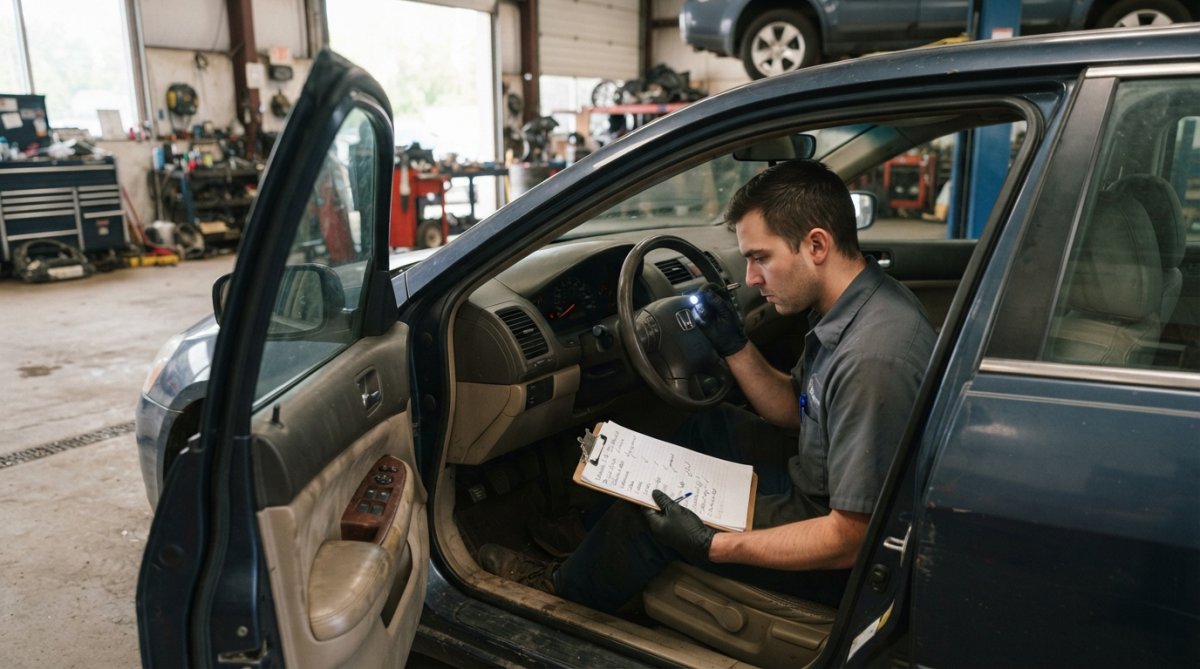
Table of Contents
- What to Include in a Used Car Inspection Checklist
- Exterior Body and Paint Inspection
- Under-the-Hood Fluid Checks and Engine Health
- Tire Condition, Tread Depth, and Suspension
- Interior Electronics, HVAC, and Electrical Components
- Test Drive Procedures and Performance Checks
- Reviewing Service Records, VIN Check, and Safety Recalls
- Pre-Purchase Inspection Checklist PDF and Using CarJourney to Track Vehicle Maintenance History
- Frequently Asked Questions
Last Updated: September 23, 2026
What to Include in a Used Car Inspection Checklist
Buying a used car without a thorough inspection is like signing a contract you haven't read. You're committing thousands of dollars based on incomplete information. A comprehensive used car inspection checklist helps you identify hidden problems before you hand over payment, protecting both your wallet and your safety.
The difference between a casual walkthrough and a structured inspection is dramatic. One approach catches major issues; the other leaves you discovering them after the purchase. A proper used car inspection checklist covers everything from exterior condition to engine health to service history verification. This guide walks you through exactly what to check and why each step matters.
Exterior Body and Paint Inspection
Start your used car inspection checklist by examining the exterior thoroughly. Look for mismatched paint, which often signals previous accident damage or poor repair work. Run your hand along panel edges to feel for gaps that indicate frame misalignment or collision repair.
Check for rust stains, corrosion, and dents. Rust appearing near seams, wheel wells, or underneath trim suggests water damage or age-related deterioration. Surface scratches matter less than structural concerns, but they indicate how well the previous owner maintained the vehicle. Examine all four corners for impact damage, and look at the roofline for signs of hail damage or collision repair.
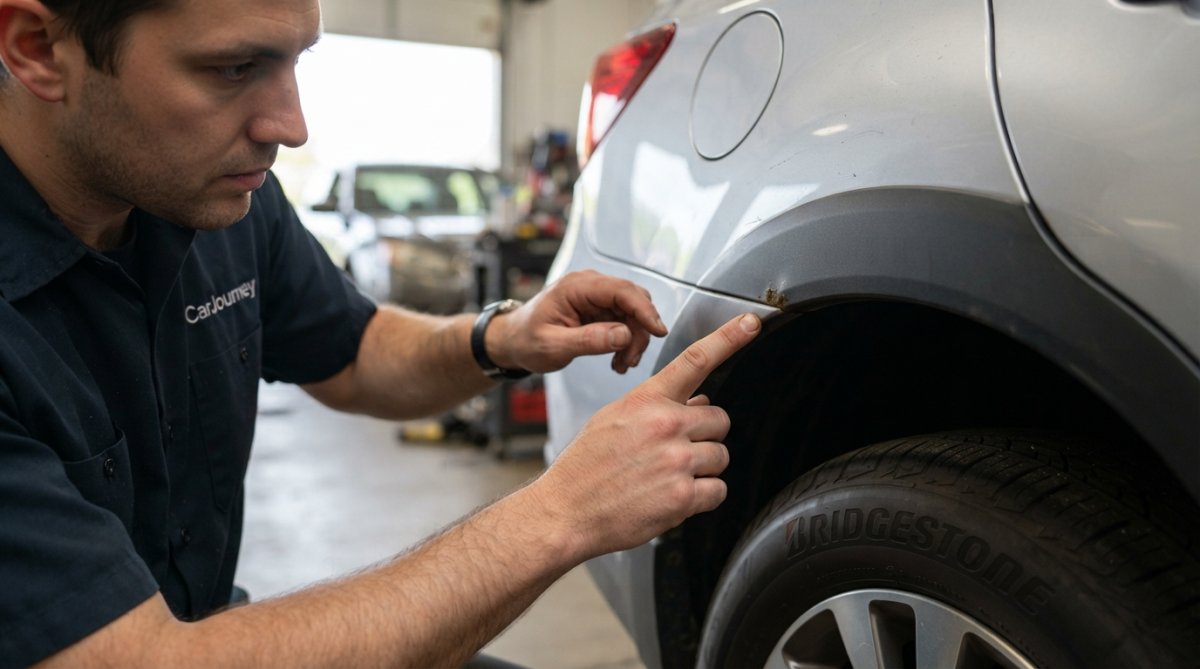
Open and close each door, hood, and trunk to assess alignment. Doors should close smoothly without excessive force or rattling. Misaligned panels or difficulty closing suggest frame damage that could affect safety and resale value later. Document any cosmetic issues on your used car inspection checklist, as they often reflect the owner's overall maintenance approach.
Under-the-Hood Fluid Checks and Engine Health
Pop the hood and perform a systematic fluid inspection. This is where your used car inspection checklist reveals the vehicle's true mechanical condition. Start with the engine oil using the dipstick. The oil should be translucent amber or brown, not black or gritty. Dark, thick oil suggests infrequent changes; sludgy consistency indicates serious engine problems. Note the oil level, it should be between the minimum and maximum marks on the dipstick.
How To Properly Inspect a Used Car So You Wouldn't Buy a Lemon
The Car Care Nut
Check coolant level and condition in the reservoir. Coolant should be bright green, orange, or pink depending on the type. Cloudy or rusty-colored coolant points to corrosion inside the cooling system. Look for transmission fluid on the dipstick as well. It should be bright red or pink. Dark red or burnt-smelling transmission fluid indicates transmission stress or age.
Inspect brake fluid in the master cylinder reservoir. Brake fluid absorbs moisture over time, appearing darker as it ages. If it looks black or smells burnt, the braking system needs attention. Check the battery terminals for corrosion, loose connections, or white crusty buildup. Corroded terminals suggest poor electrical health.
Look at hoses and belts for cracks, fraying, or hardening. Drive belts and serpentine belts deteriorate with heat cycles. A cracked or worn belt can fail without warning, leaving you stranded. Note any visible leaks under the engine. Small drips are common; puddles suggest serious problems requiring immediate repair.
Using an OBD-II Scanner to Detect Hidden Engine Problems
Visual inspection only tells part of the story. Modern vehicles (1996 and newer) have onboard diagnostic systems that log fault codes when sensors detect problems. An OBD-II scanner reads these codes, revealing issues the engine light may not yet be displaying.
Purchase or borrow an affordable OBD-II scanner (basic models cost $25-$100 and are available online). Locate the OBD-II port under the steering wheel or dashboard (consult the owner's manual if unsure). Plug in the scanner, turn the ignition to the "On" position without starting the engine, and follow the device's prompts to read stored and pending fault codes.
Common fault codes and their implications:
- P0300 (Random/Multiple Cylinder Misfire): Engine misfiring; suggests spark plug, ignition coil, or fuel injector problems. Repair cost: $150-$500+
- P0420 (Catalyst System Efficiency Below Threshold): Catalytic converter failing or oxygen sensor malfunction. Repair cost: $400-$1,200+
- P0128 (Coolant Thermostat): Cooling system not reaching proper temperature; may indicate thermostat failure. Repair cost: $150-$400
- P0171 (System Too Lean): Fuel system delivering too little fuel; suggests fuel pump, fuel injector, or oxygen sensor issues. Repair cost: $200-$600+
- P0505 (Idle Control System Malfunction): Engine idling rough or unstable. Repair cost: $100-$400
If the scanner shows no fault codes but the check engine light is illuminated, the vehicle may have intermittent issues or a faulty oxygen sensor.
Tire Condition, Tread Depth, and Suspension
Tire condition directly affects safety and handling. Measure tread depth using a penny test or a proper tread depth gauge. Insert a penny into the tread with Lincoln's head upside down. If you can see the top of Lincoln's head, tread depth is critically low. Tires should have at least 4/32 inch of tread remaining for safe wet-weather performance.
Interior Electronics, HVAC, and Electrical Components
Start the engine and test every electrical component systematically. Activate the headlights on low and high beam. Check fog lights if equipped. Turn on the interior lights and verify they illuminate fully. Test the windshield wipers on all speed settings. Worn wiper blades leave streaks; replace them before purchase if needed.
Test Drive Procedures and Performance Checks
The test drive reveals how the vehicle actually performs under real conditions. Drive on both city streets and highway sections to assess acceleration, braking, and handling across different speeds. Listen for unusual noises: clunking from the suspension, grinding from the brakes, knocking from the engine, or squealing from belts.
Reviewing Service Records, VIN Check, and Safety Recalls
Request the complete service history from the seller. Regular oil changes, fluid top-offs, and scheduled maintenance indicate an owner who cared for the vehicle. Gaps in service records raise red flags. A vehicle with no documented maintenance for years likely suffered from neglect. Ask the seller for receipts, dealer records, or digital service logs; many modern dealerships provide online portals where you can verify service dates and work performed.
Performing a VIN Check for Safety Recalls
The Vehicle Identification Number (VIN) is your gateway to critical safety information. Locate the VIN on the dashboard (visible through the windshield on the driver's side), on the driver's door jamb, or on the title document. Verify the VIN matches across all three locations, mismatches indicate potential fraud or title problems.
- Critical safety recalls (braking systems, steering, airbags, fire hazards)
- Moderate recalls (electrical systems, climate control, infotainment)
- Minor recalls (cosmetic issues, labeling)
Reviewing the Title
A clean title is essential. Examine the title document carefully for:
- Title status: Should read "Clear" or "Clean." Avoid salvage titles, flood titles, lemon law buybacks, or branded titles, which indicate the vehicle was declared a total loss, flooded, or had major damage. These titles significantly reduce resale value and may mask hidden structural or mechanical problems.
- Liens: Check for any lienholder names. A lien means the previous owner still owes money on the vehicle; the lien must be cleared before you can take ownership.
- Odometer disclosure: Verify the mileage reported on the title matches the vehicle's odometer. Discrepancies suggest odometer fraud.
- Number of previous owners: Multiple owners in a short timeframe may indicate chronic problems that caused rapid turnover.
Pre-Purchase Inspection Checklist PDF and Using CarJourney to Track Vehicle Maintenance History
Creating a structured pre-purchase inspection checklist PDF gives you a standardized format to document findings across multiple vehicles. A comprehensive checklist should include sections for exterior condition, under-hood components, tire and suspension status, interior electronics, test drive observations, and documentation review.
| Inspection Area | Key Items to Check | What to Look For |
|---|---|---|
| Exterior | Paint, dents, rust, panel alignment | Mismatched paint, corrosion, frame damage |
| Under Hood | Fluid levels, hoses, belts, battery | Leaks, wear, discoloration, corrosion |
| Tires/Suspension | Tread depth, wear patterns, bounce test | Uneven wear, low tread, loose components |
| Interior/Electronics | Lights, climate control, power features | Non-functional systems, warning lights |
| Test Drive | Acceleration, braking, steering, idle | Noises, hesitation, rough operation |
| Documentation | Service records, VIN, title, recalls | Gaps in service, clean title, recall status |
Frequently Asked Questions
What is included in a used car inspection?
A comprehensive used car inspection checklist covers exterior body and paint condition, under-the-hood fluid levels (engine oil, coolant, transmission fluid), tire tread depth and wear patterns, interior electronics and HVAC function, battery and electrical system health, test drive performance including idle stability and steering play, service records review, VIN verification, frame damage or misalignment, and safety recall status. A pre-purchase inspection ensures you catch hidden problems before committing to the purchase.
What are red flags during a pre-purchase inspection?
Major red flags include mismatched paint or panels (indicating prior accident damage), excessive rust or corrosion, low or discolored fluid levels, worn brake pads or brake fluid leaks, uneven tire wear suggesting alignment issues, warning lights on the dashboard, rough idle or exhaust smoke, steering play or suspension noise, cracked battery terminals, and missing or incomplete service records. Frame damage, accident history on the vehicle history report, or open safety recalls are automatic deal-breakers.
Should I pay for a mechanic to inspect a used car before buying?
Yes, a professional pre-purchase inspection by a certified mechanic is one of the best investments you can make. While it costs money upfront, it prevents buying a vehicle with hidden mechanical problems that could cost thousands to repair. A mechanic can perform an OBD-II diagnostic scan to detect engine codes, assess suspension and brake system condition, and verify that all fluids and components are functioning properly. This professional assessment gives you leverage in price negotiations and protects your investment.
How can I tell if a used car has been in an accident?
Check for mismatched paint color or texture across panels using natural light, inspect for uneven panel gaps or misaligned doors and hood, look for overspray on rubber trim or window seals, review the vehicle history report for accident records, and have a mechanic inspect the frame for welding marks or straightening damage. Additionally, verify that all airbags are intact and check if airbag warning lights appear during the test drive. Mismatched paint and frame misalignment are the strongest indicators of prior collision damage.
A thorough used car inspection checklist protects your investment and ensures you're buying a reliable vehicle. CarJourney helps you maintain that protection long after purchase by organizing all service records, maintenance history, and modification details in one accessible digital location. Start your inspection with confidence, document your findings systematically, and build a transparent ownership record that buyers will value.
Start free