 carjourney
From the CarJourney journal
7 Tips to Maximize Trade In Value: 2026 Guide
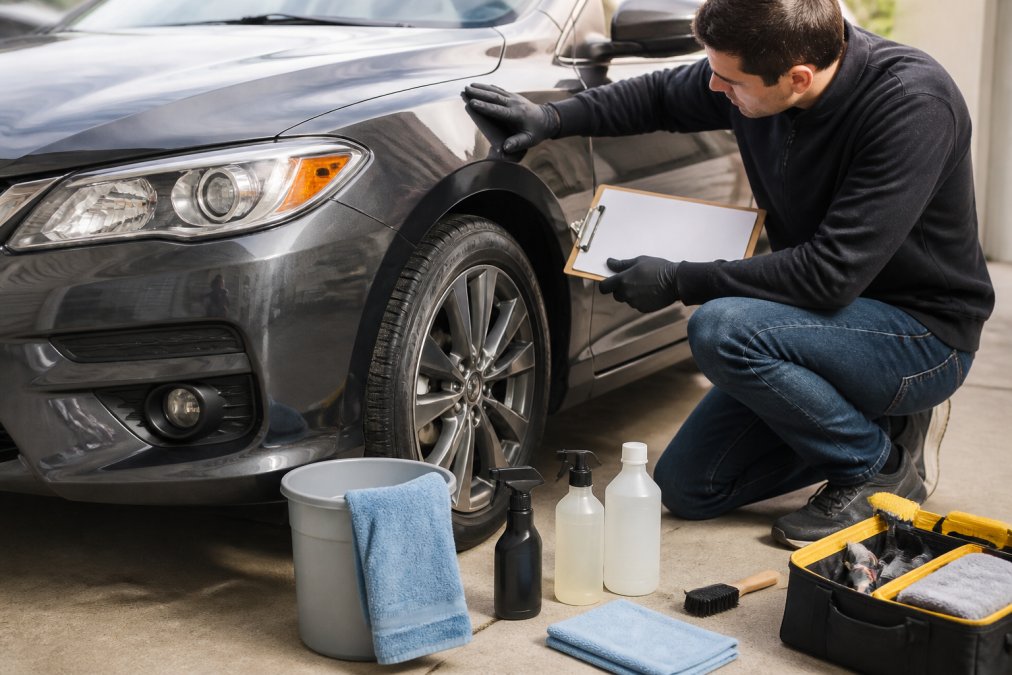
Table of Contents
- 1. Research Your Car's Current Market Value Before Anything Else
- 2. Does Service History Increase Car Value? What Dealers Actually Pay For
- 3. Clean, Detail, and Fix the Small Stuff That Kills Curb Appeal
- 4. Run Your Car Trade-In Checklist Before the Appraisal
- 5. How to Negotiate Car Trade-In Value as a Separate Deal
- 6. Handle Negative Equity, Payoff, and Tax Credit Before You Sign
- 7. Time the Trade-In Around Demand, Mileage, and Dealer Inventory
- Frequently Asked Questions
Last Updated: September 10, 2026
1. Research Your Car's Current Market Value Before Anything Else
Trade-in value is the amount a dealership will pay for your vehicle, and it is almost always lower than what you'd get from a private buyer. Before you clean a single floor mat, find out what your car is actually worth. Market demand for vehicles varies significantly by region and month, which makes research into current local market conditions the primary step in trade-in preparation, according to Jupiter Chevrolet's trade-in guidance. This guide from CarJourney walks through the seven steps that consistently maximize trade in value.
Start with three numbers: trade-in value, private party value, and wholesale value.
| Valuation Type | What It Represents | Typical Payout |
|---|---|---|
| Trade-in value | Dealer offer, factoring reconditioning costs | Lowest of the three |
| Private party sale | What a buyer pays you directly | Highest, but slowest |
| Wholesale value | What dealers pay at auction | Middle ground |
Use a free valuation tool to pull all three. The gap between trade-in and private party numbers tells you what convenience costs. If that gap is small, trading in makes sense. If it's wide, a private sale may be worth the extra weeks.
Pro Tip Check valuation tools twice, about two weeks apart. Dealer inventory shifts fast, and a fresh appraisal can move your offer meaningfully if supply tightens in your area.2. Does Service History Increase Car Value? What Dealers Actually Pay For
Yes, documented service history increases car value, but not in the way most sellers assume. Appraisers don't pay extra for a thick folder of receipts. They pay for proof that maintenance happened on schedule, at a verifiable location, and with no gaps that suggest deferred work.
Gathering comprehensive service records and resolving open recalls are identified as key preparation steps that influence modern trade-in appraisals, per Car Town Kia Florence's trade-in preparation guide. In the current market, documented oil changes, brake service, and fluid flushes performed at authorized service centers are treated as primary factors in maintaining higher valuations.
How to Organize Records So an Appraiser Can Verify Them Fast
Speed matters more than volume. An appraiser with 20 minutes and a clean digital timeline will value your car higher than one handed a shoebox.
- Sort records chronologically, newest first
- Note the date, mileage, and shop name for every service
- Flag any open recalls and confirm they're resolved
- Separate maintenance from modifications
- Keep receipts for major parts in the same file
This is where a digital garage pays off. CarJourney's VIN-based setup pulls your vehicle's core details automatically, and the AI-powered logs let you scan receipts and log service milestones without rebuilding a spreadsheet from scratch. When you're ready to sell, the shareable build profile gives an appraiser a clean, verifiable history in one link instead of a folder of paper.
Key Takeaway A verifiable, chronological service record is worth more than a large unorganized stack of receipts. Presentation is part of the value.3. Clean, Detail, and Fix the Small Stuff That Kills Curb Appeal
Curb appeal is the visual impression your car makes in the first 30 seconds of an appraisal, and it sets the anchor for every number that follows. A dirty interior reads as neglect, even when the mechanicals are perfect.
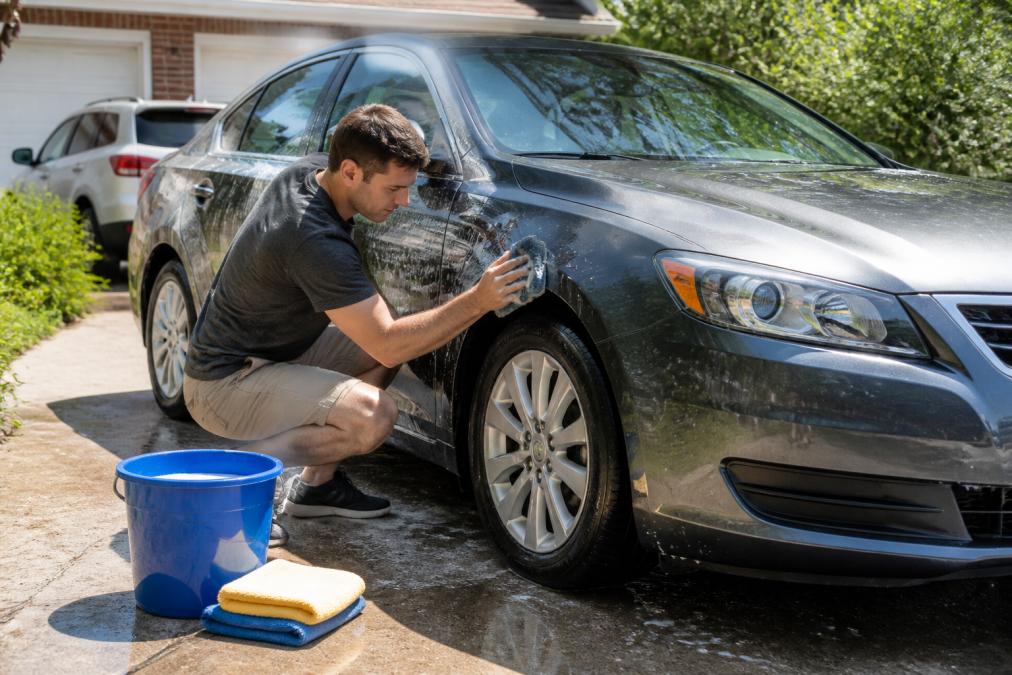
Wash and wax the exterior, clean the wheels and trim, and vacuum every surface. Pay attention to the details buyers and appraisers notice first: cracked trim, cloudy headlights, worn floor mats. Replacing a set of floor mats costs little and changes the interior impression immediately. Skip the heavy air freshener; it reads as an attempt to mask a smell.
Fix minor cosmetic issues before the appraisal. A door ding, a cracked mirror housing, or a burned-out bulb are cheap repairs that prevent an appraiser from discounting the whole vehicle. The goal isn't a showroom finish. It's removing every reason to knock the offer down.
Watch Out Don't hide existing damage. Fresh paint over a dent or a patch over rust gets caught in the inspection, and it damages trust with the appraiser. Disclose it and negotiate from an honest position.4. Run Your Car Trade-In Checklist Before the Appraisal
A car trade-in checklist keeps you from walking into the appraisal missing the documents and details that stall the process. The list itself is short. The work is in understanding what each item proves to the appraiser and what happens when it's missing.
Documents the Dealer Will Actually Ask For
- Title, free of any unresolved liens
- Current registration and proof of insurance
- Both sets of keys and any remotes
- Service records, digital or printed
- Loan payoff statement, if you still owe
- Owner's manual and any factory accessories
- Confirmation that all recalls are closed
A title with an open lien is the single most common reason a trade stalls at the finance desk. If your lender holds the title electronically, ask for a written payoff quote that includes the per-diem interest and any early-payoff terms. That number, not your online balance, is what the dealer uses to close the deal.
The Vehicle History Report Is Part of the Checklist
Most sellers never pull their own vehicle history report before an appraisal. That's a mistake. Dealers run one, and any red flag on it, a branded title, an accident entry, an odometer discrepancy, a prior salvage or flood notation, will surface in the offer whether you mention it or not.
Pull your own report first. If it shows an error, you can dispute it with the reporting agency before you negotiate. If it shows a real event, you can walk in with the repair invoice and the shop's contact information ready. A disclosed, documented repair is a negotiating position. An undisclosed one is a discount the appraiser applies without asking you.
Pro Tip Order your report at least a week before the appraisal. Disputes and corrections take time, and you want the clean version in hand before the dealer pulls their own.Mechanical and Cosmetic Pre-Checks
Check your fluid levels and tire tread before you go. Low oil or bald tires give an appraiser an easy reason to lower the offer, and both are things you can address cheaply. Confirm the VIN on your paperwork matches the VIN on the vehicle; a mismatch, even a clerical one, delays the deal. trade in your phone.
Walk the car in daylight and write down every imperfection you find, chips, curbs on the wheels, a slow window, a flickering dash light. You want to know the list before the appraiser does. Sellers who arrive already aware of their car's flaws negotiate from a stronger position than sellers who get surprised.
Key Takeaway A trade-in checklist is really a proof checklist. Every document and every pre-check exists to remove a reason for the dealer to discount your offer.5. How to Negotiate Car Trade-In Value as a Separate Deal
The single most effective negotiation tactic is treating the trade-in as a completely separate transaction from the purchase of your next vehicle. Industry experts advise keeping the two apart specifically to prevent dealerships from bundling them and obscuring the true value of your trade, as outlined in CarEdge's 2026 trade-in negotiation guide.
Get a written offer on the trade first. Then, and only then, discuss the price of the car you're buying. When the numbers are separate, you can compare the trade offer against your research from step one and push back with evidence.
What to Say When the Dealer Bundles the Trade With the New Car
If a salesperson folds the trade into a single monthly payment, slow it down. A simple line works: "Let's settle the trade value on its own first, then we'll talk about the new car." Repeat it as needed. Dealers who resist separating the numbers are usually the ones with the most to gain from keeping them together.
Pro Tip Bring your valuation printouts to the negotiation. A specific, sourced number is far harder to dismiss than a vague request for more money.6. Handle Negative Equity, Payoff, and Tax Credit Before You Sign
Negative equity is the gap between what you owe on your loan and what your car is worth, and it's the scenario most trade-in guides skip entirely. If you owe more than the trade offer, that difference doesn't disappear. It gets rolled into your next loan, which raises your payment and can put you underwater again immediately.
Get your exact loan payoff amount in writing from your lender before you negotiate. The payoff is not the same as your remaining balance; it includes accrued interest and any early-payoff terms. Knowing the real number prevents a surprise at the finance desk.
One factor working in your favor: in most states, the value of your trade reduces the taxable amount on your new vehicle, a benefit known as a sales tax credit. Because trade-in tax rules vary by state, confirm how your state handles it before you assume the credit applies. This is one of the few areas where trading in can beat a private sale, since a private buyer won't generate that credit for you.
Watch Out Never let a dealer quote a payoff figure without verifying it against your lender's statement. An inflated payoff quietly reduces the real value of your trade.7. Time the Trade-In Around Demand, Mileage, and Dealer Inventory
Timing affects your offer as much as condition does. Maximizing trade-in value requires monitoring current market demand, vehicle trim features, mileage, and the impact of regional tariffs on used car pricing, according to Times Union's 2026 trade-in report. The same car can appraise differently in March than in November.
A few timing levers worth pulling:
- Seasonality: SUVs and trucks appraise stronger in fall and winter; convertibles and sports cars peak in spring.
- Dealer inventory: If local lots are thin on your model, your offer improves. Call ahead and ask what they need.
- Mileage milestones: Crossing a round number like 100,000 miles can shift the valuation bracket. If you're close, sell before you cross it.
- Presentation timing: Schedule appraisals during daylight and dry weather. A clean car in good light simply appraises better.
Build a Digital Appraisal Baseline Before You Time Anything
Timing advice is useless without a number to time against. Before you pick a week to sell, run your VIN through at least three online valuation tools, a dealer-facing instant offer tool, a consumer pricing guide, and your lender's or insurer's valuation lookup if they offer one. Save the screenshots with the date on them.
The spread between the highest and lowest quote is your negotiating room. If one tool says $14,200 and another says $16,100, you now know the dealer's first offer is likely to land near the low end, and you have a documented reason to counter. Re-run the same three tools about two weeks apart. If the quotes are climbing, wait. If they're falling, the market is telling you to move.
Pro Tip Keep every quote in one folder with the date visible. A dated, sourced number is far harder for a salesperson to dismiss than a number you remember from a website.Read Local Inventory Before You Book the Appraisal
Call two or three dealerships that stock your model and ask one question: how many of this trim do you have on the lot right now? Thin inventory on your exact model and trim is the strongest timing signal there is. When a dealer needs your car to fill a gap, the appraisal reflects it. When the lot is full, it doesn't.
What Timing Cannot Fix
Timing can maximize trade in value at the margin. It will not rescue a car with an open lien, an unresolved recall, or a branded title. Fix those first, then use timing to capture the last few hundred dollars. Sellers who try to time the market before they've cleaned up the paperwork usually just delay the sale without improving the offer.
Key Takeaway The best time to trade in is when your specific model is in short supply locally and your digital baseline shows quotes trending up. Check both before you book an appraisal.Frequently Asked Questions
How can I maximize my car's trade-in value before visiting a dealership?
Start with research. Check market value on a valuation tool, gather your service records, and resolve any open recalls. Clean and detail the interior and exterior, fix minor cosmetic issues like dings and burned-out bulbs, and pull together your title, loan payoff information, and maintenance history. Strategic preparation steps can significantly improve your trade-in offer. Treat the trade as its own transaction so the dealer cannot bury its value inside the new-car deal.
Does having a detailed service history increase trade-in value?
Yes. In the 2026 market, documented service history, especially oil changes, brake service, and fluid flushes performed at authorized service centers, is a primary factor dealers weigh when setting an offer. Records prove the car was maintained, which reduces the dealer's reconditioning risk. A digital garage that logs every service milestone and modification makes that proof easy to hand over at appraisal time, which matters when two similar cars are sitting on the lot.
How do dealerships determine the final trade-in offer?
Appraisers start from wholesale auction data, then adjust for mileage, trim, condition, and regional demand. They factor in reconditioning costs for any visible wear and tear, check the vehicle history report for accidents or title issues, and confirm the loan payoff. Regional tariffs on used car pricing can also shift offers. That is why cleaning the car, fixing small cosmetic problems, and bringing a complete car trade-in checklist to the appointment all move the number in your favor.
How do I negotiate car trade-in value without getting lowballed?
Keep the trade and the new-car purchase as two separate negotiations. Get your trade-in number in writing before you discuss financing or the new vehicle price, and compare it against at least two other offers from different dealers or an online buying service. Skipping preparation or accepting the first offer can lead to a lower trade-in value. If an offer comes in low, ask the appraiser which specific items drove the reduction and address them with your records.
What if I owe more on my car than it is worth?
That gap is negative equity, and it does not block a trade-in, but you need a plan. Ask the dealer for the exact loan payoff amount in writing, then compare it against your trade-in offer. You can roll the difference into the new loan, pay it down before trading, or wait and reduce it with additional payments. Rolling negative equity into a new loan increases what you owe, so get the full math in writing before signing anything.
Start free