 carjourney
From the CarJourney journal
How to Detail a Car for Maximum Profit
Table of Contents
- Why Detailing Your Car Matters for Resale Value
- Best Car Detailing Products for Resale
- How Long Does It Take to Detail a Car for Sale
- Step-by-Step Detailing Process for Maximum Profit
- How to Document Vehicle Maintenance for Buyers
- Pricing Your Detailing Investment
- Conclusion
Last Updated: August 27, 2026
Professional car detailing can increase a vehicle's resale value by 5% to 15% on average, according to Vertex AI Search research on vehicle trade-in values. A $20,000 vehicle gains $1,000 to $3,000 in value through professional detailing alone. This guide breaks down the exact steps, products, and strategies that deliver the highest return on your detailing investment.
Why Detailing Your Car Matters for Resale Value
A clean, well-maintained vehicle sells faster and commands a premium price. 75% of buyers would pay more for a professionally detailed vehicle, and detailed cars retain up to 45% more of their original value compared to those without professional treatment (Industry research on auto detailing for dealerships).
Buyers equate appearance with care. A spotless interior and flawless exterior signal that the previous owner invested in maintenance, translating directly to confidence in the vehicle's mechanical condition.
The financial impact varies by vehicle category. High-value inventory sees the largest return: $300-$500 in detailing yields $2,000-$3,000 in increased selling price. Mid-range vehicles benefit from $150-$250 in detailing, adding $800-$1,200 to resale values. Economy vehicles see gains of $300-$600 from $75-$150 in detailing work.
Key Takeaway The typical ROI for professional car detailing ranges from 150% to 300%, meaning every dollar spent returns $1.50 to $3.00 in increased sale price.According to Precedence Research on the U.S. car detailing market, the detailing services market reached USD 11.93 billion in 2025 and is projected to hit USD 22.09 billion by 2035, reflecting buyer demand for pristine vehicles.
Best Car Detailing Products for Resale
Strategic product selection separates a $500 detailing job that adds $3,000 in value from one that adds $800.
Exterior Products and Their ROI
Clay bar treatment removes embedded contaminants, tree sap, and brake dust that washing alone cannot eliminate. A quality kit costs $15-$30 and takes 1-2 hours. The result is paint that's smooth and visibly cleaner, essential for resale.
Paint correction compound addresses swirl marks, light scratches, and oxidation. A good compound runs $20-$40 per bottle and transforms dull, scratched paint into glossy, uniform surfaces. This alone can justify a $500-$1,000 price increase.
Ceramic coating or sealant provides long-term protection and gloss. Consumer-grade ceramic coating costs $30-$80 and lasts 6-12 months. The vehicle looks showroom-fresh for months after detailing, which matters if there's a gap between detailing and sale.
Wheel and tire products are high-ROI wins. A dedicated wheel cleaner ($10-$20) removes brake dust, and tire shine ($8-$15) darkens sidewalls. Together, these cost under $30 and visibly transform the vehicle's stance.
Glass cleaner and trim restorer complete the exterior. Quality glass cleaner ensures crystal-clear windows, while trim restorer ($10-$20) darkens faded plastic trim and rubber seals. These finishing products cost $20-$40 total and separate a "clean car" from a "pristine car."
Interior Cleaning and Protection
Carpet and upholstery cleaner is essential. A professional-grade extractor ($30-$60) removes stains, odors, and embedded dirt. Stain removal alone can justify a $200-$400 price increase.
Odor eliminator ($15-$30) targets smoke, pet, food, and mildew smells. Odor is one of the top reasons buyers walk away from otherwise clean vehicles.
Leather conditioner ($15-$30) restores suppleness to leather seats. Cracked, dry leather signals neglect; conditioned leather looks cared for.
Dashboard and interior trim cleaner ($10-$20) removes dust and restores color to plastic and vinyl. A dull dashboard makes the entire interior feel old.
Air freshener ($5-$15) leaves the car smelling clean and new, reinforcing buyer perception of cleanliness.
Pro Tip Prioritize interior cleaning over exterior for economy vehicles. Allocate 60% of your detailing budget to interior, 40% to exterior for vehicles under $15,000.How Long Does It Take to Detail a Car for Sale
A basic exterior wash and interior vacuum takes 2-3 hours. A thorough wash, clay bar treatment, and interior cleaning takes 4-6 hours. A full detail including paint correction, ceramic coating, deep carpet cleaning, and odor elimination takes 8-12 hours, often split across two days.
Most professional detailers charge $150-$500 depending on vehicle size and detailing depth. According to Lovable's 2026 guide on profitable car detailing, solo mobile detailers routinely achieve 60-80% gross profit margins by controlling time and labor costs.
Plan detailing for 2-3 days before photos are taken to ensure the car looks its absolute best during the critical first photos that buyers see online.
Step-by-Step Detailing Process for Maximum Profit
Step 1: Assess Your Vehicle's Current Condition
Inspect the exterior in bright daylight for paint swirl marks, scratches, oxidation, and fading. Check trim, rubber seals, and weatherstripping for cracks or discoloration. Examine wheels and tires for brake dust and curb rash. upgrading interior components.
Inside, assess carpet stains, upholstery wear, odors, and dust accumulation. Check the dashboard for cracks or fading. Smell the interior and identify any odors needing elimination.
Document everything with photos. This assessment takes 15-20 minutes but determines your entire detailing strategy.
Step 2: Wash and Clay Bar Treatment
Use a two-bucket wash method: one bucket for soapy water, one for rinsing your wash mitt. Wash from top to bottom, starting with the roof. Rinse thoroughly and dry completely with microfiber towels.
Once dry, use a clay bar treatment. Spray the clay bar lubricant on a small section (2 feet by 2 feet). Gently glide the clay bar across the surface. Wipe the area clean with a microfiber towel. Repeat across the entire vehicle.
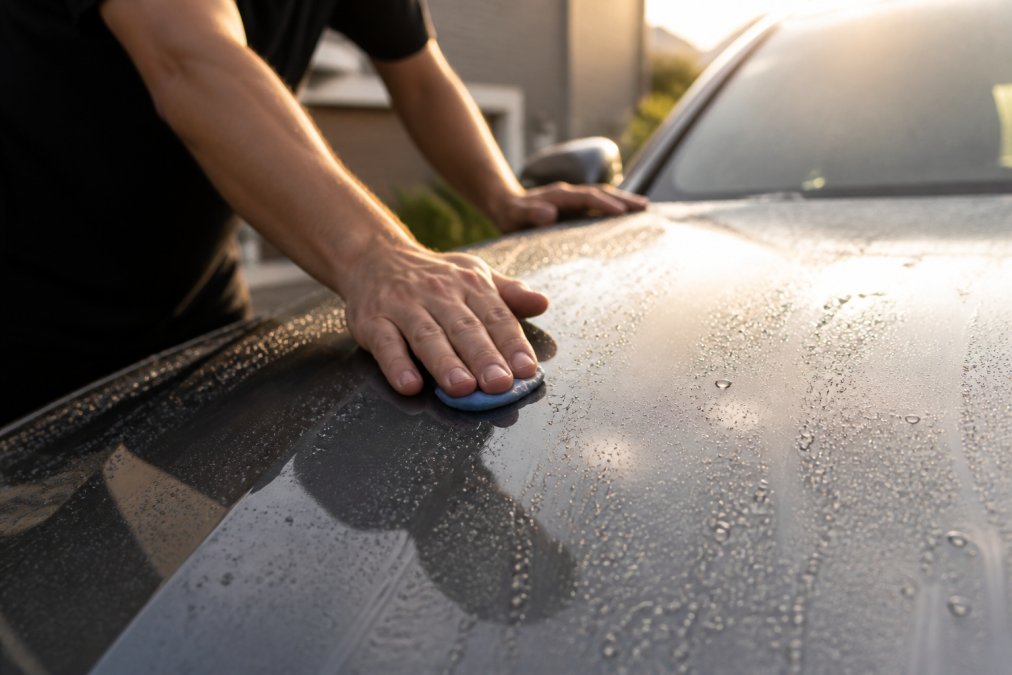
This process takes 2-3 hours for a full vehicle but transforms the paint texture.
Step 3: Paint Correction and Protection
Apply paint correction compound to a small section and work it in with a microfiber applicator pad using circular motions. Buff away the compound with a clean microfiber towel. Work systematically across the entire vehicle. This step takes 3-4 hours but the visual transformation justifies the time.
Once correction is complete, apply a sealant or ceramic coating according to product instructions. A quality sealant creates a slick, hydrophobic surface that looks new.
This combination is what separates a "clean car" from a "pristine car" in buyer perception. The investment is $50-$100 in products and 5-6 hours of labor, returning $800-$1,500 in increased sale price.
Step 4: Deep Interior Cleaning
Vacuum thoroughly, including under seats and between cushions. Use a carpet extractor or upholstery cleaner on stains. For stubborn stains, apply stain remover and let it sit for 10-15 minutes before extracting. This process takes 2-3 hours for a full vehicle.
Clean the dashboard, steering wheel, and door panels with appropriate cleaners. Remove dust from air vents and trim. Address odors by applying an odor eliminator product or placing activated charcoal overnight. Open windows and allow the vehicle to air out for 1-2 hours.
Apply leather conditioner if applicable. Finish with a quality air freshener.
Step 5: Final Touches and Presentation
Clean all glass inside and out to eliminate streaks and haze. Apply trim restorer to faded plastic trim and rubber seals. This takes 30 minutes and costs $15-$20 but visibly improves overall appearance.
Clean wheels and tires using a dedicated wheel cleaner and tire shine. Ensure the engine bay is clean and presentable. Take professional-quality photos using natural lighting from multiple angles.
How to Document Vehicle Maintenance for Buyers
A detailed maintenance history is proof that your vehicle was cared for. Gather all service records, receipts, and invoices organized chronologically. Include oil changes, tire rotations, brake service, fluid flushes, major repairs, recalls, and inspections.
Photograph or scan these documents. Create a digital file organized by year and service type. Upload this documentation to CarJourney or a similar maintenance tracker.
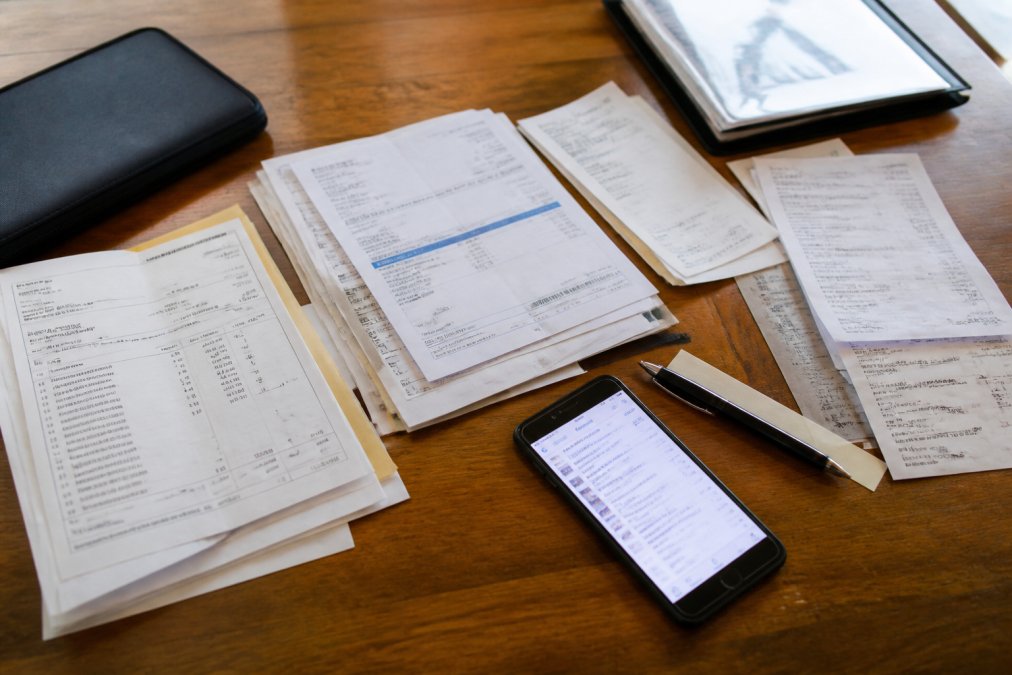
Include notes on major work performed. For DIY work, include photos and descriptions. This documentation takes 1-2 hours to compile but is one of the highest-value activities you can do. A vehicle with complete service records commands 5-10% higher prices than identical vehicles without documentation.
Pricing Your Detailing Investment
For vehicles under $10,000, allocate $75-$150 in detailing products and 4-6 hours of labor. Expected return: $300-$600 in increased sale price.
For vehicles $10,000-$25,000, allocate $150-$300 in products and 6-8 hours of labor. Expected return: $800-$1,500 in increased sale price.
For vehicles over $25,000, allocate $300-$500 in products and 8-12 hours of labor. Expected return: $2,000-$3,000 in increased sale price.
If hiring a professional, expect to pay $150-$500 depending on vehicle size and service depth. The ROI remains positive: a $300 professional detail typically returns $1,000-$2,000 in increased sale price.
| Vehicle Value | Detailing Budget | Expected Return | ROI |
|---|---|---|---|
| Under $10,000 | $75-$150 | $300-$600 | 200-400% |
| $10,000-$25,000 | $150-$300 | $800-$1,500 | 267-500% |
| Over $25,000 | $300-$500 | $2,000-$3,000 | 400-600% |
Detailing a car for maximum profit requires strategic product selection, systematic execution, and thorough documentation. The process takes 6-12 hours depending on vehicle condition and desired results. The financial return is substantial: 150-300% ROI on product and labor costs.
The competitive advantage belongs to sellers who combine professional detailing with documented maintenance history. CarJourney makes this advantage accessible by organizing your maintenance records into a shareable history that buyers can review. A documented, professionally detailed vehicle sells faster and commands a premium price. Get started with CarJourney free and build the maintenance history that proves your vehicle's value.
Frequently Asked Questions
Does detailing a car increase its resale value?
Yes, professional car detailing significantly increases resale value. Pristine quality vehicles command 10% to 20% more in value than the same car in poor condition. Professional detailing can increase resale value by 5% to 15% on average, with an ROI of 150% to 300%. Additionally, 75% of buyers would pay more for a professionally detailed vehicle, and detailed cars retain up to 45% more of their original value compared to those without professional treatment.
What are the most important areas to clean when selling a car?
Focus on high-impact areas: the exterior paint (wash, clay bar, wax), wheels and tires, and the interior cabin. Deep clean the carpets, seats, and upholstery to eliminate odors and stains. Don't neglect the engine bay, a clean engine demonstrates proper maintenance to buyers. The trunk and door jambs should also be spotless. These areas create the first impression and signal whether the vehicle has been well-maintained throughout its service history.
How does a documented service history affect car resale value?
A documented service history is one of the strongest indicators of vehicle value and buyer confidence. Buyers trust vehicles with complete maintenance records showing oil changes, tire rotations, repairs, and upgrades. Service records prove the car has been properly maintained, reducing perceived risk. When paired with professional detailing and a clean title transfer, documented maintenance can justify a higher asking price and help close the sale faster. Digital documentation platforms make sharing this history with potential buyers straightforward and trustworthy.
Should I pay for professional detail before selling my car?
Professional detailing is a smart investment for most vehicles. For luxury vehicles or low-mileage units, investing $300-$500 in premium detailing returns $2,000-$3,000 in increased selling price. For mid-range inventory, $150-$250 in detailing adds $800-$1,200 to resale value. Even for economy vehicles, $75-$150 in detailing adds $300-$600. The key is matching the detailing level to your vehicle's value. A detailed vehicle also sells faster.
Start freeThis article was written using GrandRanker