 carjourney
From the CarJourney journal
Essential Preventative Maintenance for New Car Owners
Table of Contents
- Why Preventative Maintenance Matters for New Car Owners
- Understanding Your New Car Maintenance Schedule
- Core Maintenance Tasks Every New Car Owner Must Know
- How to Track Vehicle Service History Like a Pro
- DIY Car Maintenance for Beginners
- Protecting Your Warranty Through Scheduled Maintenance
- Dashboard Warning Lights and What They Mean
- Seasonal Adjustments to Your Maintenance Routine
- Frequently Asked Questions
Last Updated: September 26, 2026
Why Preventative Maintenance Matters for New Car Owners
Preventative maintenance is the practice of performing regular service tasks on your vehicle before problems develop, rather than waiting for something to break. For new car owners, this approach protects your investment, preserves your warranty, and keeps your vehicle running reliably for years to come.
The first few years are critical. Skipping oil changes, tire rotations, or fluid top-offs risks breakdowns, voids warranties, and tanks resale value.
Owners who follow a structured essential preventative maintenance for new car owners schedule avoid costly repairs and build documented proof of care that buyers trust.
Key Takeaway The most valuable thing you can do as a new car owner is establish a maintenance routine now and document every service. This habit pays dividends in reliability, warranty protection, and resale value.Understanding Your New Car Maintenance Schedule
Your owner's manual contains manufacturer-recommended service intervals, engineered specifications designed to keep your vehicle in peak condition and maintain warranty coverage.
Reading Your Owner's Manual
Locate your vehicle's maintenance schedule in the owner's manual, typically in a dedicated section. It outlines every service interval tied to odometer readings or time elapsed, whichever comes first.
Distinguish between "required" services (essential for warranty compliance) and "recommended" services (extend lifespan but not mandatory for claims). This helps you prioritize spending.
Most manuals include a maintenance checklist you can print or access digitally through manufacturer apps, making it easier to track what's due.
Service Intervals by Odometer and Time
Your maintenance schedule lists services by mileage and time. A service might read "every 10,000 miles or 12 months, whichever comes first."
Time-based intervals matter even if you drive infrequently. Fluids degrade over time, battery terminals corrode, and seals dry out regardless of mileage.
Log both odometer reading and date at each service to prevent missing time-based services on low-mileage vehicles.
Core Maintenance Tasks Every New Car Owner Must Know
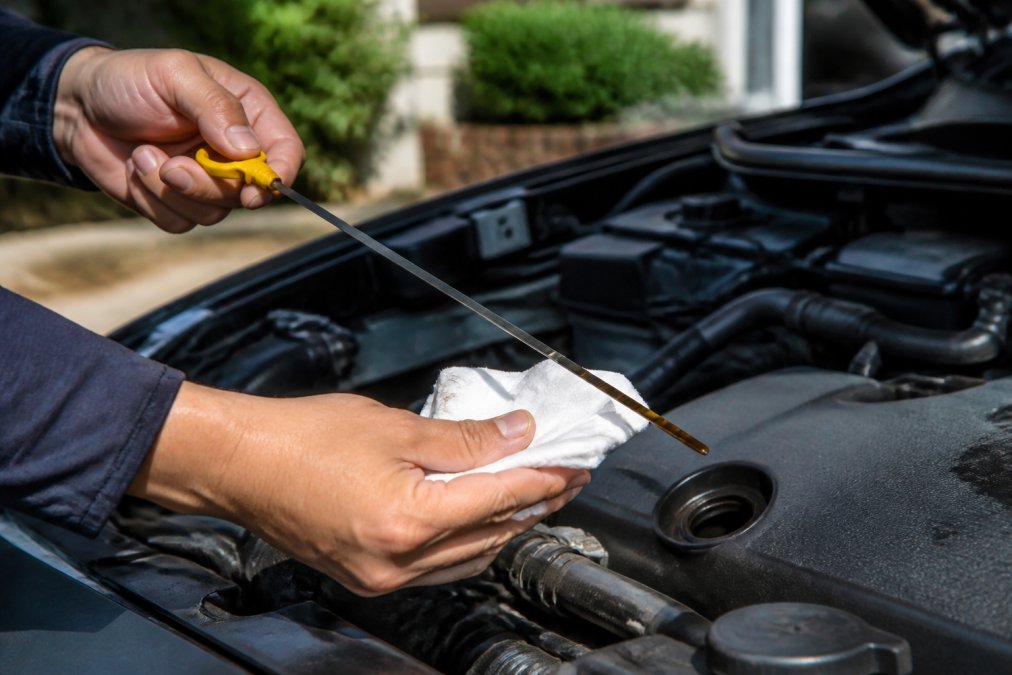
These are the essential preventative maintenance for new car owners tasks that form the foundation of vehicle care. Mastering them keeps your car healthy and prevents most common failures.
Oil and Filter Changes
Engine oil lubricates moving parts and carries away contaminants. Regular oil changes are the single most important maintenance task you can perform.
Most new vehicles require oil changes every 5,000 to 10,000 miles, depending on whether you use conventional or synthetic oil. Synthetic oil lasts longer, so intervals stretch further. Check your owner's manual for your specific vehicle's requirement.
Always replace the filter when changing oil. A clogged filter restricts flow; the filter costs under $15 and prevents thousands in engine damage.
Track every oil change with date, mileage, and oil type. This documentation proves you followed the manufacturer's schedule and strengthens warranty claims.
Tire Rotation and Tread Depth Monitoring
Rotating tires every 5,000 to 8,000 miles equalizes wear and extends tire life.
Your owner's manual specifies the rotation pattern. Proper rotation prevents premature wear and maintains safe handling.
Check tread depth monthly using the penny test. If you can see the top of Lincoln's head, your tread is below 2/32 inch and needs replacement.
Monitor tire pressure monthly. Cold tire pressure should match the PSI on your driver's door jamb, not the tire sidewall. Incorrect pressure causes faster wear and poor fuel economy.
Fluid Level Checks and Top-Offs
Your vehicle relies on multiple fluids: engine oil, coolant, brake fluid, transmission fluid, and windshield washer fluid. Low fluid levels cause performance problems and potential damage.
Check coolant levels when your engine is cold. Never open a hot radiator cap. Coolant prevents freezing and boiling while protecting engine components.
Brake fluid absorbs moisture over time, reducing effectiveness. Most manufacturers recommend a brake fluid flush every two years.
Transmission fluid keeps your transmission running smoothly. Some transmissions are sealed; others need periodic checks. Know your vehicle's type.
Windshield washer fluid is the easiest to maintain. Most vehicles have a translucent reservoir under the hood. Fill it as needed, especially before winter when you'll use it frequently.
Battery Health and Terminal Maintenance
A healthy battery typically lasts 3 to 5 years, but cold climates and frequent short trips shorten lifespan.
Check battery terminals for corrosion (white, blue, or green buildup). Clean with a wire brush and baking soda solution, disconnecting the negative terminal first.
Check your manual to determine if your battery is sealed or requires fluid level checks.
If the starter sounds sluggish or clicks repeatedly, your battery may be weakening. Many auto parts stores offer free battery testing.
Brake System Inspection and Pad Wear
Your brakes are critical safety systems. Brake pads wear gradually and need replacement before metal-to-metal contact occurs, which damages rotors and increases repair costs.
Warning signs include a brake warning light or high-pitched squealing. Don't ignore these signals; some pads have wear indicators that contact the rotor when replacement is due.
Fresh brake fluid is clear or slightly amber. Dark, murky fluid indicates contamination and should be flushed.
Have a professional inspect your brake system annually. They'll measure pad thickness, check rotor condition, and assess brake fluid health. Catching problems early prevents expensive repairs and keeps you safe.
Air Filter and Cabin Filter Replacement
Your engine air filter prevents dust and debris from entering the combustion chamber. Most filters need replacement every 15,000 to 30,000 miles.
Check your filter visually during oil changes. If dark or heavily soiled, replace it. Replacements cost $15 to $40.
Your cabin air filter cleans air entering through the HVAC system. Replace it every 12,000 to 15,000 miles or annually.
Lighting System and Wiper Blade Checks
Headlights, taillights, brake lights, and turn signals are safety-critical. A burnt-out bulb reduces visibility.
Check all lights monthly. Walk around your vehicle and confirm every light works, including brake lights and turn signals.
Your owner's manual shows the bulb replacement process for your specific vehicle.
Replace windshield wipers annually or when they leave streaks. Most auto parts stores install new blades free with purchase.
How to Track Vehicle Service History Like a Pro
Organized records prove you maintained your vehicle according to manufacturer specifications. This documentation is invaluable when selling your car or filing warranty claims.
Organizing Receipts and Documentation
Keep every service receipt in a dedicated folder. Include date, mileage, service performed, and cost. Ask mechanics for detailed invoices.
Photograph your odometer after each service to document mileage and create a timestamped record.
For DIY work, photograph old and new parts with date and mileage. This demonstrates maintenance effort.
Building a Digital Maintenance Log
Digital logs are searchable and shareable. CarJourney organizes receipts and generates shareable profiles proving your maintenance history.
Track custom modifications alongside routine maintenance to build a compelling vehicle history that justifies higher resale value.
Generate a complete service history report when selling. Buyers see your investment in proper care, increasing confidence and justifying a premium price.
DIY Car Maintenance for Beginners
Many maintenance tasks are simple enough for new owners to handle. Starting with basic work builds confidence and saves money on labor costs.
Tasks You Can Handle Yourself
Oil and filter changes are the most common DIY task. You need an oil drain pan, wrench, oil filter wrench, and new oil and filter. Most changes take 30 to 45 minutes.
Tire rotation requires a jack, jack stands, and a lug wrench. Always use jack stands; never rely on a jack alone.
When to Visit a Professional
Brake work, transmission service, suspension repairs, and electrical diagnostics require professional expertise.
Protecting Your Warranty Through Scheduled Maintenance
Your vehicle's warranty covers defects in materials and workmanship, but only if you follow the manufacturer's maintenance schedule. Skipping services or using non-approved parts can void coverage.
Dashboard Warning Lights and What They Mean
Your dashboard displays warning lights to alert you to potential problems. Understanding these signals helps you respond appropriately before minor issues become major repairs.
Seasonal Adjustments to Your Maintenance Routine
Your vehicle's needs change with the seasons. Winter driving stresses different systems than summer, so your maintenance priorities shift throughout the year.
Frequently Asked Questions
What is the most important preventative maintenance for a new car?
Oil and filter changes are the foundation of preventative maintenance. Regular oil changes keep your engine lubricated and remove contaminants that accumulate over time. Most new cars require synthetic oil changes every 7,500 to 10,000 miles or 6 to 12 months, depending on your owner's manual. Skipping this critical task accelerates engine wear and can void your warranty. Tire rotation and fluid level monitoring are equally essential to prevent costly damage and maintain vehicle longevity.
How often should I perform preventative maintenance on my vehicle?
Follow your owner's manual for the manufacturer's recommended service intervals. Most vehicles need oil changes every 5,000 to 10,000 miles, tire rotations every 5,000 to 7,000 miles, and fluid checks monthly. Major services like coolant flushes, transmission fluid changes, and brake inspections occur at longer intervals, typically 30,000 to 60,000 miles. Tracking these intervals with a digital maintenance log prevents missed services and protects your resale value.
Does following a maintenance schedule void my new car warranty?
No, following the manufacturer's maintenance schedule actually protects your warranty. Dealerships and manufacturers require proof of scheduled maintenance to honor warranty claims. Neglecting preventative maintenance or using non-approved parts may void coverage. Keep all receipts and documentation of completed services. Using a digital maintenance tracker ensures you have verifiable records that demonstrate compliance, which is critical if you need to file a warranty claim or prove vehicle care to a future buyer.
What car maintenance tasks can I do myself as a beginner?
Beginners can safely handle checking fluid levels (oil, coolant, brake fluid, windshield washer), inspecting tire pressure and tread depth, replacing windshield wiper blades, and cleaning battery terminals. These tasks require minimal tools and take 15 to 30 minutes. Oil changes and tire rotations are manageable with basic equipment and online guidance. Avoid brake work, electrical repairs, and transmission service unless you have experience. Document all DIY work in a maintenance log to maintain a complete service history for warranty protection and resale credibility.
Start free