
 carjourney
How car communities make you a smarter car owner
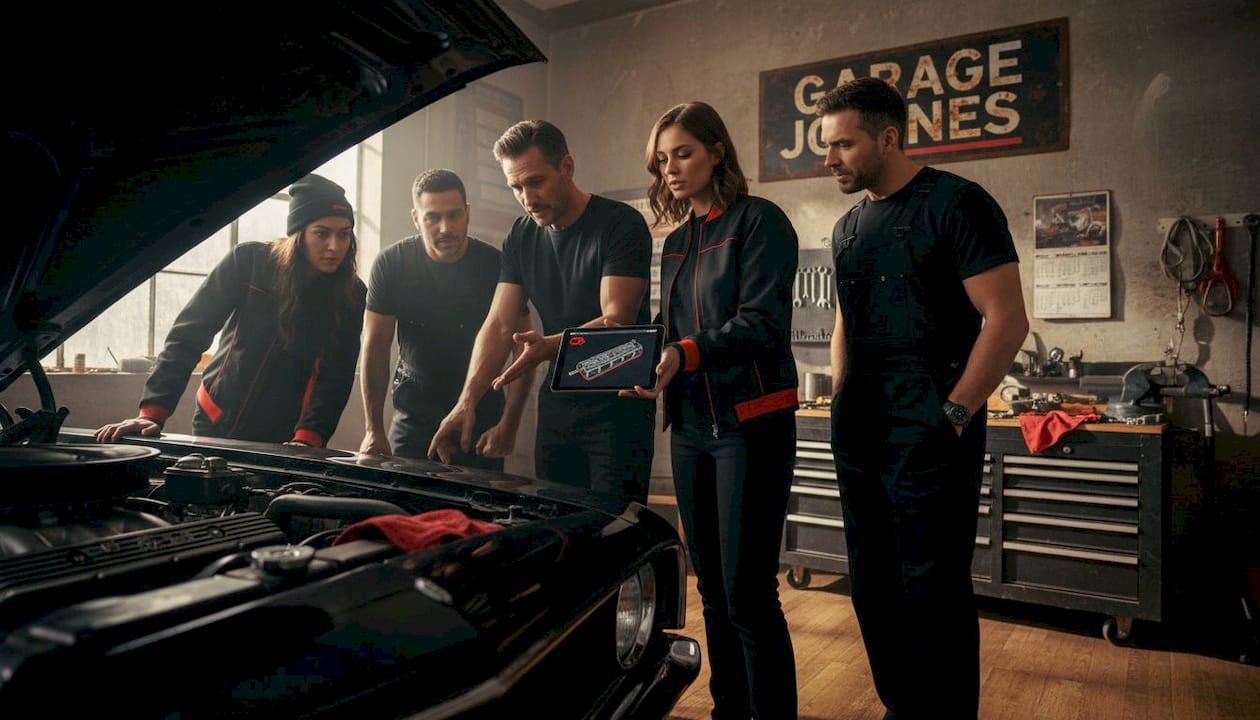
Car owners often face a frustrating moment: strange noise, warning light, or a repair quote that feels too high, and no clear path forward. What most people don’t realize is that online and local car communities routinely solve these exact problems faster and more accurately than solo research ever could. The idea that peer advice is always risky or unreliable is one of the most persistent myths in DIY car culture. In reality, a well-connected community brings together decades of hands-on experience, real-world data, and genuine accountability that no single forum post or YouTube video can match alone.
Table of Contents
- How car communities enable real-time problem solving
- Structured learning: In-person events and hands-on clinics
- Navigating the risks and limitations of community advice
- Learning-by-doing: Practical group repair and skill-building
- Why club and community-driven car care often works better than solo DIY
- Leverage community-powered car maintenance with CarJourney
- Frequently asked questions
Key Takeaways
| Point | Details |
|---|---|
| Real-time troubleshooting | Car communities provide rapid, peer-to-peer advice for mechanical issues, speeding up decision-making. |
| Safe, structured learning | In-person events and clinics create risk-reduced, hands-on skill-building alongside technicians. |
| DIY risk awareness | Community advice is valuable but must be balanced by caution, especially for complex modern vehicles. |
| Collective skill building | Group repair sessions foster deeper learning and confidence for tackling advanced car tasks. |
| Digital tools amplify results | Apps and trackers help integrate community wisdom into organized, ongoing car maintenance. |
How car communities enable real-time problem solving
When your check engine light comes on at 9 p.m. on a Friday, a dealership isn’t going to help you. But post a photo of your OBD2 readout in the right community, and within minutes you’ll have three people who’ve dealt with the exact same code on your exact trim level. That’s the core value of peer-to-peer car knowledge, and it’s not just anecdotal. Car-owner communities provide peer-to-peer troubleshooting and maintenance and modification knowledge, often via real-time discussions and shared media including photos and videos, helping members diagnose problems and make faster, more informed decisions.
What makes this so effective is the multimedia layer. Members don’t just describe symptoms in text. They share undercarriage photos, short video clips of the knocking sound, screenshots of scan tool readings, and side-by-side comparisons of worn versus healthy parts. This visual shorthand cuts through the ambiguity that makes solo research so slow and confusing.
Communities also shine when it comes to buying decisions. Whether you’re choosing between two sets of brake pads, debating a suspension upgrade, or trying to figure out if a used car listing is priced fairly, the collective buying experience in a focused community is a resource money can’t buy. Members with the same vehicle and same driving conditions have already tested the options you’re considering.
Here are the most common ways community members solve problems together:
- Real-time diagnosis threads where owners post symptoms, codes, and photos and receive rapid feedback from experienced members
- Build threads that document full modification histories, with part numbers, labor notes, and long-term reliability reviews
- Shared service records and mileage milestones that give members realistic expectations for wear items
- Group buys that reduce cost and provide collective feedback on specific products
Pro Tip: When posting a problem in a community forum, always include your year, make, model, trim level, mileage, and any recent service history. Members can diagnose much faster when they’re not guessing at variables. You can also use the best apps for car enthusiasts to organize this information before you post.
One underrated benefit: communities build confidence. Owners who regularly participate in troubleshooting discussions develop a working mental model of their vehicle that makes every future decision easier. You stop being a passenger in your own car’s maintenance story. Tracking your own service history in a tool that lets you streamline your vehicle maintenance workflow makes this even more powerful.
Structured learning: In-person events and hands-on clinics
Not all community learning happens on a screen. Some of the most valuable car knowledge transfers in person, in a garage, with tools in hand. Club-organized events like tech days and wrench fests create a controlled environment where owners can attempt procedures they’d never try alone, with an experienced technician or advanced club member standing right next to them.
In-person club events such as oil-change tech days and undercarriage inspections with professional technicians create structured, supervised learning that pure online research simply cannot replicate. These aren’t just social events. They’re practical skill transfer sessions.
Consider what happens at a well-run tech day. A newer owner who has only watched oil change videos suddenly has to physically locate the drain plug on their specific vehicle, handle hot oil safely, and torque the drain plug to spec. The difference between watching and doing is enormous. And having a knowledgeable person nearby to correct technique in real time prevents the kind of small mistakes that snowball into bigger problems.
Here’s how structured club events typically build skills progressively:
- Orientation and safety briefing covering tools, lifts, and chemical hazards
- Demonstration by an experienced member or technician on one vehicle
- Supervised practice where participants attempt the procedure on their own car
- Debrief and Q&A that covers edge cases and common mistakes
- Follow-up documentation with photos or a checklist members can take home
The social dimension of these events also matters. Research into group learning in other skill-based hobbies, including activities like go-karting with family groups, consistently shows that shared physical experiences build stronger knowledge retention and accountability than solo practice. The same principle applies in a garage clinic.
| Learning format | Supervision level | Skill retention | Risk of mistakes |
|---|---|---|---|
| Solo DIY (online guides only) | None | Moderate | Higher |
| Online community support | Peer-level | Moderate to high | Moderate |
| In-person club tech day | Expert-supervised | High | Lower |
| Professional mechanic service | Full professional | Low (passive) | Lowest |
Pro Tip: Use an auto maintenance tracker to log every procedure you complete at a clinic. Recording the date, mileage, parts used, and torque specs turns a one-time event into a permanent reference you can revisit when the same service comes due again.
Navigating the risks and limitations of community advice
Here’s where honesty matters. Community knowledge is powerful, but it has real limits. Modern vehicles are not the same as the carbureted, mechanically simple machines that made DIY culture famous. Today’s cars run on layered software, sensor arrays, and control modules that interact in ways that even experienced enthusiasts can misread.
Mechanic-facing research makes this clear: DIY advice and community posts may disagree with mainstream guidance, and professional perspectives warn that modern cars can be complex and mistakes can be expensive, especially with electronics and diagnostics. A simple procedure like disconnecting a battery can now trigger recalibration requirements, idle relearn procedures, or airbag system errors that require dealer-level scan tools to clear.
“Treating community advice as a starting point, not a final answer, is the mark of a genuinely skilled DIYer. The members who thrive long-term are the ones who cross-check forum wisdom against factory service manuals every single time.”
There are also real risks tied to how community advice spreads. A post from five years ago about a brake bleed procedure on a 2018 model may not account for updated service bulletins or a revised ABS module that changes the bleeding sequence entirely. Outdated information doesn’t disappear from forums. It just sits there waiting to mislead someone.
Key risks to watch for when using community advice:
- Model year differences that change procedures significantly between production runs
- Conflicting advice from members with different experience levels and vehicle variants
- Missing safety steps in posts written by members who skipped them out of habit
- Overconfidence in procedures that look simple but have hidden complexity
Even specialized skills like key programming have become genuinely complex. Understanding automotive key cutting limitations is a good example of how even seemingly straightforward tasks now require professional equipment and software in many modern vehicles.
Protect yourself by building a habit of checking community advice against your vehicle’s official service manual, following a solid car maintenance schedule, and reviewing car care best practices before tackling anything unfamiliar.
Learning-by-doing: Practical group repair and skill-building
The most effective learning model in car communities isn’t reading, it’s doing. Small-group garage clinics take the theory from online discussions and turn it into muscle memory. When you’ve physically done a brake job alongside two other members who’ve done it a dozen times, you don’t forget the steps. The knowledge sticks differently.
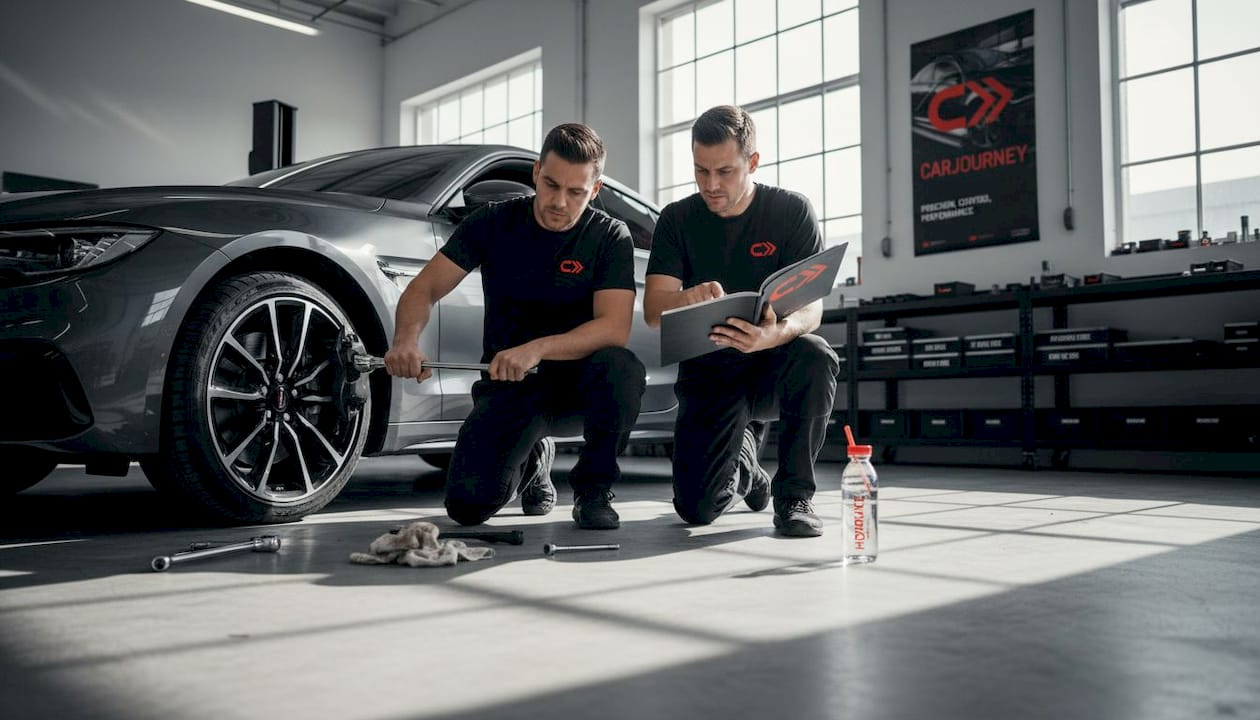
Model A Ford Club garage clinics are a great example: small groups work together on brake and exhaust manifold work, emphasizing learning-by-doing and building the kind of practical skills that transfer across vehicles and repair categories. The tight, collaborative format means every participant is engaged, not just watching.
A typical group clinic session might progress like this:
- Parts and tools review so every member understands what they’re working with
- Visual inspection together to identify the actual condition before diving in
- Disassembly with narration where the lead member explains every decision out loud
- Hands-on rotation so each participant gets physical time on the repair
- Final inspection and torque check with every member verifying the completed work
What range of repairs can community clinics realistically cover? More than most people expect:
- Brake service: pad replacement, rotor resurfacing inspection, caliper slides, and brake fluid flushes
- Exhaust work: manifold gasket replacement, heat shield repair, and tailpipe hangers
- Fluid maintenance: oil changes, coolant flushes, and differential fluid swaps
- Carburetor tuning on older vehicles, including float adjustment and jet cleaning
- Suspension basics: control arm bushings, sway bar end links, and shock absorber replacement
These sessions also cover scenarios that solo DIYers rarely think about until they’re stuck, like what to do when a bolt shears off, how to safely support the car when a jack point is compromised, or how to diagnose a leak that moves under driving conditions. That situational knowledge comes from collective experience, not manuals.
For enthusiasts focused on keeping a specific build healthy over time, combining clinic skills with resources like essential maintenance tips helps bridge the gap between group learning and solo upkeep. And for tasks that go beyond garage work, knowing when to call a mobile car locksmith is part of smart car ownership too.
Why club and community-driven car care often works better than solo DIY
Here’s our honest take after seeing both sides: the lone DIYer with a stack of forum printouts and a YouTube queue is not as well-equipped as they think they are. Not because they lack intelligence or motivation, but because car repair is a physical skill built through repetition, feedback, and correction. Text cannot fully replicate that.
Club garage clinics and tech days actively reduce risk versus purely online DIY by pairing owners with technicians and encouraging correct procedures, while still building genuine owner capability. The key phrase there is “still building.” This isn’t about outsourcing your car knowledge. It’s about accelerating it safely.
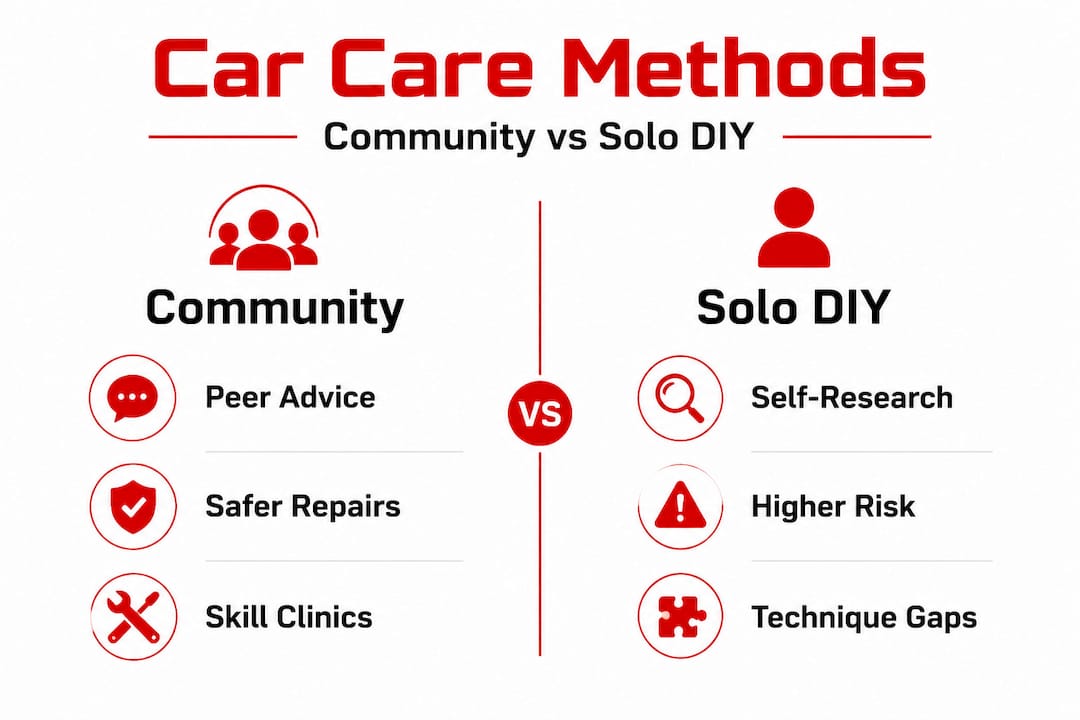
The technique gap is real. An experienced technician can spot a stripped thread before it becomes a broken bolt, notice a brake hose that’s swollen on the inside when the outside looks fine, or catch a torque sequence error before the job is done. A forum post can’t do any of those things in real time.
That said, community culture also carries real risks when accountability is low. Overconfidence and misinformation spread when members treat community posts as final authority rather than a starting point. Modern electronics, safety systems, and sensor networks raise the cost of small errors significantly. Our advice: treat community wisdom as your research phase, in-person clinic attendance as your training phase, and your factory service manual as your final authority.
The enthusiasts who get the most out of community involvement are the ones who stay curious, stay humble, and stay connected. They track what they’ve done, share what they’ve learned, and show up to clinics to both give and receive knowledge. Building that habit is easier when you have a platform that supports it. Check out protecting your build to see how consistent documentation ties directly into long-term vehicle health.
Leverage community-powered car maintenance with CarJourney
You’ve just seen how much faster and safer car maintenance becomes when you combine community knowledge with structured practice. CarJourney was built specifically to give enthusiasts the tools that make that combination work at full strength.
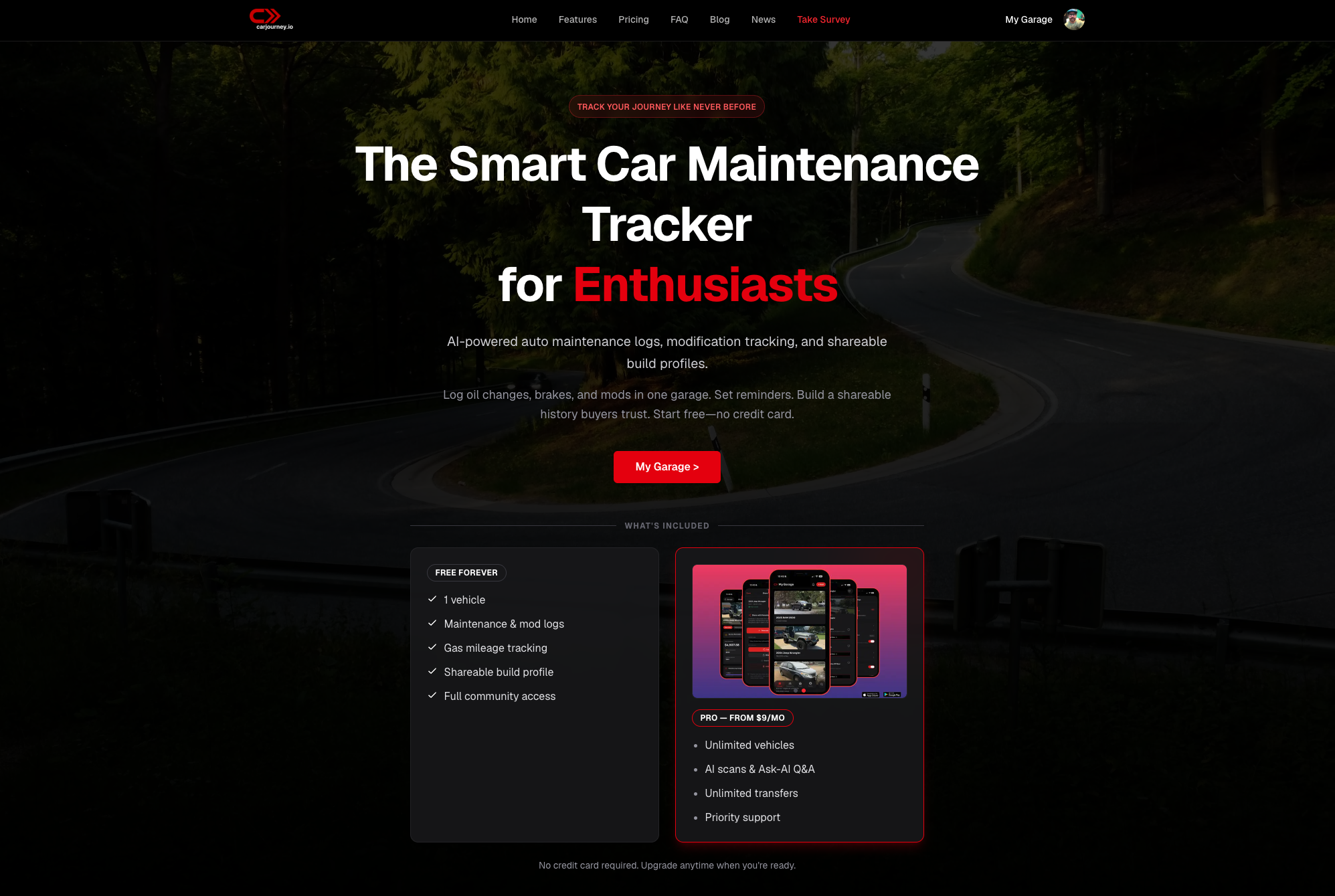
With CarJourney, you can track every service, scan your documents with AI, and access maintenance recommendations tailored to your exact vehicle, not a generic schedule. Our platform connects your real-world clinic experience and community insights directly to a maintenance record that works for your specific build. If you’re already exploring the best apps for car enthusiasts, CarJourney belongs at the top of that list. Stop letting valuable knowledge slip through the cracks and start building the kind of maintenance record that makes every repair decision faster and smarter.
Frequently asked questions
How do car communities help troubleshoot mechanical issues?
Communities provide peer-to-peer troubleshooting through real-time discussions and shared photos and videos, helping owners diagnose problems and reach informed decisions faster than solo research typically allows.
Are club-organized in-person events safer than solo DIY?
Yes. Club-organized events like oil-change tech days and undercarriage inspections pair participants with professional technicians and create supervised learning environments that significantly reduce the risk of procedural errors.
What is the biggest risk when following community advice for car repairs?
Modern cars are complex, and misapplied DIY advice can lead to expensive mistakes especially with electronics, so always cross-check community suggestions against your official factory service manual before proceeding.
What kinds of repairs or maintenance can be tackled in community clinics?
Group garage clinics commonly cover brake service, exhaust manifold work, carburetor tuning, fluid changes, and basic suspension repairs, giving members hands-on experience across a wide range of procedures.
Why do some mechanics recommend caution with community advice?
Mechanics point out that modern vehicle systems including sensors, modules, and electronics raise the stakes of small errors considerably, meaning overconfidence in community advice can turn a simple job into a costly repair.