 carjourney
From the CarJourney journal
Is Digital Car Tracking Worth It? A 2026 Guide
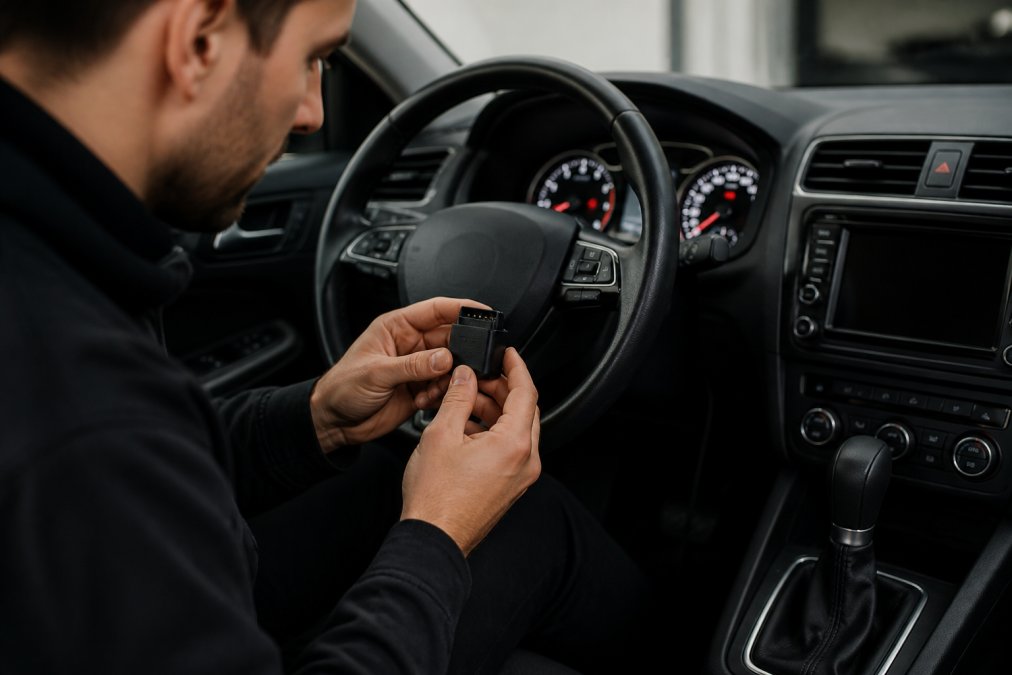
Table of Contents
- Is Digital Car Tracking Worth It? The Core Question
- GPS Tracker for Car Benefits: What You Actually Gain
- Car Tracking Device Cost: Breaking Down Your Investment
- Car Insurance Tracking Device Pros and Cons
- Vehicle Tracking System Privacy Concerns: What You Need to Know
- How Car Tracking Systems Work: Technology Behind the Tracker
- Use Cases: When Digital Car Tracking Makes Sense
- The Verdict: Is Digital Car Tracking Worth It for You?
Is Digital Car Tracking Worth It? A 2026 Guide
Last Updated: July 30, 2026
Vehicle theft and unauthorized access remain persistent concerns for car owners. Digital car tracking has become increasingly accessible, but is it worth it? The answer isn't one-size-fits-all. What matters is understanding what you're buying, how much it costs, and whether those benefits align with your needs.
Is Digital Car Tracking Worth It? The Core Question
Digital car tracking technology offers real value in specific scenarios. A vehicle tracking system isn't universally necessary, it's a tool that solves particular problems for particular owners.
The core value proposition is straightforward: real-time location data, theft recovery assistance, and driving behavior insights. But real-time location doesn't prevent theft, and insurance discounts don't apply to every policy. Some trackers require subscriptions that accumulate to hundreds of dollars annually. The question isn't whether tracking technology works, it does, but whether the specific benefits justify the specific costs in your situation.
A teenager learning to drive gets measurable value from speed alerts and route monitoring. A fleet manager tracking 50 vehicles gets value from route optimization and fuel consumption data. A daily driver with comprehensive insurance and a safe parking situation may not get enough value to justify the expense.
GPS Tracker for Car Benefits: What You Actually Gain
A GPS tracker for car delivers concrete benefits in three main areas: theft prevention and recovery, real-time location awareness, and behavioral monitoring.
Theft Prevention and Vehicle Recovery
When a vehicle is stolen, a tracker can pinpoint its location within minutes, dramatically improving recovery odds. Law enforcement uses tracking data to locate stolen vehicles faster than traditional methods. However, a GPS tracker doesn't prevent theft, it makes recovery possible after the fact. For high-value vehicles, project cars, or vehicles kept in high-theft areas, that recovery capability justifies the cost alone.
Some insurers offer premium discounts for vehicles with active tracking systems, recognizing that tracked vehicles are recovered more often. Those discounts vary from 5% to 15% depending on the insurer and tracker type, but they can offset subscription costs over time.
Pro Tip If theft recovery is your main concern, prioritize trackers with cellular backup. GPS-only trackers lose signal in tunnels and parking garages. Cellular trackers maintain connection even indoors, ensuring [your vehicle](/blog/what-is-a-maintenance-log-for-your-vehicle)'s location is always accessible.Real-Time Location and Peace of Mind
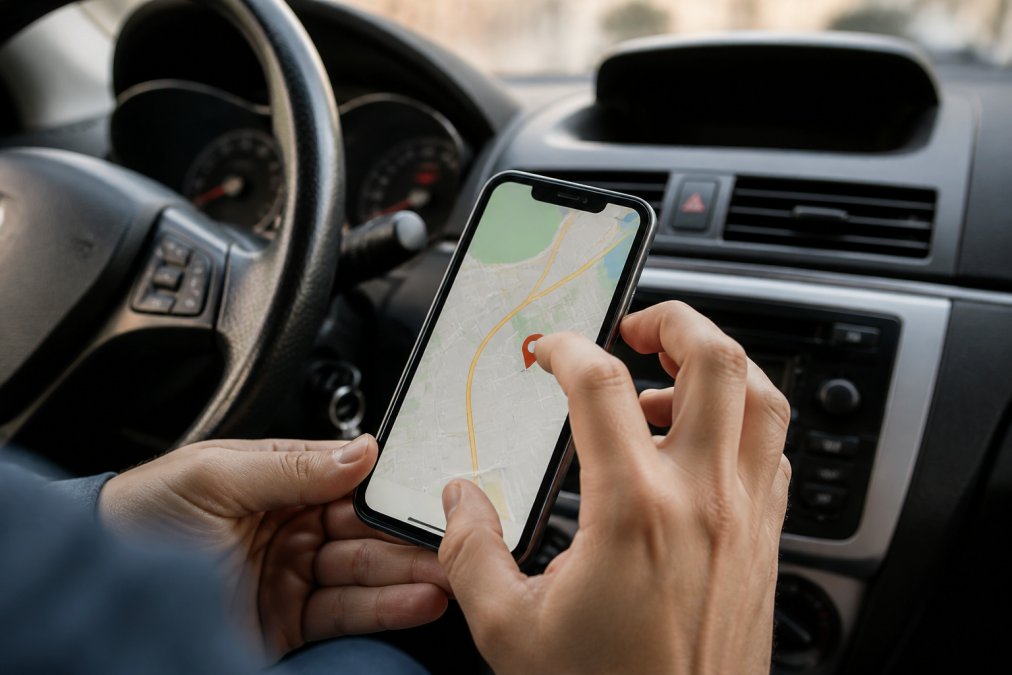
Knowing where your vehicle is at any moment has genuine psychological value, especially for owners of high-value cars or those concerned about unauthorized use. For parents of teen drivers, this real-time visibility serves a practical purpose: you can verify that your teenager actually drove to school instead of detouring elsewhere. You can receive alerts if the vehicle leaves a designated geofence.
The limitation is that real-time location is only useful if you act on it. Real-time location is a tool; its value depends entirely on how actively you use it.
Monitoring Driving Habits and Safety Alerts
Digital car tracking systems monitor acceleration, braking force, cornering speed, and other driving metrics. This data surfaces unsafe behaviors: harsh braking, rapid acceleration, speeding, aggressive cornering. For fleet managers, this data directly improves safety and reduces accidents. For parents of new drivers, it creates accountability and identifies training opportunities.
Drivers who know their acceleration and braking patterns are being monitored tend to drive more carefully. Some insurers offer additional discounts (5-10%) for drivers who participate in usage-based insurance programs that monitor these behaviors.
Car Tracking Device Cost: Breaking Down Your Investment
The true cost of digital car tracking extends beyond the device price. You need to factor in installation, subscription fees, and potential data overages.
Device Pricing and Installation
GPS tracking devices range from basic battery-powered units to hardwired OBD-II port devices. A simple plug-and-play OBD-II tracker typically costs between $50 and $200. Hardwired GPS trackers with better battery life run $150 to $400. Professional-grade fleet trackers exceed $500 per unit.
Installation matters. A plug-and-play OBD-II device takes five minutes. A hardwired tracker requires running cables through your vehicle's interior and connecting to the battery, a job that often requires professional installation ($100-$300 labor). This installation cost is frequently overlooked but adds significantly to the total investment.
For vehicle owners using CarJourney to document their car's history, tracking device installation becomes part of your maintenance record. You can log the installation date, cost, and device specifications directly in your digital garage, creating a complete service history.
Subscription Fees and Hidden Costs
Most tracking systems charge monthly subscription fees ranging from $10 to $50 per month. A $20/month subscription costs $240 annually. Some services charge extra for features you might assume are included: real-time alerts, trip history storage beyond 90 days, or higher location update frequency. Over three to five years, subscription costs typically exceed the device cost by 3-5x.
Watch Out Check whether your chosen tracker's subscription automatically renews and whether cancellation requires contacting customer support. Some services make it deliberately difficult to cancel, banking on inertia to keep subscribers paying for systems they no longer actively use.Car Insurance Tracking Device Pros and Cons
Insurance companies have a vested interest in tracking systems because they reduce claims. Some insurers offer discounts for vehicles with active trackers.
Insurance Premium Discounts
Insurers offering tracking discounts typically provide 5-15% reductions in comprehensive or collision coverage premiums. A 10% discount on a $1,200 annual policy saves $120 per year. Over five years, that's $600 in savings, potentially offsetting the entire cost of a mid-range tracking system and its subscription fees.
However, the discount only applies if your insurer partners with your specific tracker brand. You need to verify that your insurance company offers a discount for the specific device you're considering before making the purchase.
Drawbacks and Rate Increases
The driving behavior data collected by tracking systems can work against you. Some insurers use this data not just for discounts but for rate increases. If the system detects frequent harsh braking, speeding, or aggressive acceleration, your insurer may increase your premium rather than discount it.
Additionally, some insurance-partnered tracking systems share data with the insurer continuously. This creates a privacy trade-off: you get a discount in exchange for allowing the insurer to monitor your driving patterns indefinitely.
Vehicle Tracking System Privacy Concerns: What You Need to Know
A vehicle tracking system collects detailed location data about everywhere you drive, every route you take, and every stop you make. Most commercial tracking systems store location history on company servers. This data could theoretically be accessed by the company, sold to third parties, or subpoenaed by law enforcement.
The risk is particularly acute for trackers connected to insurance programs. Your insurer now has a detailed map of your daily movements. While legally protected, this data could theoretically influence underwriting decisions or claims handling.
Before choosing a tracker, review the company's privacy policy carefully. Understand what data is collected, how long it's retained, who can access it, and whether you can delete it.
Key Takeaway The most privacy-protective trackers are those that store data locally on the device rather than uploading to cloud servers. These limit real-time remote access but eliminate the risk of your location data being stored indefinitely on company servers.How Car Tracking Systems Work: Technology Behind the Tracker
Understanding the technology behind tracking systems helps you evaluate which type suits your needs.
GPS, Cellular, and OBD-II Options
GPS trackers use satellite signals to determine location with accuracy typically within 5-30 feet. GPS works well outdoors but loses signal indoors, in tunnels, and in parking garages, exactly when you most need to know your vehicle's location if it's been stolen.
Cellular trackers use cell tower triangulation to pinpoint location when GPS signals are unavailable. They're less precise than GPS (typically accurate within 100-300 feet) but work indoors and underground. The best trackers combine both GPS and cellular, switching between them based on signal availability.
OBD-II trackers plug into the diagnostic port under your steering wheel. They're simple to install but also easy to remove, a thief can simply unplug the device. OBD-II trackers are best for personal vehicles where you control access.
Hardwired trackers connect directly to your vehicle's electrical system and are much harder to remove without tools and knowledge. They're more reliable for theft recovery but require professional installation.
Some newer vehicles include built-in telematics systems (like OnStar, GM Connected Services, or Ford's Sync system) that provide tracking capabilities without aftermarket devices.
Battery Life and Reliability
Battery-powered trackers are convenient to install but require regular charging or battery replacement. Most last 3-7 days on a charge. For vehicles you drive regularly, this works fine. For vehicles parked long-term, battery trackers become impractical.
Hardwired trackers draw power from your vehicle's battery and operate indefinitely. However, they can drain your vehicle's battery if the vehicle sits unused for extended periods. Modern trackers include low-power modes that minimize drain.
Reliability varies significantly by manufacturer and price point. Budget trackers ($50-$100) often have connectivity issues or fail after 1-2 years. Mid-range trackers ($150-$300) typically perform reliably for 3-5 years. Professional-grade trackers ($400+) often last 5-10 years.
Use Cases: When Digital Car Tracking Makes Sense
Digital car tracking isn't universally necessary, but it's genuinely valuable in specific situations.
Teen Drivers and Elderly Drivers
For parents of new drivers, a tracking system serves multiple purposes. You can verify safe driving habits, receive alerts if the vehicle exceeds speed limits or leaves designated areas, and review trip history to identify training opportunities. The behavioral monitoring creates accountability that statistically improves safety outcomes for inexperienced drivers.
For elderly drivers with cognitive decline or those at risk of wandering, a tracker provides both safety and peace of mind. If an elderly driver becomes disoriented or has an accident, location data helps emergency responders find them quickly.
Fleet Management and High-Value Vehicles
Fleet managers tracking 10 or more vehicles get substantial value from tracking systems. Route optimization reduces fuel costs. Real-time location enables efficient dispatch. Driving behavior monitoring improves safety and reduces insurance claims.
High-value vehicles, luxury cars, collector cars, or custom builds justify tracking systems purely from a recovery perspective. A $100,000 vehicle with a $300 tracker and $20/month subscription is an obvious financial decision. If the tracker enables recovery of a stolen vehicle, it pays for itself many times over.
For daily drivers worth $10,000-$30,000, the math is less clear. Recovery is valuable, but the probability of theft varies dramatically by location and parking situation.
The Verdict: Is Digital Car Tracking Worth It for You?
The answer depends on your specific situation. Use this framework to evaluate whether digital car tracking is worth it for your needs:
| Your Situation | Tracking Value | Recommendation |
|---|---|---|
| High-value vehicle ($50K+) or collector car | Very High | Strongly recommended, recovery value alone justifies cost |
| Teen driver learning to drive | High | Recommended, behavioral monitoring improves safety outcomes |
| Vehicle in high-theft urban area | High | Recommended, recovery probability justifies subscription cost |
| Fleet or commercial vehicles (5+) | Very High | Essential, operational benefits exceed costs significantly |
| Elderly driver with safety concerns | High | Recommended, emergency response benefits are substantial |
| Daily driver in safe area, standard insurance | Low | Optional, costs likely exceed benefits for most drivers |
| Vehicle with comprehensive insurance already | Low-Medium | Evaluate insurance discount vs. subscription cost carefully |
| Privacy-conscious driver | Low | Avoid, privacy trade-offs outweigh benefits for your priorities |
The strongest cases for digital car tracking are high-value vehicles, teen drivers, and fleet operations. The weakest cases are daily drivers in safe areas with comprehensive insurance and no specific behavioral monitoring needs.
If you decide tracking is worth it for you, document your system in a maintenance record. At CarJourney, you can log your tracker installation, subscription details, and any insurance discounts you receive, creating a complete record that proves you've maintained the system properly.
Run the numbers for your specific vehicle, insurance situation, and risk profile. If the annual subscription cost plus installation equals less than your potential insurance savings, the math works. If the behavioral monitoring aligns with your actual needs, the value is real. If the peace of mind of real-time location matters to you, that's a legitimate benefit worth quantifying.
Digital car tracking technology works. The question is whether it solves a problem you actually have, at a price you're willing to pay, with privacy trade-offs you're comfortable accepting.
Frequently Asked Questions
What are the main benefits of a digital car tracker?
Digital car tracking offers multiple advantages: theft prevention and recovery through real-time location monitoring, geofencing alerts for unauthorized movement, driving habit monitoring to improve safety, and potential insurance premium discounts. For teen drivers and elderly drivers, trackers provide peace of mind by enabling remote monitoring and speed alerts. Fleet management benefits include route optimization and fuel consumption tracking. The specific benefits depend on your use case, personal vehicle protection, insurance savings, or monitoring a driver's behavior.
How much does a car tracking device cost, including subscription fees?
Car tracking costs vary significantly by device type and service level. GPS trackers and OBD-II devices have different price points, and subscription fees depend on features like real-time location updates, mobile app access, and monitoring center support. Visit CarJourney's pricing page for current costs on available plans. Many providers offer free trials, allowing you to test services before committing to a subscription. Budget for both the initial device purchase and recurring monthly or annual subscription fees when evaluating total cost.
Are car insurance tracking devices worth it for lower premiums?
Insurance tracking devices can reduce premiums if you're a safe driver, many insurers offer 10-30% discounts for participating in telematics programs. However, poor driving data (harsh braking, speeding, rapid acceleration) may result in rate increases. The worth depends on your driving habits and current premium. Calculate potential savings against device costs and subscription fees. Some insurance companies require specific tracking devices, while others accept third-party options. Review your insurer's program details to determine if premium savings outweigh the investment.
What privacy concerns should I consider with vehicle tracking systems?
Vehicle tracking systems collect detailed data on location, driving patterns, speed, and acceleration. Key concerns include data collection practices, how long providers retain information, and whether data is shared with third parties. Check privacy policies carefully, especially if using insurance-mandated trackers. For personal vehicles, understand that continuous location data could be accessed in legal disputes or by unauthorized parties. Commercial fleet tracking has different legal implications than personal vehicle monitoring. Ensure your provider uses encryption and has clear data deletion policies.
This article was written using GrandRanker