 carjourney
From the CarJourney journal
Safe Vehicle Storage: A Complete Guide for 2026
Safe vehicle storage is the practice of preparing, protecting, and periodically inspecting a vehicle to prevent rust, mechanical failure, and pest damage during long-term or seasonal inactivity. Most owners think storage means parking and walking away. The reality is that neglect during storage causes damage that costs far more to fix than the storage itself. This guide to safe vehicle storage covers every step: pre-storage preparation, choosing the right storage method, maintenance during storage, and special considerations for electric vehicles. Follow these steps and your car comes out of storage in the same condition it went in.
What are the essential pre-storage preparation steps?
Preparation is the most important phase of storing any vehicle. Skipping even one step can mean a dead battery, ruined fuel, or seized brakes waiting for you months later.
Clean the vehicle thoroughly
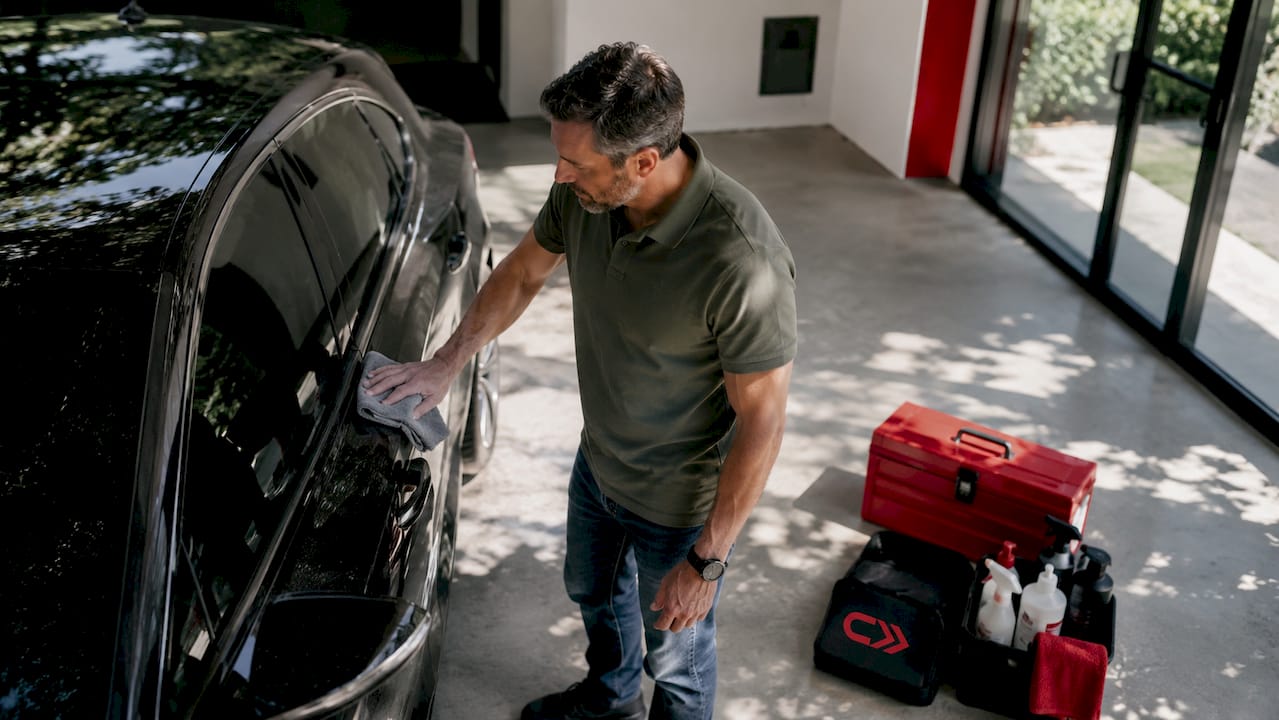
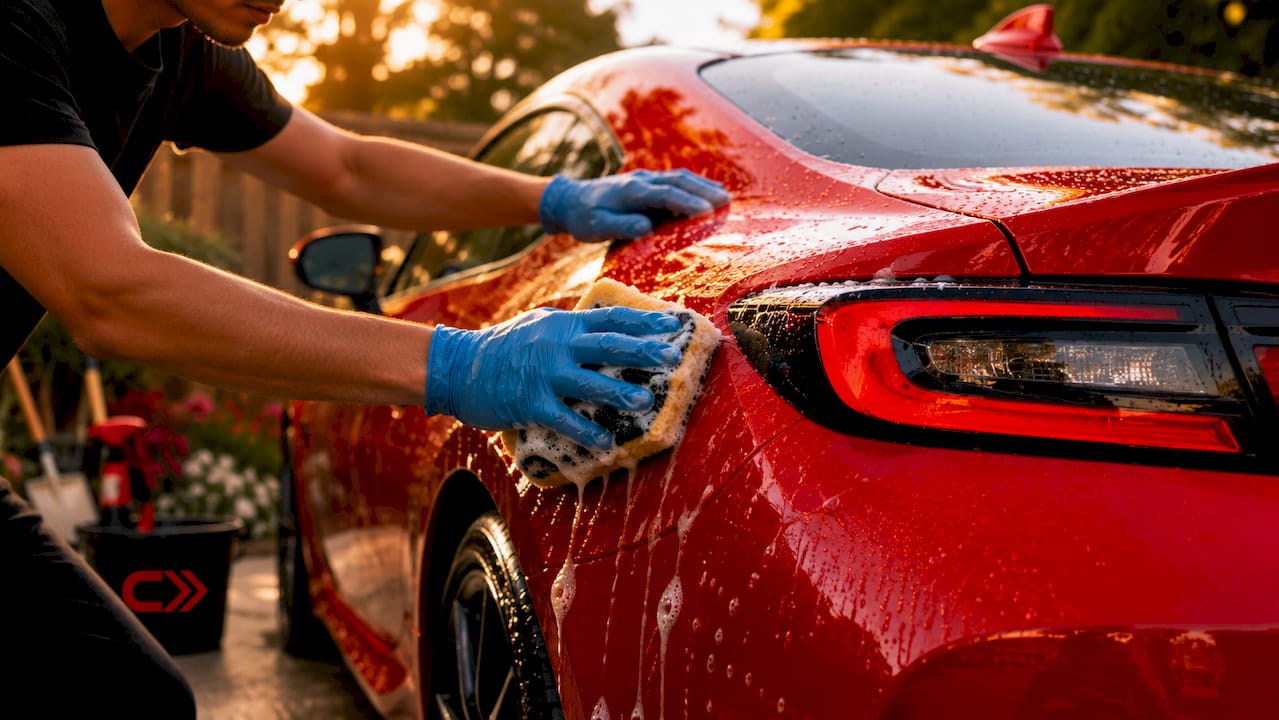
Wash and detail the car before storage, inside and out. Salt, mud, and road grime accelerate rust when left sitting on metal surfaces. Clean the interior completely to remove food crumbs and debris that attract rodents. Apply a coat of wax to the paint to create a barrier against moisture. For interior protection, car interior care strategies like using seat covers and UV-blocking sunshades prevent fading and cracking.
Treat the fuel system
Fill the gas tank to at least 90% capacity before storage. A full tank reduces the air space where condensation forms. Add a fuel stabilizer like STA-BIL or Star Tron and then drive the car for 10–15 minutes to circulate the treated fuel through the entire system. Ethanol-based fuels degrade in as little as 1–3 months. Skipping stabilizer can lead to fuel injection damage costing more than $1,000 to repair.
Change the oil before storage
Get a fresh oil change right before putting the car away. Fresh oil protects engine internals by resisting breakdown and preventing sludge from forming on cylinder walls. Used oil contains combustion acids that corrode metal surfaces over months of inactivity. This single step protects one of the most expensive components in your vehicle.
Handle the battery correctly
Disconnect the negative terminal or connect a trickle charger like a NOCO GENIUS or Battery Tender. A disconnected battery slowly self-discharges, so a trickle charger is the better option for storage beyond 30 days. Never leave a battery fully discharged for months. A dead battery that freezes in cold weather is almost always a total loss.
Protect the tires and brakes
- Inflate tires to the maximum recommended PSI listed on the sidewall to compensate for slow pressure loss over time.
- Elevate the vehicle on jack stands to remove the load from tires entirely and prevent flat spots from forming.
- Place wheel chocks front and rear instead of engaging the parking brake.
- Leaving the parking brake on during long storage causes brake pads or shoes to fuse to rotors or drums.
Seal the vehicle against pests
Stuff steel wool or foam into the exhaust pipe, air intake, and any other openings. Rodents can enter through surprisingly small gaps and cause serious wiring damage. Place dryer sheets or peppermint oil sachets inside the cabin and under the hood. Cover the car with a quality vehicle cover fitted to your specific model. Loose covers flap and scratch paint; a fitted cover stays in place and seals out dust and moisture.
Pro Tip: Place a few mothballs in a mesh bag under the car, not inside it. The scent deters rodents without leaving residue on interior surfaces.
How to select the best vehicle storage method for your needs
The right storage method depends on your climate, budget, and how long the car will sit. Indoor storage offers the best protection from weather, theft, and pests, but it comes at a higher cost than outdoor or covered alternatives.
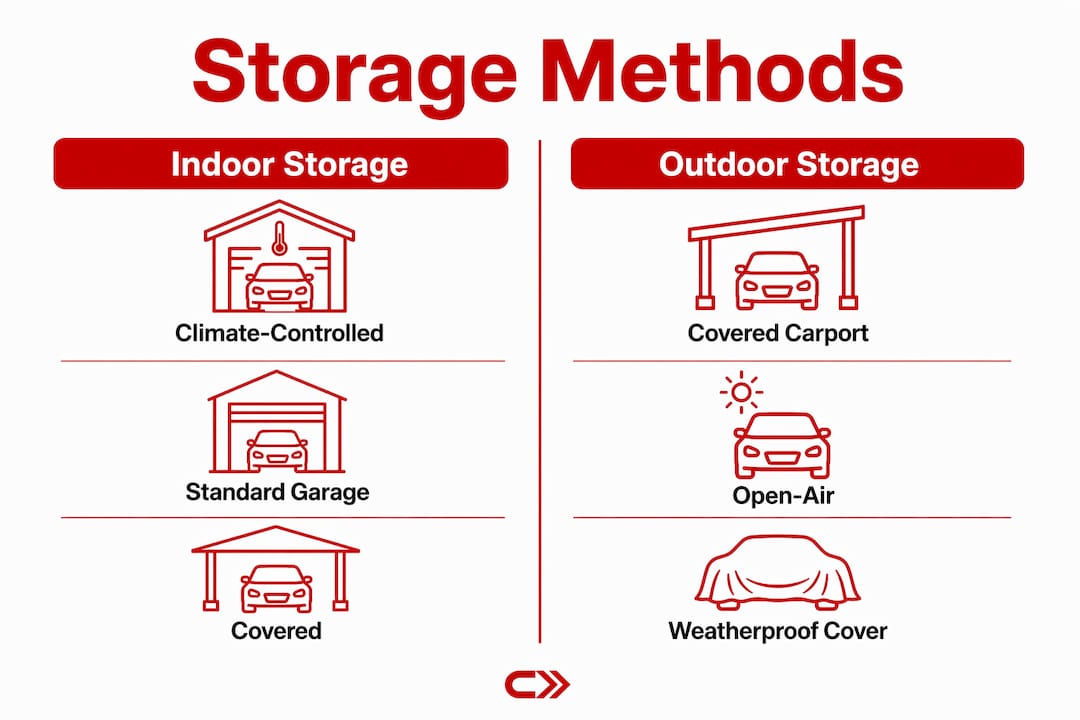
| Storage type | Protection level | Cost | Best for |
|---|---|---|---|
| Indoor climate-controlled | Highest | Highest | Classic cars, EVs, humid climates |
| Indoor non-climate-controlled | High | Moderate to high | Most vehicles, cold climates |
| Covered outdoor (carport) | Moderate | Low to moderate | Short-term, mild climates |
| Open outdoor | Lowest | Lowest | Short-term only, dry climates |
Climate-controlled storage is worth the premium in humid regions. Humidity causes mold, rust, and paint degradation when a vehicle sits in a damp environment for months. If climate-controlled storage is not available, place desiccant packs like DampRid inside the cabin and use a dehumidifier in the storage space.
Outdoor storage requires the most protective accessories. A high-quality, weatherproof cover rated for your region’s conditions is non-negotiable. For general storage principles that apply across vehicle types, the go-kart storage guide from GoKarts USA covers fundamentals that translate directly to automotive storage.
Security matters as much as weather protection. Indoor facilities with gated access, cameras, and individual locks reduce theft risk significantly. If you store at home, a garage with a deadbolt and motion-sensor lighting is a meaningful deterrent.
What maintenance practices keep your vehicle healthy during long-term storage?
The biggest mistake owners make during storage is doing too much. Monthly cold starts damage the engine more than leaving the car dormant, according to collector car insurance experts. Starting a cold engine without driving it to full operating temperature introduces condensation into the exhaust and crankcase, degrades untreated fuel, and cycles rubber components without any benefit.
The correct approach is a 90-day inspection cycle that takes about 15 minutes per visit. Here is what to check each time:
- Battery charge level. If using a trickle charger, confirm the charger is functioning and the battery reads above 12.4 volts. A battery below 12 volts is at risk of sulfation.
- Tire pressure. Check all four tires and the spare. Cold weather drops pressure by roughly 1 PSI for every 10-degree Fahrenheit drop in temperature.
- Fluid leaks. Walk around the car and look under it for new puddles or stains. Fresh leaks mean a seal or gasket has failed during storage.
- Pest activity. Check for droppings, chewed wires, or nesting material. Catching an infestation early prevents thousands of dollars in wiring repairs.
- Moisture and mold. Open the doors and check the interior. A musty smell means moisture has entered. Address it immediately with a dehumidifier or fresh desiccant packs.
Record every inspection with dates and findings. Carjourney’s maintenance reminder tools let you set storage-specific check intervals so nothing gets missed. Digital tracking reduces guesswork and keeps your storage protocol consistent across months.
Pro Tip: Set a recurring calendar reminder on your phone for every 90 days. Pair it with a Carjourney maintenance note so you have a written record if you ever need to prove storage care for an insurance claim.
What special considerations apply to electric vehicles in storage?
Electric vehicles require a different storage approach than gasoline-powered cars. The battery management system is the central concern.
- Maintain charge between 40% and 60%. Storing an EV battery at full charge or near zero accelerates chemical degradation. Most manufacturers, including Tesla, Rivian, and GM for the Chevrolet Equinox EV, recommend the 40%–60% range for storage.
- Enable storage mode. Many modern EVs have a dedicated storage or transport mode that limits battery drain and disables non-essential systems. Check your owner’s manual or the manufacturer’s app.
- Avoid extreme temperatures. EV batteries degrade faster below freezing and above 95°F. Indoor climate-controlled storage is the best option for any EV stored longer than 30 days.
- Do not leave the vehicle plugged in at 100%. Keeping an EV at full charge for months stresses the battery cells. Set the charge limit to 60% before disconnecting.
- Check for software updates. Some EV manufacturers push over-the-air updates that affect battery management. Connect to Wi-Fi before storage to apply any pending updates.
Classic cars and motorcycles share some of these concerns. For motorcycles, drain the carburetor if the bike uses one, and follow the same fuel stabilizer protocol as gasoline cars. Classic cars benefit most from climate-controlled indoor storage and a full pre-storage mechanical inspection by a specialist.
Key takeaways
Safe vehicle storage requires preparation, the right storage environment, and disciplined restraint during the storage period itself.
| Point | Details |
|---|---|
| Prepare before storage | Clean the car, change the oil, treat the fuel, and protect the battery before parking. |
| Choose storage by climate | Use climate-controlled indoor storage in humid or extreme-temperature regions to prevent rust and mold. |
| Inspect every 90 days | Check battery, tires, fluids, pests, and moisture in a 15-minute visit every 90 days. |
| Avoid engine starts | Do not start the engine during storage unless you can drive it to full operating temperature. |
| EV batteries need a specific charge range | Store EV batteries at 40%–60% charge with storage mode enabled to prevent degradation. |
What I’ve learned from watching owners get storage wrong
Most storage damage is self-inflicted. The owner who starts the car every two weeks to “keep it running” is doing more harm than the owner who parks it and walks away. Starting a cold engine without a full drive cycle introduces moisture into the oil and exhaust, wears seals, and burns through stabilized fuel faster. Restraint is the discipline that storage demands.
The second most common mistake is ignoring regional climate. A storage routine that works perfectly in Phoenix, Arizona fails in Richmond, Virginia or Tampa, Florida. Humidity is the silent killer. I have seen paint bubbling under a cover, mold on leather seats, and rust forming on brake rotors in just three months because the owner did not account for summer humidity. A $15 bag of DampRid and a fitted cover would have prevented all of it.
Technology makes this easier than it used to be. Carjourney’s maintenance schedule tools let you build a storage-specific inspection plan tied to your exact vehicle. You get reminders, a log, and AI-backed recommendations without digging through a forum thread. That kind of structure removes the guesswork that leads to skipped inspections and expensive surprises.
The owners who get storage right are not the ones who spend the most money. They are the ones who prepare carefully, choose the right environment for their climate, and then leave the car alone except for a quarterly check. That discipline is what keeps a stored vehicle ready to drive the day you pull it out.
— Chally
How Carjourney helps you track your stored vehicle
Keeping a stored vehicle in good condition means staying on top of inspections, fluid checks, and battery health across months of inactivity. Carjourney makes that tracking effortless. The platform lets you log your vehicle’s details, set storage-specific maintenance reminders, and record every inspection with notes and dates. AI-powered recommendations adapt to your exact make and model, not a generic schedule that ignores your build. Whether you are storing a daily driver for the winter or a collector car for six months, Carjourney keeps your vehicle maintenance records organized and your inspection schedule on track. Start protecting your investment at Carjourney.
FAQ
What is the minimum preparation needed before storing a car?
Fill the tank and add fuel stabilizer, change the oil, disconnect or trickle-charge the battery, inflate tires to maximum recommended PSI, and clean the vehicle inside and out. These five steps prevent the most common and costly storage damage.
How often should you check on a car in storage?
Check every 90 days for battery charge, tire pressure, fluid leaks, pest activity, and moisture. Each inspection takes about 15 minutes and catches problems before they become expensive repairs.
Should you start a stored car periodically to keep it running?
No. Starting a stored engine without driving it to full operating temperature causes more damage than leaving it dormant. It introduces condensation, degrades fuel, and wears rubber components without benefit.
What charge level should an EV battery be at during storage?
Keep the battery between 40% and 60% charge and enable the manufacturer’s storage mode. Storing at full charge or near zero accelerates battery cell degradation over time.
Is outdoor storage safe for a vehicle?
Outdoor storage is the least protective option but works for short-term or dry-climate storage when paired with a high-quality fitted cover, desiccant packs, and pest deterrents. For storage beyond 90 days or in humid climates, indoor storage is the better choice.