 carjourney
From the CarJourney journal
How to Maintain a Classic Car Service Log
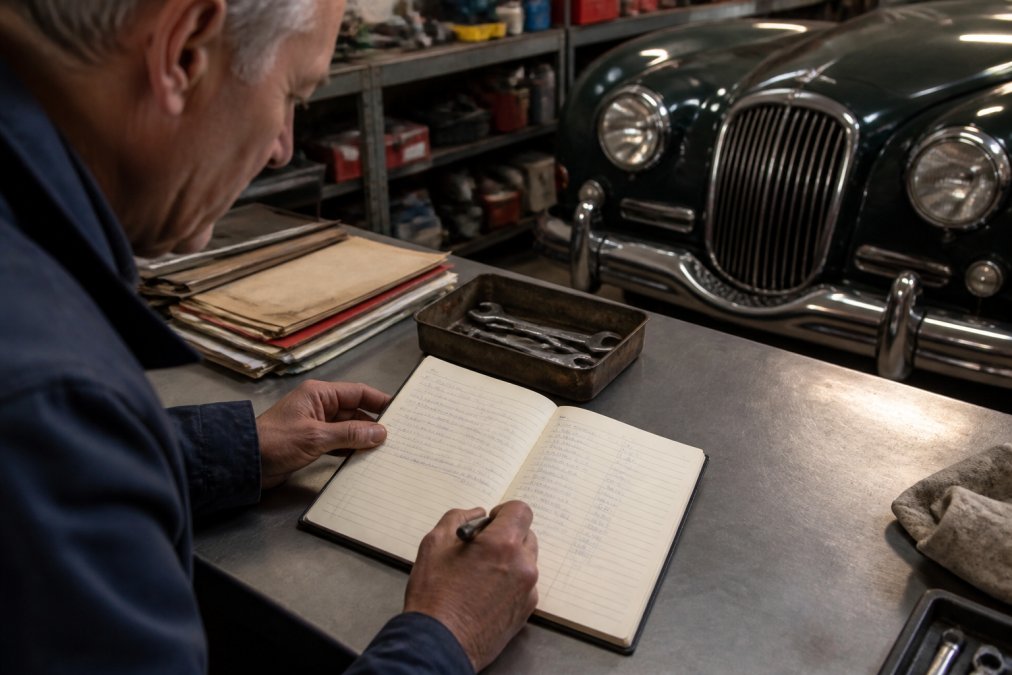
Table of Contents
- Why Maintaining a Classic Car Service Log Matters
- Essential Items for Your Classic Car Maintenance Checklist
- How to Document Project Car Builds and Modifications
- Creating a Vintage Car Service Record Template
- Best Apps for Tracking Car Maintenance
- Step-by-Step Process for Starting Your Service Log
- Maintaining Accuracy: Tracking Mileage, Dates, and Service Intervals
- Organizing Receipts, Photos, and Repair Documentation
Last Updated: August 27, 2026
Why Maintaining a Classic Car Service Log Matters
A well-documented classic car service log is the difference between a vehicle that commands top dollar at auction and one that sits on the lot. The global classic car maintenance market was valued at USD 6,011 million in 2024 and is projected to reach USD 11,437.69 million by 2032, with a CAGR of 8.26%, driven by collectors and enthusiasts who understand that preserving authenticity and value requires meticulous records Credence Research market analysis.
Vehicles with comprehensive service histories sell faster and command higher prices than those without documentation. A service log showing consistent oil changes and preventative maintenance can be worth its weight in gold. If you've done an expensive repair like an engine replacement or transmission, mechanic receipts provide proof instead of asking the buyer to take your word for it. Every service entry carries weight for classic cars, buyers assume the worst when documentation is missing and discount accordingly.
Pro Tip A service log showing consistent oil changes and preventative maintenance can be worth its weight in gold. If you've done an expensive repair like an engine replacement or transmission, mechanic receipts provide proof instead of asking the buyer to take your word for it.Essential Items for Your Classic Car Maintenance Checklist
A comprehensive classic car maintenance checklist captures the specific vulnerabilities of vintage vehicles: corrosion prevention, fluid analysis, seasonal upkeep, and mechanical reliability checks that modern cars don't require.
Start with fundamentals: oil changes with exact grade, date, mileage, and mechanic documented. Tire rotation matters equally, classic cars sit for months, and uneven weight distribution accelerates dry rot. Track fluid inspections beyond oil: coolant condition, brake fluid clarity, transmission fluid color, and differential oil. Classic cars are prone to internal corrosion, and discolored fluid is often the first warning sign.
Add fuel system care: fuel stabilizer additions, filter replacements, and varnish buildup work. Battery maintenance is critical for winter storage, document condition checks, terminal cleaning, and charging cycles. Brake system inspections should be granular: pad thickness, rotor condition, brake line integrity, and fluid flushes. Include rust mitigation: undercarriage inspections, wax applications, and rust treatment work. Document interior and exterior preservation: vinyl restoration, upholstery repairs, paint protection, and weatherstripping replacements.
Key Takeaway The most valuable service logs track not just what was done, but why it was done and what condition the component was in before repair. This context transforms a checklist into a diagnostic history.How to Document Project Car Builds and Modifications
Project cars demand different documentation than stock vehicles. Every modification, upgrade, and custom fabrication needs detail beyond standard service records.
Document the baseline before touching anything: photograph from multiple angles, note existing condition of major systems, and record mileage. As you modify, log each step with photographs showing work in progress, parts used, and final results. For modifications, capture part name, manufacturer, part number, installation date, mileage, and cost.
Modifications interact with other systems. If you upgrade cooling, note effects on radiator, thermostat, and water pump. If you change suspension geometry, document alignment specs and handling changes. Digital logging handles this complexity better than paper, creating a narrative buyers can follow. When a potential buyer sees that you upgraded the electrical system before adding performance modifications, they understand the engineering logic behind your choices.
Creating a Vintage Car Service Record Template
Your template needs core fields: service date, mileage, service type, description of work performed, parts used with part numbers, labor hours, total cost, mechanic name, and notes. For classic cars, add fields capturing unique needs: rust mitigation measures, seasonal preparation, storage-related maintenance, and deferred repairs. Include vehicle condition before service, was the component failing, preventatively maintained, or upgraded?
Support modifications with fields for part manufacturer, part number, installation location, design intent, and performance metrics. Link modifications to affected systems so future owners understand interconnections. Consider whether your template tracks service intervals separately from actual service dates. A classic car might be due for oil changes every 3,000 miles or 6 months, whichever comes first.
CarJourney's AI-powered templates auto-populate common service types and learn from your entries over time. The system suggests upcoming services based on your vehicle's history and manufacturer recommendations, reducing overlooked maintenance.
Best For Owners with multiple classic vehicles or complex restoration projects benefit from digital templates customized per vehicle and shareable with mechanics or future buyers.Best Apps for Tracking Car Maintenance
The market for classic car maintenance tracking has matured significantly. Several dedicated platforms offer features specifically designed for vintage vehicle owners.
| App | Best For | Key Strength | Limitation |
|---|---|---|---|
| CarJourney | Project cars & resale transparency | AI-powered logs + shareable build profiles | Requires subscription for multiple vehicles |
| Service Memo | Budget-conscious owners | Free tier, cloud-based, email reminders | Limited to 3 vehicles free |
| RetroBook: Classic Cars | Restoration documentation | Restoration logs + parts marketplace | Mobile-focused, less strong on desktop |
| RumbleSeat Digital Garage | Collection management | Unlimited vehicles, completely free | Fewer advanced features |
| LastDrive App | Vintage collector focus | Drive logging + GPS speedometer | Pricing not transparent |
CarJourney combines AI-powered maintenance logs with modification tracking and shareable build profiles. VIN-based setup pulls vehicle data automatically. The Ask-AI Q&A feature answers questions about your specific vehicle's maintenance needs, and the platform learns from your service history to suggest upcoming work. Receipt scanning and photo organization tools handle scattered documentation.
Service Memo appeals to budget-conscious owners with a free tier supporting three vehicles, basic maintenance logging, and automated email reminders. RetroBook targets restoration enthusiasts with comprehensive mobile app including task management and expense tracking. RumbleSeat Digital Garage is free and unlimited, appealing to collectors managing large inventories.
Digital vs. Analog Logging Systems
Analog logbooks like MotorMemo or BookFactory offer tangible permanence. A physical logbook stays with the car and becomes part of its provenance. The downside is friction, you physically write entries, find space for receipts and photos, and manually analyze patterns. safe transport methods.
Digital logging eliminates friction. Photograph receipts instead of filing them. The system reminds you when services are due and analyzes maintenance history. For owners juggling multiple vehicles, digital is the only practical option. Privacy concerns are real, but CarJourney addresses this with user-controlled privacy settings and shareable profiles revealing only what you choose.
Watch Out Analog logbooks are vulnerable to loss, water damage, and fading ink. Digital records depend on platform longevity. The best approach is hybrid: maintain digital primary records with periodic PDF exports as permanent backups.Step-by-Step Process for Starting Your Service Log
Starting from scratch with scattered documentation feels overwhelming. Breaking it into phases makes the process manageable.
Gathering Existing Records and Documentation
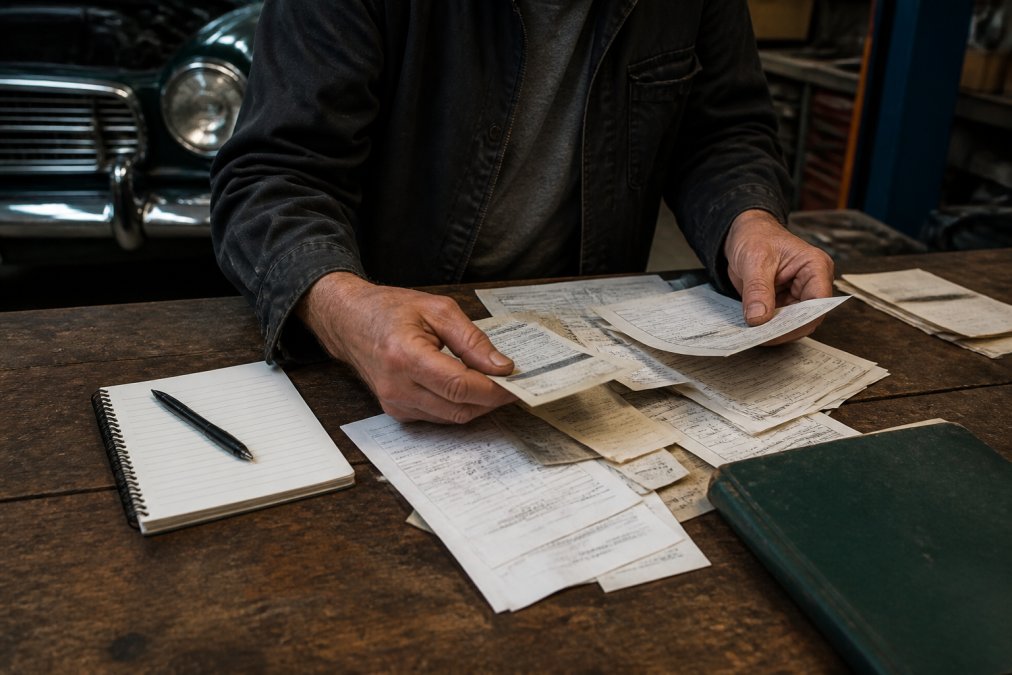
Begin by collecting everything: every receipt, invoice, photograph, insurance document, maintenance schedule, and correspondence with shops. Sort by category: maintenance, repairs, modifications, and inspections. For each document, note the date, mileage if available, service type, and cost. If information is missing, document that gap, transparency about missing data is better than silence.
Setting Up Your Log Structure
Choose your platform: digital (CarJourney, Service Memo, or spreadsheet) or analog (MotorMemo or BookFactory). Define service categories based on your vehicle's actual needs. For each category, define what information you'll capture. Set up a naming convention for files and photos using consistent structure: YYYY-MM-DD_ServiceType_Mileage.pdf. Configure vehicle profiles with year, make, model, engine type, VIN, and known deviations from stock specifications.
Recording Each Service Entry
Create an entry immediately after each service. Start with essential fields: date, mileage, service type, and description. Add supporting details: parts used with part numbers, labor hours, cost, and mechanic name. Write descriptions future buyers will understand. Instead of "Oil change," write "5W-30 synthetic oil change, OEM filter, 3,500 miles since last service." If catching up on years of backlogged service, start with recent entries and work backward.
Maintaining Accuracy: Tracking Mileage, Dates, and Service Intervals
Accuracy depends on consistent tracking of mileage and time. Most maintenance is due based on whichever comes first. Establish a routine for recording mileage every time you service the vehicle. Create a maintenance schedule listing every service your vehicle requires, the interval in miles and months, and the next due date. Update this schedule after each service.
According to Boggs Automotive maintenance guidance, keeping clear service records gives you peace of mind, provides proof of proper maintenance, increases resale value, and helps mechanics diagnose issues quickly. Digital platforms automate this tracking. CarJourney's reminder system alerts you when services are due based on both mileage and time thresholds.
Pro Tip For vehicles in seasonal storage, time-based intervals matter more than mileage. Document when the car goes into storage and comes out. Schedule pre-storage maintenance (fuel stabilizer, battery disconnect) and post-storage checks (fuel system inspection, battery charging) as separate line items.The classic car restoration and restomod services market value stood at USD 7.4 billion in 2025 and is forecast to reach USD 14.4 billion by 2036, with demand rising at a 6.2% CAGR Future Market Insights classic car restoration forecast. Owners who maintain detailed service logs are positioning themselves to capitalize on this trend by proving their vehicles' condition and maintenance history.
Organizing Receipts, Photos, and Repair Documentation
The final piece of a comprehensive service log is organizing supporting documentation. Receipts, photographs, and mechanic reports prove your service entries are legitimate.
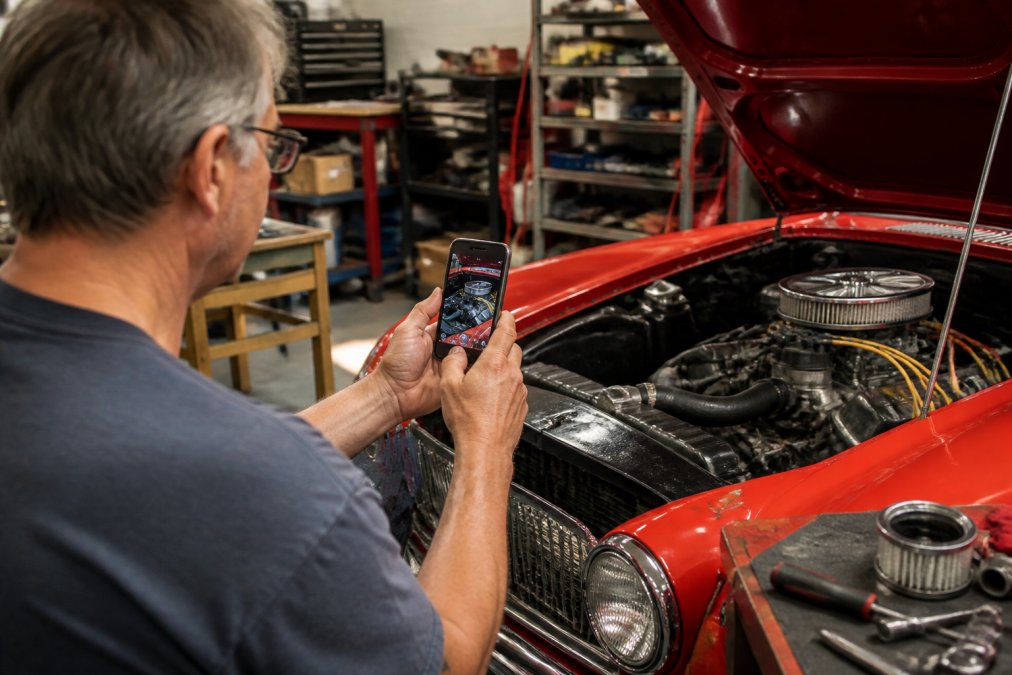
Develop a filing system mirroring your service log structure. For digital logs, store receipt scans in folders named by date and service type: 2026-08-15_OilChange or 2026-07-20_BrakeWork. For photographs, use consistent naming and organize by category: Before-and-After, In-Progress, Damage or Wear, and Parts. Tag photos with dates and mileage for later reference.
Digitize everything. Photograph receipts, invoices, and warranty documents. Scan mechanic reports and inspection sheets. Store files in cloud services with backup. For resale, prepare a portfolio walking potential buyers through your service history. CarJourney's shareable build profiles automate this, generating professional presentations directly from logged data. Keep receipts organized by mechanic or shop. For major repairs or modifications, keep original invoices, warranty documentation, and technical specifications.
A well-maintained service log transforms your classic car from a vehicle with unknown history into one with documented provenance. It protects your investment, simplifies ownership, and dramatically increases resale value. Whether you choose digital logging through CarJourney or analog documentation with a physical logbook, consistency is key: record every service immediately, organize supporting documentation systematically, and maintain accuracy in dates and mileage. When you're ready to sell, that log becomes your strongest negotiating tool, proof that you've cared for the vehicle properly and that every dollar invested in maintenance and modifications was justified.
=== FAQ ANSWERS (audit these too, same rules) ===
[1] Q: What specific details should I include in my classic car service log? A: Record the date, mileage, service type (oil change, tire rotation, brake inspection), parts replaced, labor costs, technician name, and any notes about the vehicle's condition. Include fluid analysis results, battery maintenance records, and seasonal upkeep completed. Attach receipts and photos of work performed. This documentation builds a complete service history that protects your resale value and helps future mechanics diagnose issues faster.
[2] Q: How does a digital maintenance tracker compare to a traditional paper logbook? A: Digital trackers like CarJourney offer automated reminders tied to both time and mileage, cloud storage for secure access anywhere, and easy sharing with potential buyers. Paper logbooks provide tangible records that stay with the vehicle and require no technology. Digital systems also allow you to upload photos and invoices automatically, while paper requires manual filing. Choose digital for convenience and resale value, or paper for a classic aesthetic.
[3] Q: Should I keep all old car service records and receipts? A: Yes. A service log showing consistent oil changes and preventative maintenance can be worth significant value. Receipts for expensive repairs like engine or transmission replacements prove work was completed professionally. Documentation builds trust with buyers and justifies your asking price by providing clear vehicle history. Store originals safely and digitize them as backups. This collection of documents acts as your car's resume, compelling potential buyers and protecting your investment.
[4] Q: How often should I update my vehicle's service history? A: Update your log immediately after each service is completed, whether routine maintenance or major repairs. Record the exact date, mileage, and work performed. For DIY maintenance like oil changes, log it the same day to maintain accuracy. Set reminders based on your service intervals, typically oil changes every 3,000-5,000 miles for classics. Consistent, timely updates prevent gaps in your documentation and ensure your maintenance logbook remains a reliable record of your vehicle's provenance.
Frequently Asked Questions
What specific details should I include in my classic car service log?
Record the date, mileage, service type (oil change, tire rotation, brake inspection), parts replaced, labor costs, technician name, and any notes about the vehicle's condition. Include fluid analysis results, battery maintenance records, and seasonal upkeep completed. Attach receipts and photos of work performed. This documentation builds a complete service history that protects your resale value and helps future mechanics diagnose issues faster.
How does a digital maintenance tracker compare to a traditional paper logbook?
Digital trackers like CarJourney offer automated reminders tied to both time and mileage, cloud storage for secure access anywhere, and easy sharing with potential buyers. Paper logbooks provide tangible records that stay with the vehicle and require no technology. Digital systems also allow you to upload photos and invoices automatically, while paper requires manual filing. Choose digital for convenience and resale value, or paper for a classic aesthetic.
Should I keep all old car service records and receipts?
Yes. A service log showing consistent oil changes and preventative maintenance can be worth significant value. Receipts for expensive repairs like engine or transmission replacements prove work was completed professionally. Documentation builds trust with buyers and justifies your asking price by providing clear vehicle history. Store originals safely and digitize them as backups. This collection of documents acts as your car's resume, compelling potential buyers and protecting your investment.
How often should I update my vehicle's service history?
Update your log immediately after each service is completed, whether routine maintenance or major repairs. Record the exact date, mileage, and work performed. For DIY maintenance like oil changes, log it the same day to maintain accuracy. Set reminders based on your service intervals, typically oil changes every 3,000-5,000 miles for classics. Consistent, timely updates prevent gaps in your documentation and ensure your maintenance logbook remains a reliable record of your vehicle's provenance.
Start freeThis article was written using GrandRanker