 carjourney
From the CarJourney journal
Dealership vs Independent Service Stamps: Value Gap
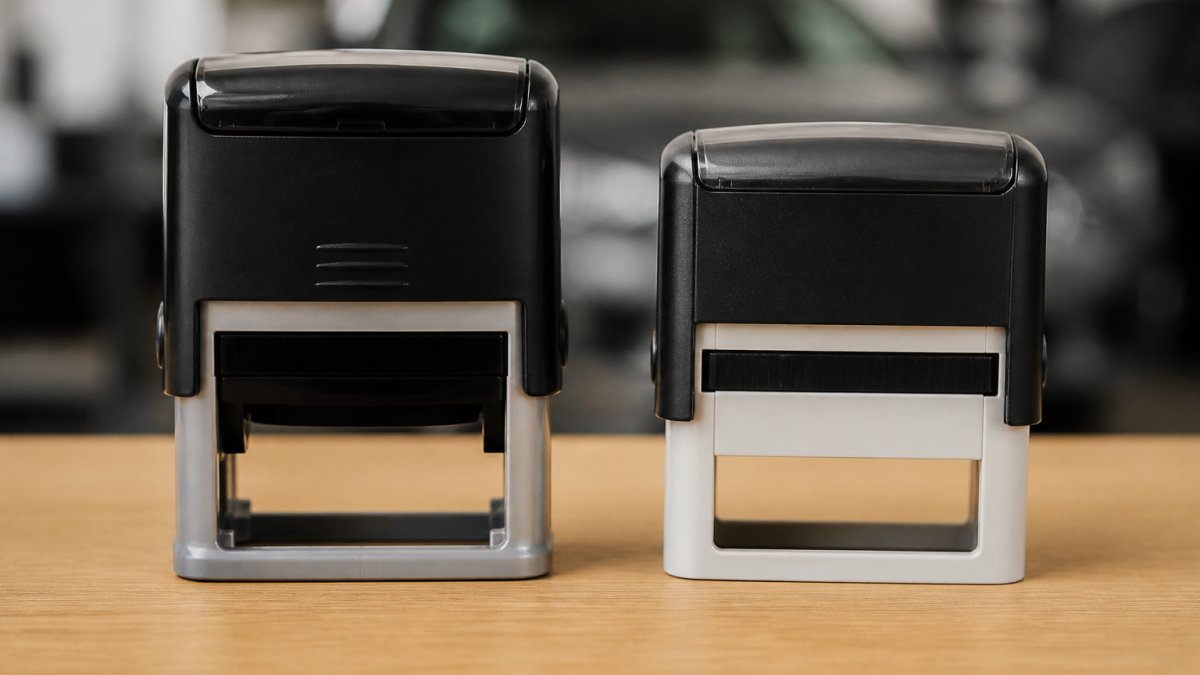
Last Updated: October 23, 2026
Quick Summary
A dealership service stamp adds little resale value on its own; the premium buyers pay comes from a complete, verifiable maintenance record, not the logo. Independent service stamps backed by itemized invoices naming parts and mileage intervals are just as strong, and often cost less. The stamp is a tiebreaker, not the main variable.
- A service stamp proves only that a shop performed work on a date, not that the work was done well.
- Dealer labor rates and OEM parts markups usually make routine service cost more than at an independent shop.
- A verifiable record needs five elements: date, odometer reading, itemized work, parts used, and a receipt reference.
- Dealer stamps pay off most for cars under manufacturer warranty or needing manufacturer-specific diagnostics.
- Private sale rewards documented maintenance records more than trade-in, which values cars against wholesale numbers.
Table of Contents
- What a Service Stamp Actually Proves (And What It Doesn't)
- Dealership vs Independent Shop: Costs, Parts, and Diagnostics Compared
- Does Full Service History Increase Resale Value?
- Independent Mechanic Service Records for Selling a Car
- Trade-In vs Private Sale: Where Service Stamps Pay Off
- A Car Maintenance Records Template That Holds Up at Sale
- The Break-Even Math: When Dealer Stamps Are Worth the Premium
- Frequently Asked Questions
What a Service Stamp Actually Proves (And What It Doesn't)
A service stamp proves one thing: a shop performed work on a specific date. It does not prove the work was done well, that the right parts went in, or that the job matched the manufacturer's schedule.
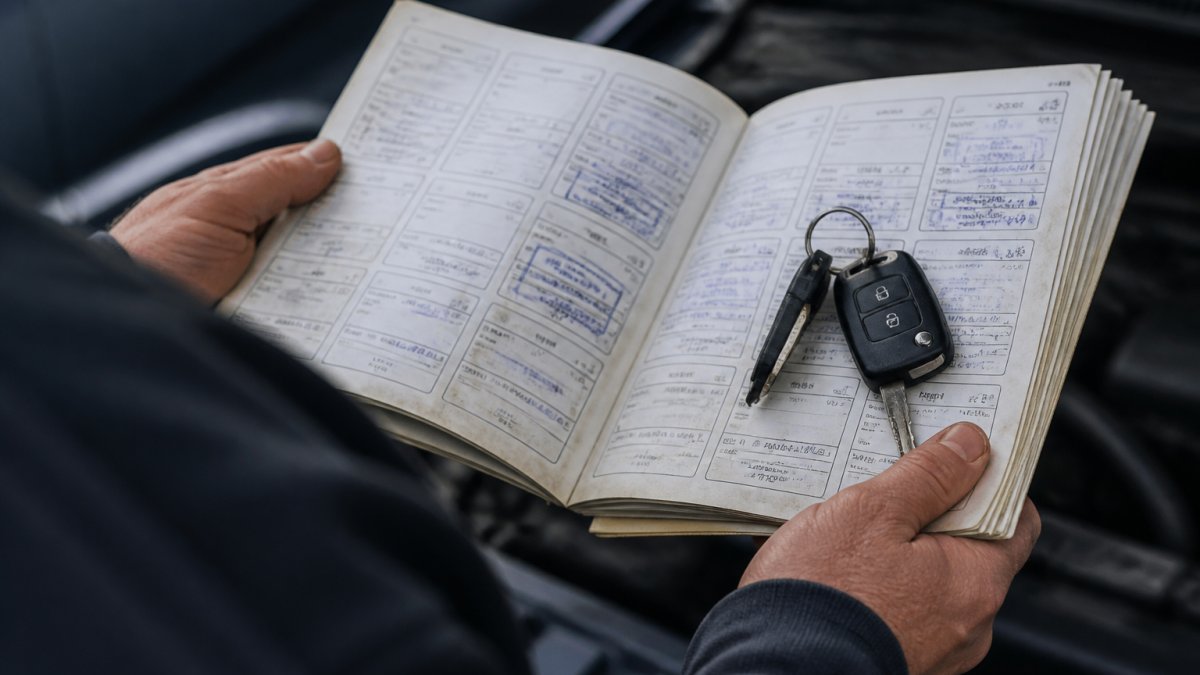
Here's the part most guides get wrong: the stamp is not the record. The record is the invoice, mileage, parts list, and repair description behind it.
Pro Tip When you buy a used car, ask for the service invoices, not the stamped book. A dealer stamp with no matching invoice tells you almost nothing about what was actually replaced or checked.Dealership vs Independent Shop: Costs, Parts, and Diagnostics Compared
Dealership service typically costs more per visit than an independent shop, and the gap comes from three places: labor rate, parts markup, and diagnostic access. That doesn't make the dealer wrong every time, it means you should know where the premium goes before deciding whether a dealer service stamp is worth paying for.
Labor Rates, Parts Markup, and the Real Cost Gap
Dealer labor rates run higher than independent-shop rates in most markets, and dealer parts counters usually mark up OEM parts more than independents mark up aftermarket parts.
Take a 60,000-mile service on a mid-size sedan. The dealer quote bundles filters, fluids, and a multipoint inspection at the dealer labor rate with OEM parts; the independent quote for the same scope uses equivalent aftermarket parts at a lower rate.
| Factor | Dealership | Independent Shop |
|---|---|---|
| Labor rate | Higher | Lower |
| Parts | OEM parts, marked up | OEM or aftermarket, flexible |
| Diagnostic equipment | Manufacturer-specific | Varies by shop |
| Warranty work | Handled in-house | Often referred out |
| Scheduling | Less flexible | More flexible |
| Recordkeeping | Manufacturer-linked digital record | Paper or shop software invoice |
Two mechanisms drive the parts gap. OEM parts carry a manufacturer list price plus dealer markup, while aftermarket parts from established brands often cost less even when they meet or exceed the original spec. And dealers tend to replace assemblies where an independent may repair a component.
Technician Training, OEM Tools, and Warranty Work
Certified dealership technicians train on that manufacturer's systems and use manufacturer-specific diagnostic equipment. Our guide to the types of car warranties explains the coverage rules that make dealer stamping matter for warranty claims.
The training difference is real but narrower than the marketing suggests. Many independent technicians hold ASE certifications, and a well-equipped independent shop will have a scan tool that reads manufacturer-specific codes and handles relearns and calibrations on the brands it services most.
FTC guidance on auto warranties and aftermarket parts
Watch Out Skipping required dealer warranty work to save on a cheaper independent repair can void coverage on the affected system. Read the warranty terms before you assume any shop will do.The Stamp vs. the Record: What Each Shop Actually Hands You
This is the distinction most comparisons miss. A dealership stamp is a mark in a service book or a line in a manufacturer-linked digital record. An independent shop hands you an invoice with the VIN, date, mileage, parts, and labor description. The dealer record is convenient and hard to fake; the independent invoice is detailed and auditable. A buyer can verify either one if the underlying documents exist, what they cannot verify is a stamp with no matching invoice.
Pro Tip Before you authorize any repair, ask the shop, dealer or independent, for a written estimate that lists parts by name and number, labor hours, and the diagnostic fee. The shop that provides it is the shop whose records will hold up at resale.Does Full Service History Increase Resale Value?
A full service history generally does increase resale value, but the boost comes from documented maintenance records, not the logo on the stamp. Buyers pay more for a car they can verify was maintained on schedule. A dealer-only stamp book with gaps raises questions; a continuous independent record backed by receipts answers them.
Isolating the Stamp's Effect from Everything Else
Most advice on this topic conflates four separate things: the provider's identity, the completeness of the record, the vehicle's condition, and its mileage. To judge whether a dealership stamp adds value on its own, hold the other three constant, compare two cars of the same model, year, mileage, and condition, one with a complete dealer-stamped history and one with a complete independent-shop history with itemized invoices. The premium buyers attach to the dealer stamp alone is usually small, often within normal negotiating range, because what they're paying for is verifiability, not the brand. Both complete records clear that bar; a partial dealer record does not, and that's where the price gap actually appears.
The stamp itself is a weak signal; the record is a strong one. An appraiser will ask for invoices, mileage at each service, parts used, and whether the work matched the manufacturer's schedule. If those exist, the provider's identity is secondary. If they don't, a page of stamps, dealer or otherwise, cannot fill the gap.
What Buyers and Appraisers Can Actually Verify
A verifiable service record has five elements: a date, an odometer reading, an itemized description of the work, the parts used (with part numbers where available), and a shop or receipt reference. A dealer stamp typically supplies two, date and provider, and leaves the rest to the invoice. An independent invoice supplies all five if the shop writes thorough tickets. At sale time, buyer confidence tracks how many of those five elements they can check across the whole ownership period, not how many stamps are in the book.
Digital records have changed this calculation. Manufacturer-linked digital service records, shop management software invoices, and inspection reports with photos all preserve a verifiable history without dealership-only servicing.
Consumer advice on used car history and maintenance records
If you want a deeper look at how a documented service history translates into resale value and buyer trust, our breakdown of how service history boosts car resale value and trust covers the evidence in detail.
A Practical Break-Even Calculation
The break-even question is simple arithmetic: does the extra cost of dealer servicing over your ownership period exceed the resale premium a dealer stamp realistically commands? Build it in three steps.
- Estimate the dealer premium per service: subtract the independent quote from the dealer quote for the same scheduled service, for each interval you'll actually hit before you sell.
- Multiply by the number of services remaining. If you'll keep the car three years at 12,000 miles a year, count the services in that window, not the whole book.
- Compare the total premium to a realistic resale premium. A dealer stamp on an otherwise complete record rarely moves the price much; a complete record versus an incomplete one moves it more. If the cumulative dealer premium exceeds the plausible stamp premium, the independent shop with tight records wins on cost. If the premium is small and the car is desirable, the dealer route can pay for itself.
The calculation tilts with circumstances. A car under manufacturer warranty tilts toward the dealer, since warranty and recall work belongs there anyway. An older, high-mileage car past warranty tilts toward the independent shop, provided the records are complete.
Key Takeaway A dealership stamp adds little on its own. What adds value is a complete, verifiable record, and an independent shop with thorough invoices can produce one that is just as strong.Independent Mechanic Service Records for Selling a Car
Independent mechanic service records for selling a car work exactly like dealer records, provided they are complete and verifiable.
The trick is presentation. Keep every invoice, log the mileage at each interval, and note any complex repairs or aftermarket parts installs. Our guide on why you should disclose service records explains how to present independent shop documentation so buyers trust it.
Key Takeaway A complete independent service record beats a patchy dealer stamp book every time. Buyers trust detail and continuity over brand logos.Trade-In vs Private Sale: Where Service Stamps Pay Off
Service stamps pay off more in a private sale than in a trade-in. A dealer taking your car on trade values it against wholesale numbers and rarely pays extra for a stamped book.
If you're weighing the two routes, our comparison of private sale vs dealership trade-in walks through the actual payout difference so you can see which path rewards your documentation. The short version: private sale rewards records, trade-in rewards convenience.
A Car Maintenance Records Template That Holds Up at Sale
A maintenance record that holds up at sale captures five fields for every service: date, mileage, service performed, parts used, and the shop or receipt reference. For a concrete list of the records that actually matter, see our essential car maintenance records for selling a car. A dealer stamp gives you two of those five. A complete record gives you all five, and that's what separates a car that sells fast from one that sits.
Here's the template we recommend:
- Date of service
- Odometer reading at service
- Service performed (oil change, tire rotation, transmission repair, etc.)
This is where a digital garage earns its keep. CarJourney stores maintenance and modification tracking in one place, sets reminders tied to time and mileage, and generates a shareable build profile so a buyer can see the full history without you digging through files.
The Break-Even Math: When Dealer Stamps Are Worth the Premium
Dealer stamps are worth the premium when the car is under manufacturer warranty, when the repair needs manufacturer-specific diagnostics, or when the resale bump from dealer documentation outweighs the extra cost. Add up the dealer premium across your ownership period, then compare it to the resale difference you'd realistically get at sale. If the premium is small and the car is desirable, dealer stamps can pay for themselves.
Frequently Asked Questions
Do dealership service stamps increase a car's resale value?
A dealership stamp helps mainly as proof that scheduled maintenance happened, not as a brand premium on its own. Buyers pay for documented care: dates, mileage, and invoices that line up with the maintenance schedule. A dealer-stamped book with gaps is worth less than a complete record from an independent shop. The value comes from the completeness of the service history, not the logo on the stamp.
Are independent mechanic service records as valuable as dealer stamps?
For most used cars, yes, as long as the records are complete and verifiable. Buyers want to see the service interval, mileage at each visit, parts used, and invoices. Independent mechanic service records for selling a car work well when they include itemized receipts and match the manufacturer's schedule. A dealer stamp adds a small edge on late-model or warranty-sensitive vehicles, but a full independent history beats a spotty dealer book.
Will a car lose value if it was serviced outside the dealership?
It can lose some value if the records are missing or vague, not simply because a dealer did not do the work. Keep every invoice, note the mileage at each service, and follow the manufacturer's schedule. If a car is still under warranty, independent work must use appropriate parts and follow the schedule to protect coverage. A complete, organized history from any qualified shop protects resale value far better than an incomplete dealer record.
What proof of maintenance should I keep when selling a car?
Keep itemized invoices showing date, mileage, parts, and labor for every service, plus receipts for tires, batteries, and major repairs. A car maintenance records template helps: one row per service with date, odometer, shop name, and what was done. Digital records are fine if they are clear and complete. Buyers and trade-in appraisers accept organized independent shop records, and a shareable digital log makes the handoff simple.
The real challenge isn't choosing a side in the dealership versus independent debate. It's proving your car was cared for, whichever shop did the work. CarJourney turns scattered receipts and stamped books into one organized digital garage, with AI-powered maintenance logs, VIN-based setup, and shareable build profiles that show buyers exactly what your vehicle has been through. Start free with CarJourney and give your car a service history that actually holds up at sale.
Start free Add carjourney.io as a preferred source on Google →