 carjourney
From the CarJourney journal
What Happens if You Skip Oil Changes: Consequences & Prevention
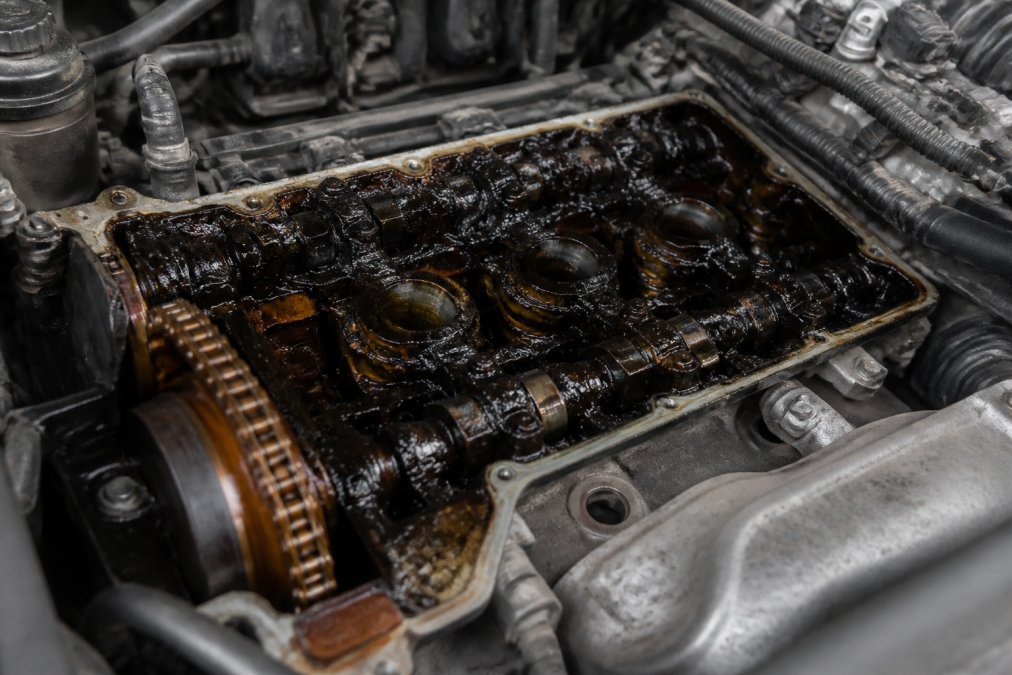
Table of Contents
- What Happens When You Skip Oil Changes
- Engine Wear, Sludge Buildup, and Overheating
- Fuel Economy Loss and Increased Emissions
- How Long Can You Go Over on an Oil Change
- How to Read Car Dashboard Warning Lights
- How to Track Car Maintenance Intervals
- Warranty Voidance and Financial Consequences
- Real-World Cases: What Neglected Oil Changes Cost
Last Updated: August 28, 2026
What Happens When You Skip Oil Changes
Engine oil lubricates moving parts, dissipates heat, and carries away contaminants. When you skip oil changes, your engine runs on increasingly degraded fluid that can no longer protect it.
According to CARFAX vehicle maintenance data, nearly 1 in 4 vehicles on the road have overdue oil changes. Failing to change oil regularly can lead to a 50% increase in engine wear and premature failure (Car Care Council, 2021). Engine replacement costs $4,500 to $7,000, compared to an oil change at $30 to $100.
This guide explains what happens when you skip oil changes, how to recognize warning signs, and why staying on schedule matters.
The Role of Engine Oil in Vehicle Performance
Engine oil lubricates, dissipates heat, and removes contaminants through its viscosity and chemical composition. Fresh oil contains detergents and anti-wear additives that keep your engine clean. As you drive, combustion byproducts and metal shavings accumulate. The oil filter captures larger particles, but the oil's chemical composition breaks down through thermal oxidation. After a certain mileage, the oil becomes saturated with contaminants and can no longer protect your engine adequately.
Engine Wear, Sludge Buildup, and Overheating
Skipping oil changes sets off a cascade of engine damage that compounds over time.
How Sludge Forms and Damages Your Engine
Engine sludge is a thick, dark, tar-like substance that forms when old oil oxidizes and combines with combustion byproducts. As sludge accumulates, it clogs critical engine passages, restricting oil flow and reducing oil pressure throughout the engine. When sludge builds up on piston rings, compression and efficiency drop, forcing the engine to work harder and consume more fuel. Sludge also accumulates around the camshaft and valve train, slowing their operation. In extreme cases, sludge can completely block oil passages, starving critical components of lubrication.
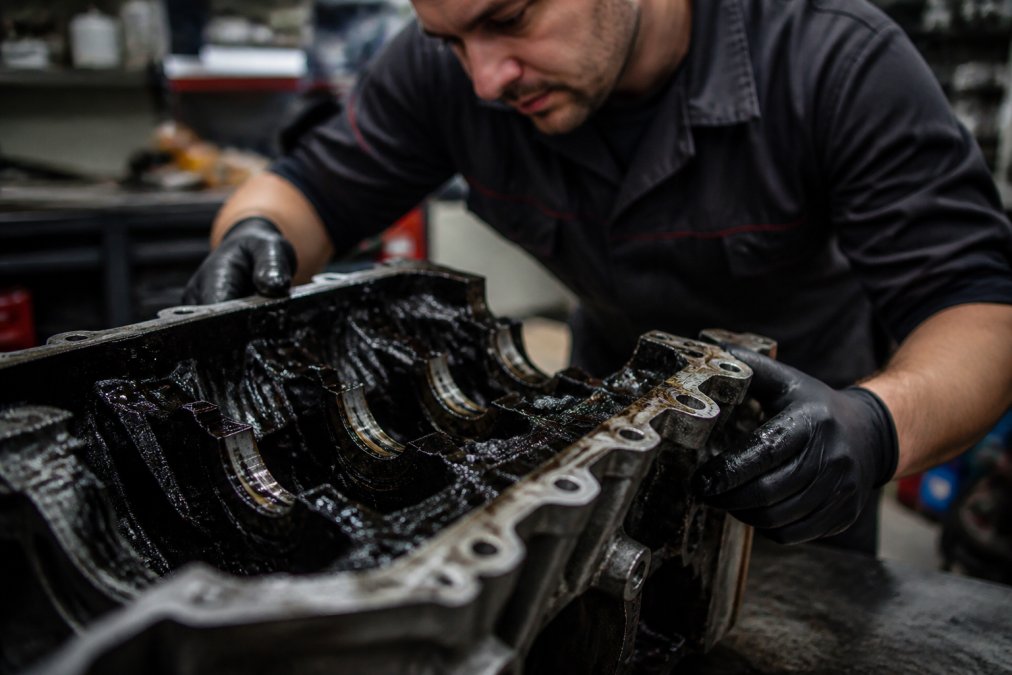
Research from Car Care Council maintenance surveys indicates that 22% of vehicles have either dirty or low engine oil, leading to costly repairs and accelerated wear.
Rod Knock and Bearing Damage
Rod knock, a loud metallic knocking sound, signals bearing damage. Bearings allow connecting rods to rotate smoothly with minimal friction, depending entirely on pressurized oil for protection. When oil pressure drops due to sludge or degradation, bearings lose their protective film. Metal-to-metal contact causes rapid wear and spalling. Once a bearing fails, the connecting rod strikes the crankshaft with each rotation, producing rod knock and requiring complete engine replacement.
Rod knock is almost entirely preventable. Regular oil changes maintain oil pressure and bearing protection, trading a $50-$100 service for a $5,000-$7,000 engine replacement.
Cooling System Stress and Overheating
Engine oil plays a critical role in heat dissipation. As it circulates, it absorbs heat from combustion and transfers it to the oil pan and engine block. Degraded oil loses thermal conductivity and flows more slowly, causing engine temperatures to rise. Higher temperatures accelerate oil oxidation further, creating a vicious cycle. The cooling system works harder, but if the oil isn't doing its job, overheating stresses the entire system. Head gaskets, which seal the cylinder head to the engine block, are particularly vulnerable and can fail prematurely, leading to coolant leaks into the combustion chamber.
Fuel Economy Loss and Increased Emissions
An engine running on old oil experiences significant fuel economy penalties. According to Loganville Ford maintenance data, degraded oil may reduce fuel economy by 5 to 12 percent. Increased friction forces the engine to work harder to produce the same power output.
Over a year of driving 12,000 miles at 25 miles per gallon with $3.50 per gallon fuel, a 10% fuel economy loss costs roughly $168 in wasted fuel. Poor lubrication causes incomplete combustion, allowing unburned hydrocarbons and nitrogen oxides to pass through the exhaust. Sludge buildup can affect the oxygen sensor and catalytic converter, triggering the check engine light and potentially causing emissions test failures.
How Long Can You Go Over on an Oil Change
The answer depends on your vehicle's age, oil type, driving habits, and manufacturer's recommendations.
Synthetic vs. Conventional Oil Degradation
Modern vehicles increasingly use synthetic oil, which resists oxidation and thermal breakdown far better than conventional mineral oil. According to Oil Change Shops Market Size & Trends Research, synthetic oil usage has surged to 56% of all oil changes due to longer lifespan and better performance. Synthetic oil can be used for 7,500 to 10,000 miles, with some formulations rated for 15,000 miles or longer under normal driving conditions.
Conventional oil should be changed every 3,000 to 5,000 miles. Synthetic oil molecules are uniform in size and shape, resisting breakdown under heat and oxidation. If your manufacturer recommends synthetic, use it and consult your owner's manual before extending intervals.
Short Trip Driving Cycles and Oil Breakdown
Short trips accelerate oil degradation far more than highway miles. The engine never reaches full operating temperature, so water and fuel vapors condense in the oil rather than boiling off. This dilutes the oil and promotes corrosion. If you frequently drive less than 10 miles per trip, use shorter intervals than the manufacturer's highway recommendation. Synthetic oil's superior thermal stability helps it handle additional moisture and contaminants better than conventional oil.
How to Read Car Dashboard Warning Lights
Your vehicle's dashboard warning lights alert you to problems before they become catastrophic.
Oil Pressure Warning Light: What It Means
The oil pressure warning light, typically depicted as an oil can with a drip, illuminates when engine oil pressure drops below safe levels. This light should only appear briefly when starting; if it stays on or flickers while driving, you have an immediate problem. complete maintenance guide.
Low oil pressure can result from insufficient oil level, a failing oil pump, a clogged oil filter, or engine sludge restricting flow. Pull over safely and check your oil level with the dipstick. If low, top it off and monitor closely. If the level is normal but the light remains on, you likely have a serious issue requiring immediate professional diagnosis. Continuing to drive with the oil pressure light on risks catastrophic engine damage within minutes.
Check Engine Light and Maintenance Alerts
The check engine light illuminates when the onboard diagnostic system detects an emissions or engine fault. A dirty oxygen sensor caused by combustion byproducts from degraded oil, a failing catalytic converter, or misfires from poor lubrication can trigger this light.
Modern vehicles display maintenance reminders like "Oil Change Due" or "Service Required" based on mileage and time since last service. Honor these reminders; they're calibrated to your specific vehicle's needs.
How to Track Car Maintenance Intervals
Staying on top of oil changes requires a system. Many drivers rely on memory, which leads to missed intervals. A documented maintenance schedule removes guesswork and protects your vehicle's resale value.
DIY vs. Professional Diagnostic Signs
When performing your own oil changes, observe the old oil's color and consistency. Fresh oil is amber or light brown; dark brown or black oil is overdue. If the oil is thick and sludgy, your engine has run on degraded oil for some time.
Professional technicians spot additional warning signs: metal shavings in the oil indicating bearing wear, excessive sludge on the dipstick, or low compression readings suggesting piston ring wear. For vehicles with overdue oil changes, a professional diagnostic scan reveals stored fault codes related to oil pressure, combustion efficiency, or emissions system function.
CarJourney's AI-powered maintenance logs track oil change due dates based on time and mileage, sending reminders before you're overdue. The platform stores photos and service records, making it easy to prove your maintenance history to potential buyers.
Warranty Voidance and Financial Consequences
Manufacturer warranties require following the recommended maintenance schedule. Most warranty documents explicitly state the manufacturer is not liable for damage caused by failure to perform scheduled maintenance, including oil changes. If your engine fails due to skipped oil changes, the warranty will not cover repair or replacement costs.
Documentation is critical. Keep receipts and record the mileage, date, oil type, and filter used. This documentation proves you've maintained your vehicle according to manufacturer's recommendations.
Leasing vs. Ownership: Different Risks
If you lease a vehicle, the leasing company maintains ownership and bears repair risk. However, lease agreements include strict maintenance requirements, and you're responsible for damage caused by failure to maintain the vehicle. At lease end, the vehicle is inspected, and excessive wear or evidence of neglected maintenance can result in substantial end-of-lease charges.
For owned vehicles, financial consequences fall entirely on you. A vehicle with well-documented maintenance history commands a higher resale price than one with gaps in service records.
Real-World Cases: What Neglected Oil Changes Cost
A Subaru Forester owner skipped oil changes, going well beyond the recommended 3,000-mile interval. The engine was started with virtually no oil, resulting in severe bearing failure and oil starvation. The repair cost exceeded $5,000, and the vehicle's resale value was permanently diminished.
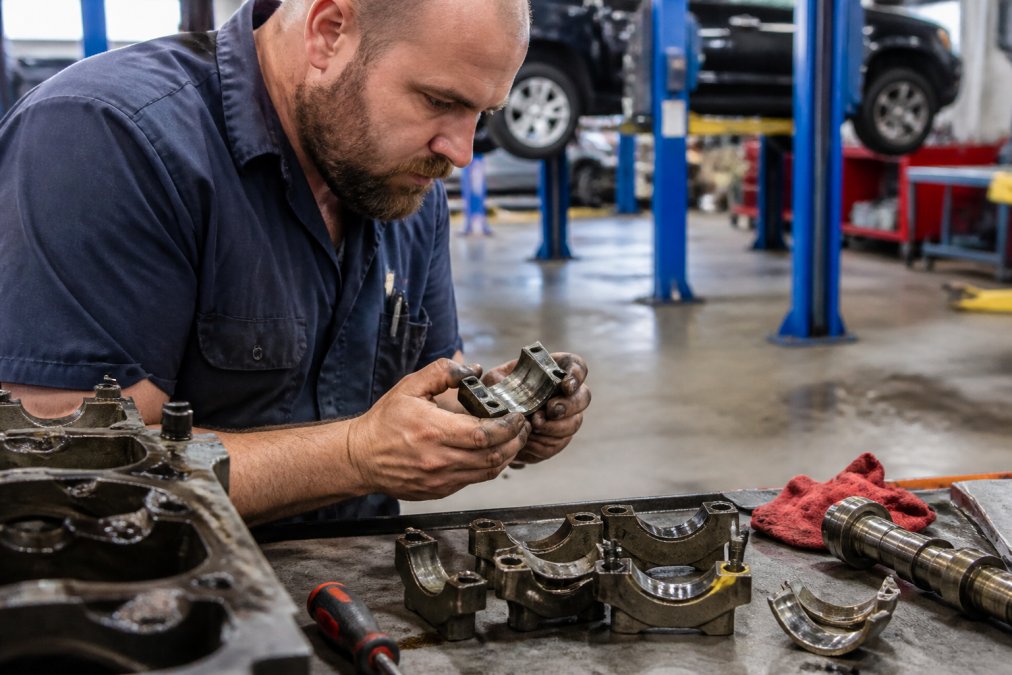
A truck owner destroyed his engine through neglected oil changes despite having a program that paid for them. When engine damage occurred, the owner expected warranty coverage. However, warranties require maintenance records proving you followed the manufacturer's schedule. Without documented oil changes, the warranty claim was denied, leaving the owner responsible for thousands of dollars in repairs.
These cases share a common thread: the cost of prevention is trivial compared to the cost of repair.
Frequently Asked Questions
How long can I go overdue for an oil change before damage occurs?
Most modern vehicles can safely go 7,500 to 10,000 miles on synthetic oil, with some lasting up to 15,000 miles. However, going significantly beyond your manufacturer's recommended interval increases engine wear exponentially. Even a few thousand miles past due can allow sludge to accumulate and oil viscosity to break down. Conventional oil degrades faster, typically requiring changes every 3,000 to 5,000 miles. The exact safe window depends on your vehicle's age, driving conditions, and oil type, always consult your owner's manual for precise intervals.
What are the early warning signs of engine oil sludge?
Early signs include sluggish engine performance, difficulty starting, reduced fuel economy, and a burning oil smell. You may notice the oil pressure warning light on your dashboard or see dark, thick oil on the dipstick. Loud engine noise or knocking sounds indicate advanced sludge buildup affecting lubrication. Some drivers report a check engine light triggered by combustion byproducts entering the crankcase. If you spot metal shavings on the dipstick or oil filter, bearing damage has likely already begun. Regular maintenance tracking helps catch these signs before they become expensive repairs.
Does skipping oil changes void my vehicle warranty?
Yes. Most manufacturer warranties explicitly require adherence to the recommended maintenance schedule, including oil changes. If you skip oil changes and your engine fails, the manufacturer can deny warranty coverage. This applies to both new vehicle warranties and extended service contracts. Dealers and manufacturers often request maintenance records to verify compliance before honoring claims. Keeping detailed records of every oil change, whether DIY or professional, protects your warranty coverage. This is particularly important for leased vehicles, where warranty denial can result in expensive out-of-pocket repairs at lease end.
How much does engine replacement cost compared to regular oil changes?
A regular oil change costs between $30 and $100 depending on oil type and location. Engine rebuilds range from $2,500 to $4,500, while complete engine replacement can exceed $7,000. Even a single neglected oil change that leads to bearing damage can cost $1,500 to $3,000 in repairs. The financial case for regular maintenance is overwhelming: spending $50 on an oil change every 5,000 miles costs roughly $500 per year, while engine damage from neglect can cost tens of thousands. This is why maintaining accurate service records through tools like maintenance trackers is essential for protecting your investment.
Start freeThis article was written using GrandRanker